
Now Reading: My Garage Door Will Not Close? Troubleshoot and Fix Fast
- 01
My Garage Door Will Not Close? Troubleshoot and Fix Fast

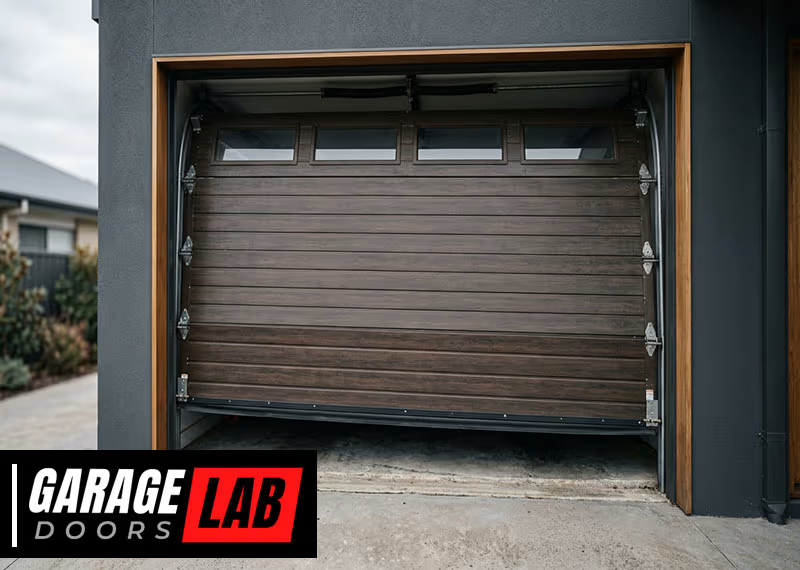
If your garage door will not close, it can be stressful and inconvenient. You might worry about safety, weather, or even pests entering your garage. Many homeowners face this problem at some point, and the good news is that most issues can be fixed with the right approach. Understanding the causes, knowing what to check, and learning how to solve the problem will help you restore your garage door’s function quickly.
This guide explains the most common reasons why a garage door refuses to close, practical troubleshooting steps, and when you should call a professional. You’ll also find useful tips for maintenance and prevention so you can avoid future problems. Whether you are a first-time homeowner or just new to garage door systems, this article will help you feel confident in handling this common issue.
How Garage Doors Work: A Quick Overview
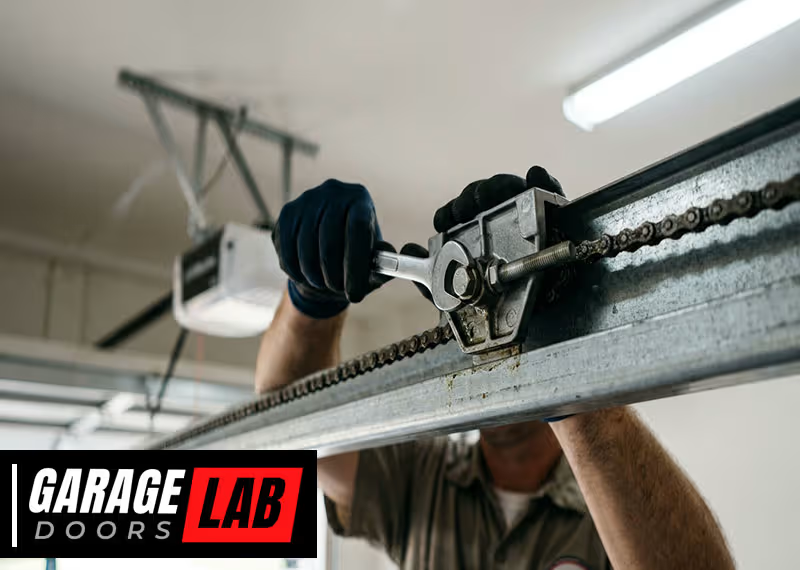
Before you begin fixing, it helps to understand the basics of garage door systems. Most modern garage doors use an electric opener that lifts and lowers the door using a chain, belt, or screw drive. Safety sensors near the floor detect obstacles and prevent the door from closing if something is in the way. Wall-mounted controls and remote transmitters send signals to the opener.
Key parts include:
- Garage door opener (motor and drive mechanism)
- Safety sensors (photo-eye sensors)
- Remote controls and wall buttons
- Springs and cables (help lift the door)
- Tracks and rollers (guide the door smoothly)
When one part fails or is out of alignment, your garage door may not close properly.
Common Reasons Why Your Garage Door Will Not Close
Let’s look at the main causes that stop a garage door from closing. Each problem has specific symptoms and solutions.
1. Blocked Or Misaligned Safety Sensors
Most new garage doors have photo-eye sensors on both sides, a few inches above the ground. These send an invisible beam across the door opening. If something blocks this beam or the sensors are not lined up, the door will not close.
Symptoms:
- Door starts to close, then reverses.
- Opener lights may blink.
- You hear a clicking sound.
Fixes:
- Check for dirt, cobwebs, or objects blocking the sensors.
- Make sure the sensors face each other.
- Look for loose wires or broken brackets.
2. Obstructions In The Door’s Path
Sometimes, the door won’t close if it hits an object.
Symptoms:
- Door stops and reverses quickly.
- You see something under the door.
Fixes:
- Remove any items, debris, or ice from the garage floor.
- Check for small objects or uneven surfaces under the door.
3. Broken Or Weak Springs
The torsion springs or extension springs help lift the heavy door. If a spring breaks or loses tension, the opener may struggle or refuse to close the door.
Symptoms:
- Door feels heavy.
- You hear a loud bang when the spring breaks.
- The door moves unevenly.
Fixes:
- Do not try to replace springs yourself. This job is dangerous and should be left to professionals.
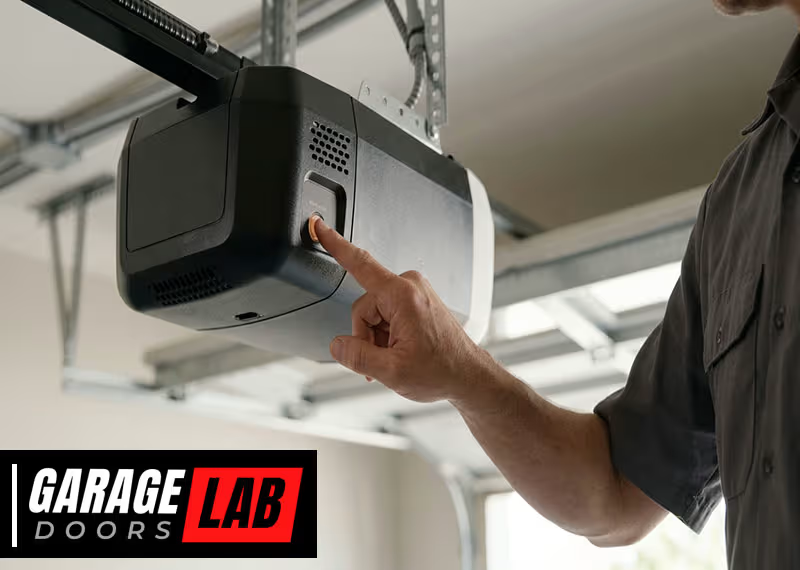
4. Problems With The Garage Door Opener
The opener’s settings or internal parts can cause problems.
Common issues:
- Travel limits: If set incorrectly, the opener may think the door is closed when it’s not.
- Force settings: If the force is too low, the opener may stop before fully closing.
- Worn gears: Older openers sometimes have broken gears.
Fixes:
- Refer to your opener’s manual to adjust travel and force limits.
- Listen for grinding noises that suggest worn gears.
5. Remote Control And Wall Switch Problems
If the wall switch works but the remote does not, or vice versa, the problem may be in the controls.
Symptoms:
- Door responds only to one control.
- Door does not move at all.
Fixes:
- Replace remote batteries.
- Check for stuck buttons.
- Inspect wiring at the wall switch.
6. Door Track Or Roller Issues
Bent tracks or damaged rollers can keep the door from moving smoothly.
Symptoms:
- Door jerks, sticks, or stops.
- You hear grinding or scraping noises.
Fixes:
- Look for gaps or bends in the tracks.
- Lubricate rollers and tracks with garage door lubricant.
- Replace damaged rollers.
7. Weather And Temperature Effects
Extreme cold or heat can affect metal parts, causing them to contract, expand, or stick.
Symptoms:
- Door works at some times of day, but not others.
- The problem started during a weather change.
Fixes:
- Apply lubricant to metal parts.
- Check for ice, snow, or swelling in wooden doors.
8. Manual Lock Engaged
Many garage doors have a manual lock or slide bolt. If this is engaged, the opener cannot close the door.
Symptoms:
- Opener struggles but door does not move.
- You see a lock or bolt blocking the track.
Fixes:
- Check for a lock bar or handle and disengage it.
9. Power Supply Issues
If there’s no power to the opener, the door won’t close.
Symptoms:
- No lights on the opener.
- Opener is silent.
Fixes:
- Check the power outlet.
- Reset the circuit breaker or replace blown fuses.
10. Door Out Of Alignment
Over time, doors can become crooked due to settling, loose hardware, or worn parts.
Symptoms:
- One side of the door is higher than the other.
- The door scrapes against the frame.
Fixes:
- Tighten loose bolts.
- Check for worn hinges or brackets.
- Adjust the door if possible.
11. Damaged Or Worn Weatherstripping
The rubber or vinyl strip at the bottom of the door seals out drafts and pests. If it’s too thick, too thin, or damaged, the door might not close all the way.
Symptoms:
- Door leaves a gap at the bottom.
- The door stops before fully closing.
Fixes:
- Inspect and replace worn or misshaped weatherstripping.
12. Control Panel Lock Or Vacation Mode
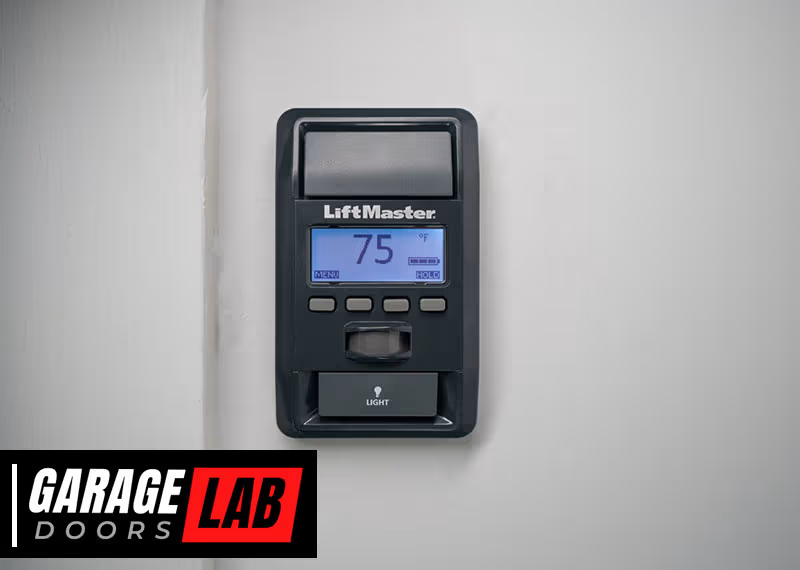
Some wall panels have a “lock” or “vacation” mode, which stops the door from closing with remotes.
Symptoms:
- Wall button works, remotes do not.
- A small light on the wall panel blinks or stays lit.
Fixes:
- Read your manual to turn off lock mode.
13. Faulty Circuit Board Or Wiring
Older openers may develop electrical faults or loose wires.
Symptoms:
- Door acts unpredictably.
- Opener works sometimes, not always.
Fixes:
- Check for loose wires at the opener and safety sensors.
- Call a technician if you suspect board failure.
14. Garage Door Needs Lubrication
Dry rollers or hinges can cause friction and prevent smooth closing.
Symptoms:
- Noisy door.
- Door slows or stops before closing.
Fixes:
- Apply a silicone-based garage door lubricant to moving parts.
15. Structural Issues With The Garage
Major settling, foundation shifts, or warped frames can stop the door from closing.
Symptoms:
- Door does not fit in the opening.
- Visible cracks or shifts in the walls.
Fixes:
- Consult a contractor for foundation or framing repairs.
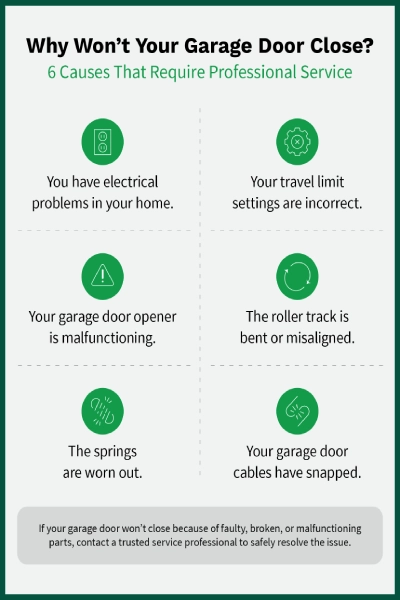
Credit: www.precisiondoor.net
Troubleshooting Steps: What To Do When Your Garage Door Will Not Close
Now that you know the possible causes, here’s a step-by-step guide to help you diagnose and fix the problem.
Step 1: Observe And Listen
Watch the door as you try to close it. Listen for grinding, clicking, or other unusual sounds. Notice if the opener lights blink or if the door reverses.
Step 2: Check The Path And Sensors
- Remove any objects under the door.
- Wipe the safety sensor lenses with a soft cloth.
- Make sure sensors face each other and are not loose.
Step 3: Test Controls
- Try both the wall button and remote.
- Replace remote batteries if needed.
- If the remote fails but the wall button works, reprogram the remote.
Step 4: Inspect Tracks, Rollers, And Springs
- Look for bends or blockages in the tracks.
- Lubricate rollers, tracks, and hinges.
- Do not touch springs unless you are trained.
Step 5: Check Opener Settings
- Adjust travel and force limits according to your opener’s manual.
- Unplug the opener for 30 seconds to reset it.
Step 6: Look For Locks Or Manual Latches
- Make sure the manual lock is not engaged.
- Check for bolts or pins blocking the door.
Step 7: Examine The Power Supply
- Plug another device into the outlet to check for power.
- Reset the circuit breaker.
Step 8: Test In Different Weather
Try operating the door at different times of day if you suspect weather-related issues.
Step 9: Review The Wall Panel Settings
- Make sure “lock” or “vacation” mode is off.
- Refer to the manual for your specific panel.
Step 10: Call A Professional
If you cannot find or fix the problem, call a garage door technician. Do not attempt to fix springs, cables, or serious electrical problems yourself.
Data Table: Common Causes And How To Fix Them
The table below summarizes the most frequent reasons your garage door won’t close, along with simple solutions.
| Problem | How to Identify | Suggested Fix |
|---|---|---|
| Blocked Safety Sensors | Door reverses, lights blink | Clean and align sensors |
| Obstructions in Path | Door stops or reverses, visible block | Remove objects from under door |
| Broken Springs | Heavy door, loud bang | Call a professional to replace |
| Remote Control Issue | Wall switch works, remote does not | Change batteries, reprogram remote |
| Weather Effects | Problem in extreme cold/heat | Lubricate parts, check for ice/swelling |

Important Safety Tips
Garage doors are heavy and under a lot of tension. Always keep safety in mind.
- Never try to repair or replace springs or cables yourself.
- Unplug the opener before performing electrical checks.
- Keep children and pets away from the garage door during troubleshooting.
- If you are unsure, contact a professional.
Non-obvious insight: Many people do not realize that even a small spider web can block the photo-eye sensor’s beam and stop the door from closing. Also, some openers have a “soft close” feature—if it senses resistance, it may slow down and reverse, not just stop. These features are for your safety but can be confusing if you do not know about them.
How To Maintain Your Garage Door (and Prevent Closing Problems)
Regular maintenance can help you avoid most garage door issues.
Monthly Checks
- Test the safety sensors by closing the door and waving an object in front of the sensor. The door should reverse.
- Visually inspect springs, rollers, and tracks for wear or damage.
- Check the weatherstripping at the bottom of the door.
Lubrication
- Use a silicone-based lubricant on rollers, hinges, and tracks every 3-4 months.
- Avoid using grease or WD-40, which can attract dirt.
Keep Sensors Clean
- Wipe the photo-eyes with a soft, dry cloth.
- Check for spider webs, dust, or water spots.
Tighten Hardware
- Use a socket wrench to tighten loose bolts on the door and tracks.
Test Balance
- Disconnect the opener by pulling the release handle.
- Manually lift the door halfway; it should stay in place. If not, the springs may need adjustment.
Professional Service
- Schedule a professional inspection once a year for spring tension and opener safety checks.
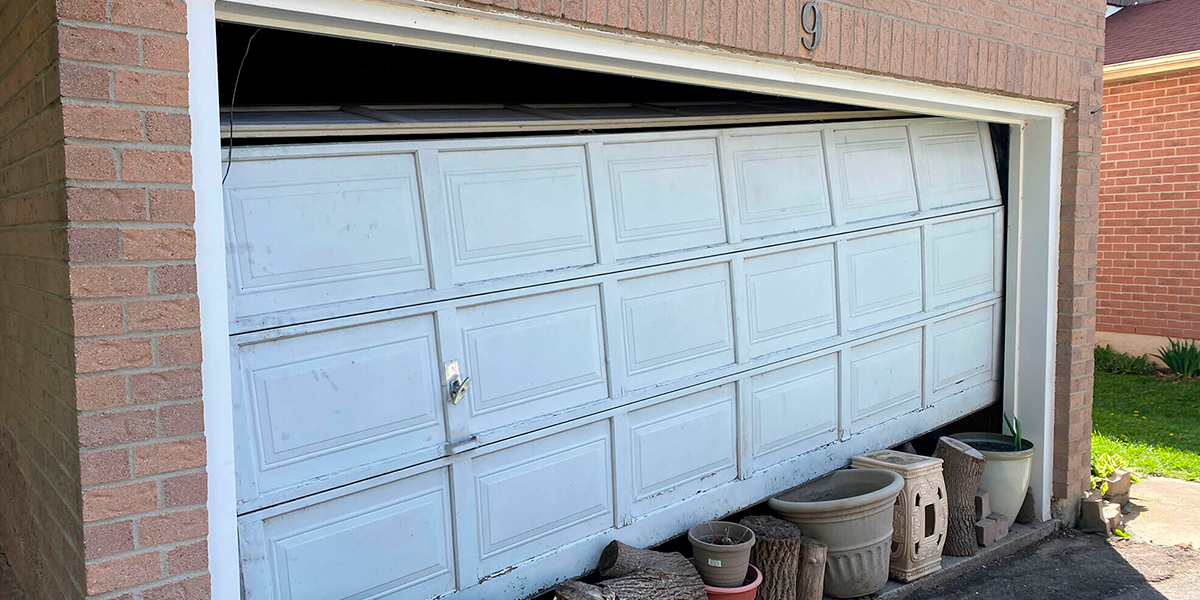
Table: Professional Vs. Diy Solutions
Some garage door problems are safe to handle yourself, but others require an expert. Here’s a quick comparison.
| Issue | DIY Possible? | When to Call a Pro |
|---|---|---|
| Sensor cleaning/realignment | Yes | If sensors are broken or wiring is damaged |
| Track lubrication | Yes | If tracks are bent or rollers are off |
| Spring replacement | No | Always call a professional |
| Travel limit adjustment | Yes (with manual) | If opener still does not work after adjustment |
| Wiring problems | Sometimes | If you see burning or melted wires |
Advanced Troubleshooting: When The Problem Is Not Obvious
Sometimes, your garage door will not close even after you check the basics. Here are some less common but important things to consider.
Interference From Nearby Devices
Wireless garage door openers can be affected by radio interference. Devices like LED lights, wireless doorbells, or even neighbors’ remotes may disrupt the signal.
How to check:
- Try operating the remote close to the opener.
- Turn off new electronic devices in the garage one by one and test the door.
Sunlight On Sensors
Direct sun can overwhelm the photo-eye sensors, making them think something is blocking the beam.
How to check:
- If the problem happens only during certain times of day, shade the sensors with a small cover and try again.
Faulty Logic Board
The circuit or logic board inside the opener can fail over time due to power surges or old age.
How to check:
- If the opener acts randomly (sometimes works, sometimes not), the board may need replacement.
Broken Cables Or Hinges
Worn or snapped cables can cause the door to hang crooked, which keeps the safety mechanism from allowing the door to close.
How to check:
- Look for frayed or snapped cables.
- If you see this, do not operate the door—call a pro.
Outdated Opener
Garage door openers older than 15-20 years may not have reliable safety features. Parts may fail or become impossible to replace.
How to check:
- Check the opener’s manufacture date.
- If it’s very old, consider a full replacement.
Cost Of Repair: What To Expect
Repair costs depend on the problem and your location. Here are some typical price ranges:
- Sensor cleaning/realignment: $0 (DIY) to $80
- Spring replacement: $150–$350
- Track repair: $125–$290
- Opener repair/replacement: $150–$400
If you need a full system replacement, costs can range from $400 to $1,200 depending on door size and features.
Non-obvious insight: Some home insurance policies cover garage door repairs if the damage is from weather or theft. Check your policy before paying out of pocket.
For more detailed pricing and professional advice, you can visit resources like HomeAdvisor.
When To Replace Instead Of Repair
If your garage door is over 15 years old, has repeated problems, or repairs cost more than half the price of a new door, replacement is often the best choice. New doors offer better insulation, security, and quieter operation.
Table: Repair Vs. Replace Decision Guide
| Situation | Repair | Replace |
|---|---|---|
| Broken sensor or minor wiring issue | ✓ | |
| Multiple broken panels, old opener | ✓ | |
| Spring replacement, door otherwise fine | ✓ | |
| Frequent repairs, over 15 years old | ✓ | |
| Cosmetic damage only | ✓ |
Choosing A Garage Door Professional
If you need expert help, look for a licensed, insured, and well-reviewed garage door service. Ask for clear pricing and warranty information. A trustworthy technician will explain the problem, show you the broken part, and offer repair or replacement options.
Red flags to avoid:
- High-pressure sales tactics
- No written estimate
- No company address or insurance
Frequently Asked Questions
Why Does My Garage Door Close Partway, Then Open Again?
This usually means the safety sensors detected something or are misaligned. Clean the sensor lenses and check their alignment. Also, check for obstructions in the door’s path.
My Remote Works, But The Wall Switch Does Not. What Should I Do?
The wall switch may have loose wiring or a faulty connection. Check the wiring at the back of the switch. If unsure, call a professional to inspect it safely.
The Garage Door Opener Makes Noise But The Door Does Not Move. What’s Wrong?
This could be a broken spring or a disconnected drive mechanism. Do not attempt to fix springs yourself—this can be dangerous. Contact a garage door technician.
How Often Should I Maintain My Garage Door To Prevent Closing Problems?
Inspect your garage door monthly, lubricate moving parts every 3–4 months, and schedule a professional service check once a year for the opener, springs, and cables.
Can I Override The Safety Sensors To Close The Door?
Most openers allow you to hold the wall switch until the door fully closes. This bypasses the sensors, but only do this if you are sure nothing is blocking the door. Never disable or remove safety sensors—they are there to prevent injury.
If your garage door will not close, take a calm, step-by-step approach. Most problems have simple solutions, but do not hesitate to call a professional for help with springs, wiring, or complex repairs. With regular maintenance and a bit of know-how, you can keep your garage door running smoothly and safely for many years.