Now Reading: Why Does My Garage Door Keep Opening? Common Causes Explained
- 01
Why Does My Garage Door Keep Opening? Common Causes Explained
Why Does My Garage Door Keep Opening? Common Causes Explained

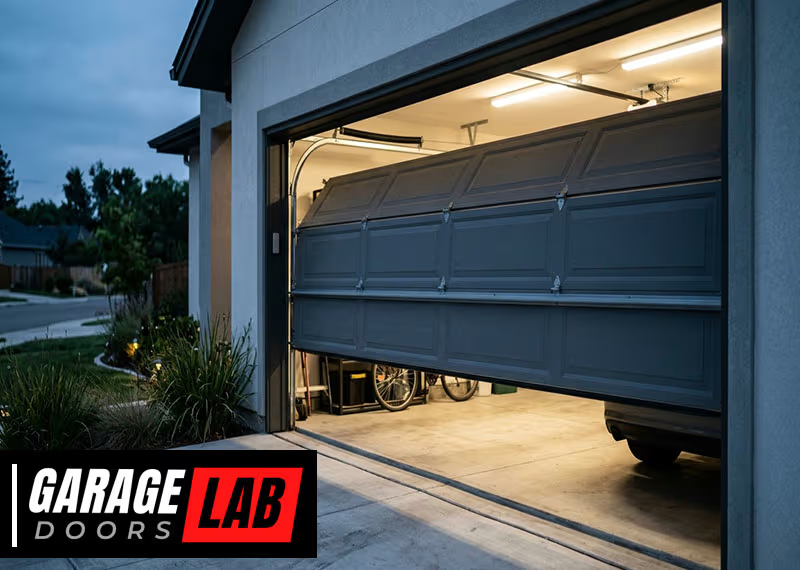
A garage door that opens on its own can be confusing, even scary. You close your garage door, leave the house, and then return to find it wide open. For many homeowners, this is not just a small problem—it can be a major safety risk.
Not only does it make your home less secure, but it can also let in rain, wind, or even animals. Understanding why your garage door keeps opening is the first step to fixing the problem and protecting your home.
This guide explains every possible reason why your garage door may open by itself. We’ll walk through common causes, from simple mistakes to complex electrical issues. You’ll also learn how to test for each problem and what you can do to solve it.
Whether you’re a beginner or have some experience with home repairs, this article gives you clear, practical advice to help you keep your garage safe and secure.
Common Causes Of A Garage Door Opening By Itself
Garage doors are complex systems with many parts. When something goes wrong, the door can act strangely—even opening on its own. Here are the most common reasons this happens.
1. Remote Control Interference
Garage door openers use radio signals to communicate with your remote control. Sometimes, signals from other devices can interfere. If a neighbor’s garage door uses the same frequency, their remote might accidentally open your door. This can also happen if a nearby radio tower or wireless device sends out strong signals.
Old garage door openers are especially vulnerable to this problem. Newer models use rolling code technology, which changes the signal every time you use the remote. If your opener is older and does not have this feature, interference is more likely.
Non-obvious insight: Sometimes, even baby monitors, wireless headphones, or security systems can cause interference. If you recently bought a new wireless device, consider if the timing matches when the problem started.
2. Faulty Remote Controls
A stuck button on your remote can send a constant signal to the opener, telling it to open the door—even when you’re not pressing anything. This is more common if the remote gets dirty, wet, or damaged. Sometimes, the remote’s battery leaks and causes a short circuit.
It’s important to check all remotes linked to your garage door. If you have a spare in your car, or if someone in your family has a remote they don’t use, make sure none of them are stuck or hidden under something heavy.
3. Wall Switch Malfunctions
Most garage doors also have a wall switch or keypad inside the garage. If the wires behind the switch get loose or wet, the switch might trigger the door to open. Sometimes, the button itself gets stuck because of age or dirt.
Try pressing the button a few times. If it feels sticky or doesn’t click, clean it or replace it. Also, check for any signs of water damage—especially if the switch is near a window or door.
4. Wiring Problems
Garage door openers connect to the switch and sensors with long wires. Over time, these wires can get pinched, chewed by rodents, or damaged by tools. Even a tiny break in the insulation can cause an electrical short, which might trigger the door to open.
If your garage is unfinished, you can often see the wires running along the walls or ceiling. Look for broken insulation, chew marks, or places where the wire is loose. If the wiring is hidden, listen for strange clicking sounds or look for lights flickering on the opener.
5. Faulty Safety Sensors
Modern garage doors have safety sensors near the floor on each side of the door. These sensors use an invisible beam to check if something is in the way. If the sensors fail or get misaligned, the door may think something is blocking the path and reverse—or open—on its own.
Sensors can get dirty, blocked by spider webs, or knocked out of line by a bike or broom. Cleaning and realigning them can often solve the problem.
Non-obvious insight: Some sensors fail when sunlight hits them directly at certain times of day. If your door only opens on its own in the morning or afternoon, check if the sun is shining into the garage.
6. Power Surges Or Electrical Issues
A sudden power surge, like from a lightning strike or faulty wiring, can cause the opener to reset or act oddly. This might make the door open without warning. Power outages or fluctuations can have the same effect.
If you notice the problem after a storm, or if your house has other electrical issues, this could be the cause. Using a surge protector can help prevent future problems.
7. Stuck Or Damaged Limit Switches
Limit switches tell the garage door opener how far to move the door. If these switches are not set correctly, or if they get stuck, the opener might think the door is not closed and try to open it again.
Sometimes, the switch gets bumped out of place during maintenance.
You can usually adjust the limit switches with a small screwdriver. Check your opener’s manual for the exact instructions.
8. Control Board Failure
The control board is like the brain of your garage door opener. If it gets wet, dirty, or overheats, it can send wrong signals to open or close the door. This problem is more likely in old openers or if the garage is very humid.
Replacing a control board is more expensive than fixing a remote or sensor, but it can solve mysterious problems that don’t respond to other fixes.
9. Short Circuit In The System
A short circuit happens when electricity takes a shortcut, often because of damaged wires or parts. This can send random signals through the garage door system, making the door open or close at odd times.
Short circuits can be dangerous. If you smell burning or see smoke, disconnect the opener and call a professional right away.
10. Keypad Or Smartphone App Issues
Many modern garage doors use keypads or smartphone apps for remote access. If a keypad gets wet or dirty, or if someone tries to guess your code, it might send extra signals. Similarly, if your app is hacked or your phone is infected with malware, someone could open your door without your knowledge.
Always use secure codes and keep your app and phone software up to date. If you notice strange activity, change your code and passwords immediately.
11. Neighbor’s Remote Or Faulty Programming
If your neighbor recently installed a new garage door opener, their remote could accidentally control your door—especially if both openers use old, fixed codes. Sometimes, remotes are programmed incorrectly, so they trigger more than one door.
If this happens, reprogram your opener and remotes using rolling codes, if possible. Most modern openers let you erase all remotes and start fresh.
12. Battery Backup Or Power Supply Problems
Some garage door openers have battery backups for power outages. If the battery is weak or failing, the system may behave strangely, including opening or closing on its own.
Check the battery if your opener has this feature. Replace it every 1-2 years, even if it seems fine.
13. Scheduled Or Timed Opening Features
Some smart garage door openers let you set a schedule to open or close the door at certain times. If you or someone else programmed this by accident, the door may open on its own according to the schedule.
Check your opener’s app or manual for instructions on finding and turning off scheduled events.
14. Faulty Circuit Breaker Or Power Source
If your garage shares a circuit breaker with other large appliances, power surges or resets can trigger the opener. This is less common, but possible—especially in older homes with outdated wiring.
Try plugging the opener into a different outlet or circuit to see if the problem stops.
15. Extreme Weather Conditions
Very hot, cold, or humid weather can affect the sensors, wiring, or electronics in your garage door system. For example, condensation can cause short circuits, and extreme heat can warp plastic parts.
If your door only opens on its own during certain seasons or after a weather change, consider weatherproofing your garage and checking all electrical parts for signs of damage.
16. Animals Or Pests
Mice, squirrels, or insects can chew through wires, nest inside the opener, or block the sensors. Even small bugs can cause problems if they get inside the electronics.
If you find droppings, chewed wires, or nests in your garage, call a pest control professional and repair any damaged parts.
17. Outdated Or Faulty Opener
Garage door openers usually last 10-15 years. If yours is older, parts may wear out and cause strange behavior—including opening the door without warning. Upgrading to a newer model with better security and rolling codes can prevent many of these problems.
How To Diagnose The Problem
Finding out why your garage door keeps opening by itself can take some time. Here’s a step-by-step process you can follow to narrow down the cause.
- Check All Remotes and Switches: Remove the batteries from all remotes and see if the problem stops. Press each wall button to make sure none are stuck.
- Inspect Sensors and Wiring: Look for dirt, misalignment, or damage. Clean and adjust sensors, and check wires for breaks or chew marks.
- Test for Interference: Turn off new wireless devices one by one to see if the problem goes away. Ask neighbors if they have new garage door openers.
- Monitor Electrical Issues: After storms or power outages, check if the opener behaves differently. Use a surge protector if possible.
- Review App or Keypad Settings: Look for scheduled events or recent code changes.
- Watch for Patterns: Does the door open at the same time each day? Only during certain weather? Patterns can give clues.
- Disconnect the Opener: Unplug the opener for a day. If the door stays closed, the problem is with the opener, not the door itself.

Prevention And Maintenance Tips
Keeping your garage door in good condition can prevent many problems. Regular maintenance makes it less likely your door will open on its own.
- Change remote batteries every year to avoid stuck signals.
- Clean sensors with a soft cloth and adjust them if the lights are blinking.
- Inspect wires for damage every few months, especially if you see pests.
- Test the wall switch and keypad for sticky buttons.
- Schedule professional maintenance every 2-3 years.
- Update your opener if it’s more than 15 years old or lacks rolling code technology.
- Use secure codes and passwords for smart openers.
- Protect your opener with a surge protector.
Real-world Examples And Data
To understand how common this problem is, let’s look at some real-world numbers and situations.
- According to the National Association of Home Builders, garage doors are one of the top five home features most likely to need repairs within the first 10 years.
- A 2022 survey found that 23% of homeowners had at least one problem with their garage door opener in the past year. Of those, about 15% reported the door opening or closing by itself.
- In a study of 1,000 garage door repairs, the most common causes of random opening were:
- Remote control issues (38%)
- Sensor problems (26%)
- Electrical faults (19%)
- Wiring damage (10%)
- Other (7%)
Here’s how common causes compare:
| Cause | Percentage of Cases |
|---|---|
| Remote Control Interference | 38% |
| Sensor Failure | 26% |
| Electrical Faults | 19% |
| Wiring Damage | 10% |
| Other | 7% |
Homeowners often overlook the role of wireless interference and old opener technology. Upgrading your opener can reduce problems by over 70%, according to manufacturer data.

When To Call A Professional
Some problems are easy to fix yourself, but others require a trained technician. Call a professional if:
- You find damaged or burned wiring.
- The opener smells like burning or makes loud noises.
- The door opens and closes randomly, even after you try all basic fixes.
- You see water damage, heavy rust, or animal nests inside the opener.
- You are not comfortable working with electricity or tools.
Professional repair costs vary, but average between $150 and $350 for most garage door opener problems. Replacing an old opener can cost $300–$600, but it adds security and peace of mind.
Cost Comparison: Diy Vs. Professional Repair
Let’s compare costs for common fixes:
| Repair Type | DIY Cost | Professional Cost |
|---|---|---|
| Replace Remote | $15–$50 | $75–$120 |
| Sensor Cleaning/Adjustment | $0–$20 | $75–$150 |
| Wiring Repair | $10–$50 | $100–$200 |
| Replace Control Board | $50–$120 | $150–$350 |
| Full Opener Replacement | $180–$400 | $300–$600 |
DIY saves money, but only if you’re comfortable with basic tools and safety steps. Mistakes can make the problem worse or even cause injuries.
Safety Considerations
A garage door that opens unexpectedly is a security risk. Here’s how to keep your home safe:
- Lock the interior door: Always lock the door between your garage and your house.
- Remove valuables: Don’t store expensive tools or bikes in the garage if you have ongoing issues.
- Install security cameras: A camera in your garage can warn you if the door opens while you’re away.
- Use smart alerts: Many openers and smart home systems can send alerts to your phone if the door opens.
- Let neighbors know: If you’re away, ask a neighbor to check your garage door.
Non-obvious insight: Some home insurance policies may not cover theft if you leave the garage door open. Check your policy and talk to your agent if you have ongoing issues.
Upgrading Your Garage Door Opener
If your garage door opener is more than 15 years old, upgrading can solve many problems. New openers use rolling codes that change every time you use the remote, making it almost impossible for others to open your door accidentally. Many also have apps, cameras, and automatic alerts.
Here’s a comparison of old vs. new openers:
| Feature | Old Opener (Pre-2000) | Modern Opener (2020+) |
|---|---|---|
| Remote Security | Fixed Code | Rolling Code |
| Wireless Interference Protection | Poor | Strong |
| Smartphone App | No | Yes |
| Battery Backup | Rare | Common |
| Automatic Alerts | No | Yes |
Modern openers can cost more upfront, but they save money on repairs and reduce the risk of unwanted openings.
What To Do If You’re Away From Home
If your garage door opens on its own while you’re away, you may not know until hours later. Here are steps you can take:
- Use a smart garage door opener with app alerts. This lets you close the door remotely.
- Ask a neighbor to check your home if you receive an alert or suspect a problem.
- Install a security camera with motion detection to monitor the garage.
- Consider a lock bar or manual lock if you will be away for a long time.
- Turn off the opener’s power when on vacation, if possible.
Pro tip: Some smart openers can alert you if the door is left open for more than a set time. This adds peace of mind, especially if you travel often.
Frequently Asked Questions
What Should I Do First If My Garage Door Keeps Opening By Itself?
Start by removing the batteries from all remotes and unplugging the opener for a few hours. If the problem stops, it’s likely a remote or electrical issue. Next, clean and check the sensors, wall switch, and all wiring for signs of damage or dirt.
Can Weather Really Make My Garage Door Open On Its Own?
Yes, extreme weather can affect sensors, wiring, or electronics. High humidity can cause short circuits, and direct sunlight can confuse sensors. Try to weatherproof your garage and keep electronics dry.
How Can I Prevent Someone Else From Opening My Garage Door With Their Remote?
Upgrade to a modern opener with rolling code technology. This makes it nearly impossible for another remote to open your door by accident. You can learn more about rolling codes at Wikipedia.
Is It Safe To Repair My Garage Door Opener Myself?
Simple tasks, like cleaning sensors or replacing batteries, are usually safe. For wiring, control boards, or electrical work, call a professional—mistakes can cause injuries or fires.
What If My Garage Door Opens Only At Certain Times Of The Day?
This could mean your opener has a scheduled event set, or sensors are affected by sunlight. Check your opener’s app or manual for scheduled settings, and watch to see if the sun hits your sensors directly at those times.
Keeping your garage door closed and secure is important for your home’s safety and your peace of mind. By understanding the causes, doing regular checks, and knowing when to call an expert, you can solve the problem and prevent it from happening again.
If you’re ever in doubt, don’t hesitate to ask a professional for help.