Now Reading: How Long Do Belt Drive Garage Door Openers Last
- 01
How Long Do Belt Drive Garage Door Openers Last

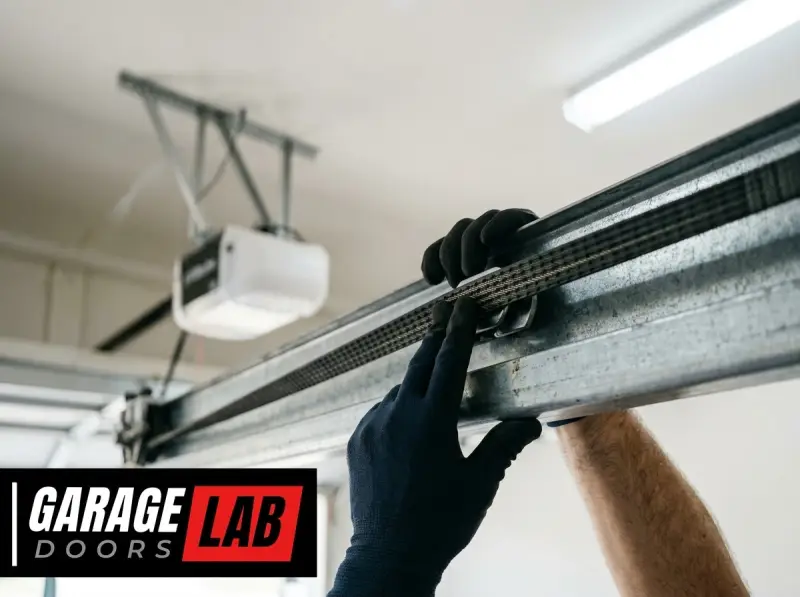
The durability of your belt drive garage door opener is a significant factor in its long-term value and convenience. Unlike older chain drive systems, belt drives offer a quieter and smoother operation, making them a popular choice for modern homes. But how long can you realistically expect this sophisticated piece of equipment to function without issues? Understanding the typical lifespan, the factors influencing it, and how to maximize its longevity can save you from unexpected breakdowns and costly repairs.
When considering the lifespan of a belt drive garage door opener, it’s crucial to look beyond just the motor itself. The entire system, including the belt, gears, and electronic components, plays a role. While many manufacturers offer warranties that hint at expected performance, real-world usage can vary.
This article will explore the average lifespan, what causes wear and tear, and the best practices for ensuring your belt drive opener serves your household reliably for years to come.
Key Takeaways
- Average Lifespan: Most belt drive garage door openers are engineered to last between 10 to 15 years, with many exceeding this if properly maintained.
- Key Components: The belt itself, the motor, and the gear assembly are critical to the opener’s longevity.
- Maintenance is Crucial: Regular lubrication, tension checks, and cleaning can significantly extend the opener’s life.
- Usage Patterns Matter: Heavy usage, such as frequent opening and closing, can reduce the lifespan compared to lighter use.
- Environmental Factors: Extreme temperatures, humidity, and dust can accelerate wear on internal components.
- Quality of Installation: Professional and correct installation is foundational for optimal performance and longevity.
- Signs of Wear: Pay attention to unusual noises, slower operation, or jerky movements as indicators of potential issues.
Understanding Belt Drive Garage Door Openers
Belt drive garage door openers use a steel-reinforced rubber belt to move the garage door. This belt is looped around a pulley on the motor and a trolley that moves along a rail, attached to the garage door. The motor turns the pulley, which in turn moves the belt and the trolley, thereby opening or closing the door. This system is favored for its quiet operation compared to the noisier chain drive openers, making it ideal for homes with living spaces located above or near the garage. The absence of metal-on-metal contact in the primary drive mechanism contributes to its smoother, more refined performance.
The core components that determine the lifespan of a belt drive opener include:
- The Drive Motor: This is the powerhouse of the opener. Its longevity depends on the quality of its construction, the efficiency of its cooling, and the load it’s subjected to. Higher-quality motors are often designed with better insulation and more robust windings.
- The Belt: The rubber belt is designed for durability, often reinforced with steel cords to prevent stretching and breaking. However, like any rubber component, it can degrade over time due to wear, exposure to lubricants, and temperature fluctuations.
- The Gear Assembly: Inside the motor unit, gears (often made of nylon or metal) transmit power from the motor to the belt pulley. Wear and tear on these gears can lead to noise, reduced efficiency, and eventual failure.
- The Rail and Trolley System: While not directly part of the drive mechanism, the smooth movement of the trolley along the rail is essential. Obstructions, lack of lubrication on the rail, or a misaligned rail can put extra strain on the motor and belt.

Credit: spectrumoverheaddoor.com
Average Lifespan Of Belt Drive Openers
The average lifespan for a well-maintained belt drive garage door opener typically falls between 10 to 15 years. This is a general guideline, and many units can last longer, while others may fail sooner. Several factors influence this range, including the quality of the manufacturing, the intensity of its use, and the diligence of its maintenance.
Several studies and industry reports suggest that modern garage door openers, including belt drives, are built to last. For instance, some manufacturers offer warranties of up to 10 years on the motor, which is a good indicator of their expected performance.
However, warranty periods do not always reflect the absolute maximum lifespan. In my experience, openers that are part of a robust maintenance schedule often push past the 15-year mark.
Usage Frequency is a significant determinant. An opener in a home with multiple vehicles and frequent comings and goings will naturally experience more cycles than one in a single-car garage with infrequent use. Each cycle, the motor works, the belt moves, and components experience stress.
Environmental conditions also play a role. Garages that are uninsulated and exposed to extreme heat or cold can put a strain on the motor and belt. High humidity can lead to corrosion on metal parts, while dust and debris can interfere with the smooth operation of the trolley and rail.
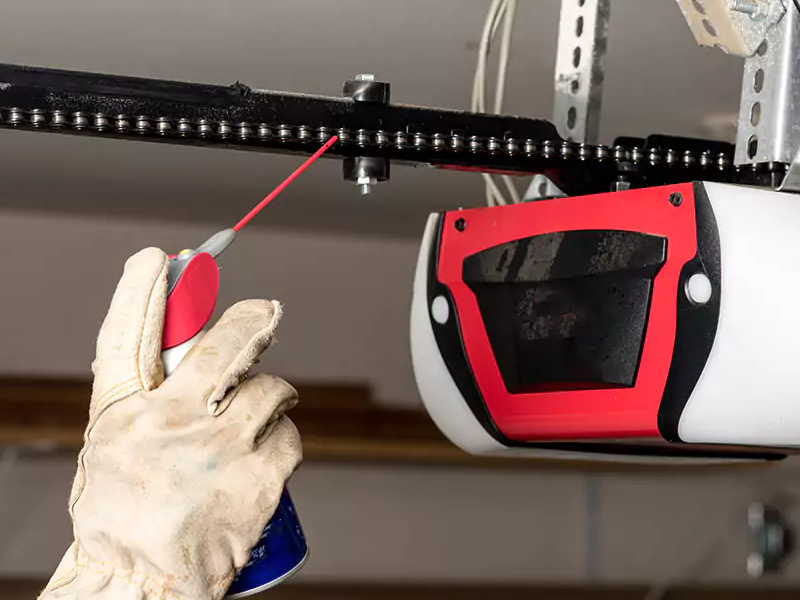
Credit: www.precisiondoor.net
Factors Influencing Longevity
Several specific factors can significantly impact how long your belt drive garage door opener will serve you reliably. Understanding these elements allows you to proactively address potential issues and extend the operational life of your system.
Quality Of Manufacturing And Brand Reputation
The brand and model of your belt drive opener matter. Reputable manufacturers like LiftMaster, Chamberlain, Genie, and Overhead Door invest heavily in research and development, using higher-quality materials and more robust engineering. This often translates to a longer lifespan and fewer mechanical issues.
- Premium Brands: Often use higher-grade steel for gears, more efficient motors, and more durable belt materials.
- Mid-Range Brands: Offer a good balance of performance and cost, typically meeting the 10-15 year average lifespan with proper care.
- Budget Brands: May cut corners on materials or motor efficiency, potentially leading to a shorter lifespan, though some can still perform well with diligent maintenance.
A quick look at customer reviews and warranty periods offered by different brands can provide insight into their perceived reliability. For example, a brand offering a 10-year motor warranty is generally signaling confidence in its product’s durability.
Usage Patterns And Load
The frequency and intensity of garage door operation directly affect wear and tear.
- High Frequency Use: Homes with multiple vehicles, busy schedules, or frequent deliveries will cycle the opener many times a day. This increased usage leads to faster wear on the motor, belt, and gears.
- Heavy Doors: If your garage door is particularly heavy (e.g., solid wood, insulated steel with multiple panels), it requires more force to lift and lower. This puts a greater load on the opener’s motor and drive system, potentially reducing its lifespan.
- Obstructions and Sticking: If the door encounters resistance while moving, perhaps due to misaligned tracks, stiff rollers, or debris, the opener has to work harder. This strain can overheat the motor and damage the belt or gears. It’s essential to ensure the door moves freely on its tracks. You can check this by disengaging the opener and manually moving the door.
Maintenance And Lubrication
Regular maintenance is arguably the most critical factor in maximizing the lifespan of any garage door opener, including belt drives. Neglecting maintenance can lead to premature failure of components.
- Belt Tension: The belt needs to be properly tensioned. Too loose, and it can slip or jump off the pulley. Too tight, and it can put excessive strain on the motor and the belt itself, leading to premature wear or breakage. Most manufacturers recommend checking belt tension annually.
- Lubrication: While the belt itself doesn’t typically require lubrication (it’s usually a self-lubricating rubber compound), other moving parts do. The rail and trolley mechanism should be kept clean and lightly lubricated to ensure smooth travel. Over-lubricating can attract dust and debris, which can gum up the works. For detailed guidance, refer to resources on lubricating garage door rollers and tracks.
- Cleaning: Dust, dirt, and debris can accumulate on the belt, pulley, and rail. This can cause friction, noise, and accelerated wear. Regular cleaning with a dry or slightly damp cloth is recommended.
Environmental Conditions
The garage environment can significantly impact the opener’s components.
- Temperature Extremes: Very high temperatures can degrade rubber components like the belt and motor insulation. Extreme cold can make lubricants viscous, increasing friction and strain on the motor.
- Humidity and Moisture: High humidity can lead to rust and corrosion on metal parts, including the internal gears and motor shaft, especially if the opener is not adequately protected. Water leaks in the garage can also damage electrical components.
- Dust and Debris: As mentioned, dust can accumulate and cause friction. In workshops or garages where sawdust or other fine particles are prevalent, this can be a significant issue.
Installation Quality
A professional and correct installation is the foundation for a long-lasting opener.
- Alignment: The opener rail must be perfectly aligned with the garage door and its tracks. Misalignment forces the trolley to bind, causing excessive wear on the belt, trolley, and motor.
- Secure Mounting: The opener unit and rail must be securely mounted to the garage structure. Loose mounting can cause vibrations and stress on the components.
- Correct Wiring: Proper electrical connections ensure the opener functions efficiently and safely, preventing strain on the motor due to power fluctuations.
A poorly installed opener, even with high-quality components, is prone to premature failure. Always ensure installation is performed by a qualified technician.
Signs Of Wear And Potential Failure
Early detection of wear and tear can prevent a minor issue from escalating into a major breakdown. Paying attention to how your belt drive opener sounds and behaves can provide valuable clues.
Unusual Noises
The hallmark of a belt drive opener is its quiet operation. If you start hearing new sounds, it’s a clear indicator that something is amiss.
- Squeaking or Grinding: This often points to a problem with the belt itself, such as fraying, or issues with the pulley or gear assembly. It could also indicate a lack of lubrication on the trolley or rail.
- Clicking: A repetitive clicking sound might suggest the belt is skipping teeth on the pulley or that the gears are worn and not engaging properly.
- Straining Sounds: If the motor sounds like it’s struggling or groaning, it could be due to excessive friction, a heavy load, or an internal motor issue.
Slowed Or Jerky Operation
A properly functioning opener should move the door smoothly and at a consistent speed.
- Sluggish Movement: If the door opens or closes significantly slower than it used to, the motor might be weakening, or there could be increased friction in the system (e.g., on the rail or within the trolley).
- Jerky Motion: Inconsistent movement, where the door stops and starts abruptly, often signals a problem with the belt’s integrity (e.g., a snag or damage) or issues with the trolley’s engagement with the rail. It can also be a sign of worn gears.
Belt Sagging Or Visible Damage
The belt is a critical component, and any visible issues with it are serious.
- Sagging Belt: A belt that sags significantly in the middle indicates it might be stretched beyond its optimal tension or is beginning to fail. This can lead to skipping or poor engagement.
- Fraying or Cracks: Inspect the belt for any signs of fraying along the edges, cracks in the rubber, or missing teeth on the pulley side. Any visible damage means the belt is compromised and likely needs replacement.
Opener Not Responding Or Intermittent Operation
If the opener is sometimes unresponsive or operates erratically, it could be an electrical issue or a mechanical problem.
- Remote Not Working Consistently: While this can sometimes be a remote battery issue or a programming problem (see how to reset Liftmaster remote or Craftsman remote reset), persistent issues might point to a failing logic board or motor.
- Door Stopping Mid-Travel: If the door stops unexpectedly and won’t continue without manual intervention, it could be a safety sensor issue, but it can also indicate the opener is encountering too much resistance or its internal mechanisms are failing.
Maximizing The Lifespan Of Your Belt Drive Opener
Proactive care and attention can significantly extend the service life of your belt drive garage door opener, potentially pushing it well beyond the average 10-15 year mark. The key lies in consistent maintenance and being observant of the system’s performance.
Regular Maintenance Schedule
Establishing and adhering to a regular maintenance schedule is paramount. This involves routine checks and specific tasks performed at set intervals.
- Monthly Checks:
- Listen for unusual noises during operation.
- Check the balance of the garage door: Disengage the opener and manually lift the door. It should stay open about halfway on its own and move smoothly. If it’s too heavy or drifts down, the springs may need adjustment or replacement, which affects the opener’s load.
- Inspect the door tracks and rollers for debris or damage.
- Annual Maintenance:
- Lubricate: Apply a light coat of garage door lubricant (silicone-based is often recommended) to the trolley mechanism and the rail where the trolley slides. Avoid over-lubricating, as this attracts dirt. Do NOT lubricate the belt itself. Refer to guides on lubricating rollers for comprehensive advice.
- Check Belt Tension: Ensure the belt is neither too loose nor too tight. Most systems have an adjustment mechanism on the motor unit or pulley. Consult your owner’s manual for specific instructions.
- Inspect the Belt: Look for signs of wear, fraying, or cracks.
- Tighten Hardware: Check and tighten any loose bolts or screws on the opener unit, rail, and mounting brackets.
- Test Safety Features: Ensure the auto-reverse and photo-eye sensors are functioning correctly.
Proper Usage Habits
How you and your family use the garage door opener can also contribute to its longevity.
- Avoid Overuse: While designed for regular use, try to minimize unnecessary cycles. For example, if you’re just popping out to the mailbox briefly, consider closing the garage door manually if it’s safe and convenient.
- Don’t Force It: Never try to open or close the door manually if the opener is engaged and struggling, unless you have properly disengaged the opener first. Forcing it against the opener’s motor can cause significant damage. Learn how to disengage and operate the door manually if needed.
- Clear Obstructions: Always ensure the path of the garage door is clear before operating it. Small objects left in the doorway can cause damage to the door, opener, or sensors.
Addressing Issues Promptly
Don’t ignore warning signs. Addressing minor issues quickly can prevent them from becoming major, costly repairs.
- Noises: If you hear new noises, investigate the cause. It might be as simple as needing lubrication or tightening a component, or it could signal a need for belt or gear replacement.
- Slowdowns: If the opener starts moving slower, check for obstructions, lubrication needs, or excessive load. If these don’t resolve it, the motor might be weakening.
- Intermittent Operation: If the opener is unreliable, check remote batteries, sensor alignment, and then consider electrical or motor issues. Sometimes, a simple reset of the opener’s logic board can resolve glitches. For specific brands, consult guides on resetting your garage door opener.
Considering Environmental Protection
If your garage is subject to harsh environmental conditions, take steps to mitigate their impact.
- Insulation: Insulating your garage can help maintain more stable temperatures, reducing stress on the opener’s motor and belt.
- Sealing: Ensure garage door seals are in good condition to prevent dust, moisture, and pests from entering and affecting the opener mechanism.
- Protective Covers: For some openers, protective covers are available that can shield them from excessive dust or moisture, especially in damp climates or garages used for workshops.
Belt Drive Vs. Chain Drive Vs. Screw Drive Lifespan
When evaluating the longevity of belt drive openers, it’s helpful to compare them with other common types: chain drive and screw drive openers. Each has its own strengths, weaknesses, and typical lifespan.
Belt Drive Lifespan
- Average Lifespan: 10-15 years.
- Key Advantages: Quiet operation, smooth ride.
- Key Considerations: Belts can degrade over time, though modern reinforced belts are very durable. Maintenance is crucial for belt tension and trolley lubrication.
Chain Drive Lifespan
- Average Lifespan: 10-15 years, sometimes even longer (up to 20 years is not unheard of for very robust models).
- Key Advantages: Very durable, reliable, generally less expensive than belt drives.
- Key Considerations: Noisier operation due to the metal chain moving along a metal rail. Requires periodic lubrication of the chain and rail. The chain itself can stretch or wear over time.
Screw Drive Lifespan
- Average Lifespan: 10-12 years.
- Key Advantages: Simple design, fewer moving parts than chain or belt, good for areas with extreme temperature fluctuations as there’s no rubber belt to degrade.
- Key Considerations: Can be noisier than belt drives (though often quieter than chain drives). The screw mechanism can accumulate dust and debris, requiring regular cleaning and lubrication. The trolley assembly can wear out.
Here’s a comparative table:
| Drive Type | Average Lifespan | Noise Level | Maintenance Requirements | Typical Cost (Opener Unit Only) | Key Failure Points |
|---|---|---|---|---|---|
| Belt Drive | 10-15 years | Very Quiet | Belt tension, trolley lubrication, cleaning | $$$ | Belt wear/breakage, motor, gear assembly |
| Chain Drive | 10-15+ years | Noisy | Chain lubrication, rail cleaning, tension | $$ | Chain wear/breakage, motor, gear assembly |
| Screw Drive | 10-12 years | Moderate | Screw rod cleaning/lubrication, trolley maintenance | $$$ | Screw rod wear, trolley, motor, coupling |
*Note: Cost is a general estimate and can vary significantly based on brand, features, and retailer.*
While chain drives might sometimes boast a slightly longer potential lifespan in ideal conditions, belt drives offer superior quietness without sacrificing substantial durability. Screw drives, while simple, can have a slightly shorter average lifespan due to the nature of the screw mechanism’s wear.
For most homeowners prioritizing a quiet operation and a good balance of longevity, the belt drive remains an excellent choice, provided it receives consistent maintenance.
When To Consider Replacement
There comes a time when even the best-maintained garage door opener needs replacement. Recognizing these signs can save you from being stranded or dealing with a sudden, potentially hazardous failure.
Major Component Failure
If a critical component fails, the cost of repair might approach or exceed the cost of a new opener.
- Motor Burnout: If the motor makes unusual noises, smells like burning, or stops working entirely, replacement is often the most cost-effective solution, especially if the unit is already several years old.
- Belt Breakage: While a broken belt can be replaced, if the opener is old, the motor or gears might be close to failure anyway. A sudden belt break also leaves your garage door inoperable until fixed.
- Gear Stripping: If the internal gears are stripped, it usually means the motor has been working under excessive strain or has an internal fault. Repairing this is often complex and expensive.
Frequent Malfunctions And Repairs
If your opener starts requiring frequent service calls or minor repairs, it might be a sign of impending, more significant failure.
- Repeated Safety Sensor Issues: While sensor issues can sometimes be environmental (e.g., dirt, sunlight), if they persist and are accompanied by other problems, it could indicate a failing logic board or motor.