
Now Reading: Garage Door Opening But Not Closing
- 01
Garage Door Opening But Not Closing

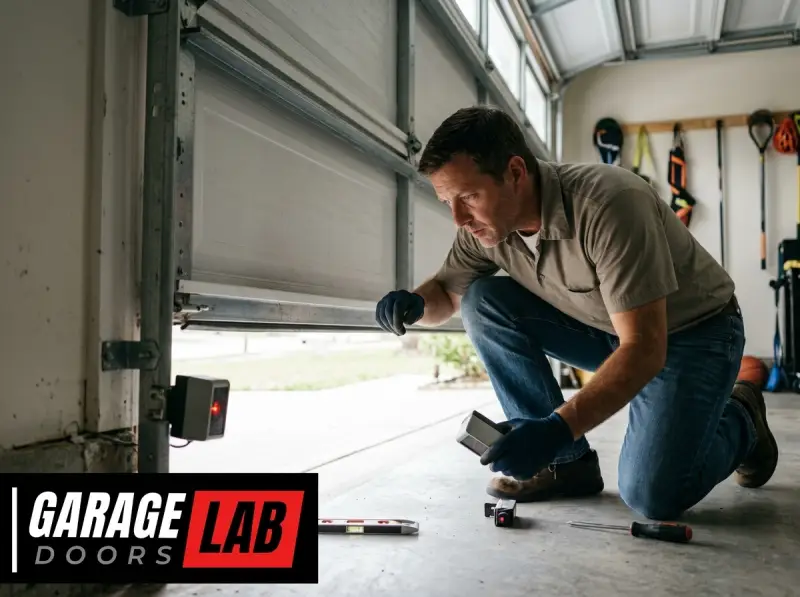
A garage door that opens but refuses to close is a frustrating and potentially inconvenient problem. It leaves your home vulnerable, your vehicle exposed to the elements, and can disrupt your entire day. This common malfunction can stem from a variety of issues, ranging from simple adjustments to more complex mechanical failures.
Understanding the potential causes is the first step toward diagnosing and resolving the problem, ensuring your garage door returns to its full functionality.
Key Takeaways
- Safety First: Always disconnect power and disengage the opener before attempting any manual checks or repairs.
- Common Culprits: Issues with the safety sensors, travel limits, drive chain/belt, remote control, or wall button are frequent causes.
- Obstruction Detection: The opener’s safety reversing mechanism might be triggered by an obstruction or misalignment.
- Mechanical Wear: Worn springs, cables, or rollers can prevent proper movement.
- Power Issues: A power surge or faulty wiring can sometimes cause erratic behavior.
- Professional Help: For complex issues, especially those involving springs or electrical components, contacting a qualified garage door technician is recommended.

Credit: www.youtube.com
Understanding Garage Door Opener Mechanics
Before diving into troubleshooting, it’s helpful to grasp the basic components and operation of an automatic garage door opener. Most modern openers utilize an electric motor to move the door along a track. This movement is controlled by a logic board that receives signals from a remote, keypad, or wall button. Crucially, safety features are built-in to prevent accidents. These include photoelectric sensors (safety eyes) near the bottom of the door and a force-setting mechanism that stops the door if it encounters resistance.
The opener typically operates via a trolley that moves along a drive rail, either pulling or pushing a drawbar attached to the top of the garage door. This trolley is propelled by a chain, belt, or screw drive. The opener also has limit settings that tell it when to stop at the fully open and fully closed positions. When the door opens successfully but fails to close, it indicates that the “open” command is being received and executed, but either the “close” command is not being processed correctly, or an internal safety mechanism is preventing the closing cycle.

Credit: garagedoorchamp.com
Diagnosing The Problem: Step-by-step Troubleshooting
When your garage door opens but won’t close, a systematic approach is crucial. Many issues can be resolved with basic checks and adjustments, saving you time and money. It’s vital to prioritize safety throughout this process.
1. Check For Obstructions And Debris
The most straightforward cause is often an object blocking the door’s path.
- Visual Inspection: Carefully examine the entire track from top to bottom. Look for anything that might be physically impeding the door’s movement, such as tools, bicycles, storage items, or even ice and snow in colder climates.
- Track Alignment: Ensure the tracks themselves are properly aligned. If they are bent, dented, or misaligned, the rollers could be getting stuck, triggering the opener’s safety mechanism.
- Rollers: Inspect the rollers. Are any damaged, cracked, or seized? If a roller is malfunctioning, it can cause the door to bind. You might need to lubricate them if they seem stiff; for detailed guidance, refer to how to lube garage door rollers.
2. Examine The Safety Sensors (photoelectric Eyes)
These small sensors, located near the bottom of the garage door tracks, are a critical safety feature. They project an invisible beam of light; if this beam is broken while the door is closing, the opener will immediately stop and reverse.
- Alignment Issues: The most common problem with safety sensors is misalignment. If they are knocked out of line, the beam is broken even when nothing is in the way, preventing the door from closing. Look for indicator lights on the sensors; typically, one light is solid (indicating power) and the other is solid when the beam is aligned. If the alignment light is off or blinking, they are not communicating.
- Debris: Dirt, dust, cobwebs, or even leaves can obstruct the sensors. Gently clean the lenses with a soft, dry cloth.
- Wiring: Check the wires leading to the sensors. Are they loose, damaged, or disconnected? A faulty connection can interrupt the signal.
- Testing: Try to manually bypass the sensors (temporarily, for testing purposes only). Some openers allow you to press and hold the wall button to force a close. If the door closes with the button held down, the sensors are almost certainly the issue. Warning: Never bypass safety sensors for regular operation; this is a severe safety hazard.
3. Inspect The Travel Limits And Force Settings
Every garage door opener has travel limits that tell it how far to open and close. It also has force settings that determine how much force the opener will exert before stopping.
- Travel Limits: If the travel limit for the closing position is set too high, the opener might think the door is fully closed when it’s not, or it might stop prematurely. If the door opens fine but won’t close completely, it could be that the closing limit needs adjustment. Consult your opener’s manual for specific instructions, as the process varies by manufacturer and model (e.g., adjusting a Chamberlain opener).
- Force Settings: An incorrectly set force setting can also be a culprit. If the force is set too low, the opener might stop and reverse upon encountering even slight resistance, such as a stiff roller or a minor track misalignment. If it’s set too high, it could damage the door or opener if an obstruction is present. Adjusting these settings requires caution. Again, refer to your owner’s manual.
4. Examine The Drive Mechanism (chain, Belt, Or Screw)
The drive mechanism connects the motor to the trolley that moves the door.
- Chain/Belt Tension: Over time, the chain or belt can become slack. A loose chain or belt might slip, preventing the trolley from moving the door effectively or causing it to stop. Check the tension and refer to guides on adjusting the chain if necessary.
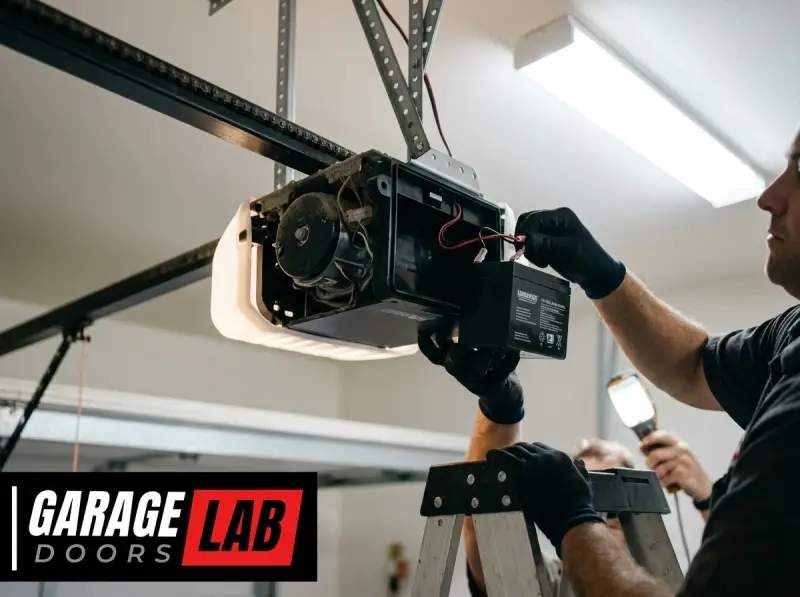
- Broken Sprocket/Gear: The sprocket or gear that drives the chain or belt could be stripped or broken. This is a more serious mechanical issue that often requires replacing parts within the opener head.
- Lubrication: While not directly causing the “open but not close” issue, lack of lubrication on the drive mechanism (and the door itself) can increase strain, potentially triggering force limits.
5. Troubleshoot The Remote Control And Wall Button
The signal to open and close the door originates from either your remote control or the wall button.
- Remote Issues:
- Battery: A weak battery in the remote is a common cause of one-way functionality. Try replacing the battery.
- Range: You might be too far from the opener unit.
- Programming: The remote may have become unpaired from the opener. Reprogramming the remote is often necessary. Refer to guides like how to reset a Liftmaster remote or how to reset a Craftsman remote.
- Interference: Other electronic devices can sometimes interfere with the remote signal.
- Wall Button Issues:
- Wiring: Check the wiring connecting the wall button to the opener unit. Loose connections or damaged wires can prevent the closing signal from reaching the logic board.
- Stuck Button: Ensure the wall button isn’t physically stuck in the depressed position.
- Faulty Button: The button itself might be malfunctioning.
6. Check The Logic Board And Power Supply
The logic board is the “brain” of the garage door opener.
- Power Cycling: Sometimes, a simple power cycle can resolve temporary glitches. Unplug the opener, wait a minute, and plug it back in. You might also need to reset the opener itself. Check guides on how to reset your garage door opener.
- Power Fluctuations: Power surges or brownouts can sometimes corrupt the logic board’s programming or cause erratic behavior.
- Logic Board Failure: If other troubleshooting steps fail, the logic board itself might be damaged and require replacement. This is typically a job for a professional.
7. Consider The Garage Door Springs And Cables
While less common for the “opens but won’t close” scenario specifically, issues with torsion springs or extension springs, and cables, can indirectly cause problems.
- Broken Spring: A broken spring will make the door extremely heavy. While the opener might be able to lift it (open), it might not have enough power to close it against the increased weight, or it might trigger the safety limits due to the strain. Warning: Garage door springs are under immense tension and can cause serious injury. Never attempt to repair or replace springs yourself unless you have specific training.
- Snapped Cable: Similarly, a snapped cable can cause the door to hang unevenly, leading to binding and potentially triggering safety mechanisms. Like springs, cables are dangerous to handle without expertise.
Specific Scenarios And Troubleshooting Steps
Let’s look at a few common scenarios where a garage door opens but won’t close and the most likely culprits.
Scenario 1: Door Opens, Closes Partially, Then Reverses
This is a classic sign that the safety reversing mechanism is being triggered.
- Likely Cause: Obstruction in the path, misaligned safety sensors, or travel limits set incorrectly.
- Action:
- Clear the Path: Thoroughly inspect the entire length of the door’s travel path for any objects.
- Check Sensors: Ensure safety sensors are clean, aligned, and their indicator lights are functioning correctly.
- Adjust Limits: If no obstructions are found and sensors are fine, check and adjust the closing travel limits and force settings according to your opener’s manual.
Scenario 2: Door Opens, But Nothing Happens When Pressing Close Button (remote Or Wall)
This suggests the closing signal isn’t being received or processed.
- Likely Cause: Dead remote battery, unpaired remote, faulty wall button, or a problem with the opener’s receiver or logic board.
- Action:
- Test Remote: Replace the remote battery. Try using a different remote if you have one.
- Test Wall Button: Try operating the door using the wall button. If the wall button works but the remote doesn’t, the issue is with the remote or its programming. If neither works, the problem lies further upstream.
- Reprogram Remote/Keypad: If the remote isn’t working, try reprogramming it. Refer to guides like how to reprogram a Genie keypad or how to reset a garage door keypad.
- Check Wiring: Inspect wiring to the wall button.
- Power Cycle/Reset: Try power cycling the unit and performing a full reset of the opener.
Scenario 3: Door Opens, Makes A Grinding Noise, Then Stops Closing
This points towards a mechanical issue within the opener itself or the door’s moving parts.
- Likely Cause: Worn or stripped gears in the opener, a loose or damaged chain/belt, or a binding door mechanism (rollers, tracks).
- Action:
- Listen Carefully: Try to pinpoint the source of the grinding noise. Is it coming from the motor unit, or from the door tracks?
- Inspect Drive Mechanism: Check the chain/belt tension and condition. Look for any signs of damage to gears or sprockets within the opener head.
- Inspect Door Mechanism: Ensure rollers are moving smoothly in the tracks and that the tracks are clear and aligned. Lubricate rollers if necessary.
- Professional Diagnosis: Grinding noises often indicate internal motor or gear issues that usually require professional repair or replacement of the opener unit.

Credit: www.homedepot.com
When To Call A Professional
While many garage door issues can be tackled with DIY troubleshooting, some problems are best left to the experts. Safety is paramount, especially when dealing with the high-tension components of a garage door system.
- Springs and Cables: As mentioned, torsion springs and cables are under extreme tension. A broken spring or cable can cause the door to fall suddenly and dangerously. Attempting repairs without the proper tools and expertise can lead to severe injury.
- Electrical Components: If you suspect the logic board or other complex electrical components are faulty, a qualified technician has the diagnostic tools and knowledge to safely assess and replace them.
- Persistent Issues: If you’ve gone through the basic troubleshooting steps and the problem persists, it’s wise to call a professional. They can quickly identify underlying issues that may not be obvious.
- Heavy or Damaged Doors: If your garage door is particularly old, heavy, or shows signs of significant wear and tear, it might be beyond simple opener adjustments. A professional can assess the overall condition of the door system.
The cost of a professional service call can vary, but it’s often a worthwhile investment for safety and peace of mind. Typical costs for repairs might range from $100-$300 for minor adjustments or sensor replacements to $300-$700 or more for spring replacements or opener motor issues. This is significantly less than the potential cost of injury or further damage. For context on overall garage door expenses, you can look into how much a garage door costs.
Maintenance Tips To Prevent Future Issues
Regular maintenance can significantly reduce the likelihood of your garage door malfunctioning. A proactive approach saves you from inconvenient breakdowns and costly emergency repairs.
- Lubrication: Regularly lubricate the rollers, hinges, and track (avoiding the track teeth for the opener chain). A quality garage door lubricant spray is ideal. This ensures smooth movement and reduces strain on the opener. Aim to do this at least twice a year, or more if you live in a harsh climate.
- Inspections: Periodically inspect the springs, cables, rollers, and tracks for signs of wear, rust, or damage. Check that bolts and screws are tight.
- Sensor Cleaning: Keep the safety sensors clean and free of debris. Wipe them down monthly.
- Opener Checks: Test the safety reversal system monthly. Place a piece of wood (like a 2×4) on the floor in the door’s path. When the door hits it while closing, it should automatically reverse. If it doesn’t, the force settings or safety sensors need adjustment.
- Weather Seals: Ensure your weather seals are intact and properly sealing the bottom of the door. Damaged seals can lead to water or debris entering the garage, potentially causing issues.
Frequently Asked Questions
Why Does My Garage Door Opener Work In The Up Direction But Not Down?
This usually indicates an issue with the closing safety mechanism. The most common culprits are misaligned or obstructed safety sensors (photoelectric eyes) near the bottom of the tracks. If these sensors detect a break in the beam, the opener will prevent the door from closing. Other possibilities include incorrect travel limit settings for the down position or a problem with the wall button or remote control specifically for the close command.
Can I Manually Open My Garage Door If The Opener Isn’t Working?
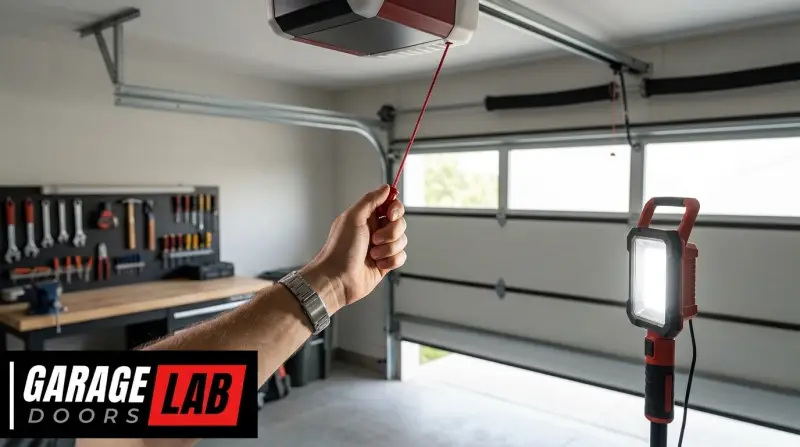
Yes, most automatic garage door openers have a manual release mechanism. You typically pull a red emergency release cord hanging from the opener’s trolley. This disengages the opener from the door, allowing you to lift or lower it by hand. Remember to re-engage the opener once the issue is resolved. For detailed steps, consult how to open a garage door manually.
How Much Does It Cost To Fix A Garage Door That Opens But Won’t Close?
The cost varies significantly depending on the cause. Simple fixes like cleaning or realigning safety sensors, replacing a remote battery, or adjusting travel limits might cost very little or be a DIY task. Replacing safety sensors could cost $100-$200. Issues with the drive chain/belt or logic board might range from $200-$500. The most expensive repairs often involve springs or motors, which can cost $300-$700 or more. Always get a detailed quote from a reputable technician.
What Are The Common Causes For A Garage Door Opener Safety Reversing?
The safety reversing mechanism is designed to stop and reverse the door’s travel if it encounters an obstruction or if the force settings are improperly calibrated. Common causes include:
- Obstructions: Anything physically blocking the door’s path (debris, toys, etc. ).
- Misaligned Safety Sensors: The photoelectric eyes are not properly aligned, breaking the beam.
- Binding Door: Rollers stuck in tracks, bent tracks, or lack of lubrication causing friction.
- Incorrect Force Settings: The opener is set to reverse with too little force.
- Worn Door Components: Damaged springs or cables can make the door heavier or unbalanced, triggering the safety reversal due to increased strain.
Should I Try To Fix The Garage Door Opener Myself Or Call A Professional?
For minor issues like cleaning sensors, replacing remote batteries, or even reprogramming remotes and keypads (using guides like how to reset garage door remote), DIY is often feasible and cost-effective. However, if the problem involves garage door springs, cables, the opener motor, or the logic board, it is strongly recommended to call a qualified professional. These components are under high tension or involve complex electrical systems, and attempting repairs without proper knowledge and tools can be dangerous and lead to further damage.
When your garage door opens reliably but refuses to close, it presents a significant inconvenience and potential security risk. By systematically working through the potential causes, from simple obstructions and sensor issues to more complex mechanical or electrical problems, you can often identify and resolve the fault.
Remember to always prioritize safety, especially when dealing with high-tension components or electrical systems. Regular maintenance is your best defense against future malfunctions, ensuring your garage door operates smoothly and reliably for years to come. If you encounter issues beyond basic troubleshooting, don’t hesitate to enlist the expertise of a professional garage door technician.