
A garage door is more than just an entryway for your car. It protects your home, adds to your property’s value, and keeps your family safe. Many people do not think about their garage door until it breaks or stops working. But one important question every homeowner should ask is: How long do garage doors last? Understanding this can help you plan for repairs, maintenance, and replacement, saving you time and money in the long run.
The lifespan of a garage door depends on several factors: the type of material, how often you use it, the quality of installation, and how well you take care of it. Some garage doors can last 10 years, while others perform well for 30 years or more. In this guide, you will learn what really affects garage door lifespan, warning signs that your door needs help, and tips to make your garage door last as long as possible. Whether you are buying a new door or trying to keep your current one working smoothly, this article will give you clear, useful answers.
What Affects The Lifespan Of A Garage Door
Many homeowners believe a garage door will last as long as the house itself. That’s rarely true. Garage doors have moving parts, face changing weather, and get daily use. Here are the main things that affect how many years you can expect from your garage door:
1. Material
Garage doors are made from different materials. Each has its strengths and weaknesses.
- Steel: Strong, often resists dents and rust if painted or coated well. Can last 20–30 years with good care.
- Wood: Natural beauty, but needs regular painting or staining. Without care, it can rot or warp in less than 15 years. With maintenance, 20+ years is possible.
- Aluminum: Light and rust-resistant, but can dent easily. Lifespan is usually 20–25 years.
- Fiberglass: Good in salty or humid climates. Can yellow or crack over time. Usually 15–20 years.
- Vinyl: Durable and resists dents, but can fade in sun. Typically lasts 20–30 years.
A small but important detail: cheaper, thinner steel doors or plastic panels often wear out much faster than thick, insulated models.
2. Usage Frequency
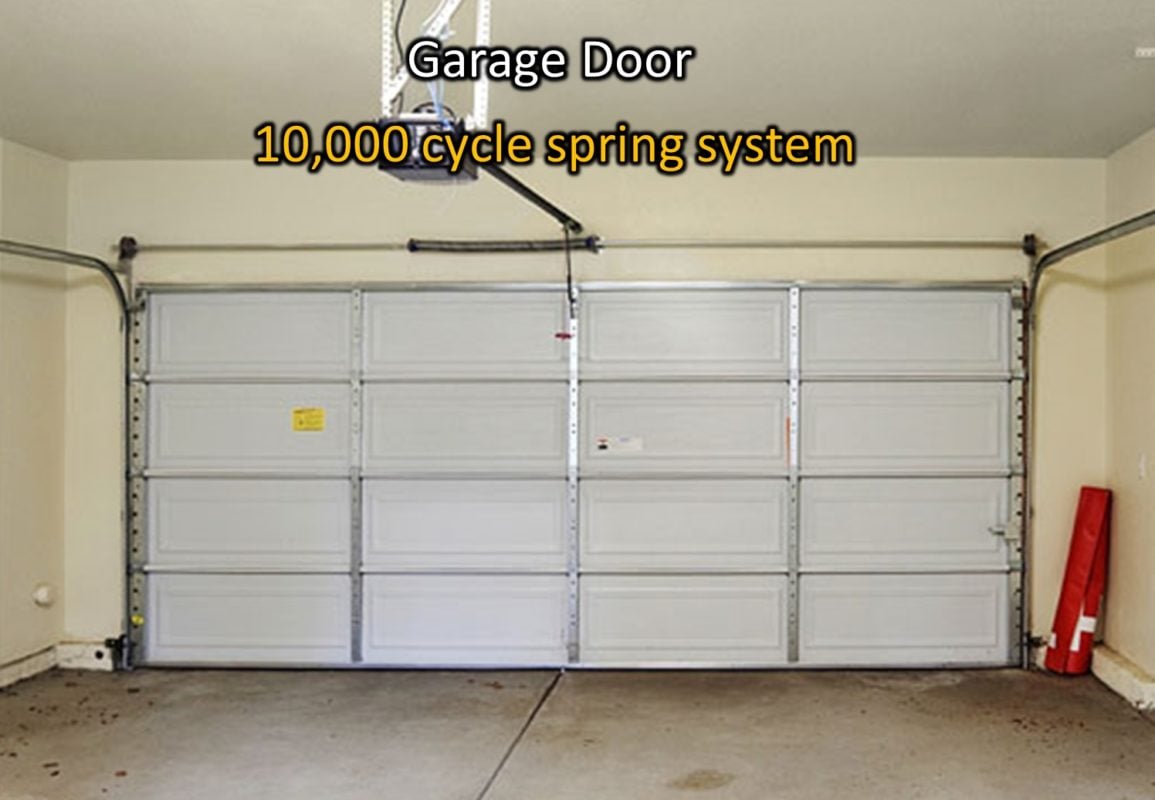
A garage door’s life is usually measured in cycles. One cycle is a single open and close. Most garage doors are rated for 10,000 cycles. If you open and close your door four times a day, that’s about 2,920 cycles a year—so the springs could last a little over 3 years if you don’t replace them. But most doors can last longer if you replace the springs when needed.
High-use doors—such as those for commercial garages or large families—wear out faster. For example, opening your door 10 times a day means you reach 10,000 cycles in under 3 years.
3. Climate And Weather
Weather can shorten or extend garage door life. In humid or coastal areas, rust and corrosion can damage metal parts. In cold places, wood can warp or crack. Direct sun can fade or weaken some materials, especially vinyl and fiberglass. Extreme heat or cold also affects the rubber seals, paint, and moving parts.
4. Quality Of Installation
A garage door that is installed correctly will last much longer. Poor installation can cause the door to be unbalanced, which wears out the opener, tracks, and springs faster. Always hire a trained installer, and check reviews before you choose.
5. Maintenance
Regular maintenance is the most important thing you can do to extend your door’s life. Lubricating the springs and hinges, checking the balance, and replacing worn weatherstripping can add years to your garage door. Neglecting maintenance is a common mistake that shortens door life.
Non-obvious insight: Many people forget to clean their garage door tracks. Dirt and small debris can cause the rollers to jam and wear out faster, leading to expensive repairs.
6. Quality Of Components
The garage door is not just a panel. The springs, rollers, hinges, cables, and opener each have their own lifespans. Cheap or low-quality parts fail sooner. Investing in heavy-duty springs or ball-bearing rollers can extend the overall lifespan.
7. Accidents And Damage
Backing into your garage door or hitting it with a lawnmower can cause dents or bend the tracks. Even a small accident can weaken the door’s structure and shorten its life. Sometimes, insurance will cover these repairs, but not always.
How Long Do Different Types Of Garage Doors Last?
Let’s look at the average lifespan for each main type of garage door, so you can compare and plan.
| Material | Average Lifespan (years) | Maintenance Level | Climate Suitability |
|---|---|---|---|
| Steel | 20–30 | Medium | All climates (if painted) |
| Wood | 15–25 | High | Dry, mild climates |
| Aluminum | 20–25 | Low | Humid, coastal |
| Fiberglass | 15–20 | Low-Medium | Coastal, humid |
| Vinyl | 20–30 | Low | All, but can fade in sun |
Important: These numbers are averages. With excellent care, some doors last longer. With poor care, some fail much earlier.
Insulated Vs. Non-insulated Doors
Insulated doors tend to last longer because the extra layers add strength and protect against weather damage. If you live in a place with extreme temperatures, an insulated door is a smart investment.
Custom And Specialty Doors
Custom wood or glass doors may need more maintenance and may not last as long as standard steel or vinyl doors. Always ask the manufacturer about lifespan before buying a specialty door.

The Lifespan Of Garage Door Parts
The door panel itself can last decades, but what about the moving parts? Here’s a closer look at what to expect:
| Garage Door Part | Average Lifespan | Key Maintenance |
|---|---|---|
| Springs (torsion/extension) | 7–12 years (10,000 cycles) | Lubricate and check tension |
| Rollers (plastic/steel/nylon) | 2–20 years | Lubricate, replace if noisy |
| Cables | 8–15 years | Inspect for fraying |
| Hinges | 10–15 years | Lubricate, tighten screws |
| Opener | 10–15 years | Check gears, sensors, chain |
| Weatherstripping | 5–10 years | Replace if cracked |
Non-obvious insight: Rollers are often the first part to fail, especially if you use your garage door as the main entry to your home. Upgrading to nylon or ball-bearing rollers can reduce noise and last longer than cheaper plastic ones.
Signs Your Garage Door May Need Replacement
Some garage doors last longer than expected. But, there are clear signs that it’s time to think about replacing your door:
- Frequent breakdowns: If you are calling for repairs every few months, it is usually more cost-effective to replace the door.
- Excessive noise: Loud grinding, squeaking, or rattling that doesn’t go away with lubrication can mean worn rollers or tracks.
- Sagging or warping: Wood doors, in particular, can sag over time. If the door looks uneven or sticks often, the structure may be failing.
- Rust or cracks: Rust on steel doors or cracks in fiberglass/wood are signs that the door is weakening.
- Poor energy efficiency: Old, uninsulated doors let in heat, cold, and drafts, increasing your energy bills.
- Outdated safety features: Modern garage doors have safety sensors and auto-reverse. If your door lacks these, it may be unsafe for children and pets.
- Visible damage: Large dents, holes, or bent panels can affect the balance and function of the door.
- Difficulty opening or closing: If your door is heavy, hard to move, or sticks, it could be at the end of its life.
Experience-based advice: Many homeowners wait too long to replace their garage door, thinking repairs will be cheaper. But frequent repairs quickly add up—sometimes, a new door is actually the smart financial choice.

How To Make Your Garage Door Last Longer
You can get the most out of your garage door by following some simple, but effective, habits:
1. Schedule Annual Maintenance
Have a professional check your door once a year. They will lubricate moving parts, check the balance, and spot small problems before they become big ones.
2. Lubricate Key Parts
Every six months, add a silicone-based lubricant to the springs, rollers, hinges, and tracks. This reduces friction and prevents wear.
3. Clean The Tracks
Use a damp cloth to wipe away dirt and debris from the tracks. Never use grease or oil on the tracks themselves—this attracts more dirt.
4. Inspect And Replace Weatherstripping
Check the rubber seals on the bottom and sides of your door. If they are cracked, hard, or missing pieces, replace them. This keeps out water, bugs, and drafts.
5. Paint And Protect
If you have a wood or steel door, repaint or reseal it every few years. This protects against moisture, rust, and sun damage. For steel doors, use a rust-inhibiting primer first.
6. Test Safety Features
Modern doors have auto-reverse and photoelectric sensors. Test these every few months by placing a small object in the door’s path. If the door doesn’t reverse, call a technician.
7. Avoid Diy Spring Repairs
The springs on your garage door are under high tension and can be dangerous. Always hire a pro for spring or cable replacement.
8. Open And Close Gently
Don’t force your door open or closed. If it sticks, check for debris or call for service. Forcing it can damage the opener or bend the tracks.
9. Upgrade Worn Parts
If you hear grinding or see rust, upgrade to better rollers or heavy-duty springs before the whole system fails.
Extra tip: If your garage is attached to your home, consider an insulated door. It makes a big difference for comfort and energy savings.
Cost Comparison: Repair Vs. Replacement
Many people wonder if it is better to fix their old garage door or buy a new one. Here’s a simple breakdown to help you decide:
| Repair/Replacement | Average Cost (USD) | When to Choose |
|---|---|---|
| Replace springs | $150–$350 | Springs are worn, but door is in good shape |
| Replace rollers | $100–$200 | Noisy or stuck, but door is solid |
| Replace opener | $300–$500 | Opener is slow, noisy, or not working |
| Full door replacement | $800–$2,500+ | Old, damaged, or unsafe door |
Straight-to-the-point guidance: If your door is over 20 years old, hard to open, and needs frequent repairs, replacement is usually the best long-term choice. If only one part is failing and the rest of the door is strong, repair may be enough.
Common Mistakes That Shorten Garage Door Life
Some mistakes can cut years off your garage door’s lifespan. Avoid these common errors:
- Ignoring small problems: A noisy door or slow opener often means a small part is failing. Fix it early to avoid bigger costs.
- Skipping maintenance: Many people never oil the hinges or check the springs. This leads to faster wear.
- Using the garage as the main entry: Every cycle counts. If possible, use your front door to save cycles for the garage door.
- Letting water pool by the door: Poor drainage can rot wood or rust metal at the bottom of the door.
- DIY repairs on high-tension parts: Springs and cables can cause injury. Always hire a pro for these jobs.
Insider tip: If you live in a salty coastal area, wash your garage door with fresh water every few months to remove salt and prevent rust.
When Is It Time To Replace Your Garage Door Opener?
Even if your door panel is in good shape, the opener itself may wear out first. Here are signs you might need a new opener:
- The door opens slowly or not at all
- The motor makes grinding or buzzing noises
- The opener is more than 15 years old
- The remote control or wall switch is unreliable
- The safety sensors do not work
Modern openers are safer, quieter, and have smart features like smartphone control. If you want more convenience or better security, an opener upgrade may be worthwhile.
The Hidden Value Of A New Garage Door
Replacing your garage door is not just about safety or convenience. According to the 2023 Cost vs. Value Report, a new garage door has one of the highest returns on investment for home improvements—sometimes over 100%. That means you could recover nearly every dollar you spend when you sell your home.
A new door also boosts curb appeal, improves insulation, and gives you peace of mind. Plus, modern designs can match any style, from classic carriage house to sleek modern glass.
Should You Repair Or Replace? A Quick Checklist
Ask yourself these questions:
- Is the door more than 20 years old?
- Has it needed more than two repairs in the last year?
- Does it lack safety features?
- Is it sagging, rusting, or badly dented?
- Are your energy bills rising because the door is drafty?
If you answered “yes” to two or more, replacement is usually smarter.
What To Look For When Choosing A New Garage Door
When the time comes to buy a new garage door, keep these factors in mind:
- Material: Choose what fits your climate and style.
- Insulation: For attached garages or cold climates, pick an insulated door.
- Safety: Make sure it has auto-reverse and photo sensors.
- Style: Match your home’s look with color and window options.
- Warranty: A longer warranty often means better parts and workmanship.
- Installer reputation: Ask for reviews and references.
Don’t make the mistake of buying the cheapest door. Better doors cost more up front, but they last longer and have fewer problems.
For more about garage door materials, you can visit the Wikipedia Garage Door article.
Frequently Asked Questions
How Often Should I Replace My Garage Door?
Most garage doors last 20 to 30 years if maintained well. If your door is older, hard to open, or lacks modern safety features, it’s time to consider a replacement.
What Is The Most Durable Type Of Garage Door?
Steel and vinyl doors are usually the most durable. Steel resists dents and weather with proper coating, while vinyl is tough and resists rust, dents, and cracks.
Can I Extend My Garage Door’s Life With Regular Maintenance?
Yes. Lubricating moving parts, cleaning tracks, and inspecting weatherstripping at least twice a year can add several years to your door’s life.
Are Garage Door Openers Included In The Lifespan Estimate?
No. The opener usually lasts 10–15 years, less than the door itself. It may need to be replaced once or twice during the life of your door.
What Are The Signs My Garage Door Is Unsafe?
Warning signs include missing safety sensors, sudden drops, loud noises, or doors that won’t reverse when blocked. If you see these, call a pro right away.
A well-maintained garage door can serve your family for decades, adding value, safety, and convenience to your home. With a little care and smart decisions, you can make sure your garage door lasts as long as possible.