
Keeping your garage door running smoothly is not just about convenience—it’s also about safety and extending the life of your investment. One of the most overlooked but essential tasks is lubricating garage door rollers. Many homeowners ignore this simple job, only to face noisy, jerky doors or even roller failure later.
If you’ve ever wondered how to lubricate garage door rollers the right way, this guide will walk you through every step with clear advice, practical tips, and real-life insights.
Why does this matter? A poorly lubricated garage door can lead to extra wear, sudden breakdowns, and expensive repairs. Worse, it can even pose a safety risk if the door jams or comes off track. The good news is, with the right approach, anyone can tackle this job—and the results are noticeable immediately.
Let’s get started and make your garage door glide like new.
Understanding Garage Door Rollers
Before you grab a can of lubricant, it helps to know what garage door rollers are and why they matter. Garage door rollers are small wheels that run inside the metal tracks on either side of your garage door. They let the door move up and down smoothly and support the door’s weight.
There are three main types of rollers you’ll find in homes:
- Plastic rollers – These are the most basic and usually found on low-budget or builder-grade doors. They are quiet but wear out quickly, usually lasting only 2-3 years.
- Steel rollers – Strong and common, these can last 5-7 years, but they need regular lubrication to prevent rust and noise. Some have ball bearings for smoother motion.
- Nylon rollers – These are quiet and durable, often lasting 10-15 years. Many come with ball bearings, which need lubrication.
Each type has different care needs, but all benefit from proper lubrication.
How Rollers Affect Door Performance
Worn or dry rollers can cause:
- Loud noises during opening or closing
- Jerky motion or the door getting stuck
- Extra wear on other garage door parts
- Safety issues if the door comes off track
Regular lubrication is one of the easiest ways to avoid these problems.
Why Lubrication Is Important
Garage door rollers are in motion every time you use the door. Over time, dust and moisture can dry out the moving parts, causing friction. Lubrication reduces this friction, keeping everything moving smoothly.
Here’s why it matters:
- Reduces noise – No more squeaks or grinding sounds.
- Prolongs life – Lubricated rollers and tracks last longer.
- Improves safety – Smooth motion means less chance of sudden failure.
- Saves money – Prevents expensive breakdowns and repairs.
Many people think lubricating is a small job, but skipping it can mean replacing your entire garage door system years sooner than needed. Even new rollers should be lubricated every six months.

Tools And Materials You’ll Need
Lubricating garage door rollers isn’t complicated, but you need the right supplies. Here’s what you should have:
- Garage door lubricant (preferably lithium-based spray or silicone spray)
- Clean rag or cloth
- Gloves
- Step ladder (for tall doors)
- Protective eyewear (optional, but recommended)
- Small brush (old toothbrush works for cleaning)
- Vacuum cleaner (for dust and debris)
- Flathead screwdriver (to help remove built-up grime)
Not all lubricants are equal. Avoid using WD-40 or other household oils. These can attract more dust and gum up the rollers.
Comparison Of Lubricant Types
Here’s a look at common lubricants and how they perform:
| Lubricant Type | Best For | Pros | Cons |
|---|---|---|---|
| White Lithium Spray | Metal rollers, hinges | Long-lasting, resists moisture | Can be messy if over-applied |
| Silicone Spray | Nylon rollers, tracks | Clean, dust-resistant | May need more frequent reapplication |
| WD-40 | Loosening rust | Good cleaner | Not a true lubricant, collects dust |
For most garage doors, white lithium or silicone spray is best.
Preparing For Lubrication
Before you start lubricating, take a few minutes to get ready. Doing this makes the process smoother and safer.
Steps To Prepare
- Close the garage door – Work on the door when it’s shut for safety.
- Disconnect the opener – Pull the emergency release cord to disconnect the automatic opener. This prevents accidental activation.
- Put on gloves and, if desired, protective eyewear.
- Set up your ladder securely if you need to reach higher rollers.
- Clean the area – Use a vacuum and brush to remove dust and old grease from tracks and around the rollers.
Cleaning Rollers And Tracks
Don’t just spray lubricant on dirty rollers. Dirt and old grease can cause more friction if not cleaned first. Use a rag and a small brush to wipe away grime. For stubborn buildup, a flathead screwdriver can help scrape it off gently.
Pro tip: Many beginners forget to clean first. Spraying lubricant on dirty rollers just makes a sticky mess and attracts more dirt. Always clean before you lubricate.
Step-by-step Guide To Lubricating Garage Door Rollers
Now it’s time for the main job. Lubrication is simple but doing it carefully makes a big difference. Follow these steps:
1. Identify The Roller Type
Look at your rollers. If they are steel with exposed ball bearings, focus on lubricating the bearings. If they are nylon rollers with sealed bearings, do not lubricate the wheels—just the bearings if exposed.
2. Clean Around Each Roller
Use your brush and rag to clean each roller and the area where it sits in the track. Remove dirt, old grease, and cobwebs.
3. Apply Lubricant To The Roller Bearings
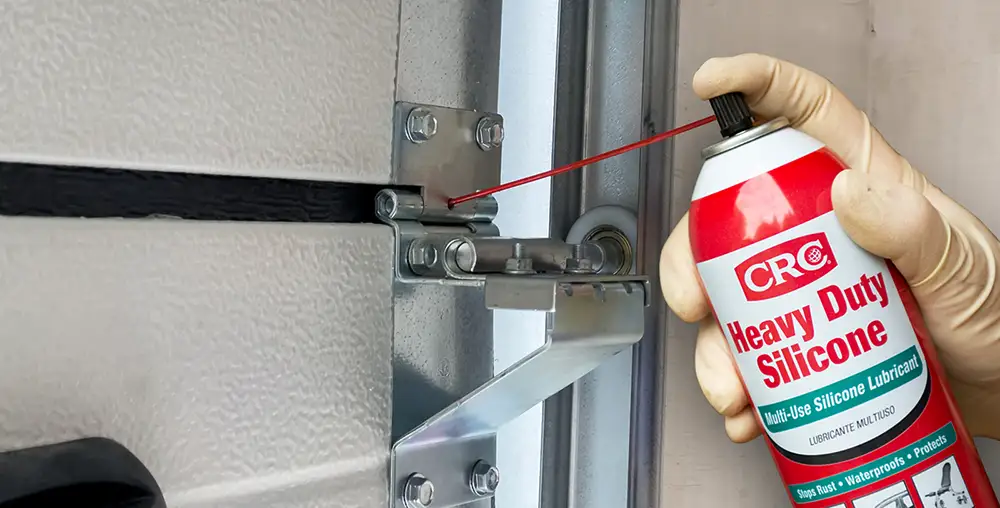
Hold the spray straw or nozzle close to the ball bearings at the center of the roller (not the wheel’s outer surface). Spray a small amount of lubricant directly onto the bearings. Spin the roller by hand to work the lubricant in.
Wipe away any excess that drips.
- For steel rollers with bearings: Lubricate the bearings thoroughly.
- For nylon rollers with exposed bearings: Lubricate the bearings only.
- For nylon rollers without bearings: Do not lubricate—just wipe clean.
4. Do Not Lubricate The Tracks
A common mistake is spraying lubricant all over the tracks. This is not needed and can attract dust. Only wipe the tracks clean with a dry cloth—never spray them with lubricant.
5. Lubricate All Hinges And Pivots
While you’re at it, spray a little lubricant on the hinges and pivot points between door sections. This helps the door fold smoothly.
6. Lubricate The Springs (optional)
If your garage door has torsion springs (above the door), a light spray of lubricant can help them last longer. Only do this if you can reach them safely.
7. Open And Close The Door
Once all rollers and hinges are lubricated, reconnect the opener and open/close the door several times. This spreads the lubricant evenly and lets you check for smooth operation.
8. Wipe Away Excess Lubricant
Any drips or puddles can attract dust. Use your rag to wipe away extra lubricant. The goal is a thin, even layer—no more.
Non-obvious insight: Some people rush and use too much lubricant, thinking “more is better.” This just causes buildup. A little goes a long way.
How Often Should You Lubricate Garage Door Rollers?
Regular maintenance is key to a quiet, reliable garage door. Most experts recommend lubricating rollers every six months. If you use your garage door more than four times a day, consider doing it every three months.
Some signs you should lubricate sooner:
- Squeaking or grinding noises return
- Door movement is not smooth
- After rain, snow, or dusty weather
Mark your calendar or set a phone reminder. Many people forget until there is a problem.

Mistakes To Avoid When Lubricating Garage Door Rollers
Even simple jobs have pitfalls. Avoid these common mistakes:
- Using the wrong lubricant – WD-40 or motor oil attracts dust. Use only lithium or silicone spray designed for garage doors.
- Over-lubricating – Too much lubricant is messy and can cause buildup.
- Ignoring cleaning – Lubricating dirty rollers just makes a paste of grime.
- Spraying the tracks – Tracks should be clean and dry, not slippery.
- Forgetting the hinges – Hinges also need lubrication for smooth folding.
- Not cycling the door after – Opening and closing the door spreads lubricant evenly.
Advanced tip: If your rollers are more than 10 years old, consider replacing them instead of just lubricating. Old, worn rollers can damage the tracks and opener.
When To Replace Rollers Instead Of Lubricate
Lubrication helps, but it can’t fix rollers that are worn out or damaged. Here’s how to know if it’s time to replace them:
- The roller wheel is cracked, flat, or misshapen
- The roller wobbles in the track
- Ball bearings are missing or falling out
- Lubrication does not make the door quieter or smoother
Replacing rollers is a DIY job for many people, but if you are unsure, call a professional.
Roller Replacement Cost Comparison
Here’s what you might expect to pay for different types of rollers:
| Roller Type | Average Cost (per set) | Expected Lifespan |
|---|---|---|
| Plastic | $10 – $20 | 2-3 years |
| Steel | $20 – $40 | 5-7 years |
| Nylon (with ball bearings) | $30 – $60 | 10-15 years |
Fact: High-quality nylon rollers are quieter and last longer than steel or plastic ones, making them worth the higher cost for many homeowners.
Safety Tips For Lubricating Garage Door Rollers
Working with garage doors is safe if you follow basic precautions:
- Always disconnect the opener before working.
- Use a stable ladder—never overreach.
- Wear gloves to protect your hands from grease and sharp edges.
- Don’t try to adjust the torsion spring unless you are trained—these are under high tension and can cause injury.
- Keep lubricant and tools away from children and pets.
If you feel unsure, don’t hesitate to call a professional garage door technician.
Signs Your Garage Door Needs Lubrication
Not sure if it’s time to lubricate? Look for these signs:
- The door squeaks or grinds when opening or closing.
- The door moves unevenly or shakes.
- You see visible dust or rust around the rollers or hinges.
- The door sticks or seems harder to open/close.
If you notice any of these, lubricate as soon as possible to prevent bigger problems.
Additional Tips For Smooth Garage Door Operation
Lubrication is important, but a few extra habits can help your door stay in top shape:
- Keep tracks clean – Wipe with a dry cloth every few months.
- Check for loose hardware – Tighten any bolts or screws if needed.
- Inspect weatherstripping – Replace if cracked or missing to keep out moisture.
- Test the door balance – Disconnect the opener and lift the door halfway. If it stays, the balance is good. If not, call a pro.
- Listen for changes – New noises or sticking mean it’s time to check rollers and hinges.
Lubrication Vs. Other Maintenance Tasks
Lubricating rollers is just one part of garage door care. Here’s how it compares to other tasks:
| Task | Frequency | DIY Difficulty | Result |
|---|---|---|---|
| Lubricate Rollers | Every 6 months | Easy | Quieter, smoother movement |
| Tighten Hardware | Yearly | Easy | Prevents rattling, increases safety |
| Replace Rollers | Every 7-10 years | Moderate | Restores smooth operation |
| Balance Door | Every 1-2 years | Moderate | Reduces opener strain |
Routine lubrication is the easiest way to keep your garage door in top condition with minimal effort.
Environmental Factors And Garage Door Lubrication
Not all climates are the same. Where you live can affect how often you need to lubricate your rollers:
- Humid climates – More frequent lubrication is needed to prevent rust.
- Dusty or sandy areas – Clean and lubricate more often to avoid buildup.
- Cold winters – Lubricant can thicken; use silicone spray which resists freezing.
Pro insight: If you live near the ocean, salt air can corrode metal quickly. Lubricate rollers and hinges every three months for best results.
Diy Vs. Professional Lubrication
Most homeowners can lubricate their garage door rollers themselves in under 30 minutes. However, if you:
- Have a very old or heavy door
- Notice serious damage or misalignment
- Are unsure about the process
…it’s wise to call a professional. A technician can also check the springs, opener, and balance, which adds peace of mind.
For most people, DIY lubrication is safe, fast, and saves money.
Real-life Examples: Before And After Lubrication
Let’s look at what happens when you lubricate your garage door rollers:
- Case 1: A homeowner in Texas reported loud squeaks every morning. After cleaning and lubricating the steel rollers, the noise disappeared, and the door moved noticeably smoother.
- Case 2: A family in Illinois had a garage door that would jerk and sometimes get stuck halfway. Lubricating the rollers and hinges solved the sticking problem instantly.
- Case 3: In Florida, a door rusted due to salty air. Frequent lubrication with silicone spray kept the rollers moving freely for years.
Insight: Many people wait until there’s a problem before lubricating. Doing it regularly prevents most issues before they start.
Common Questions And Myths About Garage Door Roller Lubrication
Many homeowners have questions about this simple task. Here are some common myths—and the truth:
- Myth: Lubricating the tracks makes the door smoother.
- Truth: Tracks should be clean, not slippery. Only lubricate rollers and hinges.
- Myth: WD-40 is a good garage door lubricant.
- Truth: WD-40 is a cleaner, not a long-lasting lubricant.
- Myth: All rollers need lubrication.
- Truth: Nylon rollers with sealed bearings do not require lubrication; others do.
- Myth: You need a lot of lubricant.
- Truth: A thin, even layer is enough.
Resources For Further Learning
Want to learn more about garage door maintenance? The Family Handyman offers step-by-step guides and videos.
Frequently Asked Questions
How Do I Know If My Garage Door Rollers Need Lubrication?
If you hear squeaking, grinding, or notice the door sticking, it’s time to lubricate the rollers. Also, check if you see rust or visible dust buildup. Regular lubrication every six months is a good rule, but noisy or rough operation means you should do it sooner.
Can I Use Wd-40 To Lubricate My Garage Door Rollers?
No, WD-40 is not a true lubricant. It is a cleaner and rust remover but does not provide lasting lubrication. It can also attract dust. Use a white lithium or silicone spray made for garage doors.
How Long Does It Take To Lubricate Garage Door Rollers?
Most people can finish the job in 20 to 30 minutes. If it’s your first time, allow a bit longer to clean rollers and hinges properly. Having all your tools ready before you start makes the job quicker.
Is It Necessary To Lubricate Nylon Garage Door Rollers?
If your nylon rollers have exposed ball bearings, lubricate the bearings only. If they are sealed (no visible bearings), do not lubricate—just keep them clean. Lubricating the nylon wheel itself is not needed.
What Happens If I Don’t Lubricate My Garage Door Rollers?
Neglecting lubrication leads to noisy operation, increased wear, and possible roller failure. Over time, this puts extra strain on the opener and other parts, resulting in costly repairs or even needing a new garage door system sooner.
A little maintenance goes a long way. Lubricating your garage door rollers is a simple step that delivers a quieter, safer, and longer-lasting garage door. With the right approach, you’ll enjoy smooth operation and avoid unexpected problems for years to come.
4 thoughts on “How Do You Lubricate Garage Door Rollers for Smooth Operation?”