
A garage door might seem like a simple part of your home, but its weight can surprise many people. Whether you want to replace, repair, or just understand your garage door better, knowing its weight is important. The weight affects safety, the right opener, and even the springs you need.
Many homeowners underestimate this detail until they face a problem, like a broken spring or a stuck door.
Let’s explore everything you need to know about garage door weight—from the average numbers to why it matters. You’ll discover the main factors that affect weight, examples of different types, and what mistakes to avoid. If you’re thinking about replacing or upgrading your door, this guide will help you make smart choices and stay safe.
Why Garage Door Weight Matters
Understanding how much your garage door weighs isn’t just for curiosity. It plays a big role in several practical areas:
- Safety: A heavy door can fall and cause injury if not handled properly.
- Choosing the right opener: Too light or too heavy for your opener can damage the motor.
- Spring selection: The wrong springs won’t balance your door, causing it to slam or get stuck.
- Manual operation: If your opener fails, knowing the weight helps you lift it safely.
- Maintenance and repair: Professionals need to know the weight to pick correct parts.
Many homeowners only think of size and style, but weight is a key factor that affects every part of your garage door system.
Main Factors That Affect Garage Door Weight
Not all garage doors are the same. Here are the most important factors that decide how heavy your door is:
1. Material
Material has the biggest impact on weight. Common materials include:
- Steel: Durable and popular, but heavier than aluminum.
- Aluminum: Lightweight, rust-resistant, and often used for modern doors.
- Wood: Heaviest type, especially solid wood. Adds beauty but also weight.
- Fiberglass: Lighter than wood, mimics wood look, can be insulated.
- Vinyl: Lightweight, resists dents, often used for budget-friendly doors.
2. Door Size
The larger the door, the heavier it will be. Standard sizes:
- Single-car doors: Usually 8-9 feet wide, 7-8 feet tall.
- Double-car doors: Around 16 feet wide, 7-8 feet tall.
- Custom doors: Can be wider or taller, adding more weight.
3. Insulation
Insulated doors have extra layers, often foam or polystyrene, making them heavier. Non-insulated doors are lighter but not as energy efficient.
4. Number Of Panels
Sectional doors have several panels, while one-piece doors are a solid slab. More panels can mean more weight, especially if each is insulated.
5. Added Features
Windows, decorative hardware, and thicker paint or coatings can add extra pounds.
Non-obvious insight: Some doors look lightweight but have heavy insulation or reinforced frames inside, making them much heavier than they seem.

Average Weights Of Different Garage Door Types
Let’s look at the typical weight ranges for popular garage door types. Keep in mind these are estimates; your door could be lighter or heavier based on the exact model and options.
Steel Garage Doors
Steel is the most common material for modern garages. The weight can vary:
| Size | Non-Insulated | Insulated |
|---|---|---|
| Single-car (8’x7′) | 70–100 lbs | 90–130 lbs |
| Double-car (16’x7′) | 120–180 lbs | 150–225 lbs |
Wood Garage Doors
Solid wood doors are beautiful but much heavier.
| Size | Weight Range |
|---|---|
| Single-car (8’x7′) | 150–250 lbs |
| Double-car (16’x7′) | 300–500 lbs |
Non-obvious insight: Some custom wood doors for large garages can weigh over 1,000 lbs!
Aluminum Garage Doors
These are lighter, making them easier to lift manually.
- Single-car (8’x7′): 50–70 lbs
- Double-car (16’x7′): 75–120 lbs
Fiberglass And Vinyl Garage Doors
These are in between steel and aluminum for weight. Insulation adds more.
- Single-car (8’x7′): 80–120 lbs
- Double-car (16’x7′): 120–200 lbs
How To Find Out Your Garage Door’s Actual Weight
Knowing the average is helpful, but your exact door might be different. Here’s how you can find out:
1. Check The Manufacturer’s Label
Most garage doors have a sticker or metal tag on the edge of the door, often on the bottom panel or track. This may list the model, serial number, and sometimes the weight.
2. Look Up Your Model
If you know the brand and model, check the manufacturer’s website or manual. They often have weight charts for each size and material.
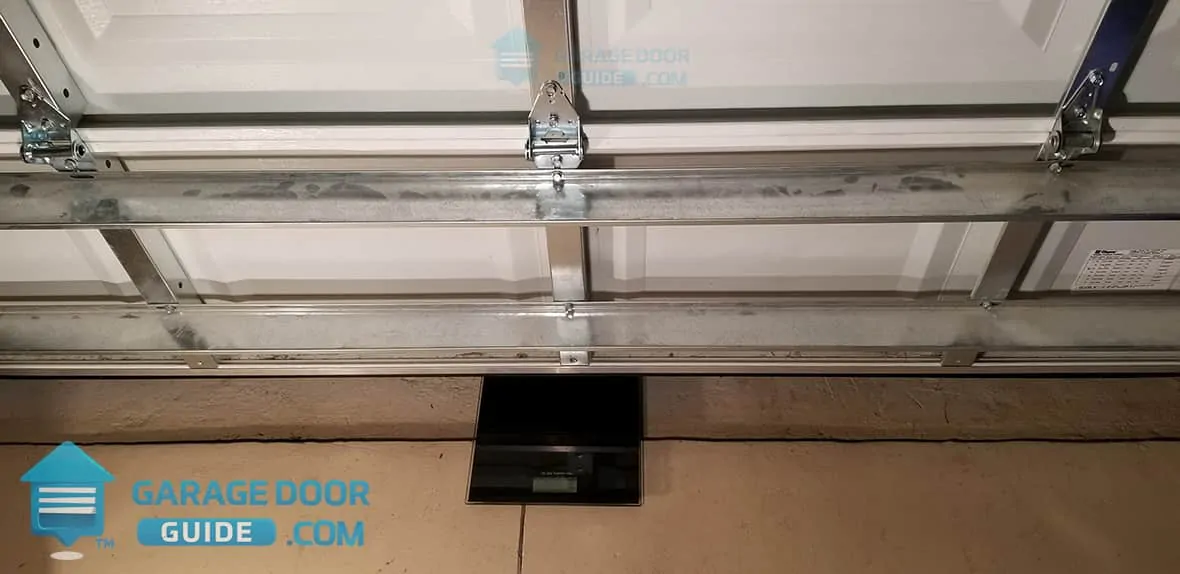
3. Weigh It Yourself (with Caution)
If you’re replacing springs or the opener, you can weigh the door:
- Disconnect the opener and springs so the door is “dead weight.”
- Use a sturdy bathroom scale.
- Carefully lower the door onto the scale.
- Record the weight.
Important: Lifting a garage door without springs is very heavy and can be dangerous. Do this only if you have experience or get help from a professional.
4. Ask A Professional
Garage door technicians have special tools and experience. They can weigh your door safely and accurately.
Why The Weight Of Your Garage Door Is Important
You might wonder why weight matters so much. Here are some reasons:
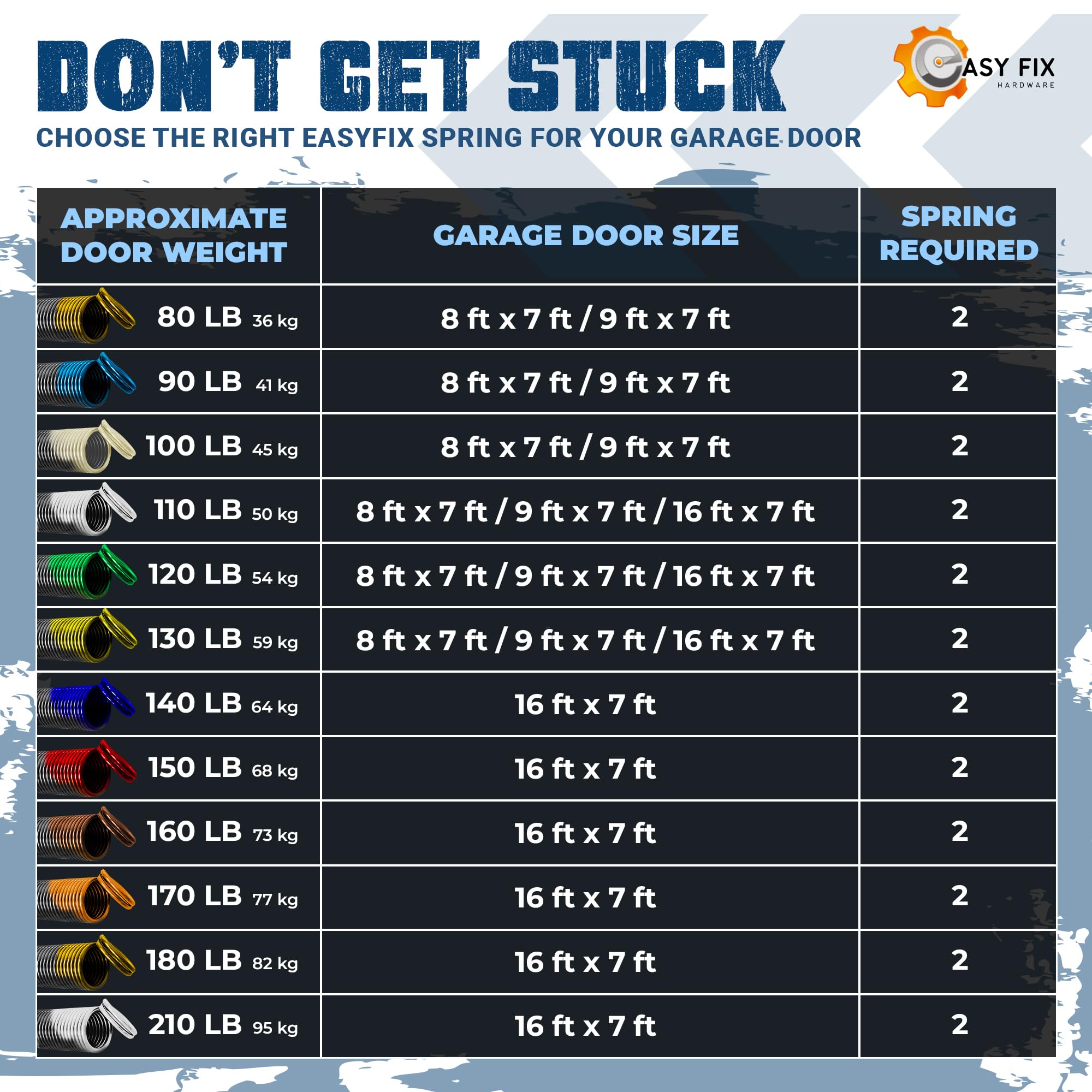
Spring Selection
The springs do most of the heavy lifting. If the springs are too weak, your opener works too hard and may break. If they are too strong, the door can shoot up dangerously.
Practical tip: Always match springs to your door’s actual weight, not the size or material alone.
Opener Power
Garage door openers are rated by horsepower. A heavier door needs a stronger opener (like 1/2 HP or 3/4 HP). Using a weak opener on a heavy door will shorten its life.
Safety
A heavy door that is not balanced can slam shut, causing injury or damage. Children and pets are especially at risk.
Manual Operation
If the power goes out or the opener fails, you may need to lift the door by hand. A heavy door can be nearly impossible to open without help.
Structural Support
Very heavy doors may need stronger tracks, rollers, and hinges. Ignoring this can lead to expensive damage.
Examples Of Real-world Garage Door Weights
To give you a better idea, here are some examples of popular garage doors and their weights:
- Clopay Classic Steel (16’ x 7’, insulated): About 200 lbs
- Wayne Dalton Carriage House Wood (16’ x 8’): Around 400 lbs
- Amarr Aluminum Full View (8’ x 7’): About 65 lbs
- Overhead Door Thermacore (9’ x 7’, insulated): Around 130 lbs
These numbers can change depending on windows, insulation, and hardware.
How Insulation Affects Garage Door Weight
Adding insulation is a popular upgrade. It makes the garage more comfortable and saves energy, but it also adds weight.
- Polystyrene: Adds about 10–20 lbs for a single-car door, 20–40 lbs for a double.
- Polyurethane: Denser, adds even more weight.
If you insulate your door after purchase, be sure your springs and opener can handle the extra weight.
What Happens If Your Garage Door Is Too Heavy For The Opener?
If your opener is too weak for your door, you’ll notice:
- The opener struggles or stops
- The door moves slowly or not at all
- The motor gets hot or makes unusual sounds
- The opener’s lifespan is much shorter
It’s cheaper and safer to upgrade your opener or balance the door than to risk a broken system.
Custom And Oversized Garage Doors
Not all garage doors are standard. Some homes have very wide, tall, or custom-designed doors. These can weigh much more than average.
- Extra-wide doors (18’ or more): Can weigh 400–700 lbs, depending on material and insulation.
- RV or tall doors (8–10’ high): More material means more weight.
- Custom wood or glass doors: May reach 800 lbs or more.
Always check with the manufacturer or a pro before buying or replacing parts for these doors.
How Weight Affects Installation And Replacement
A heavier door is harder to install, remove, or repair. Here’s what to expect:
- More people needed: Heavy doors may require two or more people to lift safely.
- Special equipment: Lifts, braces, and tools are used for big or heavy doors.
- Longer install time: More weight means more work.
If you plan a DIY replacement, be realistic about what you can handle. Many injuries happen when homeowners underestimate the weight.
Common Mistakes People Make About Garage Door Weight
- Guessing the weight: Never assume based on looks or size alone.
- Ignoring insulation: Insulation adds more weight than you might think.
- Mismatched springs: Using springs for a lighter door can cause failure.
- Wrong opener size: Not upgrading the opener for a heavier door.
- Skipping professional help: Some tasks are too risky without experience.
Comparing Garage Door Weights: Material Vs. Size
Here’s a side-by-side look at how material and size affect weight:
| Material | Single-car (8’x7′) | Double-car (16’x7′) | Insulated (Single) | Insulated (Double) |
|---|---|---|---|---|
| Steel | 80–100 lbs | 150–180 lbs | 100–130 lbs | 180–225 lbs |
| Wood | 150–250 lbs | 300–500 lbs | 180–300 lbs | 350–550 lbs |
| Aluminum | 50–70 lbs | 75–120 lbs | 65–90 lbs | 100–150 lbs |
| Fiberglass/Vinyl | 80–120 lbs | 120–200 lbs | 100–150 lbs | 150–250 lbs |
This comparison highlights how both material and insulation impact the overall weight.
Is A Heavier Garage Door Always Better?
Not always. There are pros and cons to heavier doors.
Pros
- Often more durable
- Better insulation and soundproofing
- Improved security (harder to force open)
Cons
- Needs stronger opener and springs
- More expensive to install and repair
- Harder to lift manually
Practical tip: The best door balances strength with what your opener and structure can handle.
How To Safely Handle Garage Doors
If you need to work with your garage door, safety comes first.
- Never try to repair or replace springs on your own—they are under extreme tension.
- Use gloves and safety glasses.
- Make sure the opener is unplugged before working.
- Get help to lift or move heavy doors.
- Call a professional for any job you’re unsure about.
Experience-based insight: Many accidents happen when people underestimate the risk. Garage doors can cause serious injury if mishandled.
Upgrading Your Garage Door: What To Consider About Weight
Thinking about a new door? Here’s what to keep in mind:
- Check your opener’s specs: Will it handle a heavier door?
- Upgrade springs if needed: New door means new balance.
- Consider insulation: Extra comfort, but more weight.
- Look at your home’s structure: Can it support a heavier door?
- Budget for professional installation: Especially for heavy or custom doors.
How Weather And Age Affect Garage Door Weight
- Moisture: Wood doors can absorb water and get heavier over time.
- Rust: Steel can rust, especially if not maintained, adding roughness and weight.
- Warping: Old doors can warp, making them harder to move.
Regular maintenance keeps your door safe and working smoothly.
How To Lighten A Heavy Garage Door
If your door feels too heavy:
- Remove unnecessary hardware: Old locks, handles, or brackets.
- Replace with lighter material: Consider a modern steel or aluminum door.
- Remove windows: Windows add weight.
- Switch to non-insulated: If energy savings aren’t a concern.
Caution: Changing weight means you must adjust or replace springs and possibly the opener.
Signs Your Garage Door Is Too Heavy
- The opener struggles or fails.
- The door is hard to lift manually.
- The door slams down when released.
- Springs look stretched or worn.
- Rollers and tracks show damage.
If you notice these, get your door checked by a pro.
When To Call A Professional
Some garage door jobs are not for DIY. Call a pro if:
- You need new springs or opener.
- You want to insulate or replace your door.
- The door is stuck, off-track, or slams shut.
- You’re not sure about the weight or balance.
Professionals have the tools and experience to handle heavy doors safely.
Real-world Example: Upgrading A Garage Door
Imagine a homeowner with a basic steel, single-car garage door (85 lbs). They upgrade to an insulated, double-car wood door (450 lbs). What changes?
- The opener needs more horsepower.
- New, stronger springs are required.
- Tracks and rollers may need reinforcement.
- Installation is a two-person job (or more).
- Manual lifting is much harder.
This shows why planning and understanding weight is crucial for safety and performance.
Cost Of Heavier Garage Doors
Heavier doors often cost more:
- More material means higher price.
- Installation costs rise (more labor, tools).
- Stronger openers and springs add cost.
- Repairs can be pricier due to weight.
Pro tip: Weigh upfront costs against long-term benefits, like durability and insulation.
Environmental Impact Of Garage Door Weight
- Heavier doors use more material, which can mean more resources and energy to produce.
- Lightweight, insulated doors can reduce heating and cooling costs.
- Recycled aluminum or steel can lower environmental impact.
If you care about sustainability, consider the material and insulation type when choosing your door.
Learning More
Want to dive deeper into garage door specs and safety? The Wikipedia page on garage doors has more details on history, types, and standards.
Frequently Asked Questions
How Do I Know If My Garage Door Is Too Heavy For My Opener?
If your opener struggles, moves slowly, or stops, your door may be too heavy. Listen for straining noises or overheating. You can also check your opener’s manual for maximum door weight. If in doubt, call a pro to check.
Can I Add Insulation To My Existing Garage Door?
Yes, but remember that insulation adds weight. After adding insulation, you may need new springs or a stronger opener. Always balance the door after changes.
What Is The Lightest Type Of Garage Door?
Aluminum doors are usually the lightest, especially without insulation or windows. They are easy to lift manually and put less strain on openers.
How Often Should I Check My Garage Door’s Balance?
It’s smart to check balance at least once a year, or whenever you notice the door is hard to lift or slams shut. Regular checks can prevent damage or injury.
Why Do Garage Door Springs Break?
Springs break from normal wear, rust, or because they are too weak for the door’s weight. Using the wrong springs or not maintaining them can cause early failure.
Knowing how much your garage door weighs helps you make better choices for safety, repairs, and upgrades. Take the time to check your door’s weight—your home and your family’s safety depend on it.