
Now Reading: How to Start a Garage Door Business: Step-by-Step Success Guide
- 01
How to Start a Garage Door Business: Step-by-Step Success Guide

Starting a new business is always a big step, but launching a garage door business can be both rewarding and profitable if you approach it the right way. This industry supports millions of homes and businesses, offering services that are always in demand. Whether it’s repair, installation, or maintenance, people need safe, reliable garage doors. If you’re practical, enjoy hands-on work, and want to be your own boss, starting a garage door business could be your path to success.
But jumping in without a plan is risky. Many new business owners underestimate the planning, investment, and knowledge needed to succeed. In this guide, you’ll learn step-by-step how to start a garage door business, from market research to getting your first customers.
You’ll discover the common mistakes people make, what really matters when choosing tools and suppliers, and how to set your business up for long-term growth. If you’re ready to take action, let’s get started.
Understanding The Garage Door Industry
Before investing time and money, it’s important to understand how the garage door industry works. This sector includes residential and commercial doors, parts, openers, and the wide range of repair and installation services. In the US alone, the garage door services market is valued at over $2.5 billion, and it’s growing every year due to new construction and aging homes.
Most businesses in this industry are small, local companies. This means you don’t need a huge team or warehouse to get started. However, competition can be strong, especially in cities. Success depends on reliability, quality work, and strong customer service.
Key Services In The Garage Door Business
- Installation: Setting up new garage doors for homes or businesses.
- Repair: Fixing springs, cables, openers, and other common parts.
- Maintenance: Regular checks and tune-ups to keep doors working safely.
- Emergency Services: 24/7 help for stuck or broken doors.
- Replacement Parts: Supplying and installing new parts like openers or panels.
Many businesses start with one or two services, then expand as they gain experience and clients.
Planning Your Garage Door Business
Every successful company starts with a solid plan. This helps you focus, set goals, and avoid costly mistakes.
Research The Local Market
Start by checking your local area. Are there many competitors? What services do they offer? How do they price their work? Look for gaps. For example, maybe no one offers 24-hour emergency repairs, or perhaps there’s a need for better customer service.
Study trends too. Newer homes may need high-tech garage doors, while older homes often need repairs or replacements. Knowing your market helps you choose the right services and set competitive prices.
Choose Your Business Model
You have a few choices:
- Mobile Service: You travel to clients with a van or truck. This is the most common and cost-effective start.
- Showroom/Shop: You have a physical location for walk-in customers. This needs more investment but can attract more business.
- Online-First: You focus on web marketing and take orders by phone or online, then visit clients for service.
Most start with a mobile model and expand later.
Write A Business Plan
A business plan is your roadmap. It should cover:
- Services you’ll offer
- Target customers
- Startup costs
- Pricing strategy
- Marketing plan
- Revenue projections
- Competition analysis
This doesn’t need to be a long document, but it should be clear and realistic. A good plan also helps you get loans or investors if needed.
Legal Steps And Business Registration
Skipping legal steps can lead to fines, lost licenses, or business closure. Make sure you follow local, state, and federal laws.
Choose A Business Structure
Common options include:
- Sole Proprietorship: Easiest to start, but you’re personally responsible for debts.
- LLC (Limited Liability Company): Protects your personal assets and is the most popular for small service businesses.
- Corporation: Good for larger businesses but more complex and costly.
Most small garage door businesses choose an LLC for flexibility and protection.
Register Your Business
Pick a business name and check if it’s available in your state. Register your name and get any required licenses or permits. Some states require a contractor’s license for garage door work.
Get An Ein And Business Bank Account
Apply for an Employer Identification Number (EIN) from the IRS. You’ll need this for taxes and to open a business bank account. Never mix personal and business funds—this keeps your finances organized and protects you legally.
Insurance And Bonding
You’ll need:
- General liability insurance: Covers damage or injury during work.
- Workers’ compensation: If you have employees.
- Commercial auto insurance: For your work vehicles.
- Bonding: Some clients require a surety bond to make sure you complete the work.
Don’t skip insurance—one accident can ruin your business if you’re not covered.
Tools, Equipment, And Inventory
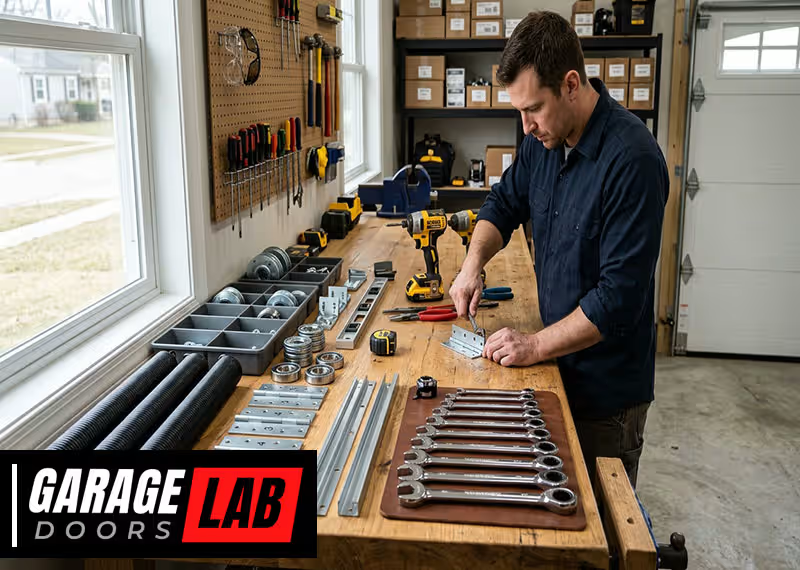
Having the right tools and parts makes jobs faster and safer. Don’t overspend at first; buy only what you need for your first services.
Basic Tools And Equipment
- Power drill and bits
- Socket and wrench sets
- Hammer and screwdrivers
- Level and tape measure
- Ladders (6- and 8-foot)
- Clamps and pliers
- Cordless impact wrench
- Safety glasses and gloves
- Garage door opener programming tools
Vehicle
You’ll need a reliable van or truck to carry tools and parts. Many new business owners use a used cargo van to save money.
Inventory
Stock common parts like:
- Springs
- Rollers and hinges
- Cables
- Tracks
- Door panels
- Openers and remotes
Buy more as you learn what your market needs most. Don’t tie up too much cash in parts you rarely use.
Supplier Relationships
Find reliable suppliers for doors, openers, and parts. Compare prices, delivery times, and warranties. Good supplier relationships mean you get better deals and faster service.
Here’s a quick comparison of what you need to get started:
| Item | Essential (Yes/No) | Average Cost | Tip |
|---|---|---|---|
| Power Tools | Yes | $500–$1,000 | Buy quality for durability |
| Cargo Van | Yes | $8,000–$20,000 (used) | Look for low-mileage models |
| Common Parts | Yes | $2,000–$5,000 | Start small, expand inventory later |
| Specialty Tools | No (at start) | $500–$1,500 | Buy only when needed |
Setting Your Pricing And Service Packages
Pricing is critical. Charge too much, and you lose customers. Charge too little, and you can’t cover costs.
How To Set Your Prices
- Research competitors: Call or check websites to see what others charge.
- Calculate costs: Add up labor, parts, travel, insurance, and overhead.
- Decide your margin: Most garage door businesses aim for a 30–50% gross margin.
- Offer simple packages: For example, “Basic Tune-Up $79,” “Spring Replacement $250.”
A common mistake is underpricing. You must cover your time, travel, and the risk of callbacks. Don’t try to be the cheapest—focus on value.
Example Price Ranges
| Service | Low-End Price | High-End Price | Notes |
|---|---|---|---|
| Garage Door Installation | $700 | $1,800 | Varies by door type and size |
| Spring Replacement | $150 | $350 | Includes labor and parts |
| Opener Replacement | $300 | $600 | Includes programming |
| Basic Tune-Up | $79 | $125 | Quick, high-volume service |
Tips For Profitable Pricing
- Offer bundled services (e.g., tune-up plus opener check).
- Charge extra for emergency or after-hours work.
- Review prices every 6–12 months.
- Use clear, upfront pricing—customers hate surprises.
Building Your Brand And Online Presence
A strong brand helps you stand out, especially in a crowded market.
Choose A Memorable Name And Logo
Pick a name that is easy to say, spell, and remember. Avoid names that are too long or sound like competitors. A simple logo makes you look professional.
Get A Business Website
Nearly all customers search online before hiring. Your site should include:
- Services offered
- Service area (cities/zip codes)
- Contact info and online booking
- Customer reviews/testimonials
- Photos of your work
You can build a basic site with platforms like Wix or Squarespace if you’re on a budget.
Claim Your Google Business Profile
This is key for showing up in local search results. Add your hours, phone, and photos. Ask happy customers to leave Google reviews—these boost your ranking and trust.
Social Media And Online Ads
Start with Facebook and Instagram to share photos and tips. Paid Google Ads or local Facebook ads can bring in leads fast, but watch your spending. Track results to see what works.
Marketing And Getting Your First Customers
Even the best garage door business needs marketing. Most new owners underestimate this step.
Start With Friends And Family
Tell everyone you know. Offer a discount for referrals. Word of mouth is powerful, especially early on.
Partner With Local Businesses
Real estate agents, property managers, and home builders need garage door services often. Reach out and offer to be their go-to provider.
Use Online Directories
List your business on Yelp, Angie’s List, HomeAdvisor, and similar sites. Keep your info updated and respond quickly to messages.
Flyers And Local Ads
Simple flyers in hardware stores or mailboxes can work, especially in areas with older homes. Sponsor a local sports team or community event to get your name out.
Offer A “new Customer” Special
A first-time customer discount or free tune-up can attract clients and build trust.
Track Results
Ask every customer how they found you. Focus more time and money on what brings in the best leads.
Hiring And Training Technicians
As you grow, you’ll need help. Hiring the right people is critical—your reputation depends on their work.
What To Look For
- Mechanical skills (experience with tools or construction)
- Good communication (clear, polite, professional)
- Reliability (shows up on time, finishes jobs)
- Willingness to learn (garage doors change with technology)
Not all technicians need years of experience. You can train the right person on the job.
Training Tips
- Start with safety: Springs and doors can be dangerous if handled wrong.
- Teach customer service: A friendly tech wins repeat business.
- Use checklists for standard jobs to avoid mistakes.
- Invest in ongoing training as new products or systems appear.
Pay And Benefits
Good techs are hard to find and keep. Offer fair pay, bonuses for good reviews, and chances to grow.
Managing Operations And Scheduling
Efficient operations keep customers happy and profits up.
Use Scheduling Software
Even small businesses benefit from online scheduling tools. Options like Jobber, Housecall Pro, or Google Calendar help you:
- Avoid double-booking
- Send reminders to customers
- Track jobs and payments
- Manage teams as you grow
Inventory Management
Keep track of your parts and tools. Running out of common parts costs time and money. Use a simple spreadsheet or inventory app to track what you have.
Handle Customer Calls Promptly
Answer calls quickly, or return messages within an hour. Many jobs go to whoever replies first.
Set Up Payment Systems
Accept credit cards, checks, or mobile payments. Use invoicing software like QuickBooks or Square to keep records and look professional.
Dealing With Common Challenges
Running a garage door business isn’t always smooth. Be prepared for these challenges:
Seasonality
Some months, like spring and fall, are busier. Plan your budget so slow months don’t hurt your cash flow.
Emergency Calls
Emergency jobs can be stressful, but they pay well. If you offer 24/7 service, have a plan for handling calls at night or on weekends.
Customer Complaints
No matter how careful you are, mistakes happen. Listen, apologize, and fix problems quickly. A satisfied customer can become your biggest advocate, even after an issue.
Competition
Don’t start price wars. Focus on quality, reliability, and service. Good reviews and referrals beat low prices in the long run.
Growing Your Garage Door Business
Once you’re established, growth is the next step.
Add New Services
- High-tech doors and smart openers
- Commercial garage doors and gates
- Preventive maintenance contracts
Adding services increases your revenue per customer and helps you stand out.
Expand Your Team
Hire more technicians as demand grows. Train them well and reward good performance.
Open A Showroom
If you have the budget, a small showroom can help you sell more doors and accessories.
Invest In Marketing
Try direct mail, Google Ads, or even local radio. Measure every campaign’s results.
Build Partnerships
Work with home builders, real estate agents, and property managers. Offer group discounts for apartment complexes or HOAs.
Track Your Numbers
Know your profit margins, costs per job, and customer lifetime value. Use this data to guide your decisions.
Here’s a quick look at ways to scale up:
| Growth Strategy | Investment Needed | Potential ROI | Key Consideration |
|---|---|---|---|
| Hire More Techs | Medium | High | Training is critical |
| Add New Services | Low | Medium | Market demand research |
| Open a Showroom | High | Medium/High | Location matters |
| Direct Mail Campaigns | Low–Medium | Medium | Target right neighborhoods |
Non-obvious Insights For Beginners
Many new owners miss these key points:
- Networking matters more than you think. One property manager or real estate agent can bring steady work for years.
- Professionalism wins jobs. Showing up on time, in uniform, with a marked van and clear paperwork builds trust fast.
- Regular follow-up increases repeat business. Call or email past customers after six months—offer a discount tune-up, and you’ll get more referrals and new jobs.

Staying Current And Learning More
Garage doors are getting smarter, with Wi-Fi openers, security features, and new materials. Stay up-to-date through manufacturer training, industry groups, and online forums. The International Door Association is a great resource for news and education.

Frequently Asked Questions
What Qualifications Or Licenses Do I Need To Start A Garage Door Business?
Most states don’t require a special garage door license, but some require a contractor’s license for installation or electrical work. Always check your local and state rules. At minimum, you’ll need a business license and insurance.
How Much Does It Cost To Start A Garage Door Business?
Startup costs usually range from $10,000 to $35,000. This covers a used van, basic tools, initial inventory, insurance, and marketing. Costs can be higher if you open a showroom or hire staff early.
Can I Run A Garage Door Business Alone, Or Do I Need A Team?
Many owners start solo, handling all jobs and calls themselves. As you grow and get more clients, you’ll want to hire at least one technician and possibly a part-time office assistant.
How Do I Find Reliable Suppliers For Doors And Parts?
Start by searching for national and regional distributors. Ask for quotes, compare terms, and read reviews from other contractors. Over time, you’ll find which suppliers have the best mix of price, service, and quality.
How Long Does It Take To Become Profitable?
With good marketing and service, many garage door businesses become profitable within 6–18 months. Consistent work, smart spending, and avoiding big mistakes help you reach profitability faster.
Starting a garage door business takes planning, action, and ongoing learning. If you focus on quality service, smart marketing, and building customer relationships, you can create a steady, rewarding business that grows with your effort. Remember, the work you do helps protect homes and businesses—your reliability and skill will be your best marketing tools.