
Now Reading: How to Unlock Garage Door: Quick and Easy Solutions
- 01
How to Unlock Garage Door: Quick and Easy Solutions

Unlocking a garage door may seem simple, but it can be tricky if you’re dealing with a jammed lock, a lost remote, or a power outage. Many people face this problem at least once. When your car is trapped inside, or you need urgent access, it helps to know your options.
In this guide, you’ll learn practical ways to unlock different types of garage doors safely and efficiently. Whether you have a manual lock, a modern keypad, or a smart opener, there’s a reliable solution for you.
Unlocking a garage door is not just about getting in. Sometimes, it’s about doing it without causing damage, avoiding expensive repairs, or keeping your home secure. This article covers every detail, from understanding your specific garage door system to step-by-step methods for unlocking it.
You’ll also discover safety tips, expert insights, and answers to common questions. If you want to be prepared for any garage door emergency, keep reading.
Types Of Garage Door Locks And Openers
Before you try to unlock a garage door, it helps to know what kind of system you have. Each type requires a different approach.
Keyed Garage Door Locks
These locks use a traditional key. They’re common on older garage doors and sometimes on side doors. Keyed locks are simple but can get stuck due to rust, dirt, or a bent key.
Garage Door Handles With Built-in Locks
Some garage doors have a handle that you turn to release a latch. These may include a keyhole. If the handle turns but does not open, the internal mechanism may be jammed.
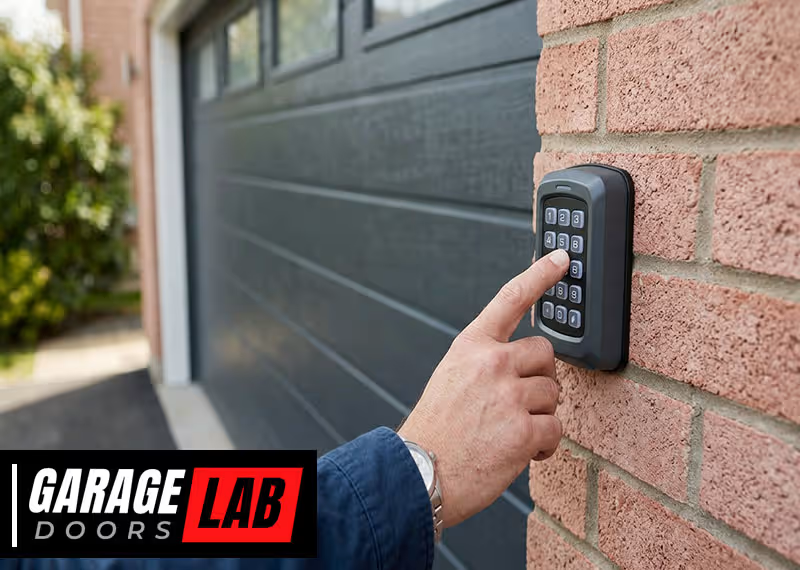
Electronic Keypads
Electronic keypads allow you to enter a PIN to unlock the door. They’re popular for attached garages. A forgotten code or dead battery can lock you out.
Remote Garage Door Openers
Remote openers are standard for most modern homes. If the remote fails (battery dead or lost), you’ll need another way in.
Smart Garage Door Openers
Smart openers connect to your phone or smart home system. They offer convenience but can be affected by Wi-Fi outages or software issues.
Emergency Release Mechanisms
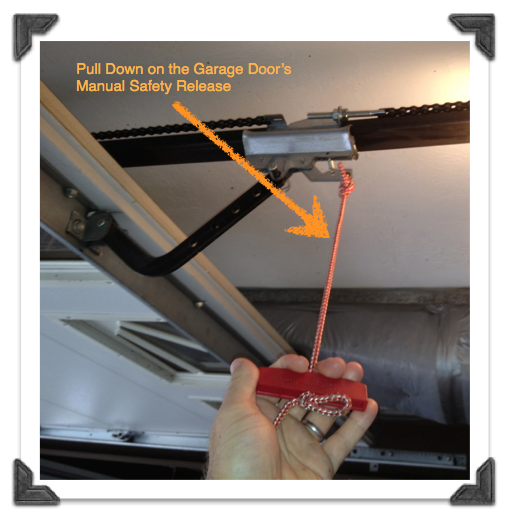
Most overhead garage doors have an emergency release cord. This lets you disconnect the door from the motor and open it manually during power failures.
Side Door Or Service Door Locks
Detached garages often have a side entry. These locks are usually simple deadbolts or knob locks.
Understanding your garage door system is the first step to unlocking it safely and quickly.
Common Reasons Garage Doors Get Locked Or Jammed
Knowing why your garage door is locked helps you pick the best unlocking method.
- Lost or stolen keys/remotes – This is the most common reason.
- Dead batteries – Remotes and keypads stop working if batteries die.
- Mechanical failures – Broken springs, cables, or internal locks jam the door.
- Power outages – Electric openers won’t work during blackouts.
- Forgotten codes – Keypad users sometimes forget PINs.
- Frozen parts – Cold weather can freeze locks or mechanisms.
- Misaligned tracks – Doors can bind if tracks are bent or blocked.
Being aware of these issues helps you choose the right unlocking technique and avoid making things worse.
How To Unlock A Garage Door With A Key
If your garage door uses a key, follow these steps to unlock it smoothly:
1. Check The Key And Lock
Insert your key. If it doesn’t turn, check for dirt or rust. Spray a little lubricant (like WD-40) into the keyhole.
2. Gently Wiggle The Key
Turn the key slowly, applying gentle pressure. Forcing it may break the key.
3. Try A Spare Key
Sometimes the key is worn or bent. A spare might work better.
4. If The Lock Is Frozen
Heat the key with a lighter or use lock de-icer. Insert it quickly to melt the ice inside.
5. Handle A Broken Key
If the key breaks, use needle-nose pliers or a broken key extractor to pull out the piece. Do not push it further in.
6. Call A Locksmith If Needed
If you can’t unlock it after several tries, a professional can help without damaging the door.
Pro Tip: Regularly lubricate your garage door lock to prevent sticking, especially in winter.
How To Unlock A Garage Door From The Inside
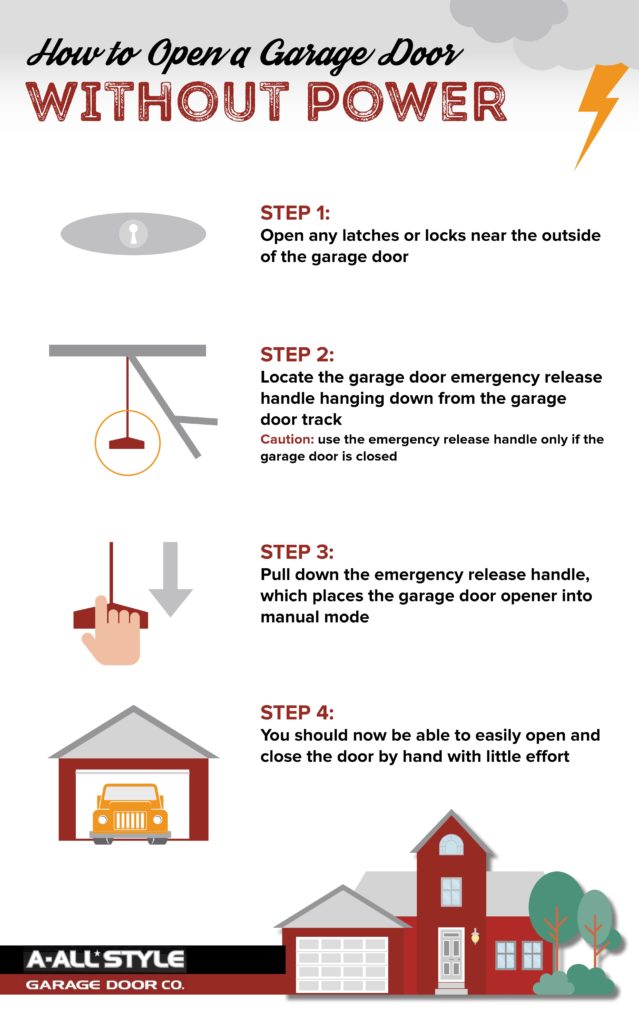
Most garage doors have an emergency release cord inside. This is the fastest way to unlock your door during a power outage or opener failure.
1. Locate The Emergency Release Cord
Look for a red or orange cord hanging from the center rail near the door motor.
2. Pull The Cord Firmly
This disconnects the door from the opener. You’ll hear a click.
3. Lift The Door Manually
Grab the handle at the bottom and lift. If it’s heavy or stuck, do not force it—something may be broken.
4. Re-engage The Opener
After opening, push the door closed and pull the cord back toward the motor to reconnect.
Important: Only use this method when the garage is secure, as it bypasses the automatic lock.
How To Unlock A Garage Door From The Outside (without A Key)
If you’re locked out and have no key, you still have options.
Use An Emergency Release Kit
Many garage doors have an emergency release lock on the outside (a small keyhole near the top center).
1. Insert The Special Key
Unlock and pull out the lock plug.
2. Pull The Release Cable
This disconnects the door from the opener.
3. Lift The Door Manually
Grab the bottom and lift slowly.
Use A Coat Hanger (last Resort)
If you do not have an emergency release kit, you can try to fish the release cord with a straightened wire coat hanger.
1. Slide The Hanger Above The Top Of The Door
Aim for the center where the release cord is.
2. Hook And Pull The Cord
It may take a few tries to catch it.
3. Open The Door Carefully
Warning: This method can damage the weather stripping or door. Only use it if you have no other choice.
Call A Professional
If your door won’t open, or you’re worried about causing damage, it’s best to call a garage door technician.
How To Unlock A Garage Door With A Keypad
Electronic keypads are convenient but can lock you out if you forget the code or the battery dies.
1. Enter Your Pin
Try your usual code. Check for stuck buttons or dirt.
2. Replace The Battery
If nothing happens, open the keypad case and replace the battery.
3. Reset The Keypad
Most keypads have a reset button. Press it and set a new PIN following the manufacturer’s instructions.
4. Try The Physical Key (if Available)
Some keypads have a backup key slot.
5. Access From Inside
If all else fails, enter the garage from another door and use the emergency release.
Extra Insight: Many people forget to replace keypad batteries regularly. Changing them once a year prevents surprises.
How To Unlock A Garage Door With A Remote
A remote opener is easy—until it stops working. Here’s what you can do:
1. Check The Batteries
Replace with fresh ones, even if the light still comes on.
2. Reprogram The Remote
Follow your opener’s manual to sync the remote again.
3. Try The Wall Button
If the remote fails but the wall control works, the issue is with the remote.
4. Use The Emergency Release
If you can get inside, pull the release cord and open the door manually.
5. Get A Universal Remote
Some universal remotes work with many brands. Program it using your opener’s instructions.
Pro Tip: Keep a spare remote in your car or with a trusted neighbor.
How To Unlock A Smart Garage Door Opener
Smart openers use Wi-Fi or Bluetooth. If you’re locked out, try these steps:
1. Check Your Phone’s Connection
Make sure your phone has internet and the smart app is up to date.
2. Restart The Opener
If possible, unplug and replug the opener to reset it.
3. Use The Backup Keypad Or Physical Key
Most smart openers have a manual backup.
4. Try Voice Assistant Commands
If your opener works with Alexa or Google Assistant, try unlocking by voice.
5. Contact Support
Manufacturer support can walk you through advanced resets.
Hidden Insight: Smart openers often have a battery backup for short-term power loss. Check your model’s features so you’re not caught off guard.
How To Unlock A Garage Door During A Power Outage
A power outage can trap your car inside. Here’s how to unlock the door manually:
1. Ensure Safety
Disconnect the opener only when the door is fully closed.
2. Pull The Emergency Release Cord
This makes the door manual.
3. Lift The Door Carefully
Garage doors can be heavy—use both hands and don’t stand under the door.
4. Secure The Door
Prop the door open with a solid object if you need to keep it open.
Extra Safety Tip: After power returns, reconnect the opener by pulling the cord toward the motor and pressing the remote.
How To Unlock A Jammed Garage Door
Jammed doors can be dangerous, especially if a spring or cable is broken.
1. Inspect The Door
Look for obstructions in the tracks or visible damage.
2. Do Not Force The Door
Trying to force it open can make things worse.
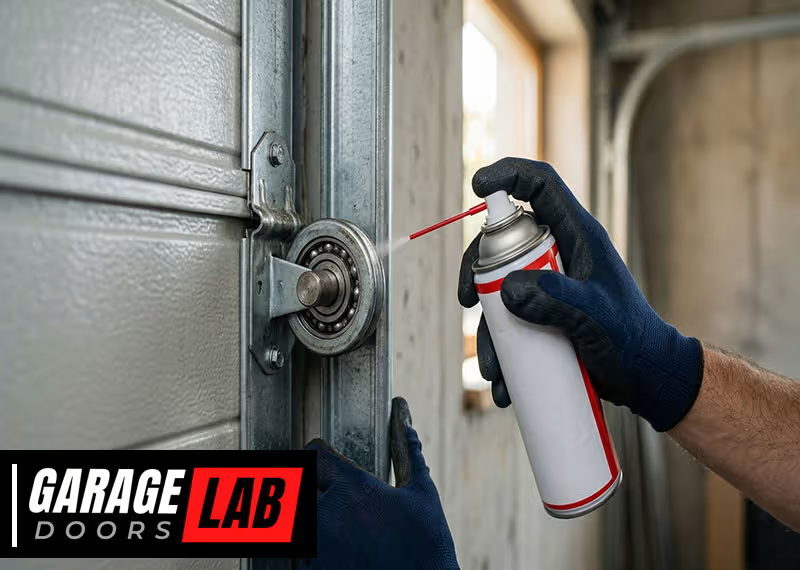
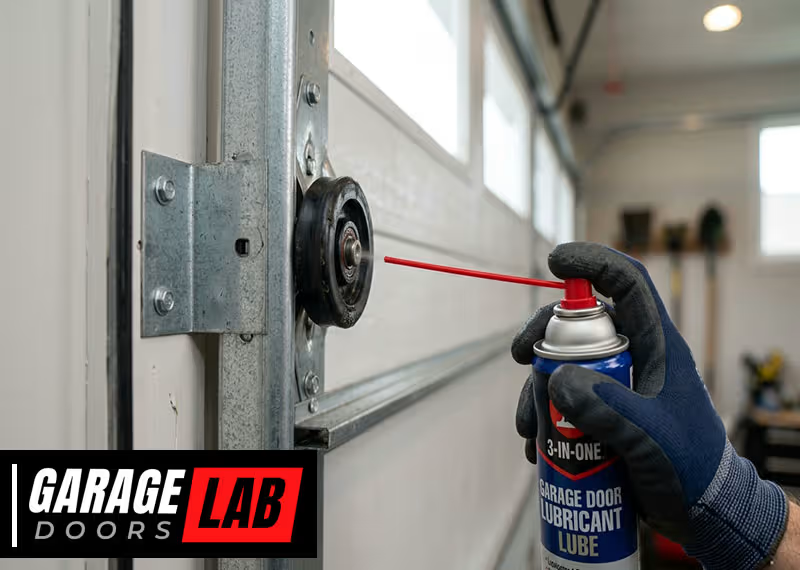
3. Try Lubricating Tracks And Rollers
Apply garage door lubricant to moving parts.
4. Check The Springs And Cables
If you see a broken spring or loose cable, stop. These are under high tension and can cause injury.
5. Call A Professional
A trained technician can unlock and repair jammed doors safely.
Important: Never attempt to repair garage door springs yourself.
How To Unlock Different Garage Door Types
Not all garage doors are the same. Here’s a quick comparison for unlocking methods based on door type.
| Garage Door Type | Common Lock | Best Unlocking Method |
|---|---|---|
| Sectional Overhead Door | Remote, Keypad | Emergency Release Cord |
| Roll-up Door | Key Lock, Handle | Key, Lubrication |
| Side-hinged Door | Deadbolt, Padlock | Key or Bolt Cutter (last resort) |
| Tilt-up Canopy Door | Handle, Key | Key, Emergency Release |
Tools And Supplies Needed For Unlocking
Having the right tools can make unlocking easier and prevent damage.
- Spare keys
- Lubricant spray (WD-40 or silicone)
- Needle-nose pliers
- Screwdriver
- Coat hanger or stiff wire
- Flashlight
- Universal garage remote
- Lock de-icer
- Battery for keypad or remote
- Owner’s manual
Keep these items in a safe spot for emergencies.
Comparing Professional Unlocking Vs. Diy
Sometimes, unlocking a garage door yourself is safe and simple. Other times, you need expert help. Here’s a comparison to help you decide:
| Factor | DIY Unlocking | Professional Service |
|---|---|---|
| Cost | Low (usually free) | Can be $75–$200 |
| Speed | Immediate if prepared | Wait time (1–3 hours typical) |
| Risk of Damage | Higher if inexperienced | Low (trained expertise) |
| Safety | Risky with springs/cables | Safe (insured work) |
| Warranty | None | Often provided |
Safety Tips For Unlocking A Garage Door
Unlocking a garage door isn’t just about getting inside. Safety matters.
- Stand clear of moving parts to avoid injury.
- Don’t force jammed doors, as this can cause damage or hurt you.
- Beware of broken springs—these can snap with great force.
- Use proper tools and wear gloves if possible.
- Have someone with you if the door is heavy or you need help.
- Secure the door after unlocking to prevent unauthorized entry.
Expert Insight: Garage door accidents send over 20,000 Americans to the ER each year. Always put safety first.
Preventing Future Garage Door Lockouts
Taking simple steps now can save you stress later.
1. Keep Spare Keys And Remotes
Store them with a trusted neighbor or in a lockbox.
2. Regular Maintenance
Lubricate locks, clean tracks, and check batteries.
3. Upgrade To A Smart Opener
Modern smart openers let you unlock from anywhere with your phone.
4. Know Your Emergency Release
Practice using it so you’re ready in a real emergency.
5. Write Down Keypad Codes
Keep a copy of your PIN in a secure place.
Hidden Insight: Many people don’t realize how easy it is to add an external emergency release kit. Ask your installer if your door has one.
What To Do If You Lose Your Garage Door Key Or Remote
Losing your key or remote can be stressful, but act quickly to keep your home safe.
1. Change The Lock Or Re-key
If you lose a key, replace or re-key the lock.
2. Erase Lost Remotes From Memory
Most openers let you delete lost remotes and reprogram new ones.
3. Update Keypad Codes
Change your code to prevent unauthorized access.
4. Contact The Manufacturer
Some offer replacement keys or remotes.
Security Tip: Don’t leave your remote in an unlocked car—it’s a common target for thieves.
How To Unlock A Garage Door Without Causing Damage
If you’re worried about scratches or costly repairs, here’s how to avoid them:
- Use the right key or tool for your lock—don’t improvise with knives or screwdrivers.
- Don’t pry the door with force. This bends panels and breaks seals.
- Lubricate before you wiggle. Stuck locks often release with a little oil.
- Call for help if you’re unsure. It’s cheaper than fixing a damaged door.
Garage Door Unlocking Mistakes To Avoid
Many beginners make the same errors. Here’s what to watch out for:
1. Forcing The Lock
This often breaks the key or damages the cylinder.
2. Ignoring Safety Mechanisms
Bypassing safety features can cause injury or make your home less secure.
3. Using Wrong Tools
Improvised tools can cause permanent damage.
4. Not Checking For Obstructions
Sometimes, an object in the track is the real problem.
5. Attempting Spring Repairs
Springs are under extreme tension. Never try to repair them yourself.

Real-world Examples: Unlocking Scenarios
Let’s look at a few situations to see these methods in action.
Example 1: Power Outage At Night
You arrive home during a storm and the garage remote won’t work. You use a flashlight to pull the emergency release cord, then lift the door by hand. You secure the door with a wooden block until the power returns.
Example 2: Lost Remote On Vacation
You return from a trip and can’t find your remote. You borrow a neighbor’s phone to access your smart opener app and unlock the door. Later, you erase the lost remote from your opener’s memory.
Example 3: Frozen Lock In Winter
Your key won’t turn, and the lock is icy. You warm the key with a lighter, insert it carefully, and turn. The lock opens with gentle pressure.
Example 4: Jammed Overhead Door
The door won’t budge, and you see a broken cable. You stop immediately and call a professional, avoiding injury and costly repairs.
Learning from real experiences helps you stay prepared for any lockout.
How To Choose A Reliable Garage Door Technician
Sometimes, DIY methods are not enough. Here’s what to look for in a professional:
- Licensed and insured
- Good reviews online
- Transparent pricing
- Emergency availability
- Warranty on work
You can find qualified technicians through local directories or trusted sources like the Better Business Bureau.
Frequently Asked Questions
How Do I Unlock My Garage Door If The Power Is Out?
Use the emergency release cord inside the garage. Pull the red cord to disconnect the opener, then lift the door manually. Make sure the door is closed before pulling the cord to avoid injury.
Can I Unlock My Garage Door From Outside Without A Key?
If your door has an emergency release kit, you can unlock it from outside using the special key. If not, you may try to fish the release cord with a coat hanger (with caution) or call a technician.
What Should I Do If My Garage Door Remote Is Lost Or Stolen?
Erase the lost remote from your opener’s memory and reprogram new remotes. Change keypad codes if needed and never leave spare remotes in your car.
Is It Safe To Unlock A Jammed Garage Door Myself?
If the problem is a simple obstruction, you can clear it. But if springs or cables are broken, do not attempt repairs—call a professional. Garage door springs are dangerous.
How Can I Prevent Getting Locked Out Of My Garage?
Keep spare keys or remotes, maintain your opener and locks, update codes regularly, and install an emergency release kit if your door doesn’t have one.
Unlocking a garage door doesn’t have to be stressful. With the right knowledge, tools, and precautions, you can handle most situations safely and confidently. Remember: when in doubt, professional help is always the best choice.