
Now Reading: How Often to Lubricate Garage Door for Smooth, Quiet Operation
- 01
How Often to Lubricate Garage Door for Smooth, Quiet Operation

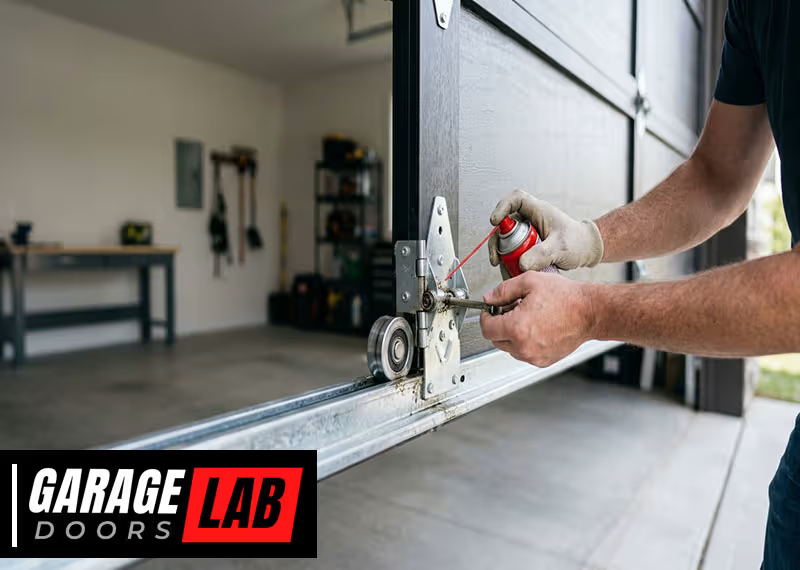
Keeping your garage door moving smoothly is something most people don’t think about—until it suddenly groans, squeaks, or even jams. A garage door is one of the largest moving parts in any home, and it works hard every day. But how often should you actually lubricate a garage door?
This question is more important than you might think. Lubrication isn’t just about silence; it’s about safety, lifespan, and saving money on repairs. If you want your garage door to work reliably for years, understanding the right lubrication schedule—and doing it properly—makes a big difference.
Many homeowners make simple mistakes: using the wrong lubricant, skipping parts, or ignoring early signs of trouble. Even people who’ve lived in the same house for decades sometimes wait until the door sounds “really bad.” But regular, smart lubrication can prevent expensive breakdowns and make your door operate like new. Let’s explore how often you should lubricate a garage door, what parts need attention, and how to do it right. With clear steps, real examples, and expert tips, you’ll know exactly how to care for your garage door—no guessing needed.
Why Lubrication Matters For Garage Doors
Your garage door is made of many moving parts. These parts bear heavy loads and move frequently. Over time, friction causes wear and tear. Here’s why lubrication is not optional:
- Reduces Wear: Lubrication forms a thin layer that prevents metal parts from grinding against each other. This reduces damage and extends the life of your door.
- Prevents Rust and Corrosion: Moisture and dust can cause rust, especially on tracks and springs. Lubricant helps form a protective barrier.
- Quiets Noises: Squeaks, grinding, or rattling noises usually mean friction. Lubrication eliminates most unwanted sounds.
- Improves Safety: Poorly lubricated doors can stick or jam. This puts extra strain on the opener, cables, and springs, creating a safety risk.
- Saves Money: Regular lubrication prevents bigger problems that require expensive repairs or part replacement.
A well-lubricated garage door not only feels and sounds better; it’s safer and more reliable. Skipping this simple maintenance can lead to avoidable headaches later.
How Often Should You Lubricate A Garage Door?
Most experts recommend lubricating your garage door every six months. But this is just a starting point. The right schedule depends on a few key factors:
Frequency Guidelines
| Condition | Recommended Lubrication Interval |
|---|---|
| Normal Use (Open/Close 2-4 times per day) | Every 6 months |
| Heavy Use (5+ times per day) | Every 3 months |
| Humid or Coastal Areas | Every 3-4 months |
| Very Dusty or Dirty Environments | Every 3-4 months |
| After Power Washing Garage/Storms | As needed |
For the average home, lubricating twice a year (spring and fall) is enough. If you live near the ocean (where salt causes corrosion), or in areas with a lot of dust, you may need to lubricate more often.
Signs Your Garage Door Needs Lubrication
Don’t just rely on the calendar. Look—and listen—for these signs:
- Squeaking or grinding noises
- Stiff or jerky movement
- Visible rust on springs or hinges
- Door doesn’t close or open smoothly
If you notice these, it’s time to lubricate—even if your last maintenance was recent.
Why Over-lubrication Is A Problem
Too much lubricant can attract dust and dirt, which creates a sticky mess. This can actually cause more wear, not less. Stick to a light coating—enough to see and feel, but not dripping.
What Parts Of The Garage Door Need Lubrication?
Not all parts need the same attention. Knowing where to apply lubricant makes your effort count.
Key Parts To Lubricate
- Springs: Especially torsion springs above the door. They carry most of the weight.
- Hinges: Where each panel meets. These bend as the door moves.
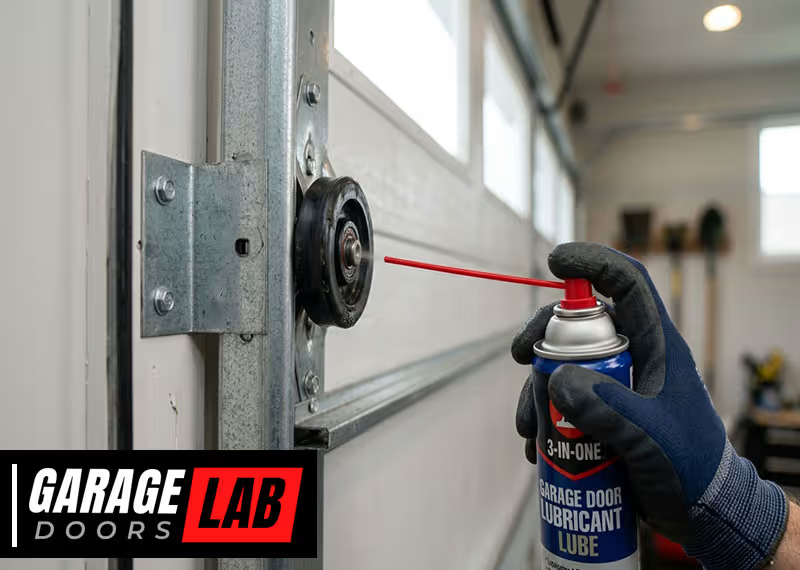
- Rollers: The wheels that run along the track. Only lubricate metal rollers—not nylon rollers with sealed bearings.
- Tracks: Only wipe clean—don’t lubricate inside the tracks.
- Lock and Arm Bar: The bar that connects the opener to the door.
- Bearing Plates: Where the springs attach at the ends.
- Pulleys: If your system uses cables, these move up and down with the door.
What Not To Lubricate
- Tracks (inside): Lubricant here causes rollers to slide, not roll, which wears out parts faster. Clean tracks with a dry cloth instead.
- Plastic or nylon rollers (with sealed bearings): Lubrication can damage the seal.
- Door panels or weatherstripping: These don’t need lubricant.
Knowing exactly where to apply lubricant prevents waste and avoids creating new problems.
Choosing The Right Lubricant For Garage Doors
Using the wrong product is a common mistake. Many people reach for WD-40, but this isn’t the best choice for garage doors.
Lubricant Types
| Lubricant Type | Best For | Notes |
|---|---|---|
| Silicone Spray | Hinges, rollers, springs | Doesn’t attract dust; long-lasting |
| White Lithium Grease | Springs, metal-on-metal parts | Thicker coating; protects against rust |
| Garage Door-Specific Lubricant | All moving parts | Formulated for doors; often best choice |
| WD-40 (Original) | Cleaning, not lubricating | Displaces water, but not a real lubricant |
What To Avoid
- Grease that’s too thick: Can gum up, especially in cold weather.
- Motor oil or household oil: May drip, smell, or collect dirt.
- Multipurpose “penetrating oils”: These are for cleaning or loosening rusty parts, not for long-term lubrication.
Garage door-specific lubricants are available at most hardware stores. Always read the label and use a product made for metal parts.

Step-by-step Guide: How To Lubricate A Garage Door
Proper technique makes a difference. Here’s a practical, safe, and effective way to lubricate your garage door.
What You’ll Need
- Garage door lubricant (silicone spray or white lithium grease)
- Clean rags or paper towels
- Small brush (optional)
- Step ladder (if needed)
- Gloves (optional, but keeps hands clean)
- Safety glasses (recommended for overhead work)
Step 1: Prepare The Area
- Close the garage door fully.
- Unplug the automatic opener to prevent accidental movement.
- Wipe away dust, cobwebs, or old grease from all parts using a dry rag.
Step 2: Lubricate Springs
- Use a step ladder if the springs are overhead.
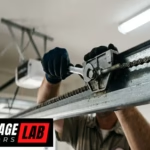
- Spray a thin, even layer along the torsion springs (above the door).
- Wipe off any excess with a rag.
- Open and close the door a few times to work the lubricant in.
Step 3: Lubricate Hinges
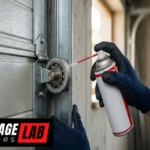
- Spray each hinge where it bends as the door moves.
- Avoid getting lubricant on the door panels themselves.
- Wipe away drips or extra spray.
Step 4: Lubricate Rollers
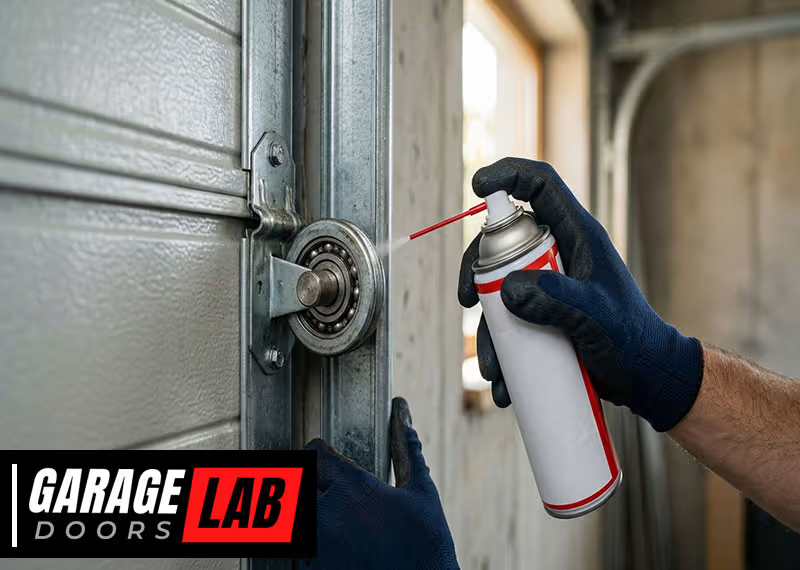
- Spray the metal rollers where the shaft meets the wheel.
- Rotate the roller by hand to spread lubricant.
- Do not lubricate nylon rollers with sealed bearings.
Step 5: Clean And Check Tracks
- Wipe tracks with a dry cloth—no lubricant inside.
- Remove any debris or buildup.
- If necessary, use a small brush for stubborn dirt.
Step 6: Lubricate Bearing Plates And Pulleys
- Spray bearing plates at the ends of the spring bar.
- Lubricate pulleys if your door uses cables.
Step 7: Lubricate Lock And Arm Bar
- Spray the lock mechanism and arm bar.
- Turn the lock or move the bar to work in the lubricant.
Step 8: Test And Inspect
- Plug in the garage door opener.
- Open and close the door several times.
- Listen for any unusual noises. If the door is still noisy, check for missed parts or call a professional.
Pro Tip: Lubricate on a mild day. Extreme cold or heat can affect how the lubricant spreads and sticks.
Common Mistakes When Lubricating Garage Doors
Even well-meaning homeowners can make simple errors. Avoid these common pitfalls:
- Using the wrong lubricant: Not all lubricants are equal. WD-40 is for cleaning, not lubricating.
- Over-lubricating: More is not better. Excess attracts dust and dirt.
- Lubricating tracks: This causes rollers to slide, not roll, leading to faster wear.
- Missing key parts: Skipping hinges, springs, or bearing plates reduces the benefits.
- Ignoring safety: Always unplug the opener and wear safety glasses for overhead work.
An extra insight: If you notice black dust on the door or floor, it may be a sign of over-lubrication or worn-out parts, not just dirty lubricant.
How Regular Lubrication Affects Garage Door Lifespan
Lubrication isn’t just about the here and now. Consistent care can add years to your garage door’s useful life.
- Less Wear: Smooth movement means less strain on every part.
- Fewer Repairs: Lubricated doors are less likely to break springs, rollers, or openers.
- Better Safety: Well-cared doors are less likely to jam or fall.
- Higher Home Value: Buyers notice if your garage door operates smoothly.
A homeowner who lubricates twice a year can expect the door and opener to last 15–20 years or more. Skipping maintenance cuts this in half.
How Garage Door Usage And Environment Impact Lubrication Frequency
Every garage is different. Here’s how your personal situation changes what “regular” means.
Climate Effects
- Coastal or Humid Areas: Salt air and moisture cause rust. Lubricate every 3–4 months.
- Dusty, Rural, or Industrial Areas: Dust mixes with lubricant, causing grit. Clean and lubricate more often.
- Cold Climates: Thicker grease can harden. Use silicone spray and lubricate before winter.
Usage Patterns
- High-Traffic Homes: Families who use the garage as the main entrance need lubrication every 3 months.
- Vacation Homes: Lubricate before and after long periods of non-use to prevent sticking.
| Usage Type | Recommended Lubrication Frequency | Reason |
|---|---|---|
| Main Entry (high use) | Every 3 months | More cycles = more wear |
| Secondary/rare use | Every 6–12 months | Prevents sticking, rust |
| Near ocean | Every 3 months | Salt causes rapid rust |
Non-obvious tip: If your door sounds noisier in winter, the lubricant may have thickened or dried out. Reapply with a cold-weather formula.
Professional Maintenance Vs. Diy Lubrication
Is it better to call a pro, or can you do it yourself? The answer depends on your comfort level, but most homeowners can handle basic lubrication.
Diy Benefits
- Saves money: No labor costs.
- Immediate results: Fix noises right away.
- Learn about your door: Spot small problems before they become big.
When To Call A Professional
- If the door still squeaks or jerks after lubrication.
- If you see broken springs, cables, or bent tracks.
- If you’re not comfortable working near large springs (they can be dangerous).
A pro can check alignment, balance, and safety features. Many companies offer annual maintenance for $80–$150, which includes lubrication and a full inspection.
For most people, lubricating every 6 months and getting a pro checkup every 1–2 years is a smart balance.
Safety Tips For Lubricating Your Garage Door
Garage doors are heavy and under high tension. Stay safe by following these tips:
- Unplug the opener before working to avoid accidental movement.
- Do not adjust or remove springs unless you’re trained—they can snap with great force.
- Use a step ladder for overhead work, not a chair.
- Wear safety glasses to protect your eyes from drips and spray.
- Keep children and pets away during maintenance.
If you’re unsure, it’s always safer to call a professional.
Lubrication And Other Garage Door Maintenance
Lubrication is just one part of a healthy garage door routine. Combine it with these checks for best results:
- Inspect cables for fraying or wear.
- Check balance: Disconnect the opener and lift the door by hand—it should stay halfway open.
- Test auto-reverse: Place a block under the door and close it. The door should reverse when it touches the object.
- Tighten bolts and screws: Vibration can loosen fasteners over time.
This complete approach keeps your door safe, quiet, and long-lasting.
Environmental Impact And Lubricant Choice
Some lubricants are more eco-friendly than others. Look for products labeled biodegradable or low VOC (volatile organic compounds) if you’re concerned about the environment. Always dispose of empty cans responsibly.
A small amount of the right lubricant can last 6–12 months, so it’s not just good for your door—it’s also efficient and less wasteful.
Real-world Example: The Cost Of Skipping Lubrication
Consider a typical garage door spring replacement. The average cost in the US is $200–$300 for parts and labor. A new opener can run $350–$600. Most of these repairs are caused by excess friction and lack of maintenance.
One homeowner in Texas reported needing two spring replacements in five years—each time after forgetting to lubricate. After switching to every-4-month maintenance, their springs lasted over seven years.
Small effort, big savings.
Recommended Lubrication Schedule (sample)
Want an easy reminder? Here’s a sample schedule:
- January/February: Lubricate all moving parts (before coldest weather).
- June/July: Lubricate again (before peak summer use).
- After heavy storms or cleaning: Check and lubricate as needed.
Set a calendar reminder or mark your maintenance dates near the garage switch.
Non-obvious Lubrication Tips Most People Miss
- Lubricate both sides of the hinges: Many people only spray one side. Move the door halfway open to access every hinge.
- Check for sticky residue: If you see gummy buildup, clean before relubricating. Old lubricant mixed with dust can actually cause more noise.
- Use a straw attachment for sprays: This helps you reach tight spots and avoid over-spraying panels or windows.
- Listen after lubricating: If the door is still noisy, stop and check for bent or loose parts. Lubrication can’t fix alignment problems.
- Write down the date: Keeping a simple log (in your phone or notebook) helps you stay consistent.
These little steps set your maintenance apart from the average homeowner—and extend your door’s life.
Frequently Asked Questions
How Do I Know If My Garage Door Needs Lubrication?
If you hear squeaking, grinding, or rattling, or if the door moves slowly or unevenly, it’s time to lubricate. Also, check for visible rust or if the door feels stiff. Regular checks prevent bigger problems.
Can I Use Wd-40 To Lubricate My Garage Door?
The original WD-40 is not a true lubricant. It’s designed to clean and loosen stuck parts, not for long-lasting lubrication. Use a silicone spray or white lithium grease instead for best results.
Is It Safe To Lubricate Garage Door Springs Myself?
You can lubricate springs safely by spraying a light coat and avoiding contact with your hands. Never try to adjust or remove springs—they are under high tension and can cause injury. Call a professional for repairs.
What Happens If I Never Lubricate My Garage Door?
Lack of lubrication leads to faster wear, more noise, and eventually broken parts. Repairs like spring or roller replacement can cost hundreds of dollars. Regular lubrication prevents these issues and keeps your door running smoothly.
Where Can I Find More Information On Garage Door Maintenance?
The International Door Association offers detailed maintenance tips and safety advice for homeowners. You can visit their site at International Door Association for trusted resources.
Taking care of your garage door with regular lubrication is simple, but it makes a big difference. With the right schedule, products, and technique, you’ll enjoy a quieter, safer, and longer-lasting door—while avoiding expensive surprises. Your garage will thank you every time you come home.