
Now Reading: Garage Door Will Not Go Down? Troubleshoot and Fix Fast
- 01
Garage Door Will Not Go Down? Troubleshoot and Fix Fast

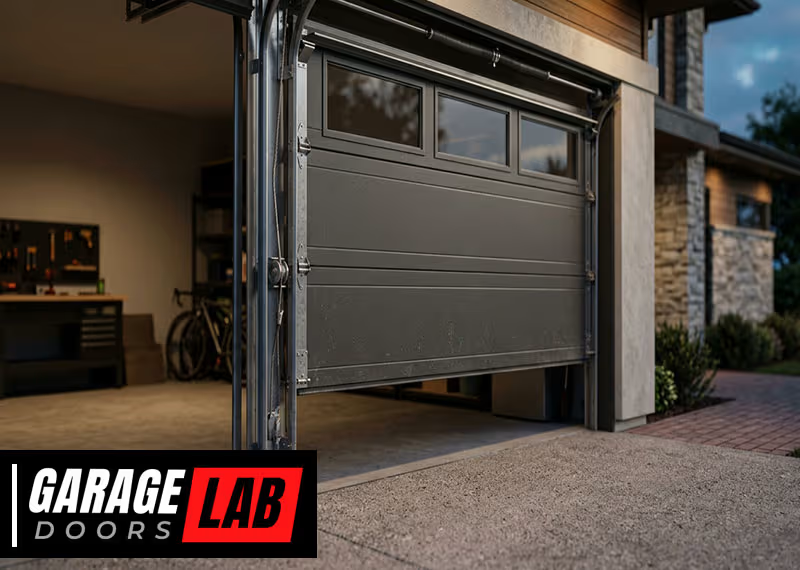
A garage door that refuses to go down can disrupt your day and leave your home vulnerable. Many homeowners face this problem and feel unsure where to start. The issue may seem simple, but its causes range from small, easy-to-fix errors to complex mechanical failures.
Understanding the reasons—and knowing how to troubleshoot—can save time, money, and frustration.
This guide breaks down every major cause, offers clear steps for diagnosis, and explains when to call in a professional. Whether your garage door stalls, reverses, or won’t move at all, you’ll find practical advice here. Let’s get your garage door working safely and reliably again.
Common Reasons A Garage Door Will Not Go Down
Multiple factors can prevent a garage door from closing. Here are the most frequent causes, each explained in detail with practical tips.
1. Safety Sensors Blocked Or Misaligned
Modern garage doors include safety sensors near the floor on both sides. These sensors send an invisible beam across the door’s opening. If something blocks the beam, or if the sensors are not properly aligned, the door will not close.
- How to check: Look for small lights on the sensors. Both should be solid (usually green or orange). If one or both are off or blinking, there’s a problem.
- Common obstructions: Dirt, spider webs, leaves, or even a trash can.
- Fix: Clean the sensor lenses gently. Adjust the sensors so the lights are solid. Use a tape measure to check their height if needed.
- Extra insight: Sometimes, sunlight shining directly into a sensor can cause false readings. Try shading the sensor and see if the door works.
2. Objects In Doorway Path
Anything blocking the garage door’s path will trigger the safety system. Even small items—like a broom handle or a kid’s toy—can stop the door from closing.
- Check the floor: Make sure nothing is under or near the door.
- Inspect tracks: Sometimes, debris can sit in the door’s tracks and stop movement.
3. Faulty Or Loose Wiring
Garage doors rely on electrical wiring for signals between the opener, sensors, and wall controls. Wires can loosen, break, or corrode over time.
- Signs of wiring issues: Sensors blink or go dark, controls fail to respond, or the door operates intermittently.
- Quick test: Try the wall button and the remote. If neither works, power may be disconnected, or wiring may be faulty.
- What to do: Check for visible loose wires at the sensors and wall switch. If comfortable, tighten connections. For deeper issues, call a professional.
4. Garage Door Opener Malfunction
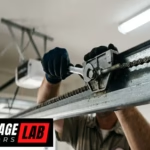
The garage door opener is the motorized unit that lifts and lowers your door. Internal problems can prevent it from lowering the door.
- Symptoms: Opener makes noise but doesn’t move the door, or the opener light blinks.
- Possible causes: Overheated motor, worn gears, or logic board failure.
- Action: Unplug the opener for a few minutes and plug back in. If the problem continues, further diagnosis is needed.
5. Remote Control Or Wall Button Problems
If your remote control or wall button isn’t working, the door may not receive the signal to close.
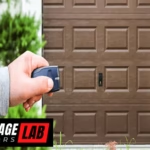
- Remote control: Check the battery, clean the contacts, and try standing closer to the door.
- Wall button: Make sure it’s not stuck or damaged.
- Tip: Test both the remote and wall button. If one works and the other doesn’t, the issue is likely with the device, not the opener.
6. Limit Switch Needs Adjustment
Garage door openers have limit switches that tell the motor how far to open or close the door. If the close limit is set too high, the opener thinks the ground is an obstacle and reopens the door.
- Sign: Door closes almost completely, then reverses.
- How to adjust: Locate the limit adjustment screws on the opener (usually labeled “up” and “down”). Turn the “down” screw slightly, then test the door.
- Caution: Make small adjustments. Over-adjusting can cause the door to slam shut.
7. Broken Or Weak Springs
Springs balance the door’s weight, making it easy for the opener to move. If a spring breaks or weakens, the opener may not have enough power to close the door.
- Observation: Door feels heavy or slams shut when disconnected from the opener.
- Warning: Never try to repair springs yourself. They are under high tension and can cause serious injury.
- What to do: If you suspect a broken spring, contact a trained technician.
8. Damaged Or Bent Tracks
Garage doors travel on metal tracks. If the tracks are bent, blocked, or out of alignment, the door may jam or reverse.
- Check for: Gaps between the rollers and tracks, bent sections, or debris.
- Minor fix: Gently tap bent tracks back into place with a rubber mallet.
- When to call for help: Major damage or recurring issues require professional repair.
9. Door Rollers Off Track
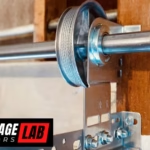
Rollers guide the door along the tracks. If a roller comes out of its track, the door may not move or could stick halfway.
- What to look for: Door looks crooked or wobbly when trying to close.
- Temporary fix: If you’re skilled, you might lift the door and guide the roller back in. Otherwise, get expert help.
10. Manual Lock Engaged
Most garage doors have a manual lock or slide bolt for extra security. If this lock is engaged, the opener cannot move the door.
- Symptoms: Opener hums but the door does not move. You may hear a loud bang as the opener strains.
- Solution: Check inside the door for a lock handle or bolt. Disengage it before operating the opener.
11. Power Supply Problems
If the power supply to the opener is interrupted, the door won’t operate.
- Quick check: Plug a lamp into the same outlet as the opener. If it doesn’t work, check the circuit breaker or GFCI outlet.
- Extra insight: Sometimes, a power surge or storm can trip the circuit. Reset and test again.
12. Interference From Other Devices
Wireless signals from other electronics—like LED light bulbs, Wi-Fi routers, or even neighbors’ remotes—can interfere with your garage door system.
- Clues: Door works sometimes but not always, or only from close range.
- Try: Change the battery in your remote, move electronics away from the opener, or reprogram the remote.
13. Weather-related Issues
Extreme cold, heat, or moisture can affect the door’s movement.
- Cold: Metal parts contract, making movement harder.
- Heat: Components may expand or warp.
- Moisture: Can cause rust or swelling in wooden doors.
- Tip: Lubricate moving parts with appropriate oil, and clear ice or snow from the tracks.
14. Control Board Or Logic Board Failure
The opener’s logic board is the “brain” of the system. Power surges, age, or water can cause it to fail.
- Symptoms: Random operation, lights blink, or nothing happens when you press buttons.
- What to do: If all other causes are ruled out, a new logic board may be needed.
15. Misadjusted Force Setting
Garage openers have a force setting that controls how much power is used to open or close the door. If set too low, the door may stop or reverse before closing.
- How to adjust: Find the force adjustment dial on the opener. Increase gradually and test after each adjustment.
- Caution: Too much force can be dangerous and cause injury or damage.
Troubleshooting Steps
Diagnosing why your garage door will not go down is easier if you use a step-by-step approach. Here’s a clear path to follow.
Step 1: Test The Door With The Wall Button
Press the wall button inside your garage. If the door works, but your remote doesn’t, the problem is likely with your remote.
Step 2: Check The Safety Sensors
Look for solid lights on both safety sensors. Clean them with a soft cloth. Make sure they’re perfectly aligned. If the lights remain off or blink, check the wiring.
Step 3: Remove Obstructions
Look at the floor and tracks. Remove any items, dirt, or debris. Check if the door closes now.
Step 4: Test The Power Supply
Plug another device into the garage door opener’s outlet. If there’s no power, check your breaker box or GFCI outlet.
Step 5: Inspect The Door Tracks And Rollers
Carefully examine the tracks for bends, gaps, or obstructions. Make sure all rollers are inside the tracks.
Step 6: Listen For Unusual Noises
Loud grinding, popping, or buzzing can point to mechanical problems or a broken spring.
Step 7: Try The Manual Release
Pull the emergency release cord (usually red) to disconnect the door from the opener. Try moving the door by hand. If it’s hard to move, the problem is mechanical.
Step 8: Adjust The Limit Switch
Look for limit adjustment screws on your opener. Make small changes, then test the door.
Step 9: Review The Remote Control And Wall Button
Replace the remote’s battery. Test both controls. Clean the wall button if sticky.
Step 10: Check For Manual Lock
Make sure no manual lock or slide bolt is engaged inside the door.

Data Comparison: Common Problems And Fixes
Here’s a quick side-by-side look at common garage door issues and their usual solutions.
| Problem | Signs | Typical Solution |
|---|---|---|
| Blocked Sensors | Sensors blink or door reverses | Clean or realign sensors |
| Obstruction in Path | Door won’t close, light flashes | Remove objects/debris |
| Remote Not Working | Wall button works, remote doesn’t | Change battery, reprogram remote |
| Broken Spring | Door heavy, won’t move | Call professional repair |
| Track Misalignment | Door jams or is crooked | Realign or repair tracks |
When To Call A Professional
While many garage door problems are easy to fix, some situations require expert help. Attempting dangerous repairs, like working with springs or high-voltage wiring, can cause serious injury.
Call A Professional If:
- Springs are broken or look stretched.
- The door is off its tracks or hangs unevenly.
- There are burn marks or melting near wiring.
- Adjustments and simple fixes do not work.
- The opener makes loud noises or smells like burning.
Experienced technicians have the right tools and training. Don’t risk injury to save a few dollars—safety always comes first.
Preventing Garage Door Problems
Regular maintenance can help avoid future trouble. Here are practical steps:
- Clean sensors every few months with a soft cloth.
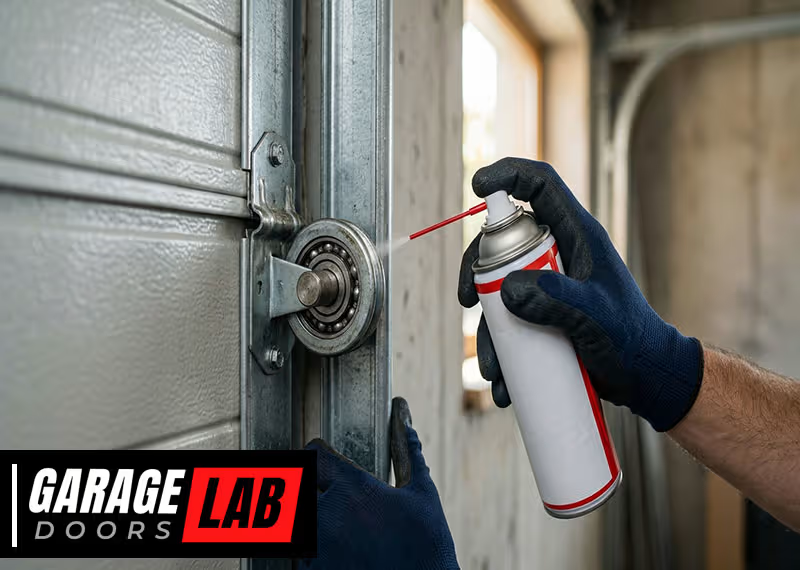
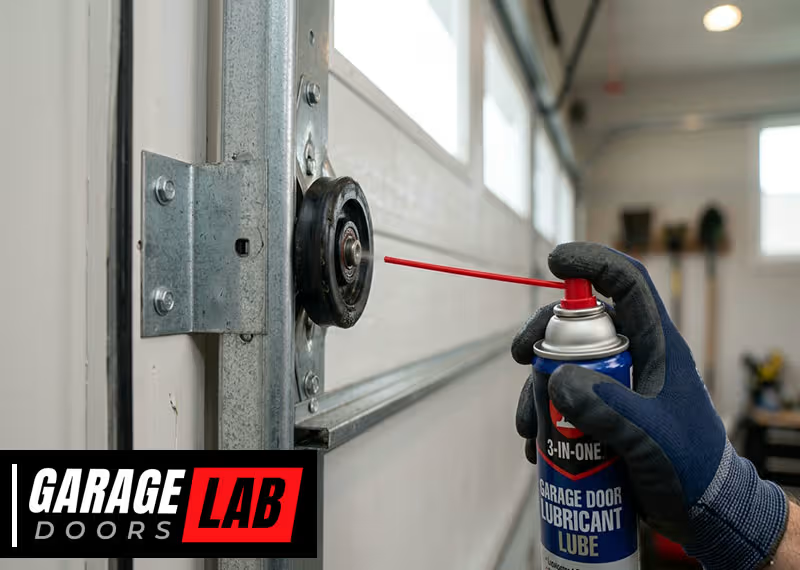
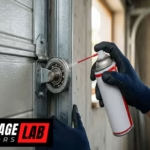
- Lubricate rollers, tracks, and hinges twice a year using garage door lubricant (not WD-40).
- Inspect springs and cables for signs of wear.
- Test the auto-reverse feature each season: Place a roll of paper towels under the door and close it. The door should reverse on contact.
- Check for loose screws or bolts and tighten as needed.
- Replace remote batteries each year.
A little maintenance now can prevent big repairs later.
Special Situations: Unique Door Types
Not all garage doors are the same. Here’s what you should know about different styles:
Sectional Doors
Most common in US homes. Hinged panels travel along tracks. All troubleshooting tips above apply.
One-piece Tilt-up Doors
Open as one solid piece. May have unique springs and hardware. Watch for extra weight and alignment issues.
Roll-up Doors
Often used in commercial garages. Thin steel slats roll into a drum. Problems may include stuck slats or jammed drums.
Smart Garage Door Openers
Wi-Fi-enabled openers may fail due to app issues or internet outages. Always check your app and router before assuming a hardware problem.
Table: Common Garage Door Types And Unique Issues
| Garage Door Type | Common Problems | Extra Tips |
|---|---|---|
| Sectional | Sensor, track, or spring issues | Lubricate joints regularly |
| Tilt-Up | Spring failure, alignment | Check hardware annually |
| Roll-Up | Drum jams, slat damage | Inspect slats for dents |
| Smart Opener | App or Wi-Fi failure | Restart router and opener |
How To Test Garage Door Safety Systems
Every modern garage door has built-in safety features. Testing them regularly keeps you and your family safe.
Auto-reverse Test
- Place a roll of paper towels under the center of the door.
- Close the door using the wall button.
- The door should touch the towels and reverse automatically.
- If not, adjust the force and limit settings and repeat the test.
Sensor Test
- Start closing the door.
- Wave an object (like a broomstick) across the sensor path.
- The door should stop and reverse.
- If it doesn’t, clean and realign the sensors.
Manual Release Test
- With the door closed, pull the emergency release cord.
- Try lifting the door by hand.
- It should move smoothly and stay open about 3–4 feet above the ground.
- If it slams shut or is hard to move, call a professional.
Table: Safety Tests And What They Reveal
| Test | Expected Result | What If It Fails? |
|---|---|---|
| Auto-Reverse | Door reverses on contact | Adjust force/limit or call technician |
| Sensor Interruption | Door stops and reverses | Clean/realign sensors |
| Manual Release | Door moves smoothly | Check for spring or track issues |
Two Insights Most Beginners Miss
- Sunlight can fool sensors: Direct sunlight sometimes shines into a sensor, making the opener think something is blocking the door. Try shading the sensor or moving it slightly.
- GFCI outlets trip silently: Many garages have a GFCI outlet (with a reset button) controlling all power. If your opener suddenly doesn’t work, check for a tripped GFCI—even if other outlets seem fine.
Real-world Example
A homeowner in Ohio found their garage door wouldn’t close on sunny afternoons. After cleaning sensors and checking for obstructions, they noticed the problem only happened when the sun was low. By shading the sensor with a small box, the door worked perfectly.
This shows how environmental factors can play a role, not just mechanical parts.
Garage Door Safety Tips
- Never disable safety sensors: They prevent injury and damage.
- Don’t force a stuck door: Forcing can bend tracks or break springs.
- Keep remotes out of reach of children.
- Schedule annual inspections if your door is more than five years old.
How To Choose A Garage Door Technician
If you need help, pick a technician who is:
- Licensed and insured
- Experienced with your door type
- Well-reviewed in your area
- Upfront about pricing
Get estimates in writing and ask about warranties on both labor and parts.
Costs To Expect
Here’s a rough guide to garage door repair costs in the US:
- Sensor cleaning/adjustment: $50–$100
- Track alignment: $100–$150
- Spring replacement: $150–$350
- Logic board replacement: $100–$250
Prices vary by region and door type.
Where To Find More Information
The International Door Association provides homeowner education and a directory of certified professionals. Visit International Door Association for more details.
Frequently Asked Questions
Why Does My Garage Door Reverse After Touching The Ground?
This usually means the limit switch is set incorrectly, or the opener senses too much force. Adjust the “down” limit screw slightly and test again. If the problem continues, check for obstructions in the tracks.
Can I Fix A Broken Garage Door Spring Myself?
No. Garage door springs are dangerous and under high tension. Trying to fix them without proper tools and training can cause serious injury. Always call a professional for spring repairs.
My Sensors Are Aligned, But The Door Still Won’t Go Down. What Else Can I Try?
If both sensor lights are solid, but the door won’t close, check for wiring issues, limit switch settings, or possible control board failure. Also, check for direct sunlight hitting the sensors.
How Often Should I Lubricate My Garage Door?
Lubricate the rollers, hinges, and tracks every six months with a silicone-based garage door lubricant. Avoid using heavy grease or WD-40, which can attract dirt.
What Should I Do If My Remote Works, But The Wall Button Does Not?
If your remote control operates the door, but the wall button does not, check the wiring at the wall button and opener. Sometimes, the button contacts get dirty—clean them gently. If this doesn’t work, replace the wall button.
A garage door that won’t go down is more than a simple annoyance—it’s a potential safety and security risk. With the right troubleshooting steps, most problems can be solved quickly. For major repairs, don’t hesitate to seek expert help. Regular maintenance is the best way to keep your garage door reliable for years to come.