
Now Reading: How to Make Garage Door Quieter: Simple Tips for a Peaceful Home
- 01
How to Make Garage Door Quieter: Simple Tips for a Peaceful Home
How to Make Garage Door Quieter: Simple Tips for a Peaceful Home

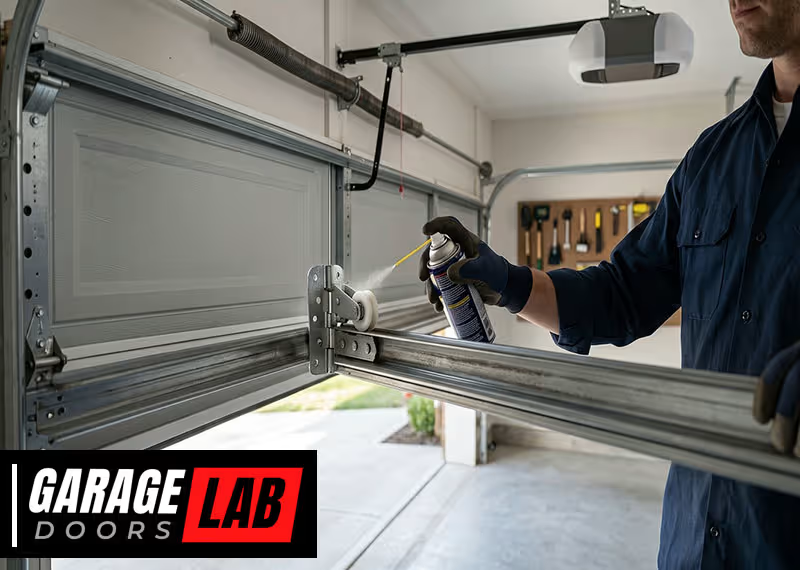
Anyone who has lived with a noisy garage door knows how much it can interrupt daily life. The loud grinding, banging, or screeching sounds can wake up your family, disturb your neighbors, or even make you avoid using the garage altogether. A quiet garage door makes mornings smoother and evenings less stressful. The good news? You don’t need to buy a brand-new door to reduce the noise. With the right approach, tools, and understanding, you can make your garage door quieter and enjoy a more peaceful home environment.
This article gives you a complete guide to silencing your garage door. Whether your door is making a dull rumble or a sharp screech, you’ll learn why it happens and what you can do, step by step. You’ll find practical advice, clear instructions, and smart tips that most beginners miss.
If you want to improve comfort and cut down on noise, you’re in the right place.
Understanding Garage Door Noise
Before you start fixing, it helps to know where the noise comes from. A typical garage door has many moving parts: rollers, hinges, springs, tracks, and the opener system. Over time, these parts wear out, dry up, or get out of alignment. Weather, dust, and lack of maintenance also make things worse.
Some common sources of garage door noise include:
- Metal rollers moving in metal tracks
- Loose hardware like nuts, bolts, or hinges
- Worn out springs or pulleys
- Chains or belts on the opener becoming loose or dry
- Panels rattling due to poor insulation or design
Understanding the root cause makes it easier to choose the right solution. Sometimes, you’ll need to address more than one issue to get the best results.
But not all noises are the same. For example, a high-pitched squeal usually points to dry metal parts, while a low, vibrating rumble often comes from the opener or loose mounts. If you hear a banging or “pop,” it’s often caused by a worn hinge or an unbalanced spring.
Pay attention to when the noise happens—does it start as soon as the door moves, or only near the end of travel? These clues can help you pinpoint the problem faster.
Extra insight: Sometimes, garage door noise is made worse by the way sound echoes in an empty garage. If you have lots of bare walls and floors, even small noises will sound much louder.
Initial Inspection And Safety
Never start repairs without a basic safety check. Garage doors are heavy, and their springs are under high tension. Improper handling can lead to injury.
- Disconnect Power: Always unplug the garage door opener before working on the door.
- Release the Door: Use the manual release to disconnect the door from the opener. This lets you move the door by hand.
- Check Balance: Lift the door halfway. If it stays, it’s balanced. If not, you may have spring issues.
- Inspect Moving Parts: Look for obvious damage, rust, or loose hardware.
Tip: Always wear gloves and safety glasses. If you’re unsure about springs or cables, call a professional. These parts can be dangerous if handled incorrectly.
Take a few minutes to watch the door move up and down. Listen carefully and look for any jerky motion, wobbling, or parts that shake more than others. This simple check helps you spot problems early. Don’t forget to check both sides of the door—sometimes, an issue on one side causes the whole system to be noisy.
Extra example: If the door is suddenly much heavier or slams shut, don’t force it. This often means a spring has failed, and continuing to use the door could cause more damage.
Lubrication: The First Step To Quiet
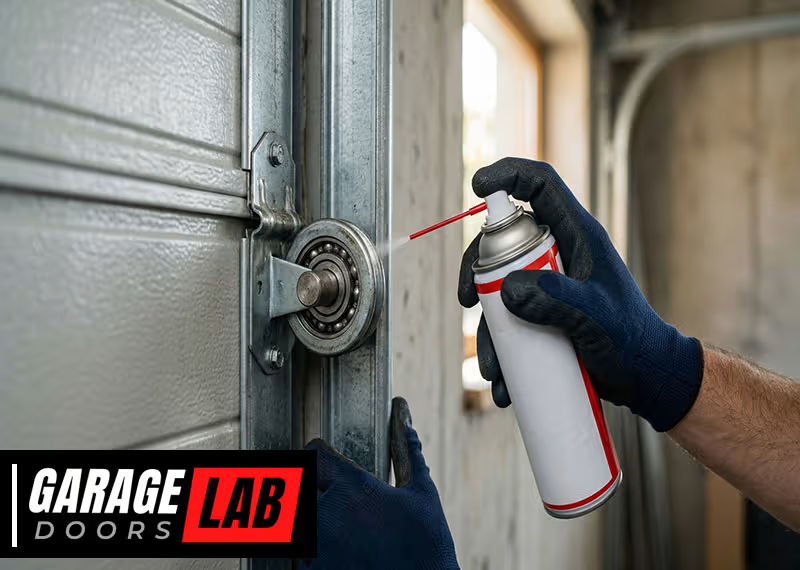
One of the easiest and fastest ways to reduce garage door noise is proper lubrication. Most people skip this, but it makes a huge difference.
Choosing The Right Lubricant
Not all lubricants are equal. Avoid WD-40 or basic household oils. They’re not designed for garage doors and can attract dust or break down quickly.
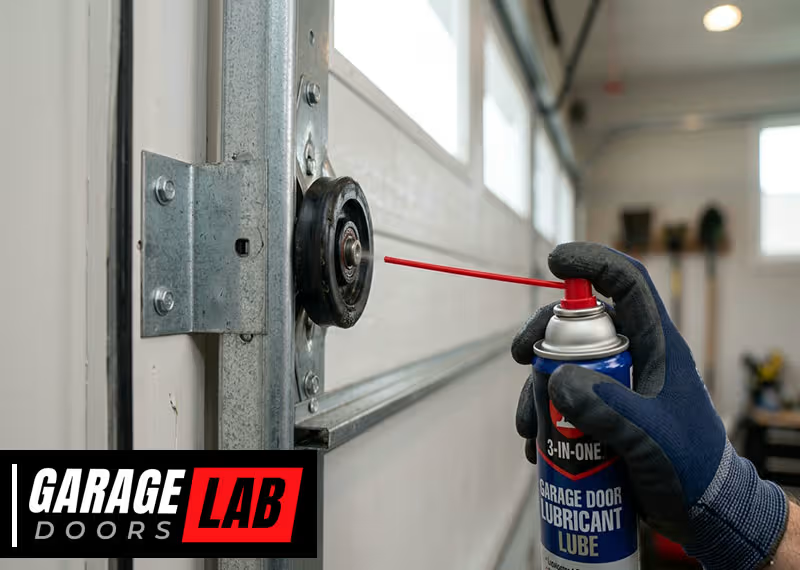
Use a silicone-based or lithium-based spray specifically made for garage doors. These last longer and don’t gum up.
| Lubricant Type | Best Use | Pros | Cons |
|---|---|---|---|
| Silicone Spray | Rollers, Hinges, Tracks | Resists dust, long-lasting | May drip if over-applied |
| White Lithium Grease | Openers, Springs | Thick, stays in place | Can attract dirt over time |
| WD-40 | Cleaning only | Removes rust | Not a long-term lubricant |
Where To Apply Lubricant
Focus on these parts:
- Rollers (avoid plastic rollers)
- Hinges
- Springs
- Bearings
- Opener chain or screw
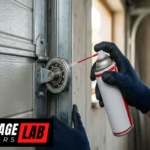
Wipe off old grease and dust before spraying. Apply a small amount, move the door, and wipe away excess. Too much lubricant can drip onto your car or floor.
Pro insight: Most people forget to lubricate the end bearings and the spring bar. These are often hidden but can be significant noise sources.
When lubricating, move the door several times after spraying. This helps spread the lubricant evenly and works it into tight spots. If you notice any buildup of black or sticky residue, clean it off before applying new lubricant. Dirty parts can make noise worse and shorten the life of your hardware.
Less obvious detail: Some lubricants come with a straw or nozzle. Use it to reach tight spots inside hinges and behind the roller wheels, where friction builds up but is easy to miss.
Tightening And Replacing Hardware
Loose nuts, bolts, and screws are a top cause of garage door noise. Over time, vibration makes hardware loosen up.
How To Tighten Hardware
- Use a socket wrench or screwdriver to check every bolt and screw.
- Pay attention to hinges, brackets, and opener mounting points.
- Do not overtighten. Snug is enough—too tight can damage the door.
Hidden insight: Hinges between door panels often loosen first. Check these even if the outside hardware looks fine.
As you go, check for parts that move or wiggle when the door operates. Even a slightly loose hinge can create a popping or rattling sound. If you hear noise only when the door bends at the seams, look closely at the hinges and fasteners at those points.
When To Replace Hardware
If you see worn, bent, or rusted parts, replace them. Hinges and brackets are cheap but essential for quiet operation.
Example: A single worn hinge can cause loud popping or banging each time the door moves. Replacing it can eliminate these sounds instantly.
Extra tip: If you’re not sure if a part is “worn out,” compare it to the others. If it looks different, feels loose, or has metal shavings around it, it’s time for a new one.
Upgrading Rollers For Less Noise
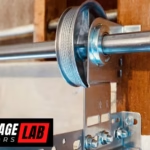
Garage door rollers are often metal, which means metal-on-metal contact. This makes a lot of noise, especially as rollers wear out.
Types Of Rollers
- Metal Rollers with Ball Bearings: Durable but noisy.
- Nylon Rollers: Quieter and often longer-lasting.
- Plastic Rollers: Quiet but wear out quickly and support less weight.
| Roller Type | Noise Level | Durability | Maintenance |
|---|---|---|---|
| Metal | High | 10,000 cycles | Needs regular lubrication |
| Nylon (with bearings) | Low | 15,000-20,000 cycles | Low maintenance |
| Plastic | Low | 5,000 cycles | Rarely used in heavy doors |
Advice: Most noise reduction comes from switching to nylon rollers with ball bearings. These cost a bit more but make a noticeable difference. You can install them yourself, but always support the door properly and work one roller at a time.
Non-obvious tip: Check if your opener warranty requires specific types of rollers before changing them.
When you replace rollers, take care not to remove all the rollers at once. Instead, do one at a time to keep the door stable. If you’re not sure about the size or type, take an old roller to the hardware store for comparison.
Extra example: After installing nylon rollers, many homeowners notice the difference right away—not only is the door quieter, but it also feels smoother and lighter to operate.
Adjusting And Maintaining Garage Door Springs
Springs do most of the heavy lifting. If they’re dry or out of balance, they can creak, groan, or bang.
Types Of Springs
- Torsion springs: Above the door, parallel to the top panel.
- Extension springs: Along the sides, stretching as the door moves.
Keeping Springs Quiet
- Lubricate torsion springs with garage door spray lubricant.
- Listen for popping, squeaking, or rattling.
- If you hear loud bangs, the spring may be about to break.
Never try to replace or adjust springs yourself unless you’re trained. Springs are under high tension and can cause serious injury.
Expert tip: If your door shakes or vibrates, it may be a sign the springs are out of balance, not just noisy. Call a pro for adjustment.
Practical detail: Lubricate springs by spraying them along their length, then open and close the door several times to work the lubricant in. This not only reduces noise but extends spring life by preventing rust.
Extra warning: If you see a gap in a torsion spring, or if an extension spring is stretched out and doesn’t contract, stop using the door. A broken spring can cause the door to fall unexpectedly.
Silencing The Opener System
The opener is often a hidden source of garage door noise. The type of drive system matters.
Types Of Garage Door Openers
- Chain-drive: Most common, but often noisy.
- Belt-drive: Much quieter, uses a rubber belt.
- Screw-drive: Mid-level noise, requires regular lubrication.
- Direct-drive: Very quiet, but less common.
| Opener Type | Noise Level | Maintenance | Cost |
|---|---|---|---|
| Chain-drive | High | Lubricate chain regularly | Low |
| Belt-drive | Low | Minimal | Medium-High |
| Screw-drive | Medium | Lubricate screw every 2-3 months | Medium |
| Direct-drive | Very Low | Minimal | High |
Upgrade tip: If you have a chain-drive system and noise is a problem, consider switching to a belt-drive opener. This is especially worth it for attached garages or bedrooms above the garage.
Maintaining The Opener
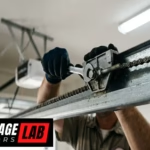
- Lubricate moving parts (chain or screw drive).
- Tighten mounting bolts to the ceiling and wall.
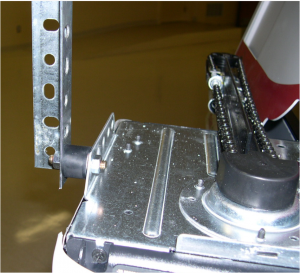
- Add vibration pads between the opener and mounting surface. These are cheap rubber or cork pads that absorb vibration and stop it from traveling into the house structure.
Experience insight: Many people don’t realize that loose opener mounts can make the whole ceiling vibrate, amplifying noise. Tighten these bolts and use pads for a quick improvement.
Extra example: If your opener makes a loud hum or buzz, check the motor itself. Sometimes, loose parts inside the motor casing or worn gears add noise.
Soundproofing The Door And Garage
Sometimes, noise travels simply because the garage is a big, empty box. Sound bounces off hard surfaces and echoes.
Steps To Soundproof
- Add insulation to the garage door panels. Use foam board or reflective insulation kits.
- Seal gaps around the door with weatherstripping. This stops rattling and outside noise.
- Install rubber bottom seals to reduce the slam when the door closes.
- Hang sound-absorbing materials on the walls or ceiling. Old carpets, blankets, or acoustic panels can help.
Practical example: After adding foam insulation and weatherstripping, many people find their garage door is not just quieter, but also keeps the garage warmer in winter and cooler in summer.
Non-obvious insight: Even simple changes like adding a few storage shelves, hanging bikes, or placing boxes along the walls can break up sound waves and reduce echo.
Addressing Panel And Track Issues
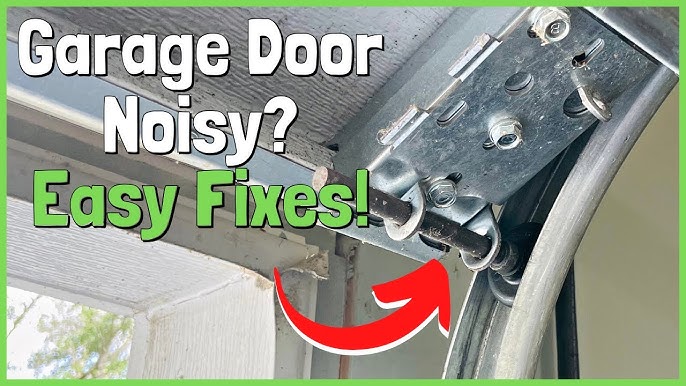
If you hear rattling or banging, the panels or tracks might be at fault.
Checking And Fixing Tracks
- Inspect for dents, bends, or debris.
- Clean tracks with a damp cloth.
- Realign tracks if they’re out of position. Use a rubber mallet and level.
If the door drags or jerks as it moves, the tracks could be misaligned. Small adjustments with a level and gentle tapping usually solve the problem. Tracks should be parallel and not pinch the rollers.
Stabilizing Panels
- Check for loose panel connections.
- Add insulation if panels are hollow and vibrate.
- Replace damaged panels if they’re cracked or warped.
Hidden issue: Sometimes, track anchors come loose from the wall. This makes the whole track vibrate and sound much louder. Tightening these anchors is an easy fix that many homeowners miss.
Extra detail: If you notice a panel flexing or making a drum-like sound, adding adhesive-backed foam strips inside the panel can help absorb vibration and reduce noise.
Upgrading Or Adjusting Door Seals
Seals do more than keep out drafts—they also cushion the door and reduce noise.
Types Of Seals
- Bottom seal: Runs along the bottom edge of the door.
- Side and top seals: Installed around the frame.
Check seals for wear, cracks, or flattening. Replace old seals to prevent banging and rattling.
Tip: A new bottom seal can turn a loud “bang” into a soft “thud” when the door closes.
Extra example: If your driveway is uneven, a thicker bottom seal can fill gaps and keep out dirt, water, and pests—making your garage quieter and cleaner.
Using Noise Reduction Kits
You can buy garage door noise reduction kits. These usually include:
- Nylon rollers
- Insulation panels
- Vibration isolators
- Lubricants
Kits make it easy to get all parts at once, though you can buy each piece separately if you prefer. They’re ideal if you want a full upgrade in one go.
Smart insight: Some kits include opener vibration pads, which many homeowners don’t think to buy separately.
Extra detail: Kits are especially useful for people who want to do all upgrades at once or aren’t sure what parts to buy. They can also save money compared to buying each part individually.
Special Considerations For Older Garage Doors
Older doors (15+ years) tend to be louder. Materials wear out, and designs were less focused on noise reduction.
If your door is very old and still noisy after all these steps, it might be time to consider:
- Replacing the entire door with a newer, insulated model
- Upgrading the opener to a belt-drive or direct-drive type
Modern doors are designed for quiet operation and energy efficiency. Sometimes, a full replacement saves time and money in the long run.
Non-obvious detail: If your door uses an odd size or type of hardware, upgrading may require adapters or custom parts. Check with a pro before buying new components.
Routine Maintenance For Lasting Quiet
A quiet door doesn’t stay quiet without regular care. Here’s a simple maintenance routine:
- Lubricate all moving parts every 6 months
- Tighten hardware every 3-4 months
- Inspect rollers and hinges for wear
- Replace seals and insulation as needed
- Listen for new noises and address them early
Expert advice: Write the date of your last maintenance on the inside of the door with a marker. This helps you remember and keeps you on schedule.
Extra tip: Make a checklist for your maintenance routine and hang it near the garage light switch. This visual reminder helps you stay consistent and spot problems early.
Mistakes To Avoid
- Using the wrong lubricant: Household oil can attract dirt and gum up parts.
- Ignoring spring problems: Noisy springs might be failing and can snap.
- Overtightening bolts: This can crush panels and make things worse.
- Skipping opener mounts: Many forget to check the opener’s attachment to the ceiling.
- Not replacing worn parts: Old rollers, hinges, or seals will never be quiet, no matter how much you lubricate.
Non-obvious mistake: Don’t forget to check the door when both automatic and manual. Sometimes, the opener masks issues that are only obvious when you move the door by hand.
Another common error: Using too much lubricant can actually make things worse by attracting dust and dirt, leading to sticky buildup that causes more noise.
When To Call A Professional
Some problems are best left to experts:
- Broken springs or cables
- Severely bent tracks
- Motor or opener electrical issues
- Door falls or doesn’t stay open
Professionals have tools and training for safe, fast repairs. If you’re unsure, it’s better to ask for help than risk injury.
For more on garage door maintenance and noise reduction, visit the Family Handyman guide.
Frequently Asked Questions
Why Is My Garage Door Suddenly So Noisy?
Sudden noise often means something has changed—like a loose bolt, dry roller, or worn spring. Inspect for obvious damage or missing parts first. Lubrication is a quick fix, but if the noise is sharp or metallic, stop using the door and check for broken hardware.
Extra detail: Weather changes can also cause metal parts to expand or contract, leading to new noises. If the temperature drops suddenly, re-check all hardware and lubrication.
Can I Use Wd-40 On My Garage Door?
WD-40 is good for cleaning rust or sticky residue, but it’s not a long-term lubricant. Use silicone or white lithium grease for ongoing maintenance. WD-40 evaporates quickly and doesn’t protect against wear.
How Often Should I Lubricate My Garage Door?
Lubricate every 6 months for most homes, or every 3 months in dusty or wet climates. Don’t forget hinges, rollers (except plastic), springs, and opener chains or screws.
Tip: Mark your calendar or set a reminder in your phone to help remember regular maintenance.
Is It Worth Upgrading To A Belt-drive Opener?
Yes, if your garage is attached or has living space above. Belt-drive openers are much quieter than chain drives and require less maintenance. They cost more but last longer and make a clear difference in noise levels.
Are Nylon Rollers Better Than Metal Rollers?
For noise, yes. Nylon rollers are quieter, need less lubrication, and last longer in most cases. They do cost more, but the noise reduction and smoother operation are worth it for many homeowners.
A quiet garage door is possible with some smart maintenance, simple upgrades, and a few hours of your time. Whether you choose to DIY or call a pro, you’ll enjoy a smoother, quieter, and more comfortable home every day.