Now Reading: How Does a Garage Door Opener Work: The Ultimate Guide
- 01
How Does a Garage Door Opener Work: The Ultimate Guide

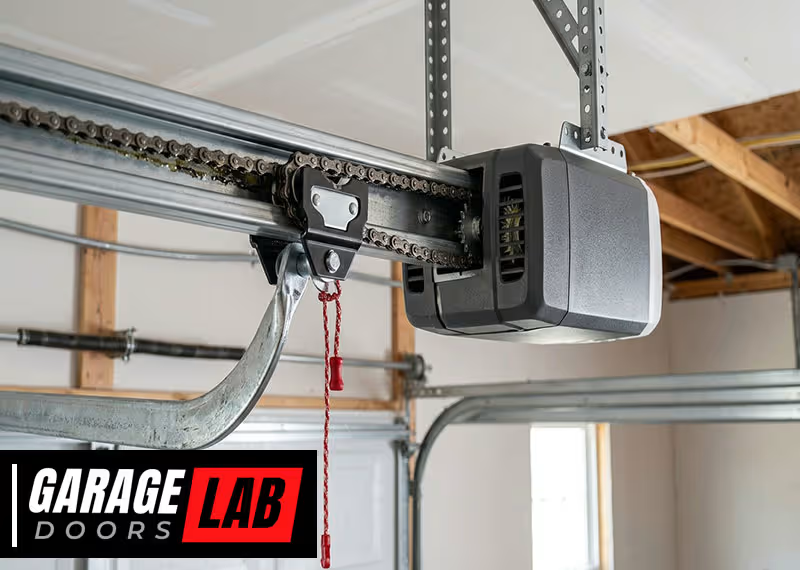
A garage door opener is something most people use every day, but few understand how it truly works. You press a button and, almost like magic, the heavy garage door lifts smoothly. But behind this simple action is a mix of engineering, electronics, safety technology, and smart features that have evolved over decades.
If you’re curious about how your garage door opener works—or you’re considering buying, troubleshooting, or upgrading one—this guide will break down everything you need to know in clear, practical language.
What Is A Garage Door Opener?
A garage door opener is a motorized device that opens and closes garage doors. It’s operated by a switch on the wall or a remote control carried in your car or pocket. The opener controls a mechanism that lifts or lowers the door, making it possible to access your garage without physical effort. Most modern systems also include safety sensors and smart features for convenience.
Main Parts Of A Garage Door Opener
Understanding the main components helps you see how the system works together:
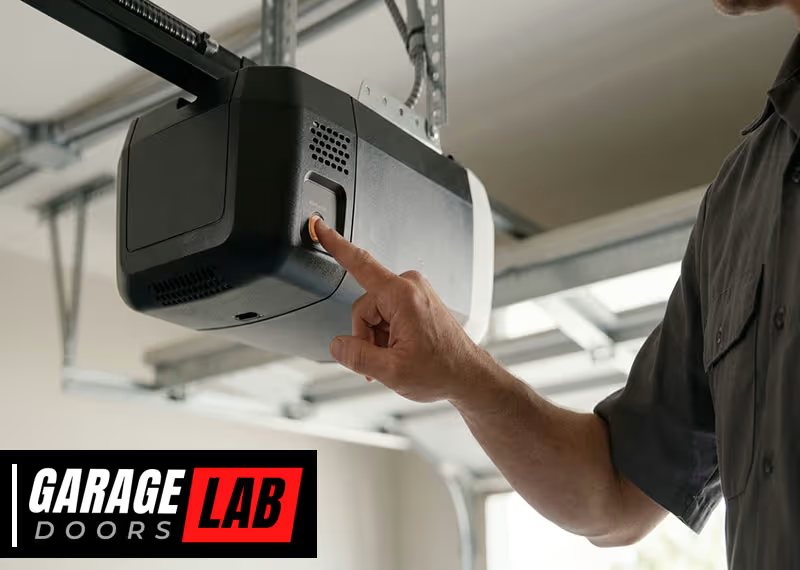
- Power Unit: The motor, usually attached to the ceiling, is the heart of the opener.
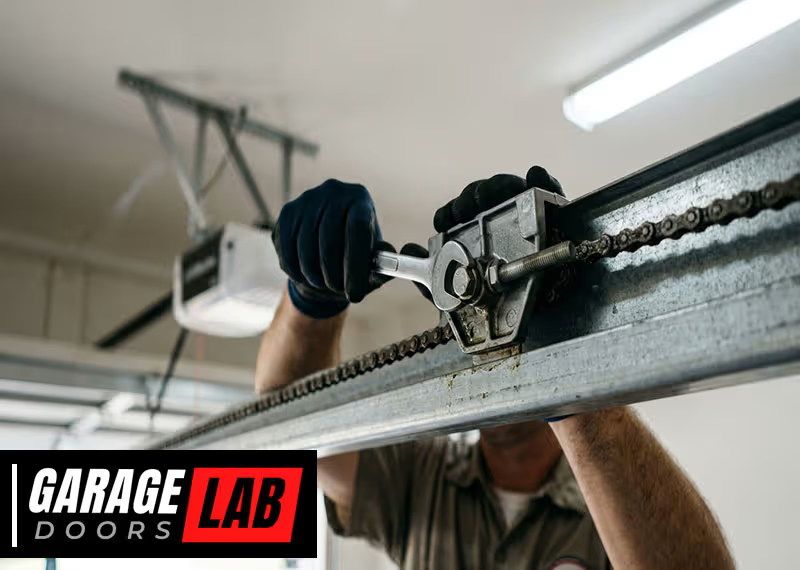
- Drive Mechanism: Connects the motor to the door (chain, belt, screw, or direct).
- Rail: Guides the door as it opens and closes.
- Trolley: Moves along the rail, attached to the garage door.
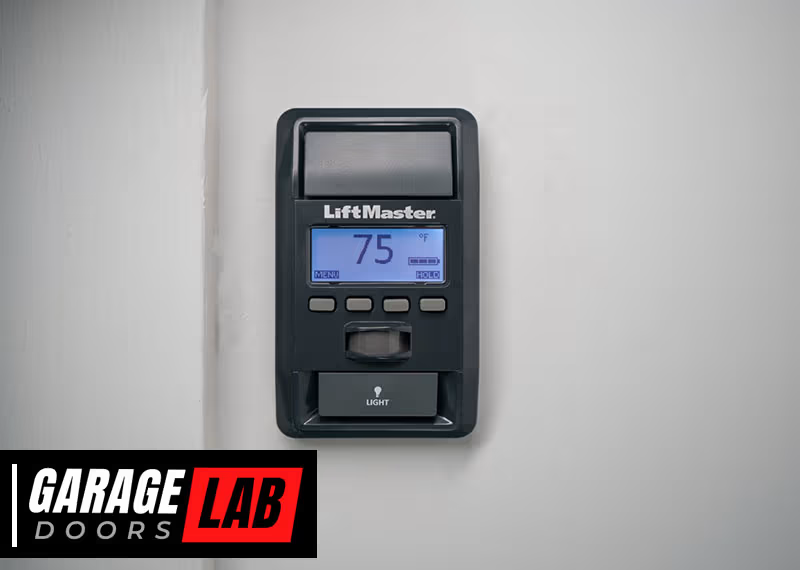
- Remote Control & Wall Switch: The devices you use to send the open/close command.
- Safety Sensors: Detect obstacles to prevent accidents.
- Emergency Release Cord: Lets you disconnect the door from the opener in emergencies.
Let’s look at each part in more detail and see how they work together.
The Power Unit And Motor
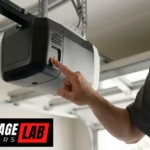
The power unit is usually a small box mounted on the garage ceiling. Inside is an electric motor, often 1/2 or 3/4 horsepower for home doors. When activated, this motor converts electrical energy into mechanical motion, pulling or pushing the door open or closed. The motor’s strength must match the weight and size of your garage door for reliable operation.
Drive Mechanisms: How The Motor Moves The Door
There are several main types of drive systems, each with its own way of transferring the motor’s power to the door.
| Drive Type | How It Works | Pros | Cons |
|---|---|---|---|
| Chain Drive | Metal chain moves the trolley along the rail | Strong, affordable | Noisy, requires lubrication |
| Belt Drive | Rubber belt replaces the chain | Quiet, smooth operation | Costlier, belt can wear out |
| Screw Drive | Threaded steel rod turns to move the trolley | Faster, fewer moving parts | Can be noisy, sensitive to temperature |
| Direct Drive | Motor itself moves along the rail | Quietest, minimal maintenance | More expensive |
Chain Drive
Chain drives are the oldest and most common type. The chain runs between the motor and the trolley, pulling the door open or closed. They’re reliable and strong, making them ideal for heavier doors, but they tend to be noisy.
Belt Drive
Belt drives use a reinforced rubber belt instead of a chain. This makes them much quieter, which is great if your garage is under a bedroom or living space. They cost more but offer smoother movement.
Screw Drive
In screw drive openers, a threaded rod turns inside the rail, moving the trolley. This system has fewer parts, so there’s less to maintain, but the mechanism can be noisy and less reliable in very hot or cold climates.
Direct Drive
A direct drive system is different: the motor itself moves along the rail, pulling or pushing the trolley. This design is extremely quiet and has few moving parts, but it’s usually the most expensive option.
Rail And Trolley
The rail is a long metal track that guides the trolley, which is attached to your garage door. As the drive mechanism moves the trolley along the rail, the trolley pushes or pulls the door via an arm connected to the door’s top section.
Remote Controls And Wall Switches
Most garage door openers include:
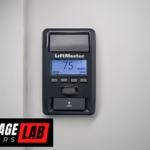
- A wall-mounted button inside the garage
- One or more remote controls (handheld or built into cars)
- Sometimes a wireless keypad for outside entry
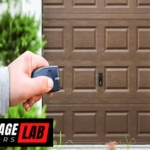
When you press a button, it sends a radio signal to the opener’s receiver, telling it to open or close the door.
Safety Sensors
Modern openers include infrared safety sensors. These are mounted on either side of the door, near the floor. If something (like a child, pet, or object) breaks the invisible beam while the door is closing, the opener will stop and reverse the door’s movement. This feature has been required on all U.S. openers since 1993.
Emergency Release
A red cord hangs from the trolley. Pulling this cord disconnects the door from the opener, allowing you to open or close it by hand—crucial during power outages or if the opener fails.

How The Opening And Closing Cycle Works
Let’s follow what happens, step by step, when you open your garage door:
- Command Sent: You press the remote or wall button.
- Receiver Gets Signal: The opener’s receiver picks up the radio frequency code.
- Motor Activates: The circuit board tells the motor to turn on.
- Drive Moves Trolley: The motor’s rotation is transferred via the drive mechanism to the trolley.
- Door Moves: The trolley pulls the garage door up along the tracks.
- Limit Switches: When the door reaches fully open, limit switches signal the motor to stop.
- Closing: Press the button again, and the cycle reverses.
If the safety sensors detect something in the way during closing, the opener instantly stops and reverses.
Types Of Garage Door Openers
Choosing the right opener depends on your garage door size, noise tolerance, and budget. Here’s a quick comparison:
| Type | Noise Level | Strength | Price Range | Best For |
|---|---|---|---|---|
| Chain Drive | Loud | High | Low | Heavy doors, detached garages |
| Belt Drive | Very Quiet | Medium-High | Medium-High | Attached garages, bedrooms above |
| Screw Drive | Medium | Medium | Medium | Moderate climates, medium doors |
| Direct Drive | Quietest | High | High | Luxury homes, minimum noise |
Smart Garage Door Openers
Modern openers often include smart home integration. With Wi-Fi connectivity, you can control the door from your smartphone, get alerts, or check if the door is open or closed from anywhere. Some models also work with Amazon Alexa, Google Assistant, or Apple HomeKit.
Jackshaft Openers
A less common type is the jackshaft opener, which mounts on the wall beside the garage door and turns the torsion bar directly. This saves ceiling space and works well for high or unusual garage ceilings.
How Do Remotes And Wireless Entry Work?
Remote controls use rolling code technology to keep your garage secure. Each time you press the button, a new code is sent to the opener. This stops thieves from capturing your code and opening your garage later.
Older openers used fixed codes, making them less secure. Modern remotes and wall panels can also support multiple doors and temporary codes for guests or deliveries.
Wireless Keypads
A wireless keypad is installed outside your garage. You enter a PIN to open or close the door. This is handy if you don’t have your remote, but most keypads use the same rolling code system for security.
Safety Features In Detail
Garage door openers have become much safer in recent decades. Here’s a closer look at key safety systems:
Infrared Sensors
These small boxes sit about 6 inches off the ground on both sides of the door. They send an invisible beam across the door opening. If anything breaks the beam while the door is closing, the opener reverses direction.
Auto-reverse Mechanism
If the door hits something while closing (even if the sensors fail), a pressure sensor detects the resistance and stops the motor, then reverses the door. This double protection is crucial for pets and children.
Manual Release
The emergency release cord lets you quickly disconnect the opener. This is essential if you need to get your car out during a power outage or if the opener malfunctions.
Locking Features
Some new openers have electronic locks or vacation modes, which disable remote controls while you’re away, preventing unauthorized entry.
Common Problems And Troubleshooting
Like any mechanical device, garage door openers can fail or act up. Here are common issues and what they usually mean:
- Remote not working: Check batteries first. If that’s not the issue, the remote may need reprogramming.
- Door won’t open fully: The up-limit switch may need adjusting, or the door tracks might be blocked.
- Door reverses before closing: Sensors may be misaligned or dirty. Clean the sensor lenses and check alignment.
- Motor runs but door doesn’t move: The emergency release may be engaged, or the trolley disconnected.
- Opener makes noise: Chain and screw drives need regular lubrication. Worn parts can also create grinding or squeaking sounds.
- Wall switch works, remote doesn’t: The opener’s receiver might be faulty, or interference could be blocking the signal.
When To Call A Professional
Some problems, like broken springs or severe misalignment, are dangerous to fix yourself. Garage door springs are under extreme tension and can cause injury. If your troubleshooting doesn’t solve the issue, or if you hear a loud bang from the garage, call a pro.
How Long Do Garage Door Openers Last?
The average garage door opener lasts 10-15 years, but it depends on:
- How often you use it (cycles per day)
- The quality of the opener
- How well it’s maintained
Regular lubrication, sensor cleaning, and replacing worn parts can extend its life. If your opener is over 15 years old, consider replacing it—not just for reliability, but to get modern safety and smart features.

Installation: What’s Involved?
Most homeowners can install a garage door opener with basic tools and a helper, but it takes time and care. Steps include:
- Mounting the Power Unit: Secure the motor unit to the ceiling joists.
- Assembling the Rail: Attach the rail to the power unit.
- Attaching the Trolley and Arm: Connect the trolley to the door with the curved arm.
- Installing the Drive Mechanism: Chain, belt, screw, or direct drive.
- Wiring the Controls: Wall switch, sensors, and power supply.
- Aligning the Sensors: Place and align the safety sensors near the ground.
- Programming Remotes: Sync remotes and keypads with the opener.
- Testing and Adjusting: Check the open/close cycle, force, and limit switches.
Common Installation Mistakes
- Misaligning the safety sensors (door won’t close)
- Failing to secure the opener firmly (vibration and noise)
- Not balancing the door before installing the opener
- Skipping the manual release test
If you’re unsure, professional installation ensures safety and correct operation.
Energy Use And Efficiency
Garage door openers use a small amount of power—usually between 350 and 600 watts when running. Modern openers often include standby modes that use less than 5 watts when idle. Smart openers may use more energy for Wi-Fi features, but the overall impact on your electricity bill is low.
How Garage Door Openers Have Changed Over Time
The first automatic openers appeared in the 1920s, but real growth happened after World War II. Early systems used simple motors and fixed radio codes. Today’s models include:
- Rolling code security
- Smartphone controls
- Battery backup for power outages
- LED lighting for efficiency and long life
- Quiet drives for attached garages
These advances make openers safer, more convenient, and more secure than ever before.
Comparing Major Brands
Not all garage door openers are created equal. Here’s a quick look at some popular brands and their strengths:
| Brand | Known For | Typical Features | Warranty |
|---|---|---|---|
| Chamberlain | Reliability, smart features | Wi-Fi, MyQ app, quiet drives | 1-5 years |
| LiftMaster | Commercial-grade strength | Jackshaft, battery backup, smart home | 5-10 years |
| Genie | Affordable, easy to install | Basic and smart models, screw drive | 1-5 years |
| SOMMER | Direct drive, quietness | Minimal noise, high-end homes | Lifetime |
When choosing a brand, look for warranty length, customer reviews, and compatibility with your garage.

Non-obvious Insights For Beginners
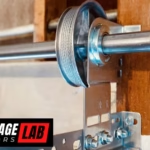
- Proper Door Balance Is Critical: The opener should not do all the lifting. Your garage door springs should balance the door so you can lift it by hand with little effort. If the door is too heavy, the opener will wear out quickly.
- Lubrication Extends Life: Lubricating the rail, chain, and hinges every six months reduces noise and prevents wear. Most people forget this simple step, but it makes a big difference.
- Backup Power Is Worth It: If you live in an area with frequent outages, a battery backup will let you open the garage even when the power is out.
- Choose the Right Horsepower: 1/2 HP is enough for most single doors, but larger or insulated doors need 3/4 HP or more.
- Test Safety Features Regularly: Place a roll of paper towels in the door’s path and try closing it. The door should reverse instantly. Testing every few months ensures your opener is safe.
The Role Of Springs And Counterbalance
Garage door openers don’t lift all the weight. Torsion springs or extension springs above the door provide counterbalance. This means the door is nearly weightless for the opener. If the springs break, the opener may struggle or fail. Replacing springs is dangerous—always hire a pro.
Garage Door Opener And Home Security
A modern garage door opener adds a layer of security, but there are risks:
- Rolling codes block most hacking attempts, but older openers are vulnerable.
- Always keep remotes out of sight—don’t leave them in unlocked cars.
- Some smart openers let you monitor activity logs, so you know who opened the door and when.
- Use vacation lock features if you’re away for long periods.
For more on garage door security, see Wikipedia’s Garage Door Opener page.
Maintenance Tips For Long Life
To keep your garage door opener working well:
- Check and lubricate moving parts twice a year.
- Inspect the sensors and clean the lenses.
- Test the auto-reverse by placing an object in the door’s path.
- Replace remote batteries as needed.
- Listen for new noises—they often signal maintenance needs.
- Tighten bolts and brackets if you notice vibration or movement.
Regular maintenance prevents most breakdowns and keeps your system safe.
The Future Of Garage Door Openers
The latest openers include:
- Voice activation via smart speakers
- Geofencing so the door opens as you approach
- Integration with delivery services for safe package drops
- Advanced security cameras in the opener unit
Expect garage door openers to become even smarter and more connected in the next decade.
Frequently Asked Questions
How Do I Know Which Drive System Is Right For My Garage?
If your garage is attached to your home, especially near bedrooms or living spaces, a belt drive or direct drive is best for quiet operation. For heavy or detached garage doors, a chain drive offers strength at a lower price. For special ceiling situations, consider a jackshaft opener.
Can Someone Hack My Garage Door Opener?
Modern openers use rolling code technology, making it almost impossible for hackers to capture and reuse your remote’s signal. However, older openers with fixed codes are less secure. Upgrade if your opener is more than 20 years old.
How Often Should I Lubricate Or Maintain My Garage Door Opener?
Lubricate the chain, rail, and hinges every six months. Clean the safety sensor lenses and test the auto-reverse every few months. Listen for new noises, which often signal maintenance needs.
What Do I Do If The Power Goes Out?
Pull the emergency release cord to disconnect the door from the opener. You can then open and close the door by hand. Some new openers include a battery backup to keep working during outages.
Is Diy Installation Safe For Beginners?
If you’re comfortable with basic tools and follow instructions closely, you can install a garage door opener yourself. However, dealing with garage door springs is dangerous—never adjust or replace them without professional help.
A garage door opener is more than just a convenience—it’s a complex, engineered system that brings safety, security, and comfort to your daily life. With the right knowledge, you can choose, maintain, and enjoy a reliable opener for years to come.