
When your garage door opener stops working, it can feel frustrating and even a little intimidating. Maybe the power is out, the opener motor failed, or the remote battery died at the worst moment. Whatever the reason, knowing how to close your garage door manually is a simple skill that can save you time and keep your home secure.
You don’t need to be a professional or have special tools—just some basic knowledge and a bit of care.
Manual operation is not just for emergencies. It’s also useful if you’re doing maintenance or need to move large items in or out. Sometimes, you might notice your automatic opener isn’t closing all the way or reverses unexpectedly. In these cases, being able to safely disconnect and operate the door by hand helps you stay in control.
This guide will walk you through every part of the process: understanding your door system, preparing for manual use, and safely closing it step by step. You’ll find practical advice, common mistakes to avoid, and even what to do if the door feels stuck or dangerous. Let’s make sure you can handle your garage door with confidence—no matter what happens.
Understanding Your Garage Door System
Before you start, it’s important to know the basics about your garage door mechanism. Most residential garage doors use an overhead system with either a chain, belt, or screw drive opener. These openers connect to the door via a curved arm and a trolley that moves along a metal track. The door itself is held in balance by powerful torsion springs or, less commonly, extension springs.
Knowing whether you have a torsion or extension spring system helps you understand how much force is involved. Torsion springs sit above the door and wind up as it moves, while extension springs stretch along the sides. Both are dangerous if tampered with, so never try to adjust them without professional help.
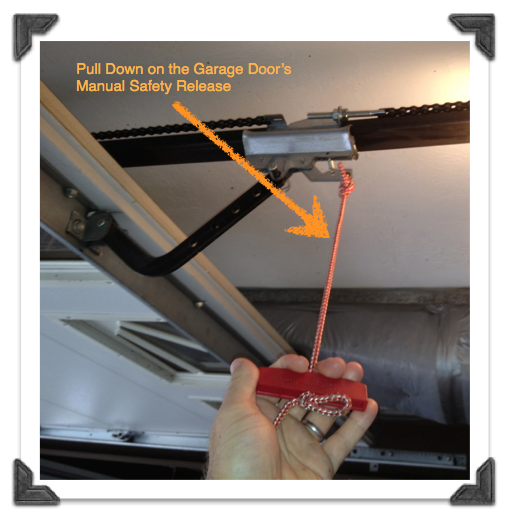
Most modern garage doors also have a manual release cord, usually a red rope hanging from the opener trolley. Pulling this cord disconnects the door from the opener, letting you move the door by hand. If your system looks different or the cord is missing, check your owner’s manual or the manufacturer’s website for details.
Key Parts To Identify
- Opener unit: The motor that moves the door.
- Trolley and arm: The metal parts connecting the opener to the door.
- Manual release cord: Usually a red rope or handle.
- Springs: Torsion (above the door) or extension (along the sides).
- Tracks: Metal rails that guide the door’s movement.
- Rollers: Small wheels that keep the door in the tracks.
Understanding these components helps you work safely and avoid mistakes. If you’re not sure about any part, look for labels or diagrams on the opener or inside your garage.
When You Might Need To Close Your Garage Door Manually
Manual operation isn’t just for power outages. There are several situations where you’ll need to close the door by hand:
- Power failure: If the electricity is out, the opener won’t work.
- Opener malfunction: The motor, remote, or sensors might fail.
- Blockage or jam: Objects in the track can stop the automatic system.
- Routine maintenance: Some tasks require disconnecting the opener.
- Emergency exit: You may need to get out or secure the house quickly.
A surprising number of people don’t realize that their door can be operated manually at all. If you travel often or live in an area with frequent storms, learning this process is especially important.
Preparing To Close The Garage Door Manually
Before you begin, take a few safety steps. Garage doors are heavy—most weigh between 130 and 350 pounds—and the springs hold a lot of tension. Rushing or skipping steps can lead to injury or property damage.
Safety Precautions
- Clear the area: Make sure no people, pets, or objects are in the path of the door.
- Check the springs: If you see gaps, breaks, or loose cables, do not touch the door. Call a professional.
- Wear gloves: This helps protect your hands from sharp edges.
- Use a flashlight: If the power is out, good lighting is important.
- Don’t force stuck doors: If the door doesn’t move, stop and inspect for obstructions.
It’s also a good idea to alert anyone else in the house before you start, so they don’t try to operate the door remotely during your work.
Step-by-step Guide: How To Close Garage Door Manually
Let’s break down the manual closing process into clear steps. Each garage door is a little different, but these steps cover most standard residential systems.
1. Make Sure The Doorway Is Clear
Before you touch anything, check that no person, pet, or object is under the door or in its path. Garage doors move quickly and can cause serious injury if they hit someone.
2. Unlock The Door (if Necessary)
Some doors have a lock bar or handle on the inside. If yours is locked, turn the handle or remove the padlock. Forgetting this step is a common mistake and can damage the mechanism if you try to force it.
3. Locate The Manual Release Cord
Look for a red cord hanging from the opener trolley (the part that moves along the ceiling rail). This cord usually has a handle for easy grip.
If you don’t see a cord, check your owner’s manual or look for a small lever on the trolley. Older or less common systems might use a different release.
4. Pull The Manual Release Cord
Standing on solid ground (not a ladder), grip the cord and pull down firmly. This disconnects the door from the opener, letting you move it by hand.
Important: Only pull the cord when the door is fully closed or fully open. If the door is partway, it might suddenly drop or snap upward due to spring tension. If you must disconnect with the door open, hold it steady and have a helper assist you.
5. Lower The Door Carefully
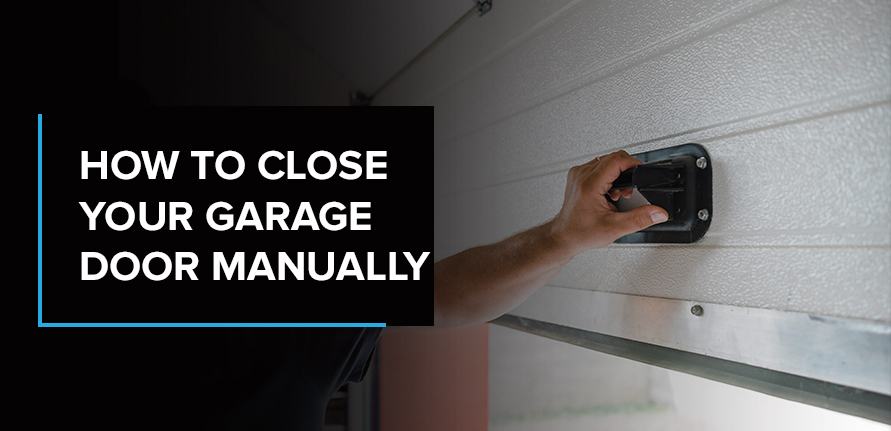
With the opener disconnected, grip the door handle (inside or outside) with both hands. Carefully pull the door downward, keeping your body clear of the path.
Garage doors are heavy but should move smoothly if the springs are balanced. If the door feels stuck or slams down quickly, the springs may be broken or unbalanced—do not continue, as this is dangerous.
6. Make Sure The Door Is Fully Closed
Once the door reaches the ground, make sure it is fully seated in the closed position. Sometimes, doors stop an inch or two above the ground. Push gently to ensure a tight seal.
7. Lock The Door For Security
Many garage doors have a manual locking mechanism—a bar or slide lock on the inside. Engage this lock to prevent someone from lifting the door from outside.
If you must leave the door unattended, use a padlock or a C-clamp on the track to block the rollers. This is a simple but effective security measure.
8. Reconnect The Opener (when Ready)
After the power returns or the opener is fixed, you’ll want to reconnect the system. Pull the manual release cord toward the door (or follow your manual’s instructions), then use the remote or wall button to re-engage the trolley. You’ll usually hear a click as it snaps back in place.
Some openers automatically reconnect when you press the button, while others require manual re-engagement.
What If The Door Won’t Move? Troubleshooting Tips
Sometimes, the door feels jammed or won’t move after you disconnect the opener. Here’s what to check:
- Obstructions: Small objects or dirt in the track can stop the door. Inspect both sides carefully.
- Broken springs: If the door is extremely heavy or won’t budge, a spring may have snapped. Never try to fix this yourself—call a professional.
- Bent tracks: Look for damage or warping in the rails.
- Disconnected rollers: Sometimes, rollers pop out of the track and jam the door.
- Frozen parts: In cold climates, ice can freeze the door to the ground. Use a hair dryer or warm water (carefully) to melt the ice.
If you’re unsure, it’s safer to call a qualified garage technician. Forcing a stuck door often leads to more expensive repairs.
Comparing Manual Vs Automatic Operation
Manual operation is simple, but there are important differences compared to using an automatic opener. Here’s a side-by-side comparison to help you understand the pros and cons.
| Feature | Manual Operation | Automatic Operation |
|---|---|---|
| Convenience | Requires physical effort | Push-button ease |
| Power Requirement | None | Needs electricity |
| Speed | Slower, depends on user | Consistent, fast |
| Safety Features | None built-in | Auto-reverse, sensors |
| Security | Can be locked manually | Remote locking, rolling codes |
| Maintenance | Less complex | More parts to maintain |
Manual operation is reliable in any situation, but lacks the safety sensors and convenience of modern openers. After you finish, always check that the door is locked for security.
Common Mistakes To Avoid
Even with careful attention, it’s easy to make small errors when closing a garage door by hand. Here are mistakes beginners often make—and how to avoid them:
- Forgetting to unlock the door: Forcing a locked door can break the handle or mechanism.
- Pulling the manual release at the wrong height: If the door is halfway open, releasing the trolley can cause it to fall or jump up suddenly.
- Standing in the path of the door: Always stand to the side, not under the door.
- Not checking for obstructions: Small tools, debris, or ice can jam the track.
- Failing to lock the door after closing: Leaving the door unsecured is a common security risk.
- Trying to fix broken springs or cables: Only professionals should repair these parts. The force involved can cause serious injury.
- Not reconnecting the opener correctly: If the trolley isn’t fully re-engaged, the opener may run but the door won’t move.
Two non-obvious tips: Always check the manual release cord for wear and tear—if it’s frayed, replace it before you need it in an emergency. Also, if your garage door is unusually heavy, that’s often a sign of a spring problem, even if the door still works.
Practical Scenarios: Examples And Solutions
Seeing these steps in real-life situations can make them easier to remember. Here are examples of common scenarios and how to handle them.
Scenario 1: Power Outage During A Storm
You’re coming home during a thunderstorm and the power goes out. The garage door opener won’t respond. Here’s what you do:
- Park your car safely outside.
- Enter the garage through another door.
- Make sure the garage is safe and well-lit (use a flashlight if needed).
- Pull the manual release cord and gently close the door by hand.
- Engage the manual lock to keep your home secure.
Scenario 2: Opener Motor Fails, Door Stuck Open
You try to close the garage but hear grinding noises from the opener. The door won’t budge. Here’s how to proceed:
- Unplug the opener to prevent further damage.
- Pull the manual release cord.
- With a helper, gently lower the door by hand. If the door is too heavy or won’t move, stop and call a professional—this likely means a broken spring.
Scenario 3: Leaving For Vacation
You want to make sure your garage is secure while you’re away. Best practice:
- Disconnect the opener using the manual release.
- Lower the door and engage the manual lock.
- For extra security, place a padlock through the hasp or a C-clamp on the inside track.
These examples show why knowing manual operation is useful in daily life, not just emergencies.

Special Situations: Unique Door Types
Most homes use standard overhead sectional doors, but other types exist. Here’s how the process can change:
One-piece Tilt-up Doors
These doors swing out as a single panel. The manual release is similar, but you must be extra careful:
- Always keep hands clear of the edges; these doors can swing quickly.
- They’re heavier and may require two people to operate safely.
Roll-up (coil) Garage Doors
Common in commercial buildings, these doors roll into a coil above the opening.
- Manual release is usually a chain or crank.
- Closing can be harder; commercial doors often weigh much more.
If you have a non-standard door, check the manufacturer’s guide or consult a professional for safe manual operation.
Safety Features And Modern Openers
Newer garage doors include auto-reverse sensors and rolling code security. When operating manually, these features are disconnected, so extra caution is needed.
Some advanced openers have a battery backup. This lets you operate the door automatically during a power outage, but batteries last only a few cycles. If the battery is dead, you still need to know manual operation.
If you’re considering upgrading your system, battery backup and smart controls are worth exploring. For more details, the Consumer Reports Garage Door Opener Guide covers modern features and safety standards.
Table: Manual Release Locations By Brand
Different brands put the manual release in different places. Here’s a quick reference for the most common brands:
| Brand | Manual Release Location | Release Type |
|---|---|---|
| Chamberlain/LiftMaster | Center of opener trolley | Red cord with handle |
| Genie | Side of trolley | Red handle, sometimes lever |
| Craftsman | Center of opener trolley | Red cord |
| Marantec | Near trolley, may be concealed | Red or black handle |
| Wayne Dalton | On the arm or near the opener | Pull handle |
Always check your specific model if you can’t find the release.
Table: Spring Types And Manual Operation Risk
Understanding your spring type helps you gauge the risk level when operating manually.
| Spring Type | Location | Manual Operation Risk | Signs of Damage |
|---|---|---|---|
| Torsion | Above the door | Moderate (safe if intact) | Gap in coil, loud bang |
| Extension | Along the side rails | Higher (can snap) | Stretched spring, slack cable |
If you see signs of spring damage, do not attempt manual operation.
Maintenance Tips For Reliable Manual Operation
Regular care helps make sure your garage door is safe to use—both automatically and by hand.
- Lubricate tracks and rollers: Use a silicone-based spray every 6 months.
- Inspect springs and cables: Look for wear, rust, or gaps.
- Test the manual release: Pull the cord and move the door by hand once a year to ensure it’s working smoothly.
- Check the door balance: With the opener disconnected, lift the door halfway. If it stays, the springs are balanced; if it falls or rises, call a professional.
- Replace worn weatherstripping: This improves the seal and keeps out water.
A well-maintained door is safer and easier to operate, especially in emergencies.
Frequently Asked Questions
How Do I Know If My Garage Door Springs Are Broken?
If your door feels extremely heavy, won’t stay up, or you hear a loud bang from the garage, your garage door springs might be broken. Visually, look for a gap in the torsion spring above the door or a stretched extension spring along the sides. Never try to fix or replace springs yourself—they hold a lot of tension and are dangerous.
Can I Close My Garage Door Manually From Outside?
Most standard garage doors can only be disconnected from the inside. Some have an emergency release lock on the outside (a small keyhole in the door), which lets you pull the release cord from outside. Check your owner’s manual to see if your door has this feature.
What Should I Do If The Manual Release Cord Is Missing Or Broken?
If your manual release cord is missing or broken, do not attempt to force the door. Contact a garage door technician to replace the cord. It’s a simple fix, but the cord must be strong and properly installed to work safely.
Is It Safe To Operate The Garage Door Manually During A Storm?
Yes, it’s generally safe if you follow all safety steps—clear the area, wear gloves, and use good lighting. However, avoid operating the door if there is visible water, flooding, or electrical hazards in the garage. If the door or tracks are wet, be careful as they may be slippery.
Will Manually Closing The Door Affect My Opener Settings?
Manually closing the door using the release cord will not usually affect the settings or programming of your garage door opener. After you reconnect the trolley, the opener should function as before. If the door won’t move automatically after reconnecting, check the alignment or consult your manual.
Closing your garage door manually is a simple but essential skill. With the right knowledge and a bit of care, you can keep your home secure and avoid costly mistakes. If you maintain your door and practice the steps, you’ll always be ready—no matter what your opener decides to do.