Now Reading: How to Open a Garage Door Without Power: Easy Emergency Tips
- 01
How to Open a Garage Door Without Power: Easy Emergency Tips

When you come home and your garage door won’t open because the power is out, it can feel frustrating and even a little scary. Many people rely on their garage as the main entrance to their home. If you don’t know how to open a garage door without power, you might feel trapped inside or locked out.
Luckily, most garage doors are designed with manual release systems. Learning how to use these systems safely can save you time, reduce stress, and even help during emergencies.
It’s not just about knowing which cord to pull. There are several types of garage doors, each with different mechanisms. Mistakes can cause injuries or damage to your door. In this guide, you’ll learn everything you need to safely and confidently open a garage door when there’s no electricity.
You’ll discover step-by-step methods, safety checks, common problems, and what to do if something goes wrong.
Understanding Your Garage Door System
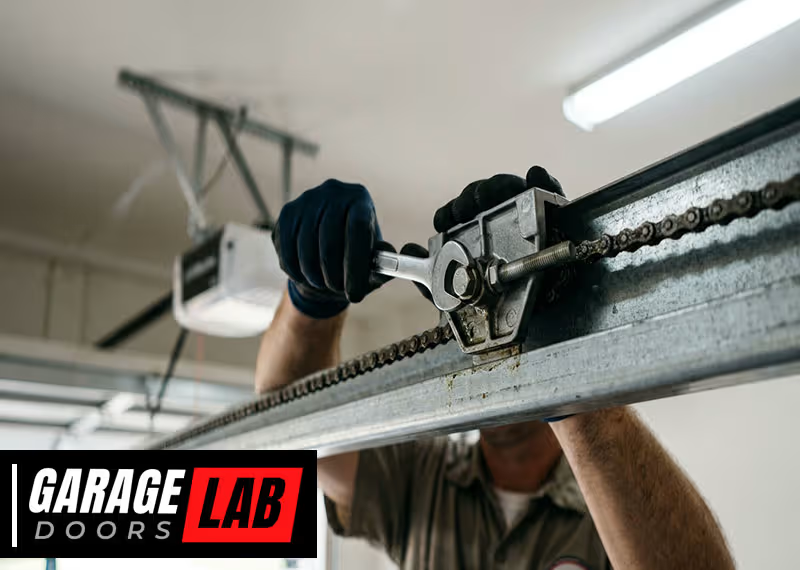
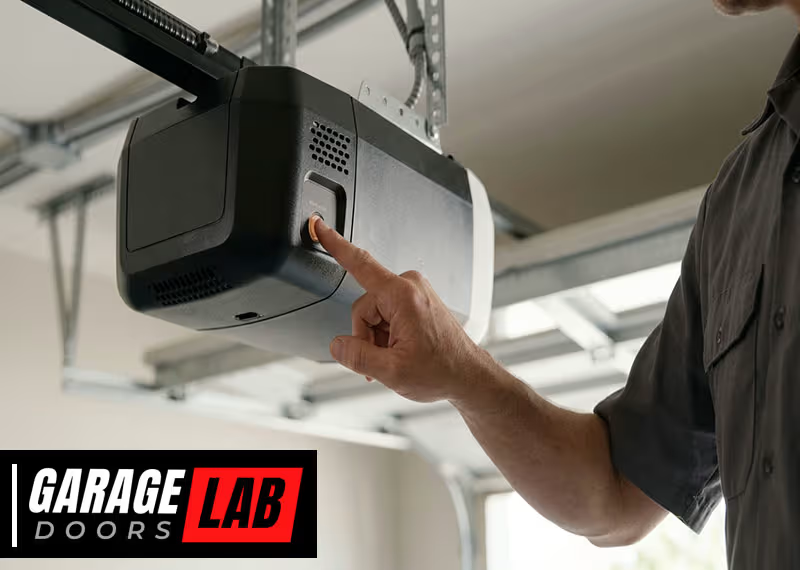
Before you try to open a garage door without power, it’s important to know how your system works. Most modern garage doors use an electric opener. This device is connected to the door with a rail and a trolley system. When power is available, the motor pulls or pushes the trolley to open and close the door. When the power goes out, you need to disengage this system to operate the door by hand.
There are two main types of garage doors:
- Sectional overhead doors – These are the most common in homes. They have panels that move up and over your head along tracks.
- One-piece tilt-up doors – These swing out and up as a single piece.
Most electric openers, regardless of the door style, have a manual release mechanism. This usually involves a red cord hanging from the opener rail. Pulling this cord disconnects the door from the opener, allowing you to move it manually.
Why You Need To Know Manual Release
Power outages can happen due to storms, accidents, or maintenance. But there are other times you might need the manual release:
- The opener motor fails.
- The remote batteries are dead.
- There’s an emergency, like a fire, and you need to exit quickly.
Knowing how to use the manual release can also prevent damage. For example, if you try to force the door open without disconnecting the opener, you might bend tracks or break parts.
Safety Precautions Before You Begin
Opening a garage door manually is usually safe, but there are important steps to follow. Missing these steps can lead to serious injuries.
1. Check The Door’s Position
If the door is fully open, it might slam shut when released. If it’s closed, it could be heavy to lift. Always know the door’s position before pulling the manual release.
2. Clear The Area
Remove cars, bikes, and objects from near the door. Make sure children and pets are away.
3. Wear Gloves
Manual operation can expose sharp edges or pinch points. Gloves protect your hands.
4. Check For Broken Springs Or Cables
If a torsion spring or cable is broken, the door could be too heavy to lift. Don’t try to force it; call a professional.
5. Have Help Nearby
For heavy or large doors, it’s safer to have someone assist you.
6. Work In Daylight Or Use A Flashlight
Poor visibility increases the risk of accidents.
Always respect the weight and power of your garage door. Most residential doors weigh between 130 to 350 pounds. That’s more than most people expect. Never let children operate the manual release.
Step-by-step: How To Open A Garage Door Without Power
Step 1: Locate The Emergency Release Cord
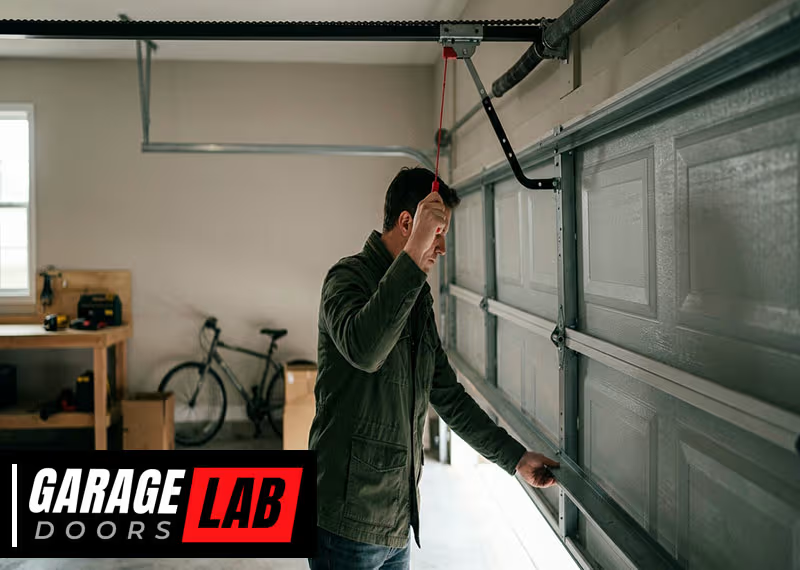
Look for a red cord hanging from the center rail near the garage door motor. This is your emergency release. The cord is connected to a lever that disengages the opener trolley.
Step 2: Make Sure The Door Is Closed (if Possible)
If you can, only pull the release when the door is fully closed. If it’s open, it may come crashing down when released. If the door is stuck open, brace it with a sturdy object or have someone hold it in place.
Step 3: Pull The Cord Down And Away
Grip the release cord firmly. Pull straight down and then slightly toward the door. This motion disconnects the trolley from the opener carriage.
Step 4: Lift The Door Manually
Stand with both hands on the bottom handle or edge of the door. Lift smoothly. Most doors should move with moderate force if the springs are working. If you struggle, do not force it—stop and check for broken components.
Step 5: Secure The Door Open (if Needed)
If you need to keep the door open, place a sturdy object (like a ladder) under the door. This prevents it from sliding down, especially if the springs are weak.
Step 6: Close The Door Manually
When finished, gently pull the door down until it’s fully closed. Do not let it slam.
Step 7: Re-engage The Opener
To reconnect the door to the opener, pull the release cord toward the door (some models require you to move the door until the trolley clicks back in). Once power returns, test the opener with the remote.
Example Scenario
Imagine you arrive home during a thunderstorm. The power is out, and your car is parked outside. You pull the emergency release, lift the door smoothly, and drive inside. You secure the door with a wooden block until the power returns.
What To Do If The Door Won’t Open
Sometimes, the door won’t move even after you pull the emergency release. Here’s what to check:
- Broken Springs: Look above the door for a snapped torsion spring. If broken, the door will be very heavy. Don’t try to force it.
- Jammed Tracks: Check for debris or bent metal in the tracks. Clear any obstructions.
- Frozen Weather: Ice can freeze the door to the ground. Use a hair dryer or de-icer along the bottom seal.
- Disconnected Cables: If you see loose or hanging cables, stop and call a professional.
Forcing a jammed door can cause more damage or injury. Sometimes the safest option is to wait for help.

How Manual Releases Differ By Garage Door Type
Not all garage doors use the same release. Here are the main types and how they affect manual operation:
Sectional Overhead Garage Doors
These are the most common. The emergency release is usually a red cord near the center. Pulling it disconnects the trolley from the opener.
One-piece Tilt-up Doors
Older homes may have these. The release cord is often near the top of the door. You may need to open a small panel to reach it.
Side-hinged Garage Doors
These swing out like barn doors. Usually, they don’t have an electric opener. If they do, look for a lever lock instead of a cord.
Custom Or High-security Doors
Some high-end or commercial doors have locking mechanisms for added security. They may require a key to access the manual release.
| Door Type | Manual Release Location | Special Notes |
|---|---|---|
| Sectional Overhead | Red cord near opener rail | Most common in homes |
| One-Piece Tilt-Up | Near top of door | Check for cover panel |
| Side-Hinged | Manual lever or no release | Rarely has electric opener |
| High-Security | Hidden or keyed release | May require tools or key |
Opening Your Garage Door From Outside
If you’re locked out and there’s no power, you may still be able to open the door from the outside.
Exterior Emergency Release Kit
Some garage doors have an emergency release lock on the outside. This is a small lock in the center of the door. When you insert and turn the key, it releases a cable inside, allowing you to pull the manual release.
How To Use:
- Insert the key and turn to unlock.
- Pull out the lock cylinder; this reveals a cable.
- Pull the cable to disengage the opener.
- Lift the garage door by hand.
If your door doesn’t have this feature, a locksmith can install one for around $30–$50.
Important: Security Warnings
Exterior releases can be targeted by thieves. Always use high-quality locks. Never leave tools nearby that could help break in.

Common Problems And How To Fix Them
Some issues make opening a garage door without power more difficult. Here’s how to solve the most common ones.
Problem: Door Is Too Heavy
If the door feels impossible to lift, the springs may be broken. Springs do most of the lifting. If they fail, the door becomes dangerously heavy.
Solution:
Do not try to force the door. Call a professional garage door technician. Attempting to replace springs without training can cause serious injuries.
Problem: Door Won’t Stay Open
This usually means the springs are worn out or the tracks are out of alignment.
Solution:
Use a strong object to prop the door open. For a permanent fix, get the springs adjusted.
Problem: Release Cord Is Missing Or Broken
Older doors or some budget models may have a missing cord.
Solution:
You can attach a new cord with a strong knot. Use a bright color so it’s easy to find in emergencies.
Problem: Opener Stays Disengaged After Power Returns
Sometimes, the door doesn’t reconnect to the opener automatically.
Solution:
Push the door gently toward the opener until you hear a click. If that fails, consult your opener’s manual.
Tips For Opening Garage Doors Safely In Different Situations
During A Power Outage At Night
Use a bright flashlight or headlamp. Watch for tripping hazards. If you need to leave the door open, secure it with a lock or block to prevent theft.
In Cold Weather
Ice can make the door stick to the ground. Try gently tapping the bottom or use warm water to melt the ice (but dry the area to prevent refreezing).
After A Storm
Check for debris in the tracks or damage to the door before operating. Broken glass or tree branches are common hazards.
When You Are Alone
If the door is heavy, don’t risk injury by lifting it alone. Ask a neighbor for help, or wait for assistance.
How To Prevent Garage Door Problems During Power Outages
A little planning can make power cuts much less stressful.
1. Install An Exterior Emergency Release
This lets you open the door from outside with a key.
2. Keep The Path Clear
Don’t store items near the emergency release or along the tracks.
3. Test The Manual Release
At least twice a year, pull the cord and lift the door. This keeps parts moving freely.
4. Maintain Springs And Rollers
Have your system serviced every 12–18 months. Well-maintained doors are safer and easier to lift.
5. Have A Backup Power Source
Some openers can use a backup battery. These last for several open/close cycles during an outage.
6. Know Your System’s Age
Older openers may not have safety features like auto-reconnect or exterior releases. Consider upgrading if yours is over 15 years old.
| Preventive Step | Benefit | Recommended Frequency |
|---|---|---|
| Test manual release | Ensures easy operation | 2x per year |
| Professional maintenance | Prevents breakdowns | Every 12–18 months |
| Install backup battery | Use door during outages | One-time installation |
| Clear tracks and area | Safe, smooth movement | Monthly |
When To Call A Professional
Not every problem can be solved alone. Here are times you should call for help:
- The door is stuck or jammed, and you can’t move it by hand.
- You see broken springs, cables, or rollers.
- The opener doesn’t reconnect after power returns.
- The manual release cord is lost inside the opener housing.
- The door slams down or won’t stay open.
Trying to fix complex problems without the right tools or experience can be dangerous. Garage doors use strong springs under high tension. If you’re unsure, it’s always safer to call a licensed technician.
Advanced: Using Backup Battery Systems
Some modern garage door openers have backup battery systems. These batteries automatically kick in during a power outage.
How They Work
When power fails, the opener switches to battery mode. You can usually open and close the door 10–20 times before the battery drains.
How To Add One
- Check if your opener model supports backup batteries. Newer models often do.
- Purchase the correct battery pack (cost is around $50–$100).
- Install according to the manufacturer’s instructions.
- Test the system during your next power outage.
Limitations
Backup batteries only power the opener, not the lights or other features. They require replacement every 2–3 years.
For more on backup systems, visit the official Chamberlain Group website.
Non-obvious Insights Most People Miss
- Manual releases can be sticky if not used for years.
If your emergency release hasn’t been used in a long time, it may need a little force. Try testing it during routine maintenance. If it feels stuck, spray a silicone-based lubricant on the mechanism.
2. Garage Doors Can Become Unbalanced After Manual Operation.
If the door feels heavier or lighter than usual after using the manual release, the springs may have shifted. An unbalanced door can damage the opener or make manual lifting dangerous. Test the door’s balance by lifting it halfway; it should stay in place.
If it moves, call a pro.
3. Weatherstripping Can Bond The Door To The Ground.
In wet or icy weather, the rubber seal at the bottom can freeze. If you pull too hard, you might tear the weatherstripping. Use a gentle side-to-side motion and de-icer spray instead.
Frequently Asked Questions
How Do I Open A Garage Door Without Power From The Outside?
If your garage door has an exterior emergency release kit, you can use a key to unlock a cable release from the outside. Insert the key, turn it, and pull the cable to disengage the opener. Then, lift the door by hand. If your door does not have this feature, you will need to install one or call a professional.
Is It Safe To Open A Garage Door Manually During A Power Outage?
Yes, as long as the springs and cables are in good condition and you follow safety precautions. Do not force the door if it is unusually heavy, stuck, or damaged. Always keep children and pets away when operating the door manually.
Why Is My Garage Door So Hard To Lift Without Power?
A garage door that is hard to lift usually has a problem with the torsion springs or cables. These components do most of the lifting. If they are broken or worn out, the door can weigh over 200 pounds. Do not try to force it—get professional help.
Can I Reconnect My Garage Door Opener After Power Returns?
Yes. Most openers will automatically re-engage when you use the remote or wall button. If not, pull the emergency release cord toward the door and move the door until the trolley clicks back into place. Check your opener’s manual for details.
What If The Manual Release Cord Is Missing Or Broken?
You can replace the cord with a strong, brightly colored rope. Thread it through the release lever and tie a secure knot. If the mechanism itself is broken, call a garage door technician to repair or replace it.
Getting locked out by a power cut is never fun, but with these steps, you’re prepared to open your garage door safely and confidently. Remember to test your emergency release regularly and keep your system maintained. That way, you’ll always have a backup plan—no matter what the weather or power situation brings.