
Opening your automatic garage door manually can feel confusing, especially if you’ve never done it before. Many people only think about this when the power goes out, the opener breaks, or the remote stops working. In these moments, knowing how to safely and easily open your garage door by hand can save you a lot of stress, time, and even money.
This guide will walk you through every step, explain why it matters, and give you the confidence to handle the situation like a pro.
Automatic garage doors are everywhere. They make life easier, but they also depend on electricity and electronics that can fail. Sometimes, storms cut the power. Sometimes, the opener’s motor or battery dies. Even if you maintain your garage door, problems can come up unexpectedly.
In these cases, being able to switch to manual mode is not just handy—it’s necessary for safety and convenience.
You don’t need special tools or technical knowledge to do this. What you need is the right information, a few safety tips, and a calm approach. This article will cover everything you need: how garage doors work, how to unlock and use the manual release, what to do in different situations, and common mistakes to avoid. Along the way, you’ll get practical advice, real examples, and answers to questions most people forget to ask.
Let’s get started so you’re ready when you need to open your automatic garage door manually.
Understanding Your Automatic Garage Door
To open your automatic garage door manually, you first need to know how it works. Most garage doors use an electric opener connected to a trolley and rail system. When you press the remote or wall button, the motor moves the door up or down on tracks.
There are two main types of springs:
- Torsion springs – Located above the door, these twist to lift heavy doors smoothly.
- Extension springs – Found on the sides, these stretch and contract to help move the door.
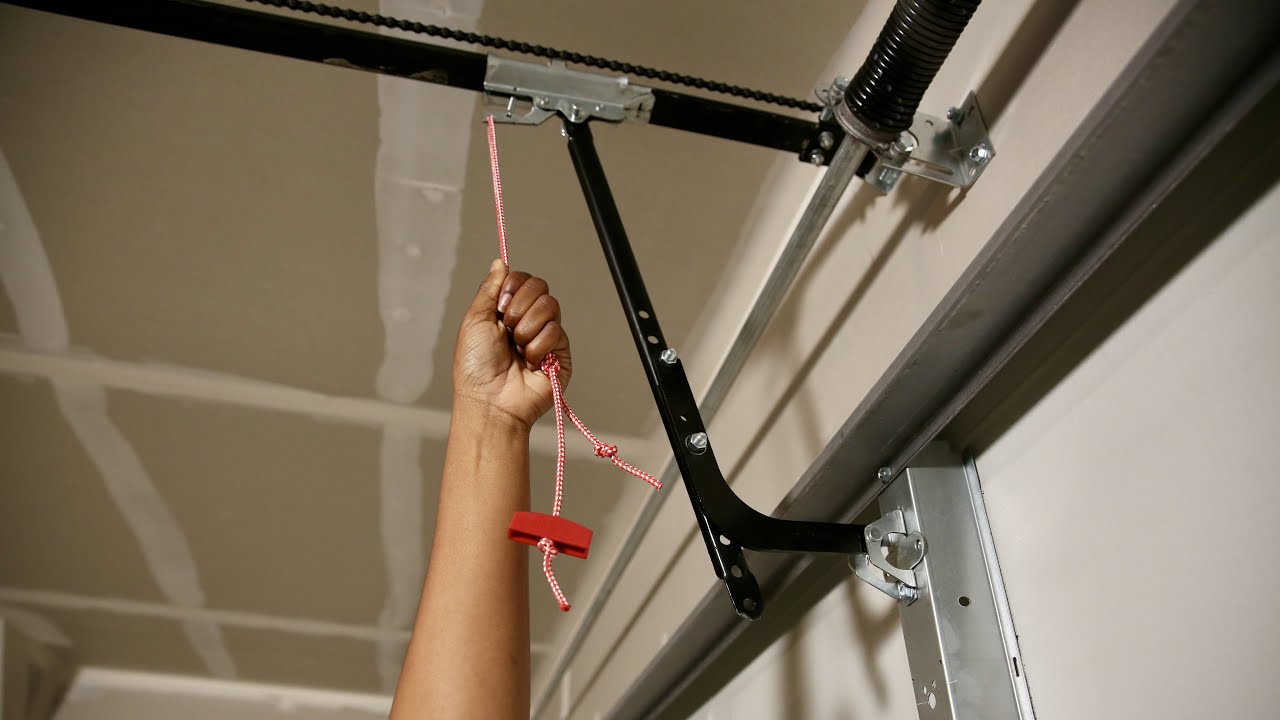
The manual release mechanism is usually a red cord or handle hanging from the opener rail. This is your key to switching from automatic to manual control.
Not all garage doors are the same. Some are heavier, especially older wooden models. Newer doors are lighter, often made of aluminum or steel. Knowing what kind of door you have makes the process easier and safer.
Why Manual Operation Matters
Manual operation is not just for emergencies. Sometimes you need to:
- Move a car out during a power outage
- Check or repair the opener
- Keep your home secure if the opener malfunctions
Many people don’t realize that using the manual release the wrong way can damage the door or cause injury. That’s why understanding the basics can prevent accidents and expensive repairs.
Preparing To Open The Door Manually
Before you touch the manual release, take a few minutes to get ready. Good preparation prevents problems and keeps you safe.
Gather What You Need
Most of the time, you won’t need any tools. But in some cases, you might want:
- A flashlight if it’s dark or the power is out
- A step stool if the release cord is hard to reach
- Gloves for better grip
Make sure the area around the garage door is clear. Remove bikes, tools, or any clutter that could trip you or block the door.
Check For Possible Hazards
Inspect the door for damage. If you see a broken spring, bent rail, or frayed cables, do not try to open the door. These problems can make the door very heavy or unstable. Forcing it can be dangerous. Call a professional in these cases.
If you hear strange noises or notice the door moves unevenly, this is also a warning sign. Manual operation is only safe if the door is in good working order.
Unlock Any External Locks
Some garage doors have a manual lock or slide bolt on the inside. Make sure all these locks are unlocked before you try to open the door. Trying to lift a locked door can bend the panels or break the opener.
If your garage is attached to your house, check that the entry door is open so you can get back inside.
Step-by-step: How To Open Automatic Garage Door Manually
Now it’s time for the main steps. Follow each one carefully for a safe, smooth process.
1. Make Sure The Door Is Fully Closed
Whenever possible, only use the manual release when the door is fully closed. If the door is open, it can come crashing down when released, which is very dangerous.
If the door is stuck open, use extra caution. Stand clear of the opening and be ready for the door’s weight.
2. Locate The Manual Release Handle
Look for a red cord or handle hanging from the opener rail, usually near the center of the garage ceiling. This is the emergency or manual release.
If the cord is missing or broken, do not try to force the mechanism. Replacing the cord is a simple repair, but forcing the release can break the opener.
3. Pull The Manual Release Cord
Stand with your feet clear of the door. Firmly grasp the release cord and pull it straight down. You will hear or feel a click. This disconnects the trolley from the opener carriage.
Do not yank the cord hard or swing it side to side. A straight, firm pull is enough.
4. Test The Door’s Movement
Try lifting the door by hand. It should move smoothly and feel balanced. If it’s very heavy or won’t budge, stop and check for problems. Don’t use force.
If the door moves easily, continue lifting until it’s fully open. Walk with the door as you lift to keep it steady.
5. Secure The Door In The Open Position
Most garage doors do not lock automatically in the open position when in manual mode. If you need to keep the door open, place a sturdy object (like a 2×4 piece of wood) under the door to prevent it from falling.
Never leave the door unattended or trust it to stay up on its own. Springs can lose tension without warning.
6. Close The Door Manually
To close, gently lower the door, keeping your hands clear of pinch points. Do not let it slam. Guide it down until it’s fully closed.
7. Reconnect The Opener
Once the power is back or the issue is fixed, reconnect the door to the opener. Pull the release cord toward the opener (not straight down) to re-engage the trolley. You may also need to run the opener once with the remote or wall button to fully reset the system.
Check that the door opens and closes automatically before using it normally.
Special Situations And Common Problems
Not every garage door or scenario is the same. Here are some special cases you might face.
If The Door Is Stuck Open
If the power fails while your door is open, opening it further is not possible. Releasing the opener in this position can be risky because the door may slam down.
- Stand clear of the door’s path
- Have another person help support the door if possible
- Use a sturdy object to brace the door if you must close it
If you are not confident, it’s safer to call a professional. Injuries and damage are common when heavy doors fall suddenly.
If The Door Is Locked And You’re Outside
Some garages have an external emergency release. This is usually a small lock and keyhole in the center of the door. With the key, you can open the cover and pull the release cable from outside.
If you do not have this system, and there is no other way inside, you may need to call a locksmith or garage door technician.
If The Spring Is Broken
A broken spring is one of the most common—and dangerous—garage door problems. The door will feel extremely heavy and may not move at all. Do not try to lift a door with a broken spring. Springs hold most of the door’s weight, and forcing it can cause injury.
Look for gaps in the torsion spring or stretched extension springs as a warning sign.
How Different Garage Door Types Affect Manual Operation
Automatic garage doors come in various materials, weights, and mechanisms. How you open the door manually can change based on these factors. Here’s a comparison to help you understand:
| Garage Door Type | Weight | Manual Release Ease | Common Issues |
|---|---|---|---|
| Steel (Single Layer) | Light to Medium | Easy | Dents, minor warping |
| Wooden | Heavy | Moderate to Hard | Swelling, heavy weight |
| Aluminum | Light | Very Easy | Bending, dings |
| Insulated (Double Layer) | Medium to Heavy | Moderate | Spring tension issues |
Insight: Many people expect all garage doors to feel the same when operated manually. In reality, a heavy wooden door can be difficult for one person to lift, while a light aluminum door is much easier. Always check your door’s material and balance before relying on manual operation.
Safety Tips For Manual Operation
Safety is more important than speed. Follow these tips every time you use the manual release:
- Keep hands and fingers clear of moving parts and pinch points.
- Never let children operate the manual release.
- Do not let the door drop quickly; guide it down slowly.
- Check for pets or people before moving the door.
- Wear gloves if you’re worried about sharp edges.
- Have a phone nearby in case you need help.
Advanced Tip: If your opener has a battery backup, test it regularly. Battery backups can allow for a few cycles during a power outage, reducing the need for manual operation.
Resetting And Reconnecting Your Opener
After opening your garage door manually, you’ll want to get back to automatic use as soon as possible. Here’s how to reconnect:
1. Check That The Door Is Fully Closed
Never try to reconnect the opener if the door is open. The opener can force the door down quickly, causing damage.
2. Re-engage The Trolley
Most openers have a spring-loaded mechanism. Pull the manual release cord toward the opener until you hear a click. Some models require you to run the opener with the remote; the trolley will reconnect automatically as it moves.
3. Test The Automatic Operation
Press the wall button or remote. Watch the door as it opens and closes to make sure everything works smoothly. If you notice jerky movement, odd sounds, or the door does not stay closed, stop and check for problems.
4. Lubricate And Inspect
After any manual operation, lubricate the rollers, hinges, and tracks with garage door spray. This helps prevent wear and keeps everything moving smoothly.
Pro Insight: Many people forget to check the opener’s travel limits after manual operation. If the door does not close fully, you may need to adjust the opener settings. Consult your owner’s manual for instructions.
Comparing Manual Vs. Automatic Operation
Understanding the differences between manual and automatic operation helps you make smarter choices in emergencies.
| Feature | Manual Operation | Automatic Operation |
|---|---|---|
| Convenience | Low | High |
| Speed | Slower | Fast |
| Safety | Requires attention | Built-in sensors |
| Power Needed | None | Electricity or battery |
| Control | Hands-on | Remote/wall switch |
One non-obvious insight: Manual operation gives you full control if the automatic sensors fail. For example, if a sensor malfunctions and the door will not close, you can still secure your garage using the manual method.
Maintaining Your Garage Door For Easy Manual Use
Regular maintenance is the key to making manual operation safe and easy. Here’s a simple checklist:
- Test the manual release every 6 months. Pull the cord and make sure the door moves freely.
- Lubricate moving parts with a silicone-based spray.
- Inspect springs and cables for signs of wear.
- Check the balance by lifting the door halfway. It should stay in place. If it falls or rises, the springs need adjustment.
- Keep the tracks clean. Dirt and debris can block smooth movement.
- Replace worn rollers or hinges as needed.
A surprising fact: Many garage door problems start with small things like dirty tracks or dry rollers. Spending 10 minutes every few months can save you from big repairs later.
Common Mistakes To Avoid
Even smart homeowners make mistakes with garage doors. Here are some to watch out for:
- Forcing the door: If it won’t move, stop and look for the cause. Forcing can bend tracks or panels.
- Ignoring warning signs: Noises, slow movement, or jerky motion mean something is wrong.
- Using the opener when springs are broken: This can burn out the motor or cause the door to slam.
- Leaving the manual release cord hanging: After reconnecting the opener, make sure the cord is safely out of the way to avoid getting caught in the door.
One mistake beginners make is not testing the manual release regularly. It’s easy to forget about it until an emergency. A quick test during routine maintenance can prevent surprises.
Practical Tips For Different Weather And Situations
Not all emergencies happen in good weather. Here’s how to handle manual operation in special situations:
Power Outage During A Storm
- Use a flashlight and work slowly.
- Watch for water leaks or slippery floors.
- Be aware of strong winds, which can move the door quickly.
Extreme Cold
- Metal parts can stick or freeze. Warm the area if possible.
- Check for ice on the tracks or around the door bottom.
High Humidity Or Rain
- Make sure your grip is secure.
- Wipe handles and tools dry before use.
At Night
- Keep a battery-powered lantern in the garage.
- Let others in your home know you’re opening the door for safety.
Advanced Tip: If you live in a hurricane or tornado zone, ask your garage door company about reinforcement kits. Some doors need extra support to handle high winds, and manual operation can be harder during storms.
When To Call A Professional
Manual operation is safe for most people, but there are times when you should call for help:
- Broken springs or cables
- Door stuck halfway
- Tracks or rollers damaged
- You feel unsafe or unsure
A professional can fix the problem safely and check that everything works as it should. Trying to fix a heavy or broken door yourself is a common cause of injury.
If you need to find a technician, look for certified companies or check the Angi Garage Door Directory for reputable services.
Keeping Your Home Secure During Manual Operation
A garage door is a main entry point for your home. Here’s how to stay secure if you have to use manual operation:
- Lock the entry door from the garage to your house.
- Use a padlock or slide bolt to secure the door when it’s closed.
- Do not leave the door open or unattended.
- If you need to leave the garage open for ventilation, stay nearby and keep valuables out of sight.
One little-known tip: Some garage doors have a hole in the track for a padlock or bolt. After closing the door manually, insert a lock to prevent forced entry.
Key Takeaways
- Manual operation is simple and safe if you follow the steps and stay alert.
- Preparation and maintenance make emergencies easier to handle.
- Never force or rush the process—check for problems first.
- Regular testing of your manual release prevents surprises.
- When in doubt, ask a professional for help.
Learning to open your automatic garage door manually is a skill every homeowner should have. With the information above, you’re ready for power outages, equipment failure, or any unexpected challenge.
Frequently Asked Questions
How Often Should I Test The Manual Release On My Garage Door?
Test the manual release mechanism at least twice a year. This ensures it works smoothly and helps you spot problems before an emergency. The best times are during routine garage door maintenance or before storm season.
Can I Open My Automatic Garage Door Manually From The Outside?
Yes, if your door is equipped with an external emergency release kit. This usually has a keyhole in the center of the door. Insert the key, unlock the cover, and pull the release cable. Not all doors have this feature—check your model’s manual.
What Should I Do If The Manual Release Cord Breaks?
If the release cord breaks, you will need to replace it before you can switch to manual mode. Replacement cords are inexpensive and available at hardware stores. Never try to operate the door without a working release—call a professional if you’re unsure.
Is It Safe To Lift A Garage Door If The Spring Is Broken?
No. Broken springs make the door extremely heavy and dangerous to lift. Do not try to open or close the door by hand. Contact a garage door technician to replace the spring before using the door again.
Will Using The Manual Release Damage My Garage Door Opener?
No, using the manual release as directed will not harm the opener. It’s designed for this purpose. However, forcing the mechanism or using it while the door is moving can cause damage. Always follow the steps and reconnect the opener properly.
Opening your automatic garage door manually is a practical skill that brings peace of mind in emergencies. With clear steps, regular practice, and smart safety tips, you’ll be ready to handle almost any situation your garage door throws at you.