
Now Reading: How to Open Garage Door from Outside: Easy DIY Solutions
- 01
How to Open Garage Door from Outside: Easy DIY Solutions

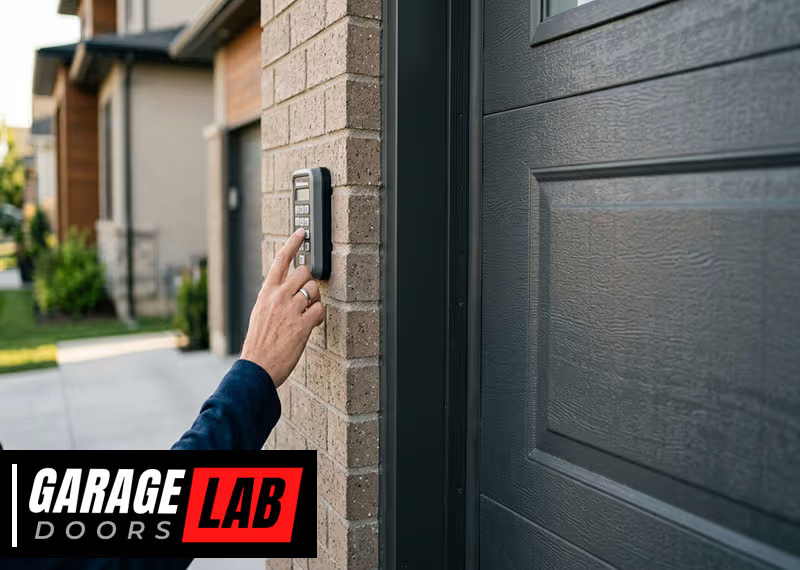
Opening your garage door from outside can feel confusing, especially if you face an emergency, lose your remote, or your opener malfunctions. Many people think you need special tools or advanced skills, but the truth is that with the right information, almost anyone can do it safely and efficiently.
This guide explains every method, from using the manual release cord to troubleshooting advanced systems, while highlighting important safety tips and common mistakes. Whether you’re locked out, preparing for a power outage, or just want to understand your garage better, this article gives you everything you need.
Understanding Garage Door Mechanisms
Before you try to open your garage door from outside, it helps to know how your system works. Most residential garage doors use either a manual or automatic opener. The automatic type is more common today, and it uses a motor, a chain or belt, and a trolley attached to the door.
The emergency release mechanism is a simple but crucial part. It lets you disconnect the door from the motor, so you can open and close it by hand. Most garage doors also have a lock or handle you can access from outside if you know what to look for. While designs differ, the basic systems are similar across brands.
People often overlook the importance of safety sensors and the wiring involved. These sensors prevent the door from closing if something is in the way, but they don’t help much when you’re locked out.
When You Might Need To Open From Outside
You don’t usually think about opening your garage door from outside until something goes wrong. Here are the most common situations:
- Power outages: Automatic openers won’t work if there’s no electricity.
- Lost or broken remotes: If you lose your remote or it stops working, you need another way in.
- Malfunctioning keypad or wall button: If the keypad fails, you can’t enter your code.
- Locked out of your home: Sometimes the garage is your only entry point.
- Broken springs or cables: These can stop the automatic opener from working.
- Manual override needed: For repairs or emergencies, you may need to disconnect the opener.
Understanding why you might need to open the door helps you prepare in advance. Many people only realize the problem during a crisis, which makes a tough situation even harder.
Essential Safety Precautions
Opening a garage door from outside is not dangerous if you follow basic rules, but mistakes can lead to injury or property damage. Here are important safety points:
- Never force the door: Forcing can break springs or cables, which are under heavy tension.
- Disconnect the opener first: If you try to lift the door while the opener is attached, you can damage the system.
- Clear the area: Make sure children and pets are away from the door.
- Wear gloves: Metal edges can be sharp, and parts may be dirty or rusty.
- Check for visible damage: If you see broken springs or cables, do not try to open the door alone.
- Know your system: Read the manufacturer’s manual if possible.
A surprising number of accidents happen because people rush or skip these steps. Take your time and think before you act.
Main Methods To Open Garage Door From Outside
Different garage doors and situations require different solutions. Here are the main ways to open your garage door from the outside:
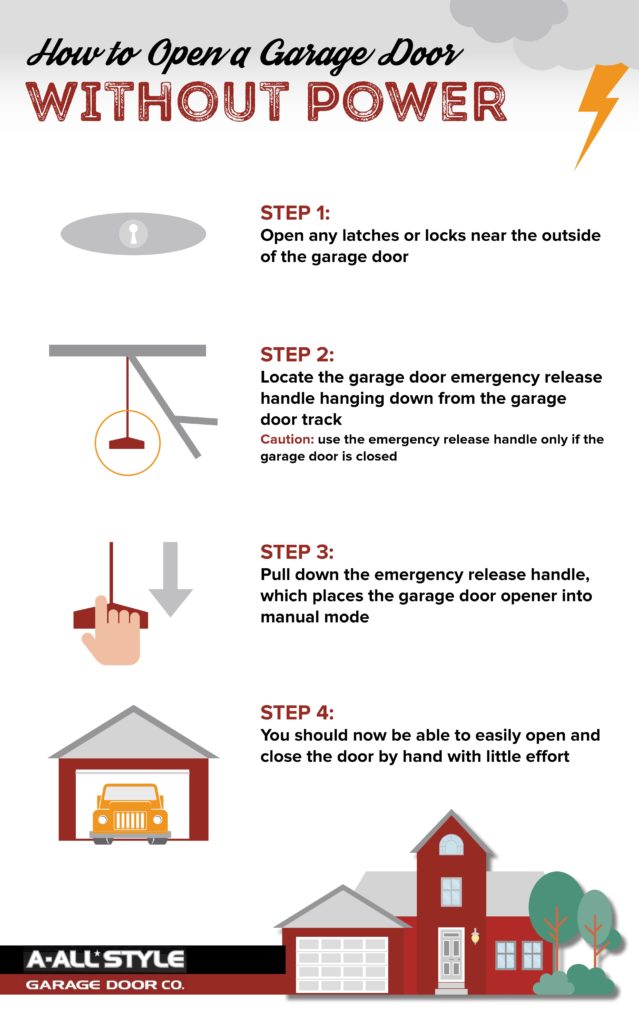
1. Using The Emergency Release Kit
Most modern garage doors have an emergency release kit installed for exactly this problem. If your garage is locked and you have no remote, this is often the best method.
How It Works
The emergency release kit is a small lock (usually in the center near the top of the door) with a keyhole. Inside is a cable that, when pulled, disconnects the door from the opener.
Steps
- Insert the key and turn to unlock.
- Pull the lock cylinder out, which brings out the attached cable.
- Firmly pull the cable: This disengages the trolley from the opener rail.
- Lift the garage door manually.
Practical Tips
- Always keep the emergency release key in a safe but accessible place.
- If your door is heavy or sticks, do not force it—call a professional.
Common Mistakes
- Forgetting to re-engage the opener after closing the door.
- Losing the emergency release key.
2. Using A Manual Garage Door Lock
Older garage doors or those without automatic openers often have a handle with a keyed lock.
Steps
- Unlock the handle with the key.
- Turn the handle to release the lock from the tracks.
- Lift the door straight up.
Key Points
- These locks are simple but strong.
- If the lock is rusted or stiff, apply a little lubricant before forcing it.
3. Accessing The Release Cord From Outside
If you do not have an emergency release kit, but there is a small gap at the top of the door, you can sometimes reach the release cord with a tool.
Tools Needed
- A stiff wire or coat hanger
- A flashlight
Steps
- Insert the wire through the gap at the top of the door.
- Hook the release cord (usually has a red handle) and pull it.
- Lift the door manually.
Cautions
- Only try this on your own property. This method is also used by thieves, so keep your garage secure.
- Some people zip-tie the release cord to prevent outside access, but this can make emergency entry impossible.
4. Using A Keypad Entry System
Many garages have a keypad mounted outside. If the opener works but you don’t have a remote, enter your code.
Steps
- Enter your PIN slowly and press Enter.
- The door should open automatically.
Troubleshooting
- If the keypad battery is dead, replace it and try again.
- If the keypad is unresponsive, check for dirt, corrosion, or damage.
5. Smart Garage Door Openers
Newer garages use Wi-Fi-enabled openers. You can open them with a smartphone app, even when outside.
Steps
- Open the app on your phone.
- Connect to your opener.
- Tap the open button.
Notes
- Make sure your home Wi-Fi is working.
- Some systems allow multiple users—set up a family member as backup.
6. Using A Physical Key (side Door)
Some garages have a side entry door with a regular key lock. This can be a lifesaver if you lose your garage remote.
Steps
- Unlock the side door.
- Enter the garage and use the manual release cord from inside.
Security Tip
- Always check that your side door is locked when not in use.
7. Overriding The Automatic Opener
If the opener is stuck or malfunctioning, and you can access the emergency release, disconnect the opener and use the door manually.
Steps
- Use the emergency release kit or cord to disconnect.
- Lift the door by hand.
Warning
- Do not try to repair the opener yourself if you don’t know how. Call a pro for complex problems.
8. Calling A Professional
If you cannot open your garage door safely, or there is visible damage, call a licensed garage door technician. They have the tools and training to open the door without causing damage.
When To Call A Pro
- Broken springs or cables
- Damaged tracks or panels
- If you tried all other methods
Comparing Garage Door Entry Methods
It’s helpful to compare the most common ways to open a garage door from outside. The table below highlights the main differences:
| Method | Tools Needed | Security Level | Ease of Use | Requires Setup |
|---|---|---|---|---|
| Emergency Release Kit | Key | Medium | Easy | Yes |
| Manual Lock | Key | High | Easy | No |
| Keypad | PIN | Medium | Very Easy | Yes |
| Smartphone App | Phone | Medium | Very Easy | Yes |
| Wire Tool (from outside) | Wire | Low | Difficult | No |
Preparing Your Garage For Emergency Entry
Many homeowners never think about getting locked out until it happens. Here’s how you can prepare:
Install An Emergency Release Kit
If your garage opener does not have one, you can buy a universal kit at hardware stores. Installation is simple and usually takes less than 30 minutes.
Keep Keys In A Secure Location
Don’t hide keys under doormats or in obvious places. Use a lockbox or give a spare to a trusted neighbor.
Maintain Your System
Test your emergency release and keypad every few months. Lubricate locks and handles to prevent rust.
Secure The Release Cord
If you’re worried about break-ins, consider a shield that covers the cord so it can’t be hooked from outside.
Add Backup Power
A backup battery system for your opener can keep it working during power outages.
Common Problems And How To Solve Them
Stuck Or Jammed Door
If the door won’t budge, check for:
- Obstructions in the track
- Broken springs or cables
- Bent tracks or panels
If you find any damage, don’t force the door—call a technician.
Lost Keys Or Forgotten Codes
If you can’t find your emergency release key, try to remember where you last placed it. Many people forget they put it in a car or a kitchen drawer. For keypads, reset your code if you forget it—most manuals explain how.
Dead Keypad Or Opener Battery
Replace the battery. For keypads, this usually means removing a back cover. For openers, check the main motor unit.
Remote Not Working
Check the batteries first. If the remote still doesn’t work, try reprogramming it using the garage door opener’s “learn” button.
Security Risks And How To Prevent Them
Opening your garage door from outside isn’t just about convenience—it’s about security. Thieves know common tricks and often target weak points.
Most Common Security Risks
- Unlocked emergency release kits
- Exposed release cords
- Old or weak locks
- Easy-to-guess keypad codes
- Unlocked side doors
How To Stay Safe
- Use a shield to block access to the release cord from outside.
- Choose a keypad code that’s hard to guess—avoid birthdays or simple sequences.
- Upgrade to a smart opener with rolling codes, which change every use.
- Install motion-activated lights near your garage.
- Always lock all doors, even during the day.

Real-world Examples And Scenarios
Let’s look at a few real-life situations and solutions.
Power Outage During A Storm
Sarah lives in a suburb where storms cut power often. Last winter, her opener stopped working at night. She used her emergency release key, pulled the cord, and opened the door by hand. After the storm, she tested the system and re-engaged the opener.
Insight: Always test your emergency release in daylight so you’re ready in the dark.
Lost Remote While Traveling
John returned from vacation and couldn’t find his garage remote. Luckily, he’d set up the keypad and used his code to enter. He later found his remote in his suitcase.
Insight: Set up at least two entry methods—never rely on just the remote.
Jammed Door With Broken Spring
Maria noticed her garage door wouldn’t open, even with the emergency release. She saw a broken spring and called a technician. The repair took an hour, but she avoided injury by not forcing the door.
Insight: Never try to open a door with a broken spring alone; the door can be dangerously heavy.
Cost Comparison: Diy Vs Professional Help
Is it cheaper to open your garage yourself or call a pro? Here’s a quick comparison:
| Option | Average Cost | Risk Level | Time Needed |
|---|---|---|---|
| DIY (with emergency kit) | $15–$50 for kit | Low to Medium | 10–30 minutes |
| DIY (wire tool) | Free to $5 | Medium to High | 10–30 minutes |
| Professional Service | $75–$200 | Low | 30–60 minutes |

Advanced Tips Most People Miss
Many guides stop with the basics, but here are advanced tips:
- Install a backup keypad on a hidden side of the garage. If your main keypad fails, you still have access.
- Set up two-factor authentication on smart openers. This makes hacking almost impossible.
- Use a motion-activated camera above the garage to deter thieves and monitor activity.
- Label your emergency release key with a tag so you can find it quickly in a drawer or bag.
- Test all entry methods twice a year—many people only discover problems when it’s too late.
Mistakes To Avoid
Even smart homeowners make these errors:
- Leaving the release cord hanging too low: It’s easier for burglars to hook.
- Forgetting to re-engage the opener after manual use: The door won’t lock or operate remotely.
- Using weak or repeated keypad codes: Increases risk of break-ins.
- Not lubricating locks and handles: Can lead to stuck mechanisms.
- Ignoring professional help when you see damage: DIY can be risky with broken springs or cables.
Frequently Asked Questions
How Do I Re-engage My Garage Door Opener After Using The Emergency Release?
To re-engage, simply push the door toward the opener rail until you hear a click, or pull the release cord toward the opener. This reconnects the trolley, letting the motor control the door again.
What If My Garage Door Is Too Heavy To Lift Manually?
If the door feels too heavy, stop immediately. This likely means a broken spring or another mechanical failure. Forcing it can cause injury. Call a professional for safe repair.
Can Someone Break In Using The Emergency Release Cord?
Yes, thieves sometimes use a wire to pull the cord through the top gap. To prevent this, install a release cord shield or secure the cord with zip ties (but make sure you can still use it in an emergency).
Is It Safe To Open The Garage Door In A Power Outage?
Yes, if you use the emergency release and the door is in good condition. Make sure the area is clear, and don’t force a jammed or stuck door.
How Do I Find Out What Type Of Garage Door Opener I Have?
Check the motor unit (usually on the ceiling of your garage). The brand and model are printed on a label. You can also look up the manual or search online for your system.
Opening your garage door from outside doesn’t have to be stressful. With the right tools, knowledge, and preparation, you can handle most problems safely and quickly. Remember to test your systems regularly, keep your keys secure, and never ignore signs of damage. If in doubt, call a professional. For more details on garage door safety and technology, visit Wikipedia’s garage door opener page.
With these steps, you’ll never be locked out of your garage for long. Stay safe, stay prepared, and keep your home secure.