
When the power goes out, many daily tasks become more difficult. One of the most frustrating moments is realizing your garage door opener will not work. Whether you are trying to get your car out during an emergency, or you need to close your garage for security, knowing how to open your garage door without power is essential. Power outages can happen from storms, accidents, or planned maintenance, and they don’t wait for a convenient time. That’s why learning to manually operate your garage door is a smart step for every homeowner.
This guide will walk you through every detail of opening your garage door when the power is out. We’ll cover step-by-step instructions, safety tips, what to do with different door types, and how to reset your system when power returns. If you’ve never done this before, don’t worry. You’ll find clear explanations, practical advice, and real examples, so you can feel confident taking action when the lights go out.
Why Garage Doors Won’t Work Without Power
Most modern garage doors use an electric motor connected to a wall switch and remote controls. When the power fails, the motor can’t move the door up or down. The system is designed this way for safety, so the door doesn’t accidentally move or close on its own during an outage.
Some homeowners believe their garage door might have a backup battery. While battery backup is becoming more common, it’s not standard on older models. In fact, a 2023 study by the International Door Association found that only about 37% of American homes with a garage have a backup power system for their opener. If you are not sure whether your opener has a battery backup, check your owner’s manual or look for a battery compartment on the opener unit.
Understanding Your Garage Door System
Before trying to open your door, it helps to know the basic parts:
- Torsion spring: Usually found above the door, it helps lift the heavy door.
- Extension springs: Located above the horizontal tracks on both sides.
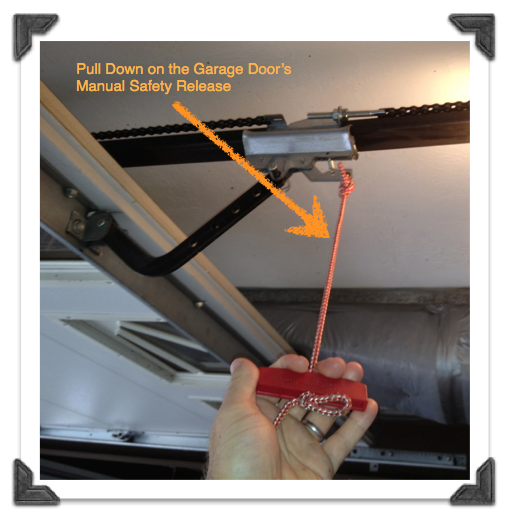
- Emergency release cord: A red cord hanging from the motor rail.
- Manual lock: Some doors have a handle or lock on the outside.
Most residential garage doors use one of two mechanisms: chain drive or belt drive systems. Both work similarly during a power outage.
Types Of Garage Doors
Garage doors come in several styles, but the most common are:
- Sectional doors: Made of horizontal panels that bend as the door opens.
- One-piece (tilt-up) doors: Whole door swings up as a single piece.
- Roll-up doors: Often found in commercial garages, roll into a coil above the opening.
Knowing your door type can help you follow the right method to open it.
Safety Precautions Before Opening
It’s easy to rush when you’re in a hurry, but safety must come first. Garage doors are heavy—most weigh between 130 and 350 pounds. Mishandling can cause serious injury or damage.
Here are important precautions:
- Disconnect the opener only when the door is fully closed if possible. If the door is open and you release it, it may crash down.
- Never place fingers between panels to avoid pinching.
- Stand to the side of the door when releasing the emergency cord.
- Watch out for broken springs or cables. If you see broken or loose parts, do not try to open the door manually—call a professional.
- Keep children and pets away from the garage until the process is finished.
Many injuries happen because people ignore these simple rules. If you feel unsure or notice anything wrong with the springs or cables, stop and call a garage door technician.
Step-by-step: How To Open A Garage Door Without Power
Now let’s walk through the process. The following steps work for most standard sectional garage doors. If you have a very old or unusual system, check your manual or contact the manufacturer.
1. Locate The Emergency Release Cord
The emergency release cord is usually a red cord hanging from the opener rail, just above the center of your garage door. It may also have a handle attached.
2. Make Sure The Door Is Closed (if Possible)
If the door is already closed, this is the safest position to disconnect the opener. If the door is partially open, be careful—when you pull the emergency release, the door could drop quickly.
3. Pull Down On The Emergency Release Cord
Firmly grip the handle and pull straight down. This action disengages the trolley from the opener carriage, allowing you to move the door by hand.
4. Lift The Door Manually
With the opener disconnected, grab the bottom of the door (use the handle, not the panels). Lift the door slowly and steadily. The springs should support most of the weight if they are working properly.
If the door is very heavy or does not move easily, stop and check for any visible problems. Do not force the door.
5. Secure The Door Open (if Needed)
If you need to keep the door open for a while, use something sturdy like a locking pliers or a clamp to hold the door in place. Set the clamp on the track just below the bottom roller to prevent the door from sliding down unexpectedly.
6. Close The Door Manually When Finished
To close the door, gently pull it down by the handle. Keep your body clear of the door’s path. Do not let it slam shut.
7. Reconnect The Opener When Power Returns
Once power is restored, you’ll need to re-engage the opener. Most systems allow you to pull the emergency release cord toward the door (or press the wall button) to reconnect the trolley. You may hear a click as it locks back into place.
Tip: Always test the opener with the remote or wall switch to make sure everything works as before.
How To Open A Garage Door From Outside During A Power Outage
Sometimes you may return home during a blackout and find the garage door closed. Opening it from outside is more challenging but possible if your door has an exterior emergency release kit.
What Is An Exterior Emergency Release Kit?
This is a special lock (usually with a small round key) installed in the center of the upper garage door panel. When you turn the key, a cable inside pulls the emergency release, letting you open the door manually from outside.
If your door does not have this kit and you rely on your garage for house entry, consider installing one. It’s an inexpensive upgrade that can prevent being locked out during an outage.
Steps To Open From Outside
- Insert the key into the lock and turn to release the cover.
- Pull the cable inside to trigger the emergency release.
- Lift the door manually, as described above.
Important: Only use this method if you are the homeowner. Exterior release kits can be a security risk if not installed properly, so always use a high-quality lock.
Special Considerations For Roll-up And One-piece Doors
Not all garage doors operate the same way. Here’s how to handle the less common types:
Roll-up Doors
These doors, often found in commercial settings, have their own manual release mechanism. It’s usually a chain hoist or a special crank. If you are not familiar with your system, check for a labeled manual release near the motor or consult the manufacturer.
One-piece (tilt-up) Doors
These doors swing out as a single piece. Most have a manual lock or handle at the bottom. In a power outage:
- Unlock the manual handle if needed.
- Lift the door from the center, using both hands.
- Support the weight as it moves overhead.
Be careful—tilt-up doors are heavy and can drop quickly if not held securely.
What To Do If The Garage Door Won’t Open
Sometimes, following the steps above doesn’t work. Here are some common reasons:
- Broken springs or cables: These are critical parts that help lift the door. If a spring snaps, the door may be impossible to lift.
- Bent or damaged tracks: The door can jam if the tracks are not straight.
- Lock engaged: Some doors have a slide lock that may be set, preventing movement.
- Disconnected release cord: If the release mechanism is broken, it may not disengage.
If you encounter any of these, do not try to force the door. Forcing a jammed door can make things worse or cause injury. Call a qualified garage door technician for help.
How Garage Door Springs Affect Manual Opening
The garage door springs do most of the heavy lifting. When the opener is disconnected, the springs should balance the door’s weight so you can lift it easily.
There are two main types:
- Torsion springs: Above the door, wound tightly to store energy.
- Extension springs: Along the tracks, stretching as the door moves.
A well-balanced door should feel heavy but manageable (about 10-15 pounds of force needed). If it feels much heavier, your springs may need adjustment or replacement.
Warning: Never try to repair or replace garage door springs yourself. They are under high tension and can cause serious injury.

Resetting Your Garage Door Opener After Power Returns
Once power is restored, you’ll want everything working as before. Here’s how to reset the system:
- Close the garage door completely if open.
- Reconnect the trolley by pulling the emergency cord toward the door or pressing the wall button.
- Test the opener with the remote or wall switch.
- Listen for unusual noises or jerky movement. If anything seems wrong, disconnect and check for obstructions.
Some openers may need a full reset or reprogramming after a long outage. Check your owner’s manual for model-specific instructions.
Comparing Manual Vs. Automatic Operation
To help you understand the differences between manual and automatic operation, see this side-by-side comparison:
| Feature | Manual Operation | Automatic Operation |
|---|---|---|
| Convenience | Low | High |
| Safety | Depends on user | Has sensors & auto-stop |
| Speed | Slow | Fast |
| Works during power outage | Yes | No (unless backup battery) |
| Effort required | Medium to high | Very low |
Tools And Accessories That Can Help
You don’t need special tools to open a garage door manually, but a few items can make the process safer and easier:
- Work gloves: For better grip and to protect your hands.
- Flashlight: If the garage is dark during the outage.
- Step stool or ladder: To reach the emergency cord if it’s high.
- Locking pliers or clamp: To hold the door open if needed.
- Exterior emergency release kit: For access from outside.
Having these tools handy can save time and reduce stress during an unexpected outage.
How To Prevent Future Problems
Being prepared is the best way to avoid getting stuck. Here are practical tips:
- Test your emergency release: Do this twice a year to make sure it works smoothly.
- Lubricate moving parts: Use garage door lubricant on rollers, tracks, and springs.
- Install a battery backup: Many newer openers support this feature and will work during outages.
- Add an exterior emergency release kit: Especially important if your garage is your main entry point.
- Keep spare keys: Don’t rely only on the garage for house access.
Real-life Example: A Power Outage Emergency
Consider this scenario: In 2022, a severe storm in Michigan left over 1 million people without power for several days. Many families needed to leave quickly, but some could not open their garage doors. One homeowner, Lisa, realized her only house key was inside the garage. She was locked out until a neighbor with experience helped her use the emergency release. This story shows why basic knowledge and preparation matter.
The Role Of Battery Backup In Modern Garage Doors
Battery backup systems are a smart addition to garage door openers. They keep the opener working even if the main power is out. In California, battery backups are now required on all new openers. According to the U.S. Consumer Product Safety Commission, these systems can operate your door 15-20 times on a full charge during an outage.
If you’re considering an upgrade, look for openers with built-in battery backup. It’s a small investment for peace of mind.
Common Mistakes To Avoid
- Forcing a jammed door: Can damage the door or opener.
- Releasing the opener with the door open: Can cause the door to crash down.
- Not supporting the door when open: Doors can slip and cause injury.
- Ignoring damaged springs or cables: Risk of sudden failure.
- Leaving the door unsecured: Can allow intruders or animals to enter.
Avoid these mistakes to keep your family and property safe.
Security Concerns During A Power Outage
A powerless garage door can be a weak point in home security. Thieves know that some doors are easier to open when the power is out. Here’s how to protect your home:
- Always lock the interior door between the garage and house.
- Install a manual lock or slide bolt on the garage door.
- Upgrade to a modern opener with rolling code technology.
- Install security cameras in and around the garage.
If you must leave the door open, never leave valuables in plain sight.
How To Tell If Your Garage Door Has A Battery Backup
If you bought your opener in the last five years, there’s a good chance it has battery backup. Look for:
- A battery compartment on the opener unit.
- Battery indicator lights (LEDs) on the motor.
- A label or mention in the owner’s manual.
You can also check your brand’s website for details. For more on battery backup standards, see this Wikipedia article.
Cost Comparison: Manual Release Vs. Battery Backup
Here’s a look at the costs involved for different solutions:
| Solution | Average Cost (USD) | Installation Required | Benefits |
|---|---|---|---|
| Manual Emergency Release | $0 (built-in) | No | Always available, no extra cost |
| Exterior Emergency Release Kit | $15 – $40 | Yes (DIY or pro) | Access from outside |
| Battery Backup System | $50 – $120 | Yes | Automatic operation during outage |
| New Opener with Battery | $200 – $400 | Yes | Modern features, peace of mind |
Maintenance Tips For Reliable Manual Operation
Regular maintenance helps ensure your emergency release works when you need it most:
- Check the release cord for fraying or damage.
- Test the manual release by disconnecting and reconnecting every few months.
- Clear debris from tracks to prevent jamming.
- Listen for strange noises when operating the door—grinding or squeaking may mean it needs lubrication or repair.
- Inspect springs and cables for rust or wear.
A few minutes of attention can prevent big problems during an outage.
Choosing The Right Garage Door Opener For Your Needs
If you’re planning to replace or upgrade your opener, consider these factors:
- Battery backup: Essential for areas with frequent outages.
- Security features: Rolling codes, automatic locking.
- Smart controls: Wi-Fi or app-based operation.
- Quiet operation: Belt drives are quieter than chain drives.
- Lifting capacity: Make sure it matches your door size and weight.
Ask a reputable installer for advice if you’re not sure.
Environmental Impact: Manual Vs. Automatic Doors
Manual operation uses no electricity, but is less convenient. Automatic openers use about 75-100 kWh per year (roughly $10-$15 in energy costs). Adding a battery backup increases reliability but has a small environmental footprint.
If you want to reduce energy use, keep your door well-maintained so the opener doesn’t work harder than it should.

Frequently Asked Questions
How Do I Know If My Garage Door Is Safe To Open Manually?
Check that the springs and cables look intact and there’s no visible damage. If the door is very heavy or jerky, do not force it—call a professional for help.
Can I Open My Garage Door With A Broken Spring During A Power Outage?
No. A broken spring means the door is not balanced and may be impossible or dangerous to lift. Do not attempt to open it—wait for a technician.
Is It Possible To Open A Garage Door From Outside Without An Emergency Release Kit?
Without an exterior kit, it’s almost impossible without damaging the door. Consider adding one if your garage is your main entry point.
What Should I Do If The Emergency Release Cord Is Stuck?
Try gently pulling in different directions. If it still won’t move, the mechanism may be jammed or broken. Do not force it—contact a garage door service.
Will My Garage Door Opener Need To Be Reprogrammed After A Long Power Outage?
Most openers do not lose programming after a short outage. However, some may need resetting if the power is off for an extended period. Check your manual for specific steps.
Power outages are inconvenient, but they don’t have to leave you trapped or frustrated. By understanding how your garage door works, following safe manual opening steps, and preparing in advance, you can handle any outage with confidence. Take time to practice these steps and invest in the right accessories for your peace of mind.
When the next blackout comes, you’ll be ready to open your garage door—no matter what.