
Now Reading: Why Does My Garage Door Not Close? Top Fixes and Solutions
- 01
Why Does My Garage Door Not Close? Top Fixes and Solutions

A garage door that won’t close can quickly turn convenience into frustration. For many, the garage is not only a place to park the car but also the main entrance to the home. When the door doesn’t close, security is at risk and your plans are delayed.
If you find yourself standing in your driveway, clicking the remote without success, you’re not alone. This is a common problem for homeowners, and the causes can range from simple to complex. Understanding why your garage door won’t close helps you solve the problem faster, saves time, and avoids unnecessary repair costs.
In this guide, you’ll learn the most frequent reasons a garage door refuses to close, how to troubleshoot them, and steps you can take before calling a professional. You’ll also discover some overlooked issues, how modern garage door systems work, and practical safety tips.
Whether you’re a DIY fan or a cautious beginner, this article will give you clear, practical advice to get your garage door working again.
How Modern Garage Doors Work
Before jumping into troubleshooting, it helps to understand the basics of garage door systems. Most garage doors today use an electric opener, which is a small motor mounted on the ceiling. This motor is connected to the door by a track and a chain, belt, or screw drive. The opener receives signals from your wall button or remote control to raise or lower the door.
Key safety features include:
- Safety sensors: Located near the floor on both sides of the door, these infrared sensors detect obstacles.
- Limit switches: These tell the motor when to stop moving the door up or down.
- Manual release: A cord or lever lets you open the door by hand during power outages.
If any part of this system fails, the door may refuse to close. Next, let’s look at the most common causes.
Common Reasons Your Garage Door Won’t Close
Several issues can prevent a garage door from closing. Some are easy to fix, while others need a technician. Here are the main causes:
1. Safety Sensor Problems
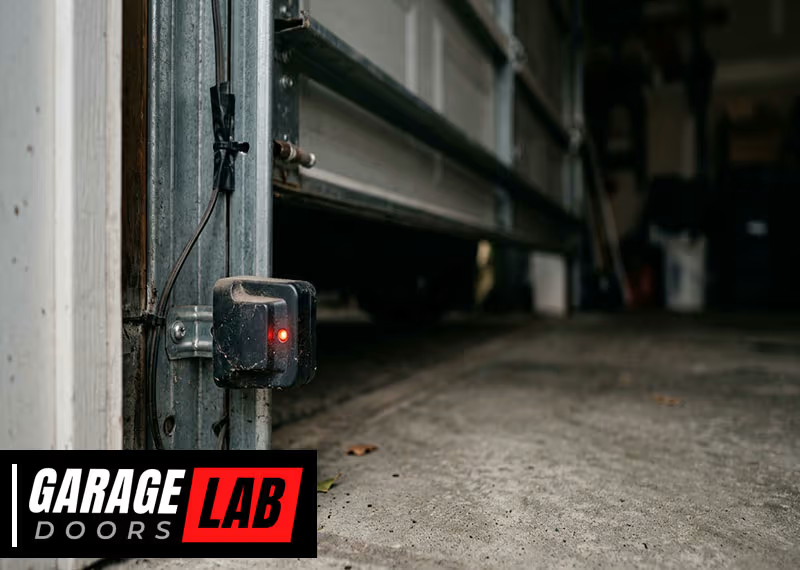
Safety sensors are one of the most frequent reasons for a garage door not closing. These small devices send an invisible beam across the door opening. If something breaks the beam, the door won’t close for safety reasons.
What can go wrong:
- Sensors are misaligned (not pointing at each other)
- Dirty lenses block the beam
- Wiring is loose or damaged
- Sunlight interferes with the sensor
How to check: Look for blinking lights on one or both sensors. Clean the lenses gently and make sure they face each other. If lights stay off or keep blinking, wiring may be the problem.
Non-obvious insight: Even a small spider web or a leaf can break the beam and stop the door from closing. Check for any debris.
2. Obstructions In The Door’s Path
Garage doors are designed to reverse if they hit something. An item as small as a rock or a child’s toy under the door can cause it to bounce back up.
What to do: Inspect the entire path, including the tracks and under the door. Remove anything that doesn’t belong.
Non-obvious insight: Sometimes, uneven concrete or a tiny bump can also be sensed as an obstruction. If the floor is not level, the door may struggle to close.
3. Malfunctioning Remote Controls
A remote control that isn’t working doesn’t always mean the door opener is broken. The issue could be with the remote itself.
Possible causes:
- Dead batteries
- Remote is out of range
- Signal interference from nearby electronics
- Remote needs reprogramming
How to check: Try the wall button. If the door closes, the remote is likely the problem.
4. Door Tracks Are Blocked Or Bent
Garage door tracks must be clean and straight. Dirt, stones, or a bent section can stop the rollers from moving smoothly, causing the door to get stuck.
How to inspect: Look closely at both tracks. Use a flashlight to check for debris or dents. Gently straighten bent areas with pliers if minor.
5. Broken Or Worn Out Springs
Springs lift most of the door’s weight. If a spring breaks, the opener might not have enough power to close the door fully.
Signs of a problem:
- Door is heavy to move by hand
- Loud bang when spring broke
- Visible gap in torsion spring above the door
Warning: Replacing springs is dangerous. Call a professional if you suspect a spring is broken.
6. Limit Switch Settings Are Off
Limit switches tell the opener when to stop. If they are set wrong, the door may stop before reaching the ground or go back up.
What to do: Most openers have small dials or screws to adjust the “down” limit. Follow your opener’s manual or look for adjustment points on the motor unit.
7. Power Source Issues
If the opener isn’t getting power, the door won’t move at all.
Check these points:
- Opener is plugged in
- Circuit breaker hasn’t tripped
- Power outlet works (test with another device)
8. Manual Lock Engaged
Some garage doors have a manual lock or slide bolt. If this is engaged, the opener can’t move the door.
How to check: Look for a metal bar or latch on the inside of the door. Disengage it and try again.
9. Cables Off The Drum
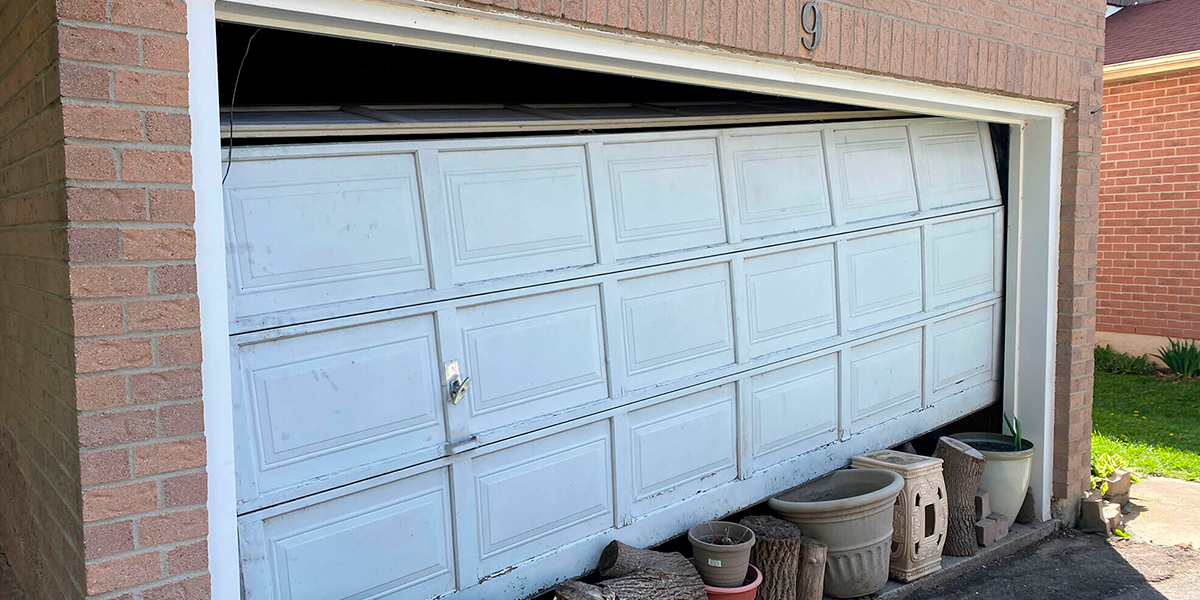
Garage doors use cables wound around drums to lift and lower. If a cable slips off, the door may become crooked and fail to close.
Signs: Door is uneven, jams halfway, or sags on one side.
10. Weather Conditions
Extreme cold can cause parts to shrink or stick. Ice on the tracks, snow buildup, or swollen wood doors can all stop a door from closing.
Practical tip: Keep tracks clear of ice and check for swelling after storms.
11. Incorrect Door Alignment
If the door is not hanging straight, it may get stuck. This can happen if tracks, rollers, or hinges are loose or worn.
How to spot: Door looks tilted when moving, or rubs against one side.
12. Garage Door Opener Malfunction
Sometimes, the problem is inside the opener itself. Circuit boards can fail, gears can strip, or the motor may burn out.
What to do: If you hear clicking but the door won’t move, or you smell burning, call a technician.
13. Wall Button Or Keypad Issues
The wall button or external keypad can fail due to wiring problems, stuck buttons, or dead batteries (for wireless keypads).
Test: Try both the wall button and the remote. If neither works, check wiring or replace the keypad batteries.
14. Interference From Nearby Devices
Wireless signals from neighbor’s openers, routers, or even LED lights can interfere with your remote.
Solution: Change your opener’s frequency or move interfering devices if possible.
15. Worn Out Rollers Or Hinges
Rollers and hinges help the door move smoothly. If they are worn or broken, the door may jam or squeal, stopping before closing.
Check: Look for rust, flat spots, or loose parts. Replace as needed.
How To Troubleshoot A Garage Door That Won’t Close
Troubleshooting can save you both money and stress. Here’s a practical step-by-step approach:
1. Check The Sensors
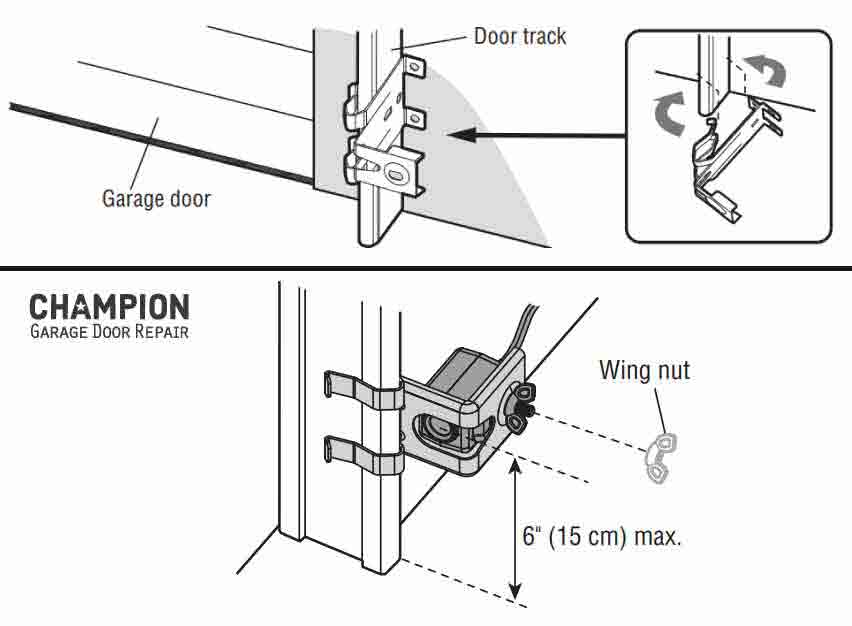
Make sure both sensors have steady lights and are clean. Adjust their position gently until both lights are solid.
2. Inspect The Door Path
Remove all objects, sweep the area, and check for ice or debris.
3. Try The Wall Button
If the remote fails but the wall button works, replace the remote batteries or reprogram the remote.
4. Test Power Supply
Plug another device into the outlet. Reset the circuit breaker if needed.
5. Check Manual Lock
Look for any lock or latch engaged on the door.
6. Examine The Tracks
Clear and straighten tracks as much as possible. Do not attempt major repairs yourself.
7. Check For Spring Issues
If the door is very heavy, or you see a broken spring, stop and call a professional.
8. Adjust Limit Switches
Follow the opener’s manual to increase or decrease the down limit.
9. Try Manual Operation
Pull the emergency release cord and try to move the door by hand. If it moves freely, the problem is likely with the opener. If not, it’s a mechanical issue.
Pro tip: Always disconnect the opener and test the door manually before making adjustments. This reveals if the problem is with the door itself or the opener.
What To Do If You Can’t Fix It Yourself
Some problems require professional help. You should NOT try to fix:
- Broken springs or cables
- Major track damage
- Electrical faults inside the opener
- Gear or motor replacement
Why? These jobs need special tools and are dangerous if done wrong. Repairing them without proper training can cause injury or more damage.
Preventing Garage Door Problems
A little regular maintenance helps avoid most garage door issues. Here’s how you can keep your system working smoothly:
- Clean the sensors monthly with a soft cloth.
- Lubricate rollers and hinges twice a year using a silicone-based spray.
- Inspect tracks and tighten hardware every few months.
- Test the auto-reverse feature by placing a roll of paper towels under the door and closing it. The door should reverse as soon as it touches the object.
- Check the balance by disconnecting the opener and lifting the door halfway. If it stays, springs are fine; if not, call for service.
Data point: According to the International Door Association, over 70% of garage door malfunctions can be prevented by regular maintenance.
Comparison: Diy Repair Vs. Professional Service
Sometimes, it’s tempting to fix everything yourself. But is it always worth the risk? Here’s a side-by-side look:
| DIY Repair | Professional Service |
|---|---|
| Lower cost for simple fixes (e.g., cleaning sensors, adjusting limits) | Safe and reliable for all repairs, including dangerous ones |
| Quick for minor problems | Comes with warranty and insurance |
| Risk of injury for complex repairs (springs, cables) | More expensive but often faster for major issues |
| No warranty on your work | Correct tools and expertise |
Practical advice: If you’re not sure, it’s safer to call a pro for electrical or spring problems.
How Weather Affects Garage Doors
Many people overlook how weather conditions influence garage doors. Cold temperatures can cause metal parts to contract, making them stick. In summer, humidity can swell wooden doors. In winter, ice can block the tracks. Rain can cause rust if parts are not lubricated.
| Weather | Common Issues | Prevention Tips |
|---|---|---|
| Cold/Ice | Frozen tracks, stiff parts | Clear ice, lubricate moving parts |
| Rain/Humidity | Rust, swollen wood, electrical shorts | Use weatherproof lubricant, seal wood, check wiring |
| Heat | Warped panels, dried-out lubricant | Lubricate frequently, shade the door |
Insider tip: Install a dehumidifier or weather seal to reduce weather-related problems.
How Garage Door Sensors Really Work
Garage door sensors use infrared technology to detect objects. Each sensor sends a beam to the other. If the beam is blocked, the opener won’t close the door. Sensors are required by law in most new installations for safety.
Interesting fact: Infrared sensors can be affected by bright sunlight, which can “blind” them. If your door closes only at night, try shading the sensors.

Hidden Problems That Beginners Often Miss
Some garage door issues are not obvious, even to careful homeowners. Here are two common examples:
1. Sensor Wiring Damage
Wires running to sensors can be pinched or chewed by pets. Even if the sensors look fine, damaged wiring can interrupt the signal.
2. Remote Signal Memory
After a power outage, some openers “forget” remote codes. Reprogramming the remote usually solves the problem.
Practical advice: Check all wires for damage and keep a copy of your opener’s manual for reprogramming steps.
Safety First: What You Should Never Do
Garage doors are heavy and springs are under high tension. Here’s what to avoid:
- Never place hands or tools near springs or cables.
- Do not try to remove or adjust springs.
- Don’t force the door closed—it could cause further damage.
- Never bypass the safety sensors.
Stat: The US Consumer Product Safety Commission reports thousands of garage door injuries each year, many from DIY repairs.
When To Replace Your Garage Door Opener
If your opener is over 15 years old and often fails, it may be time for a new one. Modern openers have better safety features, are quieter, and use rolling codes for security.
Signs you need a new opener:
- Loud grinding noises
- Door hesitates or stops mid-cycle
- Opener has no safety sensors
- Frequent repairs needed
Note: Upgrading can also improve energy efficiency and add smart features, like smartphone control.
Cost Of Garage Door Repairs
Many homeowners worry about repair costs. Prices vary by region and problem type. Here’s a general range:
| Repair Type | Average Cost (USD) |
|---|---|
| Sensor cleaning/realignment | $50 – $100 |
| Spring replacement | $150 – $350 |
| Track repair | $125 – $300 |
| Opener replacement | $300 – $500 |
| Minor adjustments | $75 – $125 |
Tip: Get multiple quotes and always use a licensed technician for major repairs.
Upgrading For Better Performance And Safety
If you face repeated problems, consider upgrading your system. Modern garage doors offer:
- Quieter operation (belt-driven openers)
- Battery backup for power outages
- Smartphone controls
- Enhanced safety sensors
- Better insulation for energy savings
Resource: For more about smart garage door systems, see the Wikipedia article on garage door openers.
Simple Maintenance Checklist
Keep your garage door working with this monthly routine:
- Wipe sensors and test their alignment.
- Lubricate rollers, hinges, and springs (if accessible).
- Check for loose bolts or screws and tighten as needed.
- Listen for unusual noises.
- Test the auto-reverse feature.
- Make sure remotes and keypads work.
Bonus tip: Mark a calendar reminder to do these tasks. Preventing issues is easier than fixing them.
Frequently Asked Questions
Why Does My Garage Door Close Halfway Then Go Back Up?
This usually happens if the safety sensors detect something or are misaligned. Sometimes, the limit switch is set too short, making the opener think the door has hit the floor before it really has.
Can I Bypass Garage Door Safety Sensors?
While it’s possible to bypass sensors, it is never safe or recommended. Sensors are required by law to prevent accidents. Fix the sensor issue instead of bypassing it.
How Do I Reset My Garage Door Opener?
Most openers have a “learn” button on the motor. Press and hold it until the light blinks, then reprogram your remotes. Check your opener’s manual for exact instructions.
Is It Dangerous To Replace Garage Door Springs Myself?
Yes, replacing garage door springs is very dangerous. Springs are under high tension and can cause serious injury. Always call a professional for spring repairs.
Why Does My Garage Door Remote Work Sometimes But Not Always?
This could be due to weak batteries, signal interference, or the remote being out of range. Try changing batteries, standing closer, or reprogramming the remote.
A garage door that won’t close is more than a small inconvenience; it’s a security and safety issue. By understanding how your system works and checking the most common problems, you can often fix minor issues yourself. Regular maintenance and knowing when to call a professional will keep your garage door running smoothly for years.
Take care of small problems early, and your garage door will reward you with reliable service day after day.