
Keeping your garage door running smoothly is easier than most people think. One of the most important parts of garage door maintenance is taking care of the garage door rollers. These small wheels help the door open and close quietly and safely. If you ignore them, you might hear loud squeaks, feel jerky movements, or even face expensive repairs. Lubricating the rollers doesn’t require advanced skills—just the right tools, a bit of time, and some careful steps. In this guide, you’ll learn every detail you need to know about how to lube garage door rollers like a pro, even if you’ve never done it before.
Why Lubricating Garage Door Rollers Matters
Many homeowners forget about the rollers until something goes wrong. But regular lubrication has real benefits. First, it keeps your garage door quiet. Squeaky rollers are usually dry or dirty rollers. Second, it reduces wear and tear, making your door last longer. Rollers that move smoothly put less stress on the garage door opener and tracks. Third, good lubrication helps prevent breakdowns. A stuck roller can make the whole door jam or even come off its tracks, which is dangerous and costly.
Another thing people miss is that proper lubrication can save energy. When rollers glide easily, your garage door motor doesn’t have to work as hard, which can lower your energy use a little over time.
Some homeowners don’t realize that a well-lubricated roller also means less strain on other parts of the garage door system. For example, the hinges, springs, and opener gears all benefit because they don’t have to compensate for extra resistance. Over time, the reduced friction adds up, so your door system lasts longer and you avoid surprise breakdowns.
If you have an attached garage, noise from the door can travel into your home—especially bedrooms or living areas above or next to the garage. A quiet door makes life more comfortable, especially early in the morning or late at night.
Regular lubrication is the simplest way to keep peace in your home.
Understanding Garage Door Rollers
Before you start, it’s helpful to know what you’re working with. Garage door rollers are small wheels that fit into the metal tracks on either side of the door. As the door moves up and down, the rollers turn inside the tracks, guiding the door’s movement. There are several types of rollers, and not all need the same care.
Types Of Garage Door Rollers
| Roller Type | Material | Typical Lifespan | Maintenance Needs |
|---|---|---|---|
| Plastic/Nylon Rollers | Nylon or plastic | 2-5 years | Low, but still benefit from lubrication |
| Steel Rollers (No Ball Bearings) | Steel | 2-3 years | Frequent lubrication needed |
| Steel Rollers (With Ball Bearings) | Steel | 10-15 years | Lubricate regularly for best life |
Nylon rollers are popular because they’re quieter and need less maintenance. However, even these types benefit from a small amount of lubricant to extend their life. Steel rollers tend to be noisier and need more frequent lubrication, especially those without ball bearings.
Rollers with ball bearings often last much longer but are more expensive. It’s easy to overlook lubrication for them because they run quietly for years. However, if you skip regular care, even these high-quality rollers can seize up or wear out early.
How Rollers Affect Door Operation
If even one roller is stuck or dry, your garage door can become noisy, shaky, or unbalanced. This can make your opener wear out faster. Sometimes, the entire door might not close properly. That’s why lubricating all rollers—not just the noisy ones—is important.
For example, a garage door that jerks or hesitates might have only one bad roller, but the effect is felt across the whole system. Neglecting one roller usually means the others will wear out faster from uneven stress. Regular lubrication keeps the door balanced, so all parts share the load equally.
Another detail: If your garage door opens with difficulty, many people think the opener is failing. In reality, dry rollers are a common cause. Lubrication is an easy fix that can save you from replacing an expensive opener before it’s truly needed.
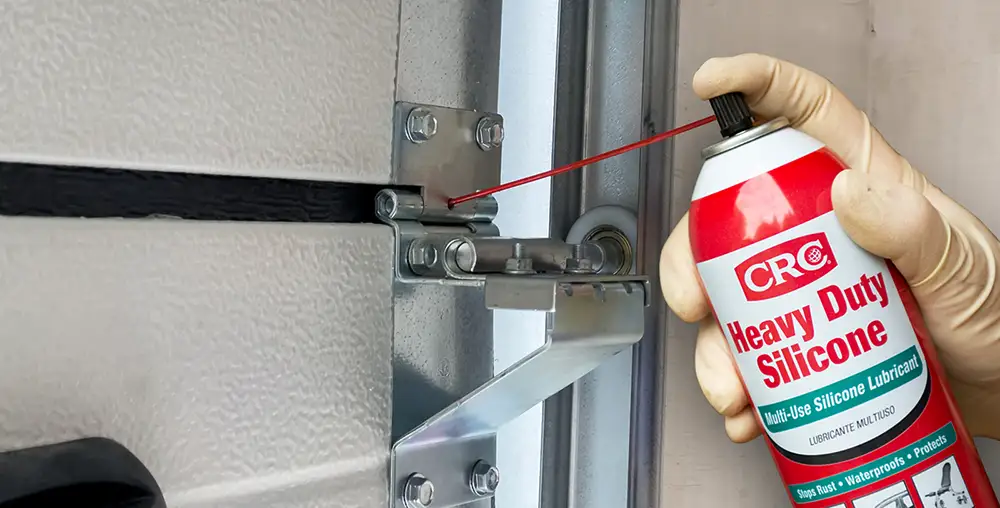
Tools And Materials You’ll Need
Don’t start until you have everything ready. Using the wrong tools or lubricant can actually damage your door.
- Garage door lubricant (not regular WD-40): Look for silicone-based or lithium-based sprays made for garage doors. Avoid greasy oils that attract dust.
- Clean cloths or rags: For wiping old grease and dirt.
- Protective gloves: Keeps your hands clean.
- Step stool or ladder: To reach upper rollers safely.
- Safety glasses: Prevents drops from getting in your eyes.
- Small brush or old toothbrush: Useful for removing stuck debris.
- Vacuum (optional): For cleaning tracks if needed.
Pro Tip: Never use heavy engine oil or general-purpose grease. They can gum up the tracks and attract dirt, making things worse over time.
If your garage is dimly lit, add a flashlight or headlamp to your list. Good visibility helps you spot dirty, cracked, or stuck rollers that need extra attention.
Another tip: If you’re working in cold weather, store your lubricant indoors before use. This keeps it at the right temperature and ensures smooth spraying. Cold lubricant can sometimes spray unevenly or clog the nozzle.
Step-by-step Guide: How To Lube Garage Door Rollers
Now, let’s walk through the entire process. Take your time, and don’t skip any steps.
1. Ensure Safety First
Always start by turning off the power to your garage door opener. Most openers have a plug—simply unplug it. If yours is hard-wired, turn off the circuit breaker. You don’t want the door to move while you’re working.
Lock the door in place if possible, using the manual lock or a C-clamp on the tracks just below a roller. This keeps the door from moving unexpectedly.
Wear gloves and safety glasses, especially if the rollers are very dirty or rusty.
If your garage door has tension springs (visible above the door or along the sides), be extra careful. These springs are under high pressure and can be dangerous if tampered with. Lubricating rollers is safe, but avoid touching springs or cables unless you know what you’re doing.
2. Clean The Rollers And Tracks
Lubrication works best on clean parts. Wipe down each roller with a dry cloth to remove dust and old grease. If the dirt is thick or sticky, use a small brush. For stubborn grime, a damp cloth can help, but make sure everything is dry before adding lubricant.
Vacuum the tracks if you see a lot of debris. However, do not lubricate the tracks themselves—only the rollers and their bearings. Greasy tracks can cause the door to slip or become misaligned.
Look for cobwebs, leaves, or small stones that can get caught in the tracks, especially if your garage is open often. Removing these helps the rollers move smoothly and avoids future jams.
If you notice sticky buildup that won’t wipe off, a little mild soap and water can help—but avoid harsh chemicals that could damage the rollers or tracks.
3. Inspect Rollers For Damage
Look closely at each roller. Signs of trouble include:
- Cracks or chips in nylon/plastic rollers
- Rust or dents in steel rollers
- Rollers that don’t spin freely by hand
If you see any of these problems, plan to replace the damaged roller soon. Lubrication can help, but it won’t fix a roller that’s already broken.
Give each roller a gentle spin with your fingers. If it sticks, wobbles, or makes grinding noises, that’s a sign of internal wear. Even if only one roller is bad, it’s best to replace it rather than risk more serious door problems later.
Don’t forget to check the mounting stems (the shafts the rollers spin on). If these are bent or loose, rollers can’t move properly, and lubrication won’t help.
4. Apply The Lubricant
Shake your lubricant can well. Most garage door lubricants come with a thin straw for precise spraying. Hold a rag under each roller to catch drips.
Spray a small amount of lubricant into the seams where the roller shaft meets the wheel, and also onto the ball bearings (if visible). Rotate the roller by hand to help the lubricant work in.
Repeat for every roller, both on the left and right sides of the door.
Special note for nylon rollers: If your rollers have exposed metal bearings, lubricate those. If the rollers are all plastic and have no visible bearings, just a light spray on the shaft is enough.
For steel rollers, make sure to cover the entire bearing area. If you hear a quiet clicking or feel a rough spot as you spin the roller, add a little more lubricant and work it in by rolling the wheel back and forth.
If you have double or triple garage doors, remember to do both sides of each door—even if one side seems quieter.
5. Move The Door To Distribute Lubricant
Once all rollers are lubricated, plug the opener back in or turn the power on. Open and close the door a few times. This spreads the lubricant evenly and helps you hear if any spots still sound dry.
If the door is still noisy, re-check for missed rollers or stuck dirt.
Try operating the door both manually and with the opener. This gives you a better sense of how smoothly it moves. If you still notice jerking or scraping, pause and check for rollers you might have missed or areas where excess dirt is still present.
6. Wipe Away Excess Lubricant
After cycling the door, use a clean rag to wipe up any drips or extra lubricant. Too much oil can attract dust and make the rollers gum up faster.
Pay special attention to the floor and bottom of the tracks, as excess lubricant can drip down and create slippery spots, which can be a slip hazard.
How Often Should You Lubricate Garage Door Rollers?
The right schedule depends on your garage and local climate. For most homes, lubricate the rollers every six months. If you live in a dusty area, or use the garage door several times a day, every three months is better.
Here’s a quick comparison of lubrication schedules:
| Garage Use | Recommended Interval |
|---|---|
| Light Use (1-2 times/day) | Every 6 months |
| Heavy Use (4+ times/day) | Every 3 months |
| Dusty/Coastal Environments | Every 2-3 months |
Non-obvious insight: Humid climates can cause rust, so you might need to lubricate more often, even if you don’t use the door much.
If your garage door is exposed to rain or road salt (common in winter climates), check your rollers more frequently. Salt can speed up rust, and moisture can wash away lubricant faster than you expect.
It’s a good habit to schedule roller lubrication at the same time as other household tasks, like changing HVAC filters or checking smoke detectors. This helps you remember and keeps your door running smoothly all year.
Choosing The Right Lubricant
Not all lubricants are the same. Using the wrong type can do more harm than good.
Best Lubricants For Garage Door Rollers
- Silicone spray: Resists water and cold temperatures. Good for all roller types, especially nylon.
- Lithium-based grease: Stays in place longer than sprays. Great for steel rollers with bearings.
- Teflon-based spray: Offers good protection but can be more expensive.
Avoid standard WD-40 or penetrating oils. They’re meant for loosening rust, not for long-term lubrication.
Lubricant Comparison Table
| Lubricant Type | Pros | Cons | Best For |
|---|---|---|---|
| Silicone Spray | Easy to apply, doesn’t attract dust | May need reapplying sooner | Nylon or plastic rollers |
| White Lithium Grease | Long-lasting, good for metal | Can collect dirt if over-applied | Steel rollers with bearings |
| Teflon Spray | Excellent protection, clean | Higher cost | All types, premium choice |
Pro Tip: Always use a lubricant labeled “garage door lubricant” for best results.
Some products are sold as “multi-purpose” lubricants. While these are convenient, they don’t always provide the long-lasting, dust-resistant protection needed for garage door rollers. Investing in a garage door-specific lubricant saves you money in the long run.
Common Mistakes To Avoid
Even a simple job like lubricating rollers has pitfalls. Here’s what beginners often get wrong:
- Over-lubricating: More is not better. Excess lubricant attracts dust, causing sticky buildup.
- Lubricating the tracks: Only the rollers and their bearings need oil. Tracks should stay clean and dry.
- Using the wrong product: General-purpose oils can cause more problems than they solve.
- Ignoring damaged rollers: Lubricant won’t fix cracked, bent, or severely rusted rollers.
- Skipping regular maintenance: Waiting until the door is noisy or stuck is too late.
Another mistake is forgetting to check both sides of a double or triple garage door. Each door section has its own rollers, and missing one side can leave the door unbalanced or noisy.
Sometimes people clean the rollers but forget to clean the area around the roller stems. Dirt here can work its way into the bearings over time, so take a few seconds to wipe this area too.
Signs That Your Rollers Need Lubrication Or Replacement
Sometimes it’s hard to tell if the rollers need attention. Watch for these signs:
- Squeaking or grinding sounds when the door moves
- Jerky or uneven motion as the door opens or closes
- Visible rust on steel rollers
- Rollers that don’t spin easily by hand
If lubricating doesn’t fix these problems, the rollers may need to be replaced.
Another sign is black or gray dust collecting near the roller area. This can be a sign of worn bearings shedding metal or plastic particles—a clear signal that replacement is near.
If your garage door seems to shake or vibrate more than before, check the rollers first. Worn or dry rollers are a common cause of increased vibration.
When To Call A Professional
Most homeowners can safely lube their garage door rollers, but there are times when it’s better to call an expert:
- Rollers are badly worn, bent, or keep popping out of the tracks
- You see broken springs or cables
- The door moves unevenly or gets stuck, even after lubrication
- You’re not comfortable working with heavy or spring-loaded parts
Professional help is also smart if your garage door is very old or you’re unsure about any part of the process.
Some doors have special or high-tension parts that require special tools. If your door doesn’t move smoothly after lubrication and cleaning, an expert can check for hidden problems and adjust the balance for you.
Extra Tips For Long-lasting Garage Door Rollers
- Keep tracks clean: Wipe them with a dry cloth every few months.
- Check for loose hardware: Tighten bolts on brackets or hinges if needed.
- Listen for new noises: Unusual sounds can be an early warning of problems.
- Replace rollers every 5-7 years: Even well-maintained rollers wear out.
- Check balance: If the door doesn’t stay halfway open when disconnected from the opener, call a pro.
Non-obvious insight: Lubricating hinges, springs, and bearings at the same time as the rollers can improve overall door performance and reduce future issues.
If you have a painted or coated garage door, be careful to avoid getting lubricant on the finish, as it can cause staining or peeling over time.
Another tip: Mark your calendar for the next lubrication date, or set a phone reminder. Staying ahead of maintenance keeps your door smooth and silent.
Environmental Factors That Affect Roller Lubrication
Where you live can change how often and how well lubrication works.
- High humidity: Can cause rust on steel rollers. Use rust-resistant lubricants.
- Cold climates: Some lubricants get thick and don’t spread well in cold weather. Silicone spray is best here.
- Dusty/dirty areas: Frequent cleaning and light lubrication are better than heavy grease.
Example: In coastal states like Florida, salt in the air increases rust, so check rollers more often.
If your garage is used for hobbies or as a workshop, be aware that sawdust, metal shavings, or other debris can collect in the tracks and around rollers. Clean these areas before each lubrication.
The Cost Of Neglecting Roller Maintenance
Letting rollers run dry can lead to bigger problems. A stuck roller can damage the tracks or door panels, which are much more expensive to fix. Replacing a few rollers costs $20–$60. Fixing a bent track or broken opener can be $200 or more.
Stat: The average garage door repair in the US costs between $125 and $290, but simple lubrication costs almost nothing and takes less than an hour for most people.
Neglect also means your door may get stuck at the worst possible time, like when you’re late for work or during bad weather. Preventive care saves money and headaches.
Can You Use Homemade Lubricants?
Some people ask if household oils like olive oil or vegetable oil will work. The answer is no. These break down quickly, attract bugs, and can actually damage the rollers. Always use a product designed for garage doors.
Homemade lubricants may even cause the roller material to swell or degrade over time, especially with nylon or plastic parts. Stick to tested, labeled products for the best results.
Comparing Diy And Professional Lubrication
| Aspect | DIY Lubrication | Professional Service |
|---|---|---|
| Cost | Under $15 for supplies | $75–$150 per visit |
| Time | 30–60 minutes | 15–30 minutes |
| Convenience | Requires some effort | Expert handles everything |
| Thoroughness | Depends on your skill | Includes full inspection |
For most people, regular DIY lubrication is enough. Call a pro if you notice problems beyond simple noise or rough movement.
Professional technicians often check the entire door system, including balance and alignment. This extra inspection can catch early problems before they turn into costly repairs.

Frequently Asked Questions
How Do I Know If My Garage Door Rollers Need Lubrication?
If your garage door is noisy, moves unevenly, or if you notice visible rust or dirt on the rollers, it’s time to lubricate them. Also, if you haven’t lubricated them in over six months, it’s a good idea to do so.
Can I Use Wd-40 On Garage Door Rollers?
Standard WD-40 is not recommended for long-term lubrication. It can clean off rust but does not provide lasting protection. Use a silicone-based or lithium-based garage door lubricant for best results.
Should I Lubricate The Garage Door Tracks?
No, you should not lubricate the tracks. Tracks must stay clean and dry. Only the rollers, hinges, and bearings should be lubricated. Oily tracks can make your door slip or misalign.
How Long Does It Take To Lubricate Garage Door Rollers?
For most doors, 30 to 60 minutes is enough. This includes cleaning, lubricating, and checking the rollers. Larger or very dirty doors may take longer.
Where Can I Learn More About Garage Door Maintenance?
You can find more detailed information at the official Family Handyman Garage Door Guide, which covers a variety of garage door topics and troubleshooting steps.
Keeping your garage door rollers lubricated is one of the simplest ways to prevent noise, costly repairs, and unexpected breakdowns. With the tips and steps above, you can handle this easy task yourself and keep your garage door working smoothly for years to come.
22 thoughts on “How to Lube Garage Door Rollers for Smooth, Quiet Operation”