
Now Reading: How to Reengage Garage Door for Smooth, Hassle-Free Operation
- 01
How to Reengage Garage Door for Smooth, Hassle-Free Operation

When your garage door suddenly stops working, it’s easy to panic. Maybe you’re stuck inside, late for work, or maybe your car is trapped outside during a storm. Many homeowners don’t realize that most garage doors come with a way to disengage and reengage the door from the automatic opener. This safety feature can help you operate the door manually during a power outage or if the opener fails. But after the power returns or the problem is fixed, you need to reengage the garage door to use it with your remote or wall button again. If you try and fail, you’re not alone—this simple process confuses many people, and mistakes can even damage your door.
This guide will walk you through everything you need to know about how to reengage a garage door. You’ll learn what the process involves, when and why you’d need to do it, the tools required, step-by-step instructions, troubleshooting tips, safety warnings, and answers to common questions.
You’ll also find helpful tables comparing opener types, failure symptoms, and troubleshooting steps for a smooth experience.
Understanding Garage Door Engagement
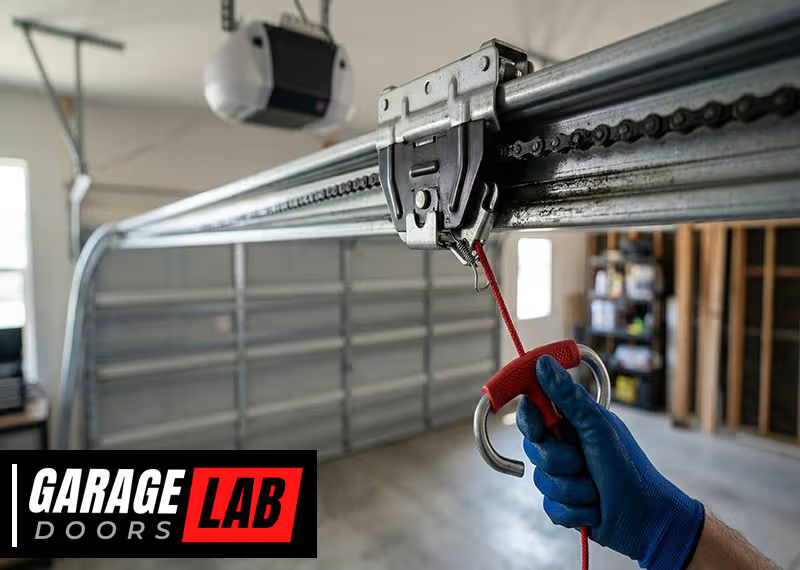
A garage door with an automatic opener uses a trolley mechanism. This trolley connects the opener’s motor to the door itself with a metal arm. When the opener is working, the trolley moves back and forth on a rail, raising or lowering the door. If you pull the red emergency release cord, the trolley disconnects, allowing you to move the door by hand. Reengaging means reconnecting the trolley to the opener carriage so the automatic function works again.
Why Engagement Matters
- You can only open and close the door automatically when the trolley is engaged.
- If left disengaged, anyone can lift the door by hand, which is a security risk.
- The opener may sound like it’s working, but the door won’t move if not reengaged.
Non-obvious insight: Many people think pulling the release cord again will reengage the opener, but it usually only disengages it. The reengagement step is different and often requires moving the door or running the opener motor.
When Do You Need To Reengage?
There are several situations when you’ll need to reengage your garage door:
- After a Power Outage: When the power returns, the opener won’t control the door until it’s reengaged.
- Manual Override: If you opened the door by hand for any reason (maintenance, emergency), you must reconnect it.
- Opener Malfunction: After fixing a stuck or broken opener, reengagement restores automatic use.
- Testing or Maintenance: Sometimes you disengage for safety during repairs, then need to reengage.
If you’re unsure whether your door is engaged, try opening it with the remote. If the motor runs but the door stays still, you likely need to reengage.
Types Of Garage Door Openers And How They Affect Reengagement
Not all garage door openers are the same. The process to reengage depends on your opener’s style.
| Opener Type | Common Brand Examples | Reengagement Method |
|---|---|---|
| Chain Drive | Chamberlain, LiftMaster | Manual or Automatic |
| Belt Drive | Genie, Craftsman | Manual or Automatic |
| Screw Drive | Genie, Overhead Door | Manual only |
| Direct Drive | SOMMER | Manual only |
Chain and belt drive openers often have an automatic reengagement feature: simply running the opener will “catch” the trolley and reconnect. Screw and direct drive openers usually require you to manually push the door until it snaps back in place.
Pro tip: Always check your opener’s manual for model-specific instructions, but the basics are similar for most systems.
Tools And Safety Precautions
You don’t need special tools to reengage most garage doors, but safety is critical. Garage doors are heavy, and the springs are under tension.
What you’ll need:
- A sturdy step stool (if you can’t reach the release cord)
- Work gloves (to protect your hands)
- Flashlight (if the garage is dark)
- Safety glasses (optional but smart)
Safety tips:
- Never stand directly under the door while working.
- Keep children and pets away.
- If the door feels extra heavy or won’t stay open, the spring system may be broken—do not force it; call a pro.
- If you hear grinding or see broken cables, stop and get help.

Step-by-step Guide: How To Reengage Your Garage Door
Let’s get to the practical steps. These instructions fit most residential openers, but always check your manual for details.
1. Make Sure The Area Is Safe
Clear anything in the door’s path. If the door is up, make sure it’s fully open and stable. If it’s down, make sure it’s closed completely.
2. Locate The Emergency Release Cord
Find the red cord hanging from the opener rail, usually in the center above your garage door. This cord is the key to disengagement and reengagement.
3. Check Door Position
Most doors are easiest to reengage when fully closed. If the door is open, lower it carefully by hand. If the door is stuck or too heavy, stop and get professional help.
4. Identify The Trolley Mechanism
Look for the small carriage (trolley) that moves along the opener rail. When disengaged, it will not be connected to the motor carriage.
5. Reengage The Trolley
There are two main ways your system may reconnect:
Method A: Manual Reengagement
- Pull the emergency release cord down and toward the opener (not toward the door) until you hear a click.
- Manually move the door a few inches in the direction of closing. The trolley should “snap” and lock back onto the opener carriage.
- Test by pressing the wall button or remote. The door should move automatically.
Method B: Automatic Reengagement
- With the door closed, pull the emergency release cord down and let go.
- Use the wall button or remote to activate the opener.
- The trolley will slide along the rail until it meets the carriage, and you’ll hear a click as it reconnects.
- The door will now open and close automatically.
Non-obvious insight: Some trolleys must be reset to the “locked” position before automatic reengagement will work. If you keep hearing a clicking sound but the door doesn’t move, check that the trolley lever is not stuck halfway.
6. Test The Door
Try opening and closing the door with the remote and the wall button. If the door moves smoothly, you’re done.
7. Watch And Listen
Observe the first full cycle. Listen for grinding, popping, or uneven movement. If you hear trouble, disengage the opener and call a technician.
Mistake to avoid: Forcing the door if it won’t budge can bend tracks or snap cables. Patience and careful observation are your best tools.
Common Problems And How To Fix Them
Sometimes, reengagement doesn’t work right away. Here are frequent problems and solutions:
| Symptom | Possible Cause | Solution |
|---|---|---|
| Opener runs but door doesn’t move | Trolley not engaged | Repeat reengagement steps |
| Trolley won’t lock into place | Trolley lever stuck or damaged | Lubricate, realign, or replace lever |
| Door feels heavy or uneven | Broken spring or cable | Call professional repair |
| Release cord missing | Cord snapped off | Replace with new cord kit |
| Grinding noise | Gear or chain misaligned | Inspect, lubricate, or call technician |
Helpful tip: If you replace the emergency release cord, use a strong rope and tie a sturdy knot. Weak cords break easily and cause future problems.
Advanced Tips For Smooth Operation
If you want to keep your garage door running smoothly, follow these advanced tips:
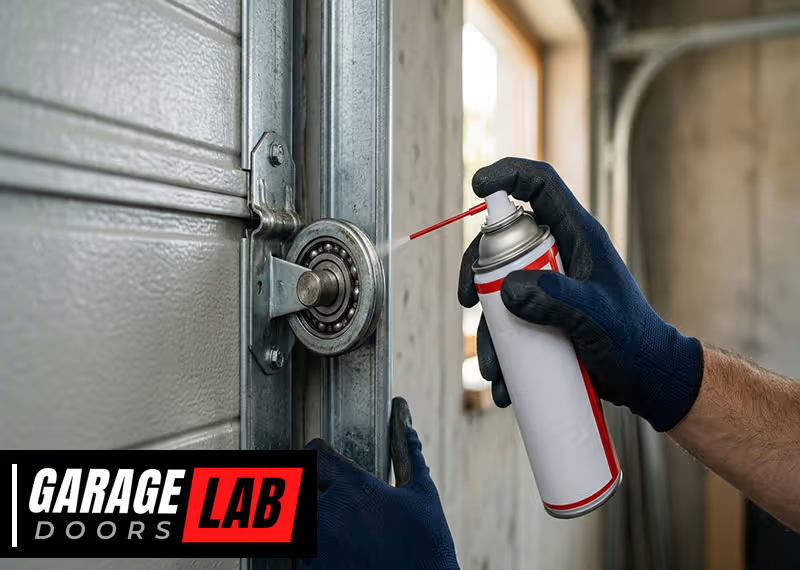
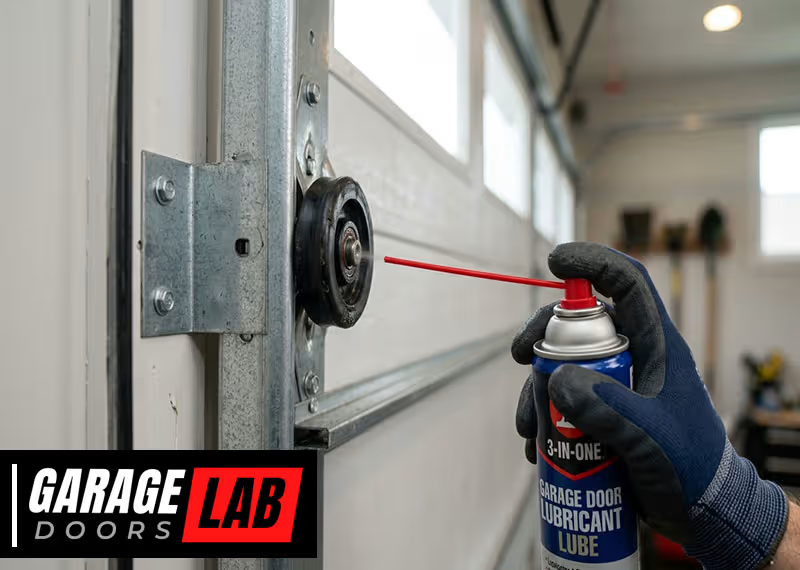
- Lubricate the opener rail and trolley every 6 months with a garage door lubricant.
- Check the door balance by lifting it halfway by hand. If it stays in place, the springs are in good shape. If it falls or shoots up, call a pro.
- Test the auto-reverse safety feature monthly by putting a roll of paper towels under the door. If the door doesn’t reverse after touching the roll, call for service.
- Inspect for loose bolts and worn rollers once a year.
- If your opener is more than 10 years old, consider upgrading. Modern openers are quieter, safer, and reconnect more easily.
How Reengagement Differs By Brand
Each brand may have small differences. Here are a few examples:
- Chamberlain/LiftMaster: Usually automatic reengagement. The motor “catches” the trolley when you hit the remote.
- Genie: Some models need you to push the door until the trolley clicks, others are automatic.
- SOMMER: Manual only—move the door to reconnect.
- Craftsman: Similar to Chamberlain, but older models may require extra force on the release lever.
Pro insight: For doors installed before 1993, safety features may be missing. Consider upgrading for both security and ease of use.

Comparing Manual Vs. Automatic Reengagement
Understanding the difference can help you troubleshoot faster.
| Feature | Manual Reengagement | Automatic Reengagement |
|---|---|---|
| User Action Needed | Yes (move door or cord) | No (just use remote) |
| Common Opener Types | Screw, direct drive | Chain, belt drive |
| Risk of Improper Engagement | Higher if not careful | Lower, but possible if trolley stuck |
| Time Required | 1-2 minutes | 30 seconds or less |
Security Concerns And What You Should Know
A disengaged garage door can be a security risk. Here’s why:
- Anyone can lift the door by hand from outside, especially if you have an attached garage.
- After power is restored, always reengage promptly.
- Some thieves use coat hangers to pull the release cord from outside. Consider using a zip-tie on the cord (easy to break from inside, hard from outside).
Extra tip: If you leave town, unplug the opener or use a smart lock for extra security.
When To Call A Professional
Reengaging is safe and easy for most homeowners, but call a garage door professional if:
- The door feels excessively heavy or won’t move.
- The springs, cables, or tracks look damaged.
- The opener makes loud noises or smells like burning.
- You’re unsure or uncomfortable with any step.
Don’t risk injury—garage door springs can cause serious harm if they snap.
Preventing Future Problems
A little maintenance goes a long way. Here’s how to avoid reengagement headaches:
- Test the emergency release cord every few months so you know how it works.
- Lubricate moving parts to prevent sticking.
- Replace worn rollers and hinges promptly.
- Check for obstructions on the tracks before using the opener.
- Keep the area under the door clear of people and objects.
Real-life Example
Picture this: during a heavy thunderstorm, Sarah’s neighborhood lost power. She pulled the red cord and opened her garage door by hand to drive to work. The next day, power returned, but her remote wouldn’t open the door. She thought the opener was broken and almost called for service.
Instead, Sarah remembered reading about reengagement. She located the trolley, pulled the release cord toward the opener, and gently moved the door until she heard a click. The next time she pressed the remote, the door worked perfectly. She saved time, money, and stress by following the right steps.
Key takeaway: Knowing how to reengage your garage door gives you control and avoids unnecessary repair bills.
Expert Advice For Special Situations
- If you have a smart garage door opener: Some models send alerts if the door is disengaged. Use your app to check status.
- If you have a heavy wooden door: Always have a helper when reengaging. These doors can be much heavier than metal ones.
- If your door is stuck halfway: Don’t try to force it. The opener may be jammed, or the springs may be broken.
Seasonal tip: Cold weather can make metal parts stiff. Warm up the garage if possible before working on the opener.
Faqs About Garage Door Reengagement
Frequently Asked Questions
What Does “reengaging The Garage Door” Mean?
Reengaging your garage door means reconnecting the door to the automatic opener. After you have manually operated the door—usually by pulling the emergency release cord—you need to reengage it so the motor can open and close the door automatically again.
How Do I Know If My Garage Door Is Disengaged?
If your opener runs (you hear the motor), but the door doesn’t move, it’s probably disengaged. You may also see that the trolley is not connected to the opener carriage. Sometimes, the emergency release cord will hang straight down instead of at an angle.
Can I Damage My Garage Door By Reengaging It The Wrong Way?
Yes, forcing the trolley or moving the door when it’s stuck can bend tracks or break parts. Always follow the steps carefully and stop if you feel resistance. If anything looks broken or the door feels too heavy, call a professional for help.
Do All Garage Doors Have The Same Reengagement Process?
Most modern doors are similar, but there are differences by opener type and brand. Chain and belt drives often have automatic reengagement, while screw and direct drives may require manual action. Always check your manual for details.
Where Can I Find More Information About Garage Door Safety?
For in-depth safety guidelines and maintenance tips, visit the Consumer Product Safety Commission.
Taking a few careful steps to reengage your garage door not only restores convenience but also protects your home’s security. With the right knowledge, you’ll avoid common mistakes and keep your garage door system running safely for years to come.