
A garage door is one of the largest moving parts in most homes. It works with the help of springs that balance its heavy weight, making it easy to lift and lower. But what happens when your garage door spring needs adjusting or replacement? One of the most important questions is: how many turns should you put on a garage door spring? Too few turns and the door won’t open easily. Too many, and you risk damaging the door or even causing serious injury.
This guide will explain everything you need to know in clear, easy-to-understand English. You’ll learn how garage door springs work, how to count turns, the risks of doing it wrong, and how to get it right. Whether you’re a homeowner, a DIY enthusiast, or just curious, this article will give you the confidence and knowledge to handle garage door springs safely and effectively.
Understanding Garage Door Springs
Before you can adjust the springs, it’s important to know what they are and why they matter. There are two main types of springs used in garage doors:
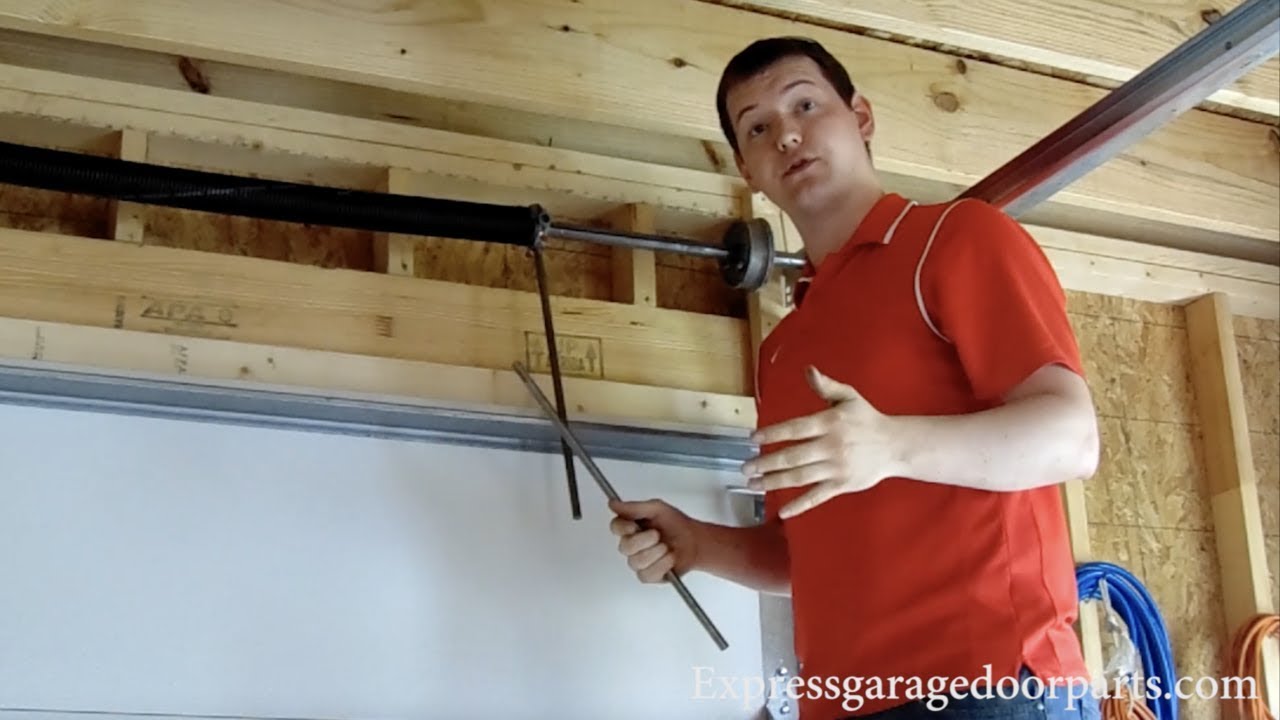
- Torsion springs – These are mounted above the garage door opening. They twist to store energy as the door moves.
- Extension springs – These run along the sides of the door. They stretch and contract as the door opens and closes.
Most modern garage doors use torsion springs because they are safer and last longer. This article focuses mainly on torsion springs, since the number of turns you add is critical for these types.
How Torsion Springs Work
Torsion springs store energy when you wind them by turning. When you open the garage door, the spring unwinds, helping lift the door’s weight. When you close it, the spring winds back up. The right amount of tension is necessary: too tight, and the door will fly up; too loose, and it will slam down.
Why Turns Matter
Each turn on a torsion spring adds more energy. The wrong number of turns can cause:
- A heavy door that’s hard to lift
- A door that doesn’t stay up or drops suddenly
- Excess wear on the opener and door parts
- Serious injury if the spring snaps or releases suddenly
That’s why it’s important to understand exactly how many turns to put on a garage door spring.
Calculating The Correct Number Of Turns
Getting the right number of turns is not guesswork. It depends on the height of your garage door. Most standard residential garage doors are 7 or 8 feet tall.
The Basic Formula
The standard formula used by professionals is:
Number of Turns = Door Height (in feet) ÷ 2
So for a 7-foot tall door:
- 7 ÷ 2 = 3.5 turns
For an 8-foot tall door:
- 8 ÷ 2 = 4 turns
This formula gives you a good starting point, but there are a few more things to consider, which we’ll cover next.
Detailed Turns Chart
Here’s a simple table showing the usual number of turns for common door heights:
| Door Height | Number of Turns | Notes |
|---|---|---|
| 6 feet | 3 turns | Rare, usually custom doors |
| 7 feet | 3.5 turns | Most common |
| 8 feet | 4 turns | Also common |
| 9 feet | 4.5 turns | Oversized residential doors |
| 10 feet | 5 turns | Rare, commercial |
Important: These are starting points. Always check your manufacturer’s instructions if available.
Why The Number Of Turns Is Critical
Garage doors use cables that wrap around drums at the ends of the shaft. For every full turn you put on the spring, the cable pulls the door up about 1 foot. If you have a 7-foot door, you need about 3.
5 turns for the cable to wrap enough to lift the door fully.
If you add extra turns, the spring is overloaded, which can make the door open too quickly or damage the system. Too few turns, and the door will feel heavy and may not open all the way.
Step-by-step Guide To Adjusting Garage Door Springs
Adjusting or winding garage door springs is dangerous. If you are not comfortable or don’t have the right tools, it’s best to call a professional. If you decide to do it yourself, follow these steps carefully.
Tools You Will Need
- Two winding bars (never use screwdrivers!)
- A wrench or socket set
- Safety glasses and gloves
- A sturdy ladder
- Clamps or locking pliers to keep the door from moving
Safety First
Garage door springs are under a lot of tension. They can cause serious injury if they break or slip. Always:
- Disconnect the door opener.
- Unplug any electricity to the opener.
- Make sure the door is fully closed.
- Work with a partner if possible.
Winding The Springs: Step-by-step
- Secure the door: Clamp the track just above one roller to keep the door from moving.
- Mark the shaft: Use a marker to draw a line across the torsion shaft and spring. This helps you count turns accurately.
- Loosen the set screws: Carefully loosen the set screws on the spring with a wrench, keeping firm pressure on the winding bar.
- Insert winding bars: Put one winding bar into the winding cone and slowly turn upward.
- Wind the spring: For a 7-foot door, add 3.5 full turns. Each turn is 360 degrees, or four quarter-turns. Count carefully.
- Tighten the set screws: With the winding bar still in place, tighten the set screws securely.
- Remove tools and test: Remove the clamps, stand clear, and test the door by hand. It should move smoothly and stay halfway open.
How To Count Turns Accurately
Marking the torsion shaft before you start winding makes counting turns much easier. Each time the mark completes a full revolution, that’s one turn. Don’t rely on “feeling” the tension—count turns visually.
Pro tip: If you’re not sure you’ve wound the spring the right number of times, always stop and double-check. It’s better to unwind and start over than risk injury or damage.
Common Mistakes When Winding Garage Door Springs
Even careful DIYers make mistakes. Here are the most common ones:
- Using the wrong tools: Never use screwdrivers instead of winding bars. Screwdrivers can slip and cause injury.
- Over-tightening the spring: More turns do not mean better performance. Overwinding can make the door hard to control and can break the spring.
- Not securing the door: If the door is not clamped in place, it can move suddenly and cause an accident.
- Losing track of turns: Always use a marker and count carefully.
- Ignoring safety gear: Gloves and glasses protect you from sharp edges and sudden movements.
Real-world Example
A homeowner once thought his garage door was too heavy and added an extra turn to the spring. The door shot up rapidly and slammed against the opener, causing $400 in damage. This shows why following the correct number of turns is so important.
When To Adjust Your Garage Door Spring
You should adjust or replace garage door springs only when:
- The door feels very heavy or won’t stay open
- The door slams shut or won’t open fully
- The cables are loose or off the drums
- You hear a loud “bang” from the spring area
Never adjust springs just for “routine maintenance. ” Only change the tension if you notice a real problem.
Factors That Affect The Number Of Turns
While the door height is the main factor, a few other things can affect the number of turns:
Drum Size
Garage doors use different sizes of drums (the round parts the cables wrap around). Most residential doors use 4-inch drums. If you have a non-standard drum, the number of turns might be slightly different.
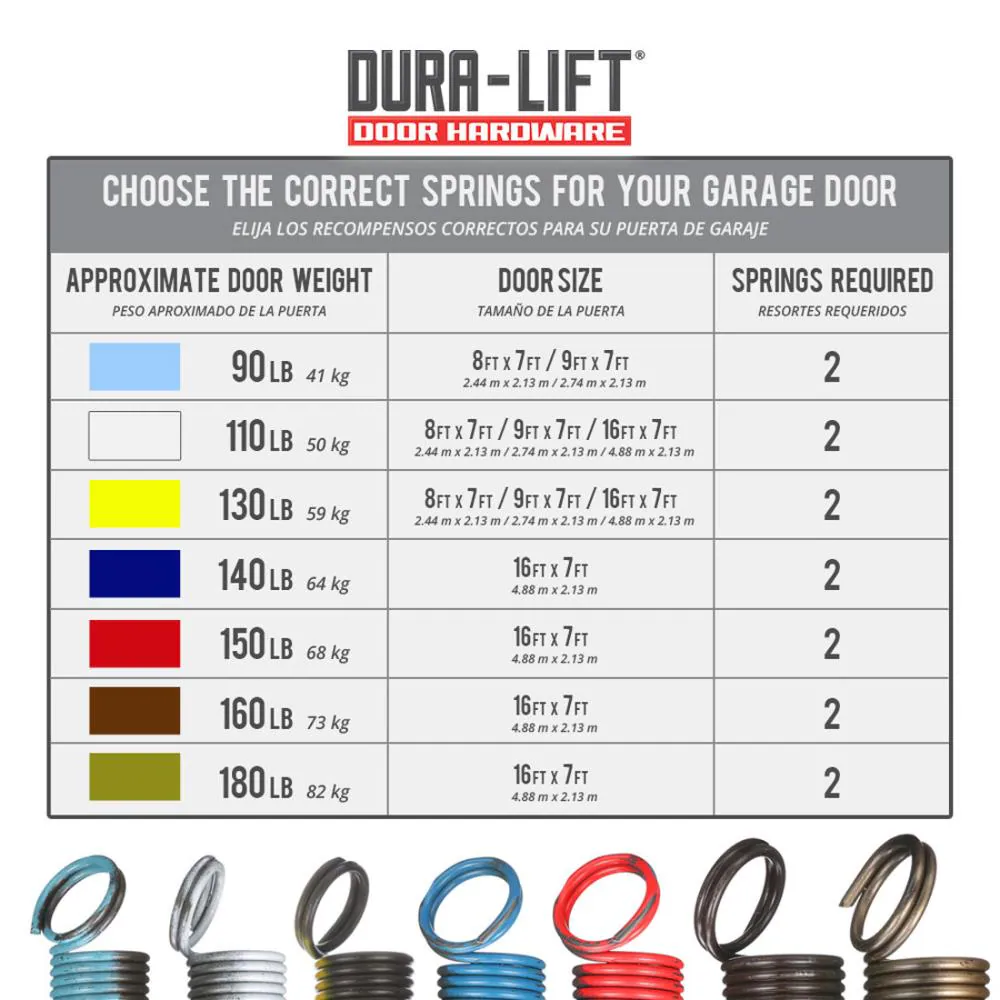
Spring Size And Strength
Not all springs are the same. Thicker or longer springs might need slightly fewer turns to provide the same tension. Always match the spring size to the manufacturer’s recommendations.
Door Weight And Material
Steel doors are lighter than solid wood doors. Heavier doors may require stronger springs, not more turns. Don’t try to “fix” a heavy door by adding extra turns—get the right spring instead.
Weather And Temperature
Cold weather can make springs less flexible, which might affect the door’s balance. However, you should not add or remove turns just for temperature changes. If your door acts differently in winter, check for other issues.
Age Of The Spring
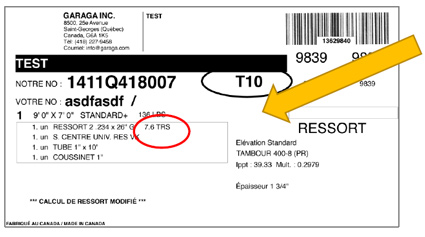
Old springs can lose strength over time. If you notice that you need to add more turns just to keep the door balanced, the spring may be worn out and need replacement.
Signs Your Garage Door Spring Needs Adjustment
Watch for these signs that your garage door spring may not have the correct tension:
- The door is hard to lift or lower by hand
- The door closes too fast or won’t stay open
- The opener strains or makes unusual noises
- The cables are loose, frayed, or off the drum
- The door is crooked or uneven
If you notice any of these, check the number of turns on your springs. If you’re unsure, it’s best to call a professional.
The Risks Of Getting It Wrong
Garage door springs are powerful. Doing it wrong can cause:
- Injury: A spring can snap and cause cuts, bruises, or worse.
- Property damage: An over-wound door can damage the opener, tracks, or panels.
- Costly repairs: Fixing a broken spring or damaged door is much more expensive than doing it right the first time.
Non-obvious insight: Many people don’t realize that the wrong number of turns can also cause hidden damage over time, such as warping the door or stretching cables unevenly.
Professional Vs. Diy: Which Is Right For You?
Adjusting garage door springs is not for everyone. Consider these points:
Diy
You might want to try it yourself if you:
- Have the right tools and safety gear
- Are comfortable with basic mechanical work
- Can follow instructions closely
Professional
Call a professional if you:
- Don’t have the correct winding bars
- Feel unsure or nervous
- Have a double spring system or non-standard door
Professionals have the experience, tools, and insurance to handle the job safely. They can also spot other problems, such as worn cables or misaligned tracks.
Non-obvious insight: Some warranties become void if you adjust the springs yourself. Always check your door’s warranty before making changes.
How To Tell If The Springs Are Balanced
After winding the springs, you need to check the balance:
- Lift the door by hand: It should move smoothly and stay in place when you let go halfway.
- Door doesn’t rise or fall: If the door moves up or down by itself, the springs are not correctly balanced.
- Test with opener disconnected: Always test the balance with the opener disconnected, so you’re only using the spring’s force.
If the door fails the balance test, adjust by a quarter-turn at a time. Small changes can make a big difference.
Advanced Tips For Correct Winding
Here are some tips that even experienced DIYers sometimes miss:
- Check both sides: If you have two springs, adjust both evenly. Uneven springs can cause the door to twist and wear out parts faster.
- Quarter-turn adjustments: After the main number of turns, fine-tune the tension with quarter-turns.
- Lubricate after adjustment: Use a light garage door lubricant on the springs to reduce noise and extend life.
- Recheck after a few days: Springs can settle after the first few uses. Double-check the balance and adjust if necessary.
Frequently Asked Questions
How Do I Know If My Garage Door Spring Is Wound Too Tight?
If the door flies up quickly when opened or does not stay closed, the springs are likely too tight. Loosen the spring by a quarter-turn at a time and retest the balance.
Can I Use Screwdrivers Instead Of Winding Bars?
No. Screwdrivers are not strong enough and can slip out of the winding cone, causing injury. Always use proper winding bars designed for the job.
What If My Garage Door Is Not A Standard Size?
If your door is taller or shorter than usual, use the formula (door height in feet divided by two) to calculate the number of turns. For custom doors, consult the manufacturer or a professional.
How Often Should I Check My Garage Door Springs?
Check the balance and tension at least once a year, or anytime you notice the door acting differently. Regular inspection helps catch problems early.
Where Can I Find More Information About Garage Door Safety?
You can visit the official OSHA Garage Door Safety page for more guidelines and safety tips.
Comparing Torsion And Extension Spring Winding
Here’s a side-by-side look at how the winding process differs between the two main types of garage door springs:
| Feature | Torsion Springs | Extension Springs |
|---|---|---|
| Location | Above door opening | Alongside horizontal tracks |
| Adjustment method | Turn winding cones | Stretch and move hooks |
| Number of turns | Based on door height (turns) | Not wound, but stretched |
| Safety | Safer, less likely to fly loose | Can be dangerous if cable breaks |
| Common in | Modern doors | Older doors |
Quick Reference: Garage Door Turn Estimator
For quick reference, here’s a summary you can use when adjusting springs:
| Door Height (ft) | Number of Turns | Quarter Turns |
|---|---|---|
| 6 | 3 | 12 |
| 7 | 3.5 | 14 |
| 8 | 4 | 16 |
| 9 | 4.5 | 18 |
| 10 | 5 | 20 |
Final Thoughts
Knowing how many turns to put on a garage door spring is essential for safety and smooth operation. It’s not just about counting turns; it’s about understanding your door, using the right tools, and following safe methods. For most standard residential doors, use the formula: door height in feet divided by two. Always double-check your work, test the balance, and don’t hesitate to call a pro if you have doubts.
Taking time to do it right protects your family and your home. When in doubt, get expert help. Your garage door is heavy and powerful—treat it with respect, and it will serve you well for years to come.