
A garage door often works quietly in the background, opening and closing hundreds of times each year. Most homeowners barely think about what makes this movement possible. The real workhorse is the garage door spring. This part does the heavy lifting, balancing the door’s weight so you can open it with ease. But, like all mechanical parts, garage door springs don’t last forever. If you’re wondering how long a garage door spring should last, or how to make yours last longer, you’re not alone.
Understanding the lifespan of garage door springs is more than curiosity—it’s about safety, cost, and convenience. Replacing a broken spring can be a sudden, expensive hassle. Worse, a snapped spring can be dangerous. Many people don’t realize that small habits or the type of spring you choose can make a big difference.
In this guide, you’ll learn what affects spring life, how to spot problems early, and how to get the most out of your investment. By the end, you’ll know exactly what to expect, what to watch for, and how to plan ahead.
What Is A Garage Door Spring And Why Does It Matter?
A garage door spring is a tightly wound coil of metal that stores energy. Its main job is to counterbalance the weight of the garage door. When the door opens, the spring unwinds and helps lift the door. When the door closes, the spring winds up, storing energy for the next cycle.
There are two main types:
- Torsion springs: These sit above the door opening, mounted on a metal shaft. They twist to store energy.
- Extension springs: These run along the sides of the door and stretch to support movement.
A spring’s condition affects:
- Safety: A weak or broken spring can make the door slam shut, causing injury or damage.
- Convenience: If the spring fails, your door may become stuck or extremely heavy.
- Garage door opener life: A worn spring makes the electric opener work harder, wearing it out faster.
The spring is not just a simple part—it’s critical to the entire system.
Typical Lifespan Of Garage Door Springs
How long should a garage door spring last? The answer depends on several factors, but let’s look at averages first.
Torsion Springs
Most torsion springs are rated for about 10,000 cycles. One cycle is a full opening and closing. For a typical household:
- If you open and close the door 4 times daily, that’s 1,460 cycles a year.
- 10,000 cycles ÷ 1,460 = about 6.8 years.
Some higher-grade springs are rated for 20,000 or even 30,000 cycles. Here’s a quick comparison:
| Spring Type | Cycle Rating | Average Lifespan (uses/day: 4) |
|---|---|---|
| Standard Torsion | 10,000 | 6-7 years |
| High-Cycle Torsion | 20,000 | 12-14 years |
| Ultra High-Cycle Torsion | 30,000 | 20+ years |
Extension Springs
Extension springs also average 10,000 cycles, though they are less durable in practice. Because they stretch and contract with each use, they tend to wear out a bit faster.
Real-world Examples
- A two-car family using the door 8 times daily may only get 3-4 years out of standard springs.
- A single person using the garage twice daily might see springs last 12 years or more.
The lifespan isn’t a fixed number. It’s a range, shaped by how you use your door.
Key Factors That Affect Spring Lifespan
Several factors can shorten or extend the life of your garage door spring. Some are obvious, but others catch homeowners by surprise.
1. Frequency Of Use
Every opening and closing counts as a cycle. The more you use the door, the faster the spring wears out.
- High-use homes (large families, frequent in-and-out, attached garages) see shorter spring life.
- Low-use garages (storage, detached, used only for cars) stretch spring life further.
2. Spring Quality And Material
Not all springs are equal. Some are made of galvanized steel, which resists rust but can wear out sooner than oil-tempered springs.
- Oil-tempered springs last longer, handle stress better, and are standard for most professionals.
- Cheap, off-brand springs often fail early—sometimes within 2-3 years.
3. Climate And Environment
Springs hate moisture and extreme temperatures.
- Rust weakens springs quickly. If your garage is humid or damp, expect a shorter lifespan.
- Cold weather can make metal brittle, increasing the risk of breakage.
- Salt air (near the ocean) is especially hard on springs.
4. Door Weight And Balance
Springs are sized for specific door weights. If the spring is too small or too large, it will wear out faster.
- Heavy wooden doors or doors with added insulation require stronger springs.
- Poorly balanced doors put extra stress on the spring and opener.
5. Maintenance Habits
A little care goes a long way.
- Regular lubrication (every 6 months) reduces friction and prevents rust.
- Annual safety checks spot early signs of wear.
Neglect is the fastest way to kill a spring before its time.
6. Installation Quality
If the spring isn’t installed correctly, it can fail early—even if it’s brand new.
- DIY installations often miss proper alignment or tension.
- Professional installation ensures even tension and correct sizing.
Signs Your Garage Door Spring Is Wearing Out
Garage door springs rarely fail without warning. If you know what to watch for, you can avoid surprise breakdowns.
Common Warning Signs
- Door feels heavy: If you suddenly need more strength to open the door, the spring is losing tension.
- Door moves unevenly: Jerky or crooked movement is a classic sign of a failing spring.
- Loud noise: A loud bang from the garage is often a spring snapping.
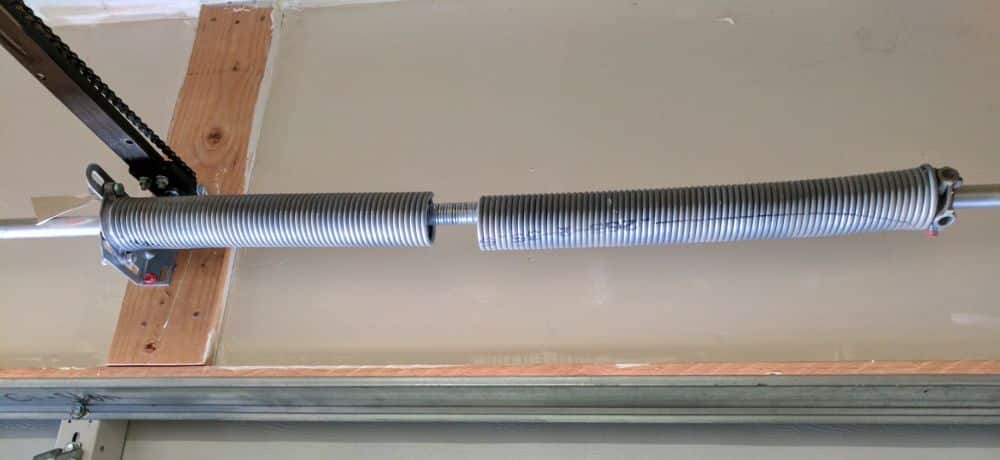
- Gaps in the coil: For torsion springs, a visible gap means the spring is broken.
- Door won’t stay open: If the door closes on its own, the spring isn’t balancing the weight.
Less Obvious Signals
- Opener strains or stalls: If the automatic opener seems to struggle, the spring may be close to failure.
- Squeaking or grinding sounds: This often means the spring needs lubrication, but can also be an early warning of wear.
Catching these signs early can save you from a sudden, dangerous failure.

How To Check And Test Your Garage Door Spring
You don’t need to be a technician to check spring health. Here are safe, simple steps:
- Disconnect the opener: Pull the emergency release cord so the door is in manual mode.
- Lift the door halfway: The door should stay in place. If it falls or rises, the spring balance is off.
- Look for gaps or stretching: Check the spring for visible gaps, rust, or fraying.
- Listen as you move the door: Any new sounds (scraping, grinding) may signal trouble.
If you notice anything unusual, call a professional. Springs are under high tension and can be dangerous.
How To Extend The Life Of Your Garage Door Spring
A few smart habits can add years to your spring’s life.
Lubrication
Use a garage door lubricant (not WD-40) on the spring every 6 months. This reduces friction and prevents rust.
Regular Inspections
Test the door’s balance and listen for odd noises monthly. Early detection makes a big difference.
Keep The Door Balanced
If the door is off-balance, fix it promptly. An unbalanced door forces the spring to work overtime.
Climate Control
If possible, keep the garage dry and avoid big temperature swings.
- Use a dehumidifier if your garage is damp.
- Insulate the garage to protect from extreme cold.
Use The Door Wisely
Open and close the door only when needed. Avoid using the garage door as a front door if possible.
Upgrade To High-cycle Springs
If your family uses the garage heavily, ask for 20,000-cycle or 30,000-cycle springs at your next replacement.
The Cost Of Replacing Garage Door Springs
Spring replacement costs depend on several factors:
- Type of spring (torsion or extension)
- Labor rates in your area
- Quality or cycle rating of the spring
Here’s a typical cost breakdown:
| Spring Type | Parts Only | Professional Installation |
|---|---|---|
| Standard Torsion (10,000 cycles) | $40-$100 | $150-$350 |
| High-Cycle Torsion (20,000 cycles) | $70-$150 | $200-$400 |
| Extension | $20-$60 | $100-$200 |
Pro tip: Always replace both springs if your door uses two—even if only one is broken. If one is worn out, the other isn’t far behind.
Professional Vs Diy Spring Replacement
Replacing a garage door spring is not an easy DIY project. Here’s why:
Safety Risks
Springs are under extreme tension. One slip can cause serious injury.
Tools And Experience
Professionals have the right tools and know how to set correct tension. DIY mistakes can lead to:
- Crooked doors
- Early spring failure
- Opener damage
Warranty And Peace Of Mind
Professional work usually comes with a warranty. If something goes wrong, you’re covered.
For most people, hiring a pro is the safe, cost-effective choice.
Myths And Misconceptions About Garage Door Spring Life
Many homeowners have heard myths about garage door springs. Here’s what you need to know:
- Myth: All springs last the same. Reality: Spring quality, cycles, and installation matter a lot.
- Myth: If one spring breaks, the other is fine. Reality: Always replace both.
- Myth: Lubrication isn’t important. Reality: Skipping it shortens spring life.
- Myth: It’s safe to DIY. Reality: Spring repair is one of the most dangerous garage jobs.
Knowing the facts can save you money and keep you safe.
Real-world Case Studies
Case 1: High-use Home
A family of five uses the garage door 10 times per day. Standard springs (10,000 cycles) lasted just under 3 years. Upgrading to 20,000-cycle springs doubled the life and reduced repair calls.
Case 2: Climate Impact
A home near the ocean saw springs rust out every 2 years. Switching to oil-tempered, powder-coated springs and regular lubrication extended life to 5 years.
Case 3: Lack Of Maintenance
An older couple rarely used their garage, but never lubricated the springs. Rust caused failure in just 4 years, even with low use.
Insight: Both frequency and maintenance matter equally.
How To Choose The Right Garage Door Spring
When replacing springs, choose wisely for long-term peace of mind.
Match The Door Weight
Springs come in different sizes and strengths. The wrong spring causes early failure or unsafe operation. Your installer should weigh the door for exact sizing.
Choose A Higher Cycle Rating
If your door is a main entry, invest in 20,000-cycle or higher springs. The cost difference is small compared to extra years of service.
Consider Your Climate
If your garage is humid, ask for oil-tempered or powder-coated springs. These resist rust better.
Select A Reputable Brand
Cheap, off-brand springs often fail early. Ask for springs from trusted suppliers.
What Happens When A Spring Breaks?
A broken garage door spring is hard to miss. Here’s what usually happens:
- Door slams shut: The opener can’t hold the weight.
- Loud bang: The coil snaps with force.
- Door won’t open: It feels stuck or extremely heavy.
Do not try to open the door with the opener. This can burn out the motor or break other parts.
Tip: If you must open the door, disconnect the opener and lift carefully with two adults. Call a pro for repair.
Common Mistakes Homeowners Make
Many spring failures are preventable. Here are mistakes to avoid:
- Ignoring early warning signs: Small problems get expensive fast.
- Using the garage door as a main entrance: Each cycle adds up.
- Skipping lubrication: A $5 can of lube can save $200 or more in repairs.
- DIY spring replacement: Safety risks outweigh any savings.
- Not replacing both springs: Don’t wait for the second one to fail.
- Choosing the cheapest spring: Short-term savings, long-term headaches.
- Letting a door go unbalanced: This destroys springs and openers.
Fixing these habits can double your spring’s lifespan.
Comparison: Torsion Vs Extension Springs
Wondering which spring is better for your garage? Here’s a side-by-side look:
| Feature | Torsion Spring | Extension Spring |
|---|---|---|
| Location | Above door opening | Alongside door tracks |
| Typical Lifespan | 6-10 years (10,000 cycles) | 4-8 years (10,000 cycles) |
| Durability | High | Lower |
| Safety | Safer if broken | Can fly loose if broken |
| Cost | Higher | Lower |
| Balance Adjustment | Precise | Less precise |
Insight: Torsion springs cost more but last longer and are safer.
When To Replace Your Garage Door Spring
Don’t wait for a total break. Replace springs when:
- The door feels much heavier than normal
- There’s a visible gap in a torsion spring
- The door moves unevenly or jerks
- You hear new, loud noises
- The spring is more than 8-10 years old, even if it seems fine
Being proactive can prevent bigger repairs and keep your family safe.
Frequently Asked Questions
How Do I Know Which Type Of Spring My Garage Door Uses?
Look above the door opening. If you see a single coil mounted on a shaft, it’s a torsion spring. If you see long, thin springs running along the tracks, those are extension springs. Your garage door manual may also list the type.
Can I Replace A Garage Door Spring Myself?
While it’s possible, it’s very dangerous. Springs are under high tension and can cause serious injury if not handled correctly. For most people, it’s best to hire a professional.
Is It Normal For Both Springs To Break At The Same Time?
No, but if one breaks, the other is usually close to failing. That’s why most experts recommend replacing both at the same time to avoid a second breakdown soon after.
What Happens If I Keep Using My Garage Door With A Weak Spring?
You’ll put extra strain on your opener, which can lead to motor burnout or chain damage. The door might also slam shut unexpectedly, creating a safety hazard.
Where Can I Find More Technical Details About Spring Cycles And Door Mechanics?
For deeper information, visit the Wikipedia garage door opener page. It offers technical details and diagrams for both spring types.
A garage door spring is small but powerful—and its life depends on more than just years on the job. By understanding what affects spring life, watching for warning signs, and choosing quality parts, you can avoid costly surprises. With smart care and timely replacements, your garage door will work smoothly and safely for years to come.