Now Reading: How Do You Reprogram a Garage Door Keypad Overhead Door Fast
- 01
How Do You Reprogram a Garage Door Keypad Overhead Door Fast

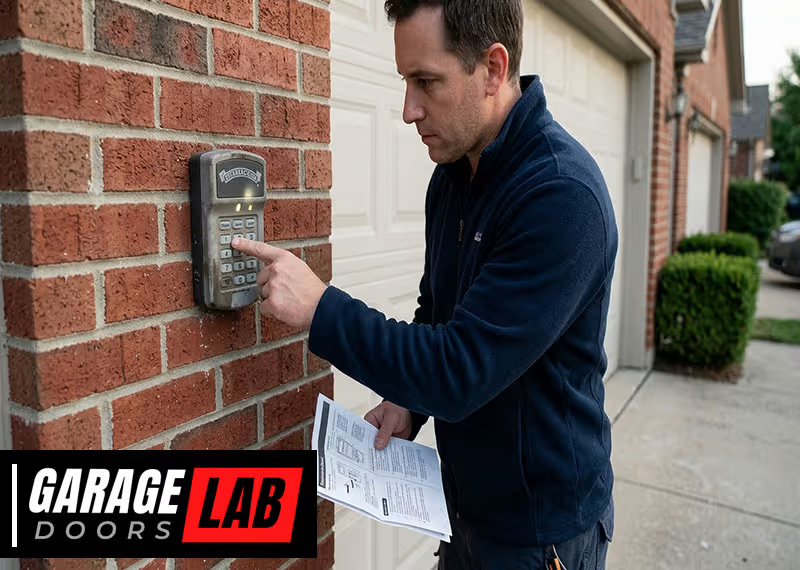
If your garage door keypad isn’t working, or you just bought a new home with an existing Overhead Door opener, you might wonder how to reprogram the keypad. Many people think they need a professional, but with the right steps, you can do it yourself and save money. Reprogramming your garage door keypad is not just about convenience—it’s about security. If someone else has your old code, you risk unwanted entry. Whether you’ve lost your old code, replaced the battery, or want to add a new user, learning how to reprogram an Overhead Door keypad is a key skill for any homeowner.
This guide will walk you through the complete process of reprogramming your Overhead Door garage keypad, even if you have no technical background. You’ll learn about keypad types, how to prepare for programming, troubleshooting, and what to do if things go wrong. Along the way, you’ll find helpful examples, comparison tables, and clear answers to common questions. By the end, you’ll be confident in your ability to manage your garage security and avoid common mistakes that frustrate beginners.
Understanding Overhead Door Keypads
Before you start, it’s good to know what kind of garage door keypad you have. Overhead Door is a popular brand, but they make several models and generations of keypads. The process for reprogramming is similar, but some details may change based on the model.
Most Overhead Door keypads are wireless and battery-powered. They use a radio signal to communicate with your garage door opener. Some newer models also have features like temporary codes or backlit keys.
Types Of Overhead Door Keypads
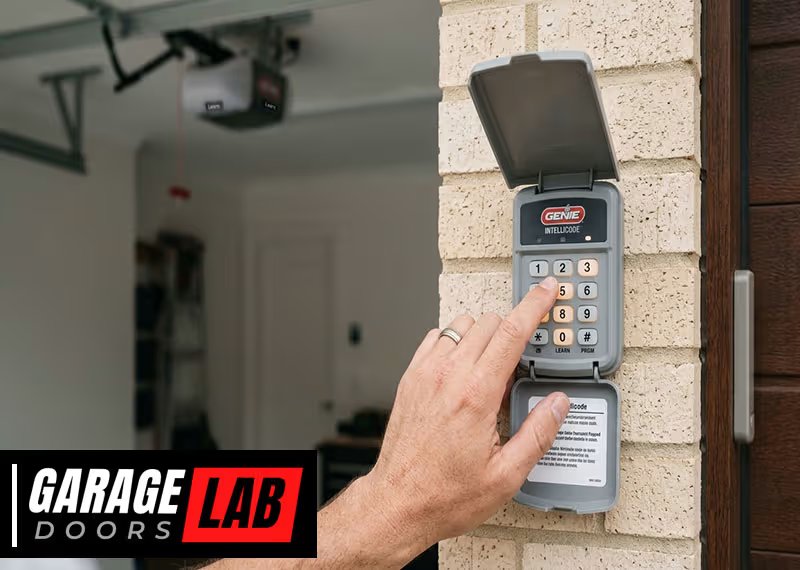
- Standard Wireless Keypads: These are the most common. They have a numeric pad (0-9) and a “PROGRAM” or “ENTER” button.
- Advanced Digital Keypads: These may have extra features like temporary PINs, rolling code technology, or a “Learn” button.
- Keypad-Remote Combos: Some units combine a keypad with a built-in remote control.
Example Model Names
- OKP-BX: A common wireless model.
- OKP-BX-R: Same as above but with rolling code technology.
- Universal Wireless Keypad: Works with many brands, including Overhead Door.
Tip: Check the back or inside of your keypad for a model number. If you can’t find it, look at your garage door opener motor unit for a sticker with the model information.
Why Reprogram Your Garage Door Keypad?
Many people only think about reprogramming when they move into a new home or after losing their remote. But there are several reasons to update your keypad code:
- Security: Change the code if you think someone else knows it.
- Lost or Forgotten Code: Resetting restores access.
- New Keypad Installation: Every new keypad must be programmed to your opener.
- Malfunctioning Keypad: A fresh code can resolve glitches.
- Add or Remove Users: Let family or friends in, or remove old codes.
If your keypad is acting strangely—responding slowly, opening the door randomly, or not working after a power outage—reprogramming often solves the problem.

What You Need Before You Start
You don’t need special tools, but a few things will make the process easier:
- Ladder: Most garage door openers are installed overhead.
- User Manual: If you have it, keep it handy for reference.
- New Batteries: Weak batteries can cause programming to fail.
- Flashlight: For dark garages or reading small labels.
- Pen and Paper: To note down your new code.
Pro Insight: Many people forget to check the batteries first. Weak or dead batteries are a common cause of keypad programming failure.
Key Terms Explained
Here are a few terms you’ll see in this guide:
- Learn Button: A button on the opener’s motor unit used for pairing devices.
- PIN (Personal Identification Number): The 4-digit code you type into the keypad.
- Rolling Code: A security feature that changes the signal every time you use the keypad.
- Motor Unit: The box attached to your garage ceiling that opens/closes the door.
Step-by-step: How To Reprogram An Overhead Door Keypad
Let’s dive into the actual process. The steps are similar across most Overhead Door keypads, but some small differences exist depending on your model and opener type.
1. Locate The Learn Button
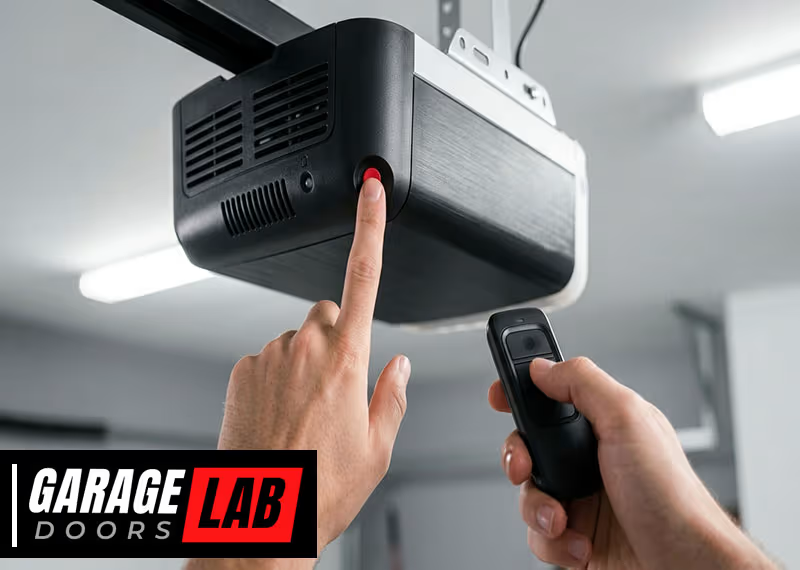
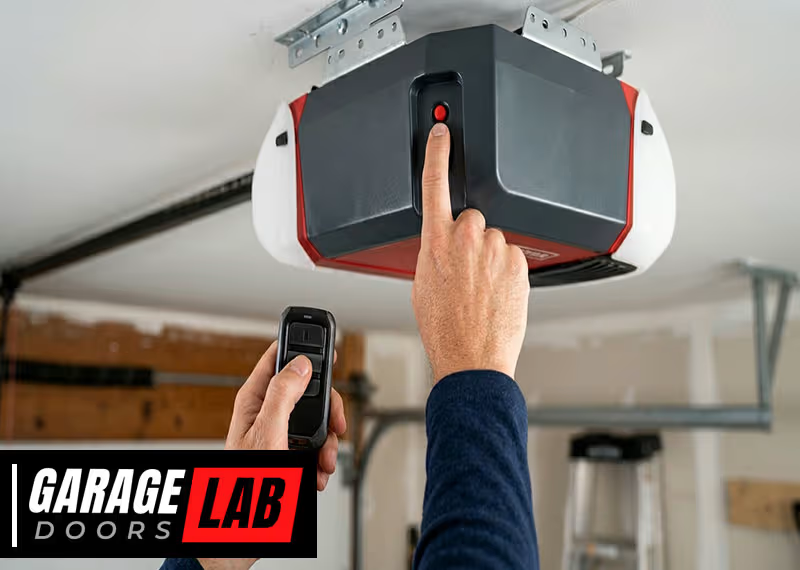
Find the Learn button on your garage door opener’s motor unit. It’s usually on the back or side, under a light cover, or near the wire terminals.
- Color: The button can be red, orange, yellow, or purple, depending on the model.
- Label: Sometimes it says “LEARN,” other times it’s just a colored button.
Tip: Unplug your garage door opener before touching wires or if you feel uncomfortable working near the motor.
2. Clear Old Keypad Codes (if Needed)
Some openers require you to clear old codes before adding a new one. Here’s how:
- Press and hold the Learn button for about 6-10 seconds.
- The LED light next to the button will turn off, indicating old codes are erased.
- Release the button.
You usually do not need to clear codes to add a new one, but if you want to remove old users, do this step first.
3. Prepare The Keypad
- Open the keypad cover.
- Make sure the battery is fresh.
- Wipe the buttons if they’re sticky.
4. Enter Programming Mode
Different keypads have slightly different methods. Here’s the common process:
- Press and hold the PROGRAM or ENTER button on the keypad until the indicator light turns on or blinks.
- Release the button.
Some keypads require you to enter a factory-set code or press additional keys to enter programming mode. Check your manual if you have an unusual model.
5. Pair The Keypad With The Opener
Once the keypad is in programming mode:
- Press the Learn button on the opener’s motor unit (you usually have 30 seconds to complete the next steps).
- Return to the keypad and enter your desired 4-digit PIN.
- Press the “ENTER” or “SEND” button on the keypad.
- Wait for the motor unit’s light to blink or hear a click—this confirms successful programming.
Some models require you to repeat the PIN entry, or press “ENTER” twice. If you have a rolling code unit, follow the extra steps in your manual.
Pro Insight: If you take too long between pressing the Learn button and entering the code, the opener will exit programming mode. If this happens, just start over.
6. Test The Keypad
- Enter your new PIN and press “ENTER” or “SEND”.
- The door should open or close.
- If nothing happens, repeat the process, checking each step.
7. Add Temporary Or One-time Codes (optional)
Many Overhead Door keypads let you add a temporary code for guests or delivery drivers.
- Enter your primary PIN and press “PROGRAM” or “ENTER”.
- Enter the temporary PIN.
- Press “ENTER” or follow your manual’s specific instructions.
Temporary codes usually expire after a set time or number of uses.
8. Finish Up
- Close the keypad cover.
- Secure the ladder and clean up tools.
- Explain the new code to anyone who needs access.
Example: Reprogramming A Standard Overhead Door Keypad
Let’s see a real-world example for a model like OKP-BX:
- Climb a ladder and locate the red “Learn” button on the opener.
- Press and release the “Learn” button (the LED lights up).
- Within 30 seconds, at the keypad, enter your chosen 4-digit PIN.
- Press and hold the “ENTER” button until the opener light blinks.
- Test the keypad.
If it doesn’t work, double-check your steps, batteries, and PIN.
Common Problems And Troubleshooting
Even with careful steps, things can go wrong. Here’s how to fix the most common issues.
Keypad Doesn’t Light Up
- Check the battery. Replace if needed.
- Clean any corrosion from the battery contacts.
Door Doesn’t Respond To Keypad
- Make sure you’re within range (usually 20-30 feet).
- Re-check the programming steps.
- Clear old codes and start over.
Opener’s Light Doesn’t Blink
- You may have missed the 30-second window.
- Your keypad may not be compatible with your opener. Check model numbers.
Keypad Works Intermittently
- Weak batteries are the most common cause.
- Try moving the keypad closer to the opener if possible.
- Interference from metal garage doors or nearby electronics can block the signal.
Pin Not Accepted
- Some models limit PINs to 4 digits.
- Avoid PINs with repeating numbers (e.g., 1111) for better security.
- Double-check you’re using the correct “ENTER” or “SEND” button.
Non-Obvious Insight: Many people don’t realize that direct sunlight or rain can damage exterior keypads, causing inconsistent operation. Protect your keypad with a weather cover.
Comparison: Overhead Door Keypad Models
Here is a comparison of three common Overhead Door keypad types, highlighting their key features.
| Model | Programming Method | Security Level | Supports Temporary Codes | Typical Battery |
|---|---|---|---|---|
| OKP-BX | Learn Button + PIN | Basic | No | 9V |
| OKP-BX-R | Learn Button + PIN | Rolling Code | Yes | 9V |
| Universal Wireless Keypad | Multi-Brand Programming | Advanced | Yes | AAA |
Pro Tip: Rolling code models are more secure because the code changes every time you use the keypad, making it harder for thieves to intercept.

Key Differences: Overhead Door Vs. Other Brands
If you’ve used a LiftMaster or Chamberlain keypad before, you’ll notice Overhead Door has some unique quirks:
| Brand | Programming Steps | Typical Button Names | Temporary Codes | Common Issues |
|---|---|---|---|---|
| Overhead Door | Learn + PIN | PROGRAM/ENTER | Yes (some models) | Battery contact issues |
| LiftMaster | Learn + PIN + Enter | ENTER | Yes | Lost programming after power outage |
| Genie | Learn + PIN + Program | PROGRAM | Yes | Signal interference |
Tips For A Smooth Reprogramming Experience
- Write down your new code and keep it somewhere safe (not in the garage).
- Change your code every 6-12 months for better security.
- If you rent your home, ask the owner before changing codes.
- Test your keypad at different times of day—sunlight and temperature can affect performance.
- Use a code that’s easy for you to remember, but hard for others to guess.
Non-Obvious Insight: If your garage has metal siding, the wireless signal from your keypad can be weaker. Mounting the keypad on a wooden trim piece often improves reliability.
Upgrading Your Keypad: When And Why
Sometimes, it’s easier to replace the keypad than to keep reprogramming a faulty one. Consider upgrading if:
- Your keypad is over 10 years old.
- Buttons are sticking or faded.
- The keypad is not weather-resistant and exposed to rain.
- You want features like backlighting, temporary codes, or smartphone integration.
Fact: Modern keypads cost between $30-$60 and are usually compatible with existing Overhead Door openers.
Security: Keeping Your Garage Safe
Garage door keypads are a weak spot for some homes. Follow these security tips:
- Never use obvious codes like 1234 or your address.
- Change the code if you think someone watched you enter it.
- Cover the keypad when entering your code if others are nearby.
- If you lose your manual, download one from the Overhead Door official website.
Pro Insight: Many break-ins happen when people forget to change the code after moving into a new home. Always reset codes—even if the old owner says they did.
Example: Troubleshooting A Keypad That Won’t Program
Let’s say your keypad won’t pair with the opener, even after following the steps. Here’s a checklist:
- Replace the keypad battery.
- Make sure the opener motor unit has power.
- Double-check your model numbers.
- Try clearing all codes (hold the Learn button for 10 seconds).
- Reprogram the keypad.
- If it still fails, your keypad may be incompatible or defective.
If you still have trouble, contact Overhead Door support or visit their official website for model-specific guidance.
Real-world Scenario: New Homeowner, Lost Code
You just moved into a house with an Overhead Door opener, but the old owner didn’t leave the code. Here’s what to do:
- Locate the opener’s Learn button (inside the garage, on the motor unit).
- Hold the Learn button for 6-10 seconds to erase all old codes.
- Follow the programming steps to set your own PIN.
- Test the keypad.
- Give new codes only to trusted people.
This process ensures only you and your family can access the garage.
Battery Replacement And Maintenance
Keypad batteries last about 1-2 years, depending on use and weather.
- Open the battery compartment (usually on the back or bottom).
- Replace with a fresh 9V or AAA battery, as required.
- Clean the contacts if there’s any white powder or corrosion.
- Test the keypad after installing the new battery.
Pro Insight: Write the date of battery change on a sticker inside the cover. This helps you remember when to replace it next time.
Weatherproofing And Longevity
Garage keypads are exposed to sun, rain, and temperature changes. To make yours last longer:
- Install a weather cover if your keypad is in direct rain or sun.
- Avoid spraying water or cleaning chemicals on the keypad.
- Check for insects or dirt inside the cover.
Fact: UV rays can make plastic brittle and fade numbers, making keypads hard to use. A simple plastic cover can extend lifespan by years.
Advanced Features: What Else Can Your Keypad Do?
Some Overhead Door keypads offer features beyond basic open/close:
- Temporary PINs: For guests or deliveries.
- One-Time Codes: Use once, then expire.
- Backlit Keys: Easier to see at night.
- Low Battery Alert: Flashing light or beep when battery is weak.
- Lockout Mode: Disables keypad after several wrong entries.
Check your manual for advanced programming steps. Not all models have these features.
Compatibility: Using A Universal Keypad
If you have more than one brand of opener, consider a universal wireless keypad. These can be programmed to work with Overhead Door, Genie, LiftMaster, and more.
- Look for “multi-brand compatibility” on the box.
- Follow the included instructions for Overhead Door programming.
- Test with all openers to ensure compatibility.
Non-Obvious Insight: Universal keypads are great for rental properties or garages with two different door brands.
Programming Multiple Keypads Or Remotes
You can usually program multiple keypads and remotes to the same Overhead Door opener. The process is similar:
- Press the Learn button on the opener.
- Program each keypad or remote within 30 seconds.
- Test all devices.
Fact: Most openers can handle up to 8-10 devices at once. If you reach the limit, you’ll need to erase all codes and reprogram.
When To Call A Professional
While most people can reprogram their own garage keypad, there are times when you should call an expert:
- You’re uncomfortable working on a ladder or near electrical parts.
- The opener’s Learn button is hard to reach or damaged.
- The keypad is malfunctioning even after fresh batteries and reprogramming.
- You need to rewire a hardwired keypad.
A professional can diagnose electrical issues, replace damaged parts, and install new keypads safely.
Cost And Time: What To Expect
- DIY reprogramming: Free (just your time).
- New keypad: $30-$60.
- Professional install/reprogram: $75-$150, depending on your area.
Most people can reprogram their keypad in 10-20 minutes.
Quick Reference: Typical Programming Steps
Here’s a summary you can print or save:
- Locate the opener’s Learn button.
- Press Learn; LED lights up.
- Enter new 4-digit PIN on keypad.
- Press ENTER/SEND.
- Test the keypad.
If it fails, check batteries, model compatibility, and repeat.
Comparison: Diy Vs. Professional Reprogramming
| Aspect | DIY | Professional |
|---|---|---|
| Cost | Free (except battery) | $75-$150 |
| Time Needed | 10-20 minutes | Appointment + 10 minutes |
| Difficulty | Easy to Moderate | Very Easy |
| Security Control | Immediate | Some delay |
Frequently Asked Questions
How Do I Reset My Overhead Door Keypad If I Forgot The Code?
To reset, locate the opener’s Learn button, press and hold for 6-10 seconds to erase all codes, then follow the steps above to program a new PIN. If you’re locked out, you may need to enter your garage another way to access the opener.
Can I Program Multiple Codes On My Overhead Door Keypad?
Some newer models support temporary or secondary codes for guests or family, but most only support one main code at a time. Check your manual for your specific model’s features.
Why Does My Keypad Stop Working After Changing The Battery?
After battery replacement, some keypads lose their memory. Reprogram the keypad using the same steps as above. Clean the battery contacts if needed.
Is It Safe To Share My Keypad Code With Delivery Services?
It’s better to use a temporary or one-time code if your keypad supports it. Never give out your main code, as it can be used later without your permission.
Where Can I Find My Overhead Door Keypad Manual?
You can download a manual from the Overhead Door official site by searching for your model number.
Reprogramming your Overhead Door garage door keypad is a simple way to boost your home’s security and convenience. With careful steps, fresh batteries, and a little patience, you can handle almost any keypad issue yourself. If you ever get stuck, support is available—online, from your local dealer, or through a trusted professional. Keeping your keypad up to date means you control who enters your garage, keeping your home and family safer.