
Now Reading: How to Change a Garage Door Keypad Code Easily and Securely
- 01
How to Change a Garage Door Keypad Code Easily and Securely

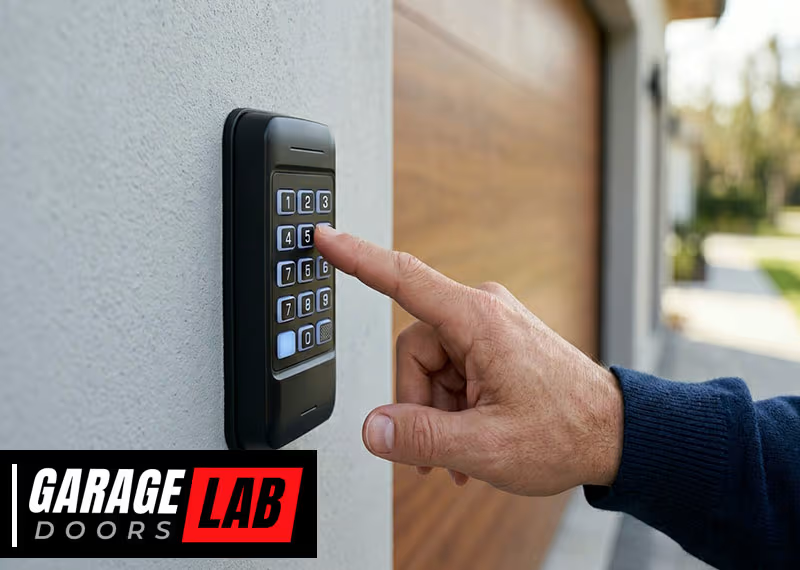
Changing a garage door keypad code might seem like a small task, but it can make a big difference in home security. Many people use their garage as a main entrance. The keypad is convenient, but if you keep the same code for years, anyone who learns it could enter your home.
If you recently moved, had guests, or think someone else knows your code, it’s smart to change it right away.
This guide explains everything about changing a garage door keypad code. Whether you have a basic keypad or a newer smart model, you’ll find clear steps, practical tips, and answers to common problems. Many people miss small details that can cause trouble, like not resetting the opener or forgetting to test the new code.
This article will help you avoid those mistakes and feel confident that your garage is secure.
Why Change Your Garage Door Keypad Code?
A garage door keypad lets you open and close the garage without a key or remote. Over time, the same code can be shared with family, friends, neighbors, or service people. If you don’t change it, your home might not be as safe as you think.
Some reasons to change your code:
- New home purchase: You never know who has the old code.
- Lost or stolen remotes: Someone could access your garage.
- Employee or guest changes: Cleaners, repair people, or ex-roommates may remember the code.
- Regular security updates: Like passwords, regular changes keep you safer.
Changing your garage keypad code is usually simple. For most keypads, you don’t need special tools or skills. But every brand and model is a bit different, so it’s important to follow the right steps for your system.
Understanding Garage Door Keypad Types
Before you start, it helps to know what type of keypad you have. Most keypads fall into two groups:
- Wired keypads: Connected directly to the garage opener by wires.
- Wireless keypads: Battery-powered and use radio signals to talk to the opener.
Within these groups, you’ll find:
- Standard keypads: 4-digit codes, simple buttons.
- Smart keypads: Part of a smart home system, sometimes with an app.
Some of the most common brands are LiftMaster, Chamberlain, Genie, and Craftsman. Each has its own way to reset or change codes.
How To Identify Your Keypad
Look for the brand name or model number, usually on the front or back of the keypad. If you can’t find it, check your garage door opener itself (the unit inside the garage ceiling). The opener’s brand usually matches the keypad.
If you’re not sure, try searching your brand and model online for a manual. Most companies offer free manuals on their websites.

Basic Steps To Change A Garage Door Keypad Code
Changing the code is a bit different for each brand, but the process often includes these steps:
- Open the keypad cover: Make sure it’s clean and the buttons work.
- Enter the current code: This wakes up the system.
- Press the “Learn” or “Program” button: Sometimes inside the garage (on the opener), sometimes on the keypad.
- Enter your new code: Choose a number easy for you, hard for others.
- Test the new code: Make sure the door opens and closes.
Let’s look at how these steps work in real situations.
How To Change Liftmaster Or Chamberlain Keypad Code
LiftMaster and Chamberlain are top brands in the US. Their keypads and openers often look alike because they’re made by the same company. Most newer models use a “Learn” button inside the garage.
Step-by-step Instructions
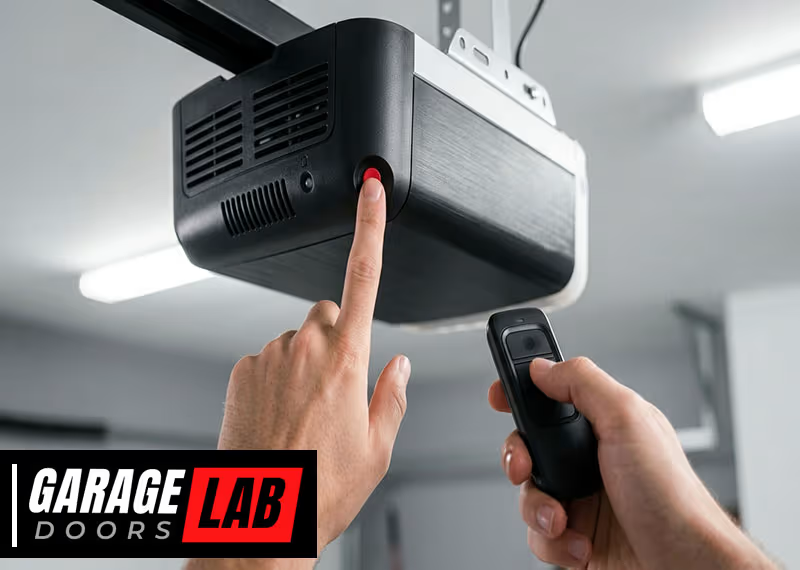
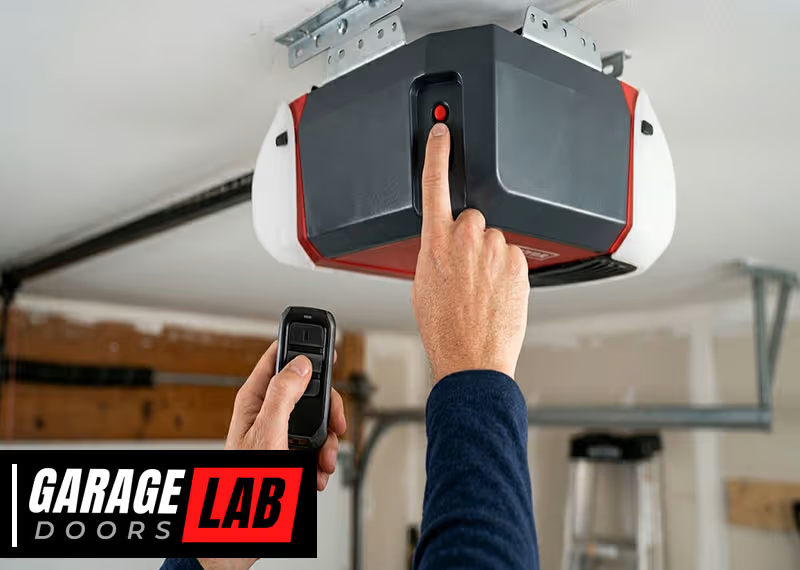
1. Find The Learn Button
On the garage door opener (mounted on the ceiling), look for a small colored button. It’s often near the antenna wire and could be red, purple, yellow, or green.
2. Clear The Old Code (if Needed)
Press and hold the Learn button until the indicator light goes out (usually about 6 seconds). This erases all remote controls and keypad codes.
- Set a New Code
- Press and release the Learn button. The indicator light will glow for 30 seconds.
- Go to your keypad and enter your new 4-digit code.
- Press the Enter button on the keypad. The light on the opener will blink or you’ll hear a click. This means the new code is saved.
- Test the Keypad
Wait 10 seconds, then enter the new code and press Enter. The door should move.
Pro Tips
- Write down your new code and keep it somewhere safe (not on the keypad).
- If you have multiple openers, you might need to repeat the process for each one.
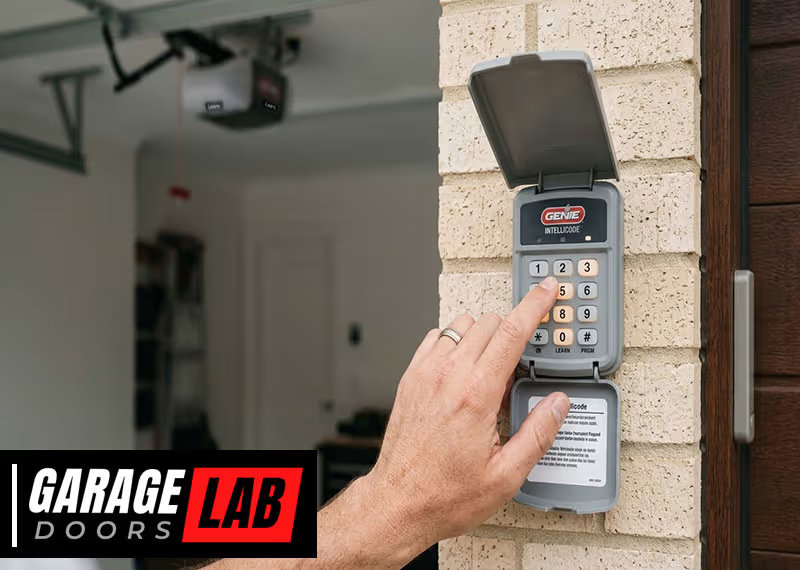
Changing A Genie Garage Door Keypad Code
Genie keypads are common and have a slightly different process.
Steps To Change The Code
1. Open The Keypad Cover
Make sure the keypad is working and buttons are not sticking.
2. Press Program Button
On most Genie keypads, locate and press the “Program” button (sometimes called “Learn Code”).
- Enter New Code
- Enter your desired code (usually 3 to 8 digits).
- Press the Up/Down button (often marked with arrows).
- Wait for the indicator light to blink.
- Sync with Garage Opener
- On your garage opener, press the Learn button (may also say “PRGM”).
- Within 30 seconds, return to the keypad and enter your new code again.
- Press the Up/Down button.
- Test the Keypad
Try the new code. The door should move.
Genie Keypad Troubleshooting
If the code doesn’t work:
- Make sure the batteries in the keypad are good.
- Try resetting the opener by unplugging and reconnecting it.
Changing A Craftsman Garage Door Keypad Code
Craftsman garage door keypads are similar to LiftMaster and Chamberlain because many use the same technology.
How To Change The Code
1. Find The Learn Button
On the opener motor, press and release the Learn button.
- Enter New Code
- On the keypad, enter your new 4-digit code.
- Press the Enter button.
- Confirmation
The opener light will flash, or you’ll hear a click.
4. Test The Code
Enter the code and press Enter. The door should open or close.

How To Change Keypad Code For Other Brands
Not all keypads use the same steps. Here are some quick examples for other brands:
- Overhead Door: Often uses a “Learn Code” button on the opener. Press, then enter new code on keypad.
- Linear: Usually, press “Start” button, enter code, then “Start” again.
- Wayne Dalton: Keypad may have a “Reset” button. Hold until light blinks, then set new code.
Always check your manual for the exact process.
How To Change A Smart Garage Door Keypad Code
Modern systems like myQ or smart home brands let you change codes through an app or web portal. This is faster and you don’t need to be home.
Changing Code With A Smart System
- Open the app linked to your garage door opener.
- Go to keypad or user management.
- Select the keypad you want to update.
- Enter and save a new code.
- Test by entering the code on the physical keypad.
Advantages
- You can add or delete codes for each family member.
- Track who opens the garage and when.

Common Problems When Changing Keypad Codes
Changing your code should be easy, but sometimes things go wrong. Here are common issues and solutions:
Keypad Not Working After Change
- Dead batteries: Replace the battery in the keypad.
- Distance: Make sure you’re within range of the opener.
- Signal interference: LED bulbs near the opener can block signals. Try changing the bulb.
Opener Doesn’t Learn New Code
- Wrong button pressed: Double-check if you pressed Learn or Program.
- Too slow: Most systems give you 30 seconds to enter the new code.
- Old code not erased: Try clearing all codes (hold Learn for 6-10 seconds).
Keypad Buttons Stick Or Don’t Respond
- Weather damage: Sun and rain can harm outdoor keypads. Consider replacing old units.
- Dirt or insects: Clean the keypad gently with a dry cloth.
Code Works Once, Then Stops
- Multiple keypads: If you have more than one, change all codes to avoid conflicts.
- Wiring issue: For wired keypads, check connections.
Choosing A Safe And Easy-to-remember Code
Picking the right code is important. Many people use simple codes like 1234 or 0000, but these are easy for others to guess.
Tips For A Good Code
- Avoid your address or birthday
- Mix numbers: Use a random sequence, not repeating numbers.
- Change codes every 6-12 months
- Write down in a safe place (not on the garage wall)
A good code is one you’ll remember, but others can’t guess.
How Often Should You Change The Code?
Changing your garage keypad code is like changing other passwords. Do it when:
- You move into a new home
- Someone with the code moves out
- You give the code to service people (cleaners, babysitters, etc.)
- You suspect someone else knows it
Even if none of these happen, change it at least once a year for best safety.
Tools And Materials You Might Need
Usually, you don’t need any special tools to change a keypad code. But sometimes, these items help:
- Step ladder: To reach the garage opener unit on the ceiling
- Small screwdriver: For battery covers or certain keypads
- Flashlight: If the garage is dark
- Pen and paper: To write down your new code
Safety Precautions
Before starting, remember these safety tips:
- Do not stand under a moving garage door
- Keep children away while working on the opener
- Unplug the opener if you need to open the cover or touch wires
- Test the door after changing the code, making sure it reverses if something is in the way
Comparing Garage Door Keypad Features
Many people wonder if it’s worth upgrading their keypad. Here’s a look at the main differences between basic and advanced models.
| Feature | Basic Keypad | Smart Keypad |
|---|---|---|
| Code Entry | Manual only | Manual & app-based |
| Multiple Codes | No | Yes |
| Remote Management | No | Yes |
| Security Updates | Manual | Automatic |
| Price Range | $20–$40 | $60–$120 |
A smart keypad is useful for families or those who want to manage codes on their phone. For most people, a basic keypad works well if you change the code regularly.
Comparing Steps: Popular Brands Side By Side
It’s easy to get confused with so many brands. Here’s a quick side-by-side look at the steps for changing codes on the most popular keypads:
| Brand | Key Step | Special Note |
|---|---|---|
| LiftMaster/Chamberlain | Press Learn on opener, enter new code on keypad, press Enter | Light blinks to confirm |
| Genie | Press Program on keypad, enter new code, sync with opener | Up to 8 digits allowed |
| Craftsman | Press Learn on opener, enter new code, press Enter | Similar to LiftMaster |
| Overhead Door | Press Learn on opener, enter new code | Watch for blinking light |
What To Do If You Forget The Code
Forgetting your garage keypad code is common. Don’t worry—there are ways to reset it.
- Check the manual: Most manuals have reset instructions.
- Use the Learn button: Press and hold to erase all codes, then set a new one.
- Contact customer support: If you’re stuck, support lines can walk you through a reset.
- Replace the keypad: If the unit is very old or broken, replacement might be easier and safer.
Advanced Security Tips For Garage Keypads
Keypads make life easy, but they can also be a weak point if not used carefully.
Hide Your Keypad Location
If possible, place your keypad where it’s not visible from the street. This makes it harder for strangers to see which buttons are worn or watch you enter the code.
Don’t Share Codes
Only give your code to people you trust. If you must share, change it as soon as they no longer need access.
Watch For Tampering
If you notice the keypad cover is loose, buttons are sticky, or the code doesn’t work as expected, someone may have tried to tamper with it. Change your code and inspect the unit.
Combine With Other Security
Keypads work best with other security steps:
- Lock the door from the garage to the house
- Use motion lights near the garage
- Add a camera if possible
Signs You Should Replace Your Keypad
Sometimes, changing the code isn’t enough. If your keypad is old or damaged, consider replacing it. Signs include:
- Buttons don’t work
- Keypad looks faded or cracked
- Code changes on its own
- Battery drains quickly
Most new keypads are easy to install and offer better security features.
Real-world Example: Changing The Code After Moving
Imagine you just bought a home and the garage opener works with an old keypad. You don’t know who used the code before you, so you want to reset it.
- Find the opener brand (let’s say LiftMaster).
- Locate the Learn button on the opener.
- Press and hold Learn for 6 seconds to clear all old codes.
- Press and release Learn again, then enter your new code on the keypad and press Enter.
- Test the new code. The door opens.
Now, only you know the code, and past owners can’t get in.
How To Maintain Your Keypad For Long Life
A keypad lasts longer with regular care.
- Clean it gently every few months with a dry cloth.
- Replace batteries once a year.
- Check for cracks or signs of weather damage.
- Test the code monthly to make sure it works.
If you live in a very hot or cold area, consider a weatherproof cover.
What To Do If The Keypad Still Won’t Work
Even after changing the code, some keypads fail. Here’s what you can try:
- Double-check the steps: Did you follow each step in your brand’s manual?
- Try a different code: Some keypads don’t accept certain number patterns.
- Reset everything: Unplug the opener for 30 seconds, then plug back in.
- Replace the keypad: If all else fails, a new keypad can fix the problem.
If you need help, most garage door companies have support lines or FAQs online.
How Secure Are Garage Door Keypads?
Garage keypads are safe when used properly, but not perfect. Older models can sometimes be hacked with “code grabbers. ” Newer keypads use rolling codes, which change the signal each time.
To stay secure:
- Use a unique code
- Change codes regularly
- Keep the keypad clean and working
For advanced security, look for keypads with rolling code technology or smart features.
Understanding Rolling Code Technology
Many modern keypads and remotes use rolling code (also called Security+ or Intellicode). This means the code changes every time you press the button, making it almost impossible for thieves to copy the signal.
If your opener is older than 1995, it may not have this feature. Upgrading your opener and keypad boosts your security.
Cost Of Replacing A Garage Door Keypad
If you decide to buy a new keypad, here’s what you can expect:
| Brand | Estimated Price | Features |
|---|---|---|
| LiftMaster/Chamberlain | $30–$60 | Wireless, rolling code |
| Genie | $25–$50 | Wireless, 3–8 digit codes |
| Smart Keypad (myQ, etc.) | $60–$120 | App control, multiple codes |
Installation usually takes 10–20 minutes. Most homeowners can do it without an expert.
Where To Find More Information
If you need brand-specific manuals or videos, try the official websites or trusted sources like Family Handyman for step-by-step help.
Frequently Asked Questions
What If My Garage Door Keypad Is Not Responding At All?
Check the battery first—it’s the most common cause. Replace with a fresh battery. If that doesn’t help, inspect the keypad for dirt, moisture, or physical damage. For wireless models, make sure you’re within range of the opener. If nothing works, you may need a new keypad.
Can I Use The Same Code For More Than One Garage Door?
Yes, if your system allows it. Some keypads can control multiple doors with one code, others need a separate code or a multi-button keypad. Check your manual to see what your model supports.
How Do I Change The Code If I Lost The Old One?
Most keypads let you reset without the old code. Go to the garage opener unit, press and hold the Learn button to erase all codes, then set a new one. If your keypad requires the old code, you may need to reset it entirely or contact support.
Is It Safe To Let Kids Use The Garage Keypad?
Yes, as long as they know the code and how to use it safely. Teach children not to share the code with others and to watch the door until it closes. For extra safety, use a code that’s easy for them to remember, but not guessable.
How Long Does It Take To Change A Garage Door Keypad Code?
For most keypads, it takes 5–10 minutes. The main steps are entering the old code (if needed), pressing the Learn or Program button, entering a new code, and testing. Allow more time if you have multiple doors or need to reset the system.
Changing your garage door keypad code is one of the simplest ways to boost your home’s security. By following the steps here, you’ll have peace of mind knowing only trusted people can enter your garage. Regularly updating your code, keeping your keypad in good shape, and staying alert to problems will keep your home and family safer.