
Now Reading: How Big is a Garage Door? Standard Sizes and Measurement Guide
- 01
How Big is a Garage Door? Standard Sizes and Measurement Guide

When you stand outside a house, the garage door is often the largest moving part you see. But have you ever wondered, “How big is a garage door, really? ” Maybe you’re thinking of building a new garage, replacing an old door, or just want to park a bigger car.
Choosing the right garage door size is more important than you might think. The wrong fit can make parking difficult or even impossible. On the other hand, a door that is too large can cost more and look out of place.
Let’s explore everything you need to know about garage door sizes. This guide covers common dimensions, why sizes matter, how to measure, custom options, and what mistakes to avoid. Whether you own a single-car garage or a three-car setup, you’ll find practical advice for your needs.
By the end, you’ll know exactly what to consider before buying or installing a garage door.
Why Garage Door Size Matters
The size of your garage door isn’t just about aesthetics. It affects daily convenience, safety, and the value of your home. Here’s why the right size is crucial:
- Vehicle Fit: If the opening is too small, your car might not fit at all. Even a few inches can make a big difference, especially with larger vehicles like trucks, SUVs, or vans.
- Storage Needs: Many people use garages for storage. Bikes, tools, or even a workbench need extra space. The door size impacts how easily you can move things in and out.
- Home Value: Well-fitted doors look better and increase curb appeal. This can boost your property value.
- Safety and Security: A properly sized door seals tightly, reducing drafts and blocking pests. It also adds a layer of security.
- Energy Efficiency: Gaps around a poorly sized door let in outside air, which can affect heating and cooling costs.
Many homeowners make the mistake of guessing or using “standard” sizes without measuring. This often leads to doors that are awkward or inconvenient. Knowing the right size before you buy saves time, money, and stress.
Standard Garage Door Sizes In The Us
Most garages fall into a few common size categories. Let’s look at the typical dimensions you’ll find for different types of garages.
Single-car Garage Door Sizes
A single-car garage is designed for one vehicle. These are the most common in older homes, townhouses, and smaller properties.
- Width: 8 feet, 9 feet, or 10 feet
- Height: 7 feet or 8 feet
The most popular size is 9 feet wide by 7 feet high. This fits most sedans, small SUVs, and motorcycles. If you have a larger truck or SUV, a 10-foot width offers more comfort and less chance of scraping mirrors.
Double-car Garage Door Sizes
A double-car garage allows you to park two vehicles side by side. These are standard for most modern homes.
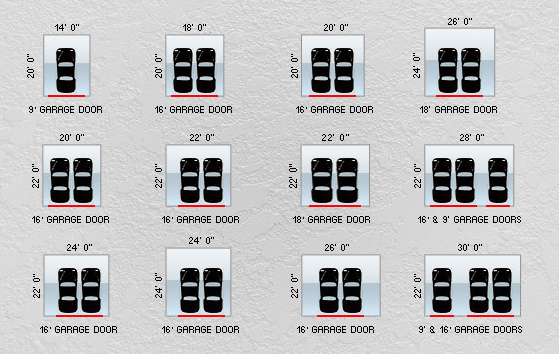
- Width: 14 feet, 15 feet, 16 feet, 18 feet
- Height: 7 feet or 8 feet
The most common size is 16 feet wide by 7 feet high. This easily fits two mid-sized vehicles, or one car and plenty of storage. Some homeowners choose 18 feet wide for extra space, especially if both vehicles are large.
Rv And Oversized Garage Door Sizes
If you own an RV, camper, or oversized truck, standard doors won’t work. Here’s what you need:
- Width: 10 feet, 12 feet, or even wider
- Height: 10 feet, 12 feet, 14 feet
The 12 feet by 12 feet size is common for RV garages. Always check the exact height of your RV, including air conditioners or roof racks. Add at least 6 inches of clearance above the tallest part.
Three-car Garage Door Sizes
Three-car garages are popular in large homes or where space is not a problem. There are two main approaches:
- One large door (usually 18 to 20 feet wide)
- Two doors (a double and a single, like 16 feet + 9 feet)
Typical heights are still 7 or 8 feet, but sometimes go higher for taller vehicles.
Commercial Garage Door Sizes
Commercial spaces, like workshops or service centers, use larger doors.
- Width: 12 feet, 14 feet, 16 feet, 24 feet, or more
- Height: 12 feet, 14 feet, 16 feet, or more
These doors are built for delivery trucks, vans, or even forklifts. Residential garages rarely need these sizes.
Common Garage Door Size Data
Here’s a simple overview of the most typical garage door sizes:
| Garage Type | Common Widths (ft) | Common Heights (ft) | Fits |
|---|---|---|---|
| Single-Car | 8, 9, 10 | 7, 8 | Sedan, compact, small SUV |
| Double-Car | 14, 15, 16, 18 | 7, 8 | Two cars/SUVs |
| RV/Oversized | 10, 12 | 10, 12, 14 | RV, tall van, truck |
| Three-Car | 18, 20, 9+16 | 7, 8 | Three vehicles |
How To Measure Your Garage Door Opening
Buying the right size starts with accurate measurements. Here’s how to do it:
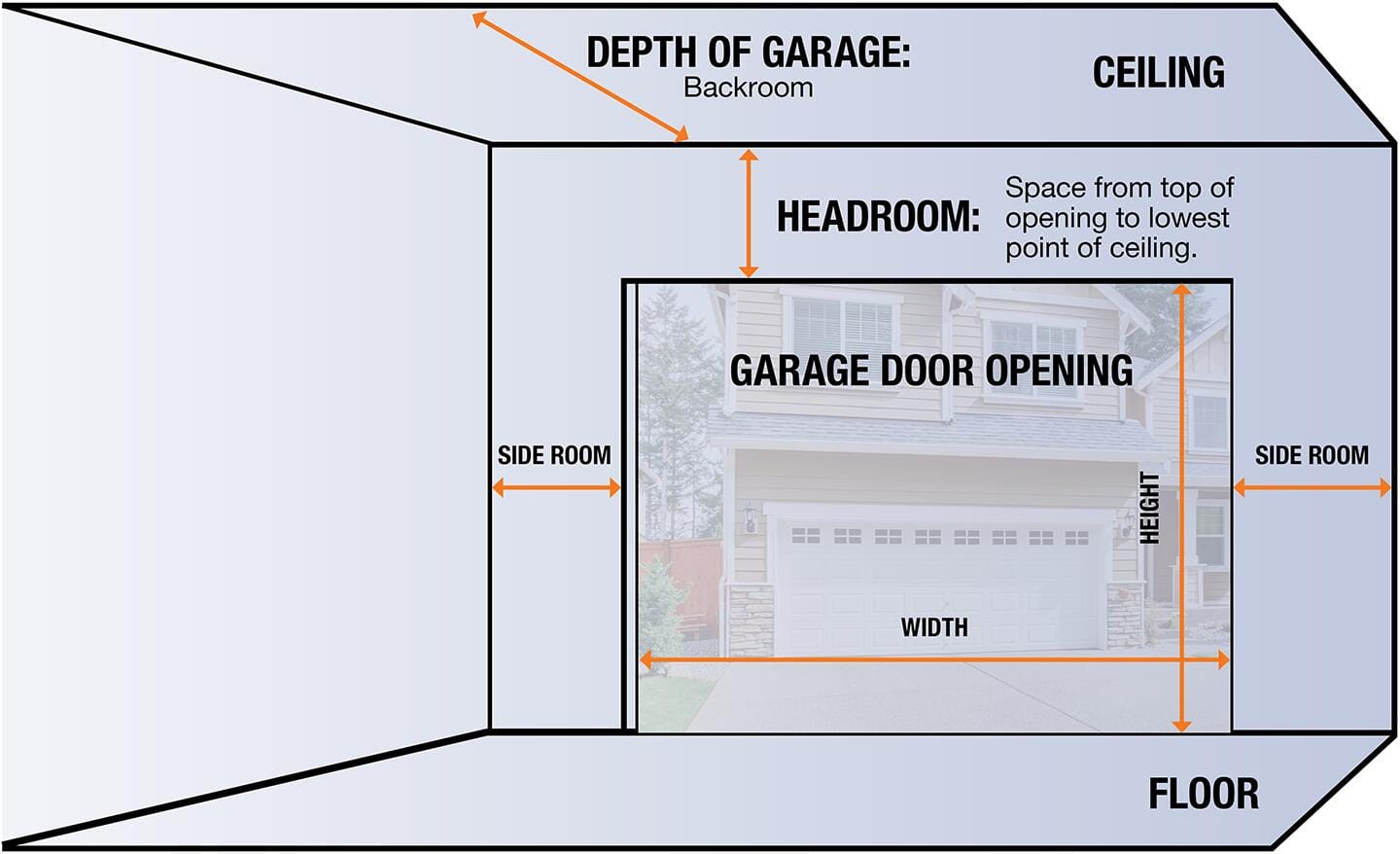
- Width: Measure the distance from one side of the opening to the other, inside the frame.
- Height: Measure from the garage floor to the top of the opening.
- Side Room: Measure the space on both sides of the opening. You need 3.5–4 inches on each side for tracks.
- Headroom: Measure from the top of the opening to the ceiling. Standard doors need 12–18 inches, but low-headroom kits can work with less.
- Backroom: Measure from the garage door opening to the back wall. You need the door height plus at least 18 inches.
Use a steel tape measure for accuracy. Take measurements in several spots and use the smallest number. If the opening is uneven, a professional may need to adjust the frame.
Pro tip: Always measure the rough opening (the space inside the framing), not the door panel. The actual door will be slightly smaller to allow for hardware and movement.
Custom Garage Door Sizes: When And Why
Not every garage matches standard sizes. Here are some situations where you might need a custom-sized garage door:
- Older homes with non-standard openings
- Unique architectural designs
- Garages built for extra-wide or tall vehicles
- Special needs, such as wheelchair vans or boat storage
Custom doors are made to fit your exact opening. This usually costs more and takes extra time. However, it can solve problems that standard doors can’t.
Non-obvious insight: Some manufacturers can adjust standard door panels by a few inches to fit unusual openings. This can save money compared to a fully custom order.
If you’re building a new garage, plan for a standard door size unless you have a special need. This makes replacement and repairs easier and cheaper in the future.
The Impact Of Garage Door Size On Daily Life
Choosing the right size affects your life in ways you may not expect:
- Parking Ease: A wider door means you can open car doors without bumping into walls.
- Future-Proofing: Cars are getting bigger. A 9-foot single door may be tight for SUVs, while 10 feet gives more flexibility.
- Storage Access: Larger doors make it easier to move large items (like lawnmowers or furniture) in and out.
- Curb Appeal: The door size affects the look of your home. Too small looks odd, too large can dominate the front of your house.
Practical example: If your family plans to buy a pickup truck in the future, consider a 10-foot single or 18-foot double door now. It’s much cheaper to plan ahead than to rebuild the garage later.
Garage Door Size Vs. Vehicle Size
Matching your garage door to your vehicle is important. Here’s a comparison of popular vehicles and the minimum door size needed:
| Vehicle Type | Average Width (inches) | Recommended Door Width (feet) |
|---|---|---|
| Small Car (Honda Civic) | 70 | 8 |
| Mid-Size SUV (Toyota Highlander) | 76 | 9 |
| Full-Size Truck (Ford F-150) | 80 | 10 |
| Minivan | 78 | 9 or 10 |
| RV/Camper | 96+ | 12+ |
Notice that modern trucks and SUVs are much wider than cars from 20 years ago. Always allow at least 10–12 inches of clearance on each side of your vehicle for mirrors and doors.
Hidden tip: Don’t forget to measure with roof racks, mirrors, or accessories attached. These can add several inches.
Double Vs. Two Single Doors: Which Is Better?
Many homeowners ask if they should install one large door or two single doors in a double garage. Here are the pros and cons:
One Double Door (e.g., 16 feet):
- Pros: Easier to park two cars, more space for wide vehicles, modern look
- Cons: If it breaks, you lose access to the whole garage; heavier; may cost more
Two Single Doors (e.g., 2 x 9 feet):
- Pros: If one door fails, you can still use the other; less heat loss when opening; classic appearance
- Cons: Narrower opening makes parking big vehicles harder; more wall space needed for openers
Expert advice: If you have large vehicles or need flexibility, a double-wide door is usually best. If you want security, or you use your garage for different purposes, two singles may be better.
Height Matters Too
Most people focus on width, but garage door height is just as important. Standard heights are 7 or 8 feet, but here’s what to consider:
- 7 feet: Most cars, SUVs, and minivans fit easily. This is the US standard.
- 8 feet: Needed for lifted trucks, vans with roof racks, or taller SUVs.
- 10 feet or more: Required for RVs, boats, or commercial vehicles.
Unexpected issue: If your garage floor is sloped or has a ramp, you may lose a few inches of effective height. Always measure from the highest point on the floor to the top of the opening.
Measuring For Replacement Vs. New Construction
If you’re replacing a door, measure the existing opening, not the old door. For new construction, you have more flexibility.
- Replacement: Use the current opening size. Check if the frame is square and in good condition.
- New Construction: Choose the door size first, then build the opening to fit. This is the best way to avoid problems.
Common mistake: Installing a new door in an old, out-of-square opening leads to gaps and poor seals.
Special Cases: Unique Garage Door Needs
Some situations require thinking beyond standard sizes:
- Golf Cart Garages: Usually 5 to 6 feet wide by 7 feet high
- Motorcycle Storage: 5 to 8 feet wide by 7 feet high
- Boat Garages: Width and height depend on the size and trailer, but 10 feet wide by 10 feet high is common
- Workshop Access: Extra-wide or tall doors for machinery or materials
Pro insight: If you plan to use your garage for hobbies or business, design for the largest item you’ll ever move in or out.
Regional And International Garage Door Sizes
While this guide focuses on the US, garage door sizes vary by country. In Europe and Asia, garages are often smaller because of smaller vehicles and less space. In Australia, common sizes are similar to the US but sometimes use metric measurements.
If you’re buying a door for an imported vehicle or a non-standard home, always check local building codes and manufacturer specs.
Example: In the UK, a single garage door is often just 7 feet wide, which is tight for US SUVs.
Materials And Thickness: Do They Affect Size?
Garage doors come in steel, wood, aluminum, fiberglass, and more. The material affects weight and durability, but not the opening size. However, insulated doors are often thicker, which can slightly reduce the usable width or height inside.
Quick tip: If you install a thick, insulated door, make sure your tracks and openers can handle the extra weight and space.
Garage Door Size And Home Design
The look of your garage door matters as much as the size. Here’s how dimensions affect style:
- Tall, narrow doors make a home look older or more traditional
- Wide, short doors can make the house look wider
- Large double doors suit modern, open designs
Design insight: If your home’s front is mostly garage, a single massive door can look overwhelming. Breaking it into two doors or adding windows can help balance the look.
Cost Implications Of Garage Door Size
Larger doors almost always cost more. Here’s what affects the price:
- Material: Steel is usually cheapest, wood and glass are more expensive
- Size: Wider and taller doors need more material and stronger openers
- Custom sizes: Special orders cost 20–50% more than standard
- Installation: Bigger doors are heavier and need more labor
Money-saving tip: If you can use a standard size, you’ll save on both the door and installation.
Garage Door Opener Compatibility
Not every garage door opener can lift a large or heavy door. For doors over 8 feet high or over 16 feet wide, choose an opener with more horsepower (at least 3/4 HP). For very tall or heavy doors, consider a jackshaft opener that mounts on the wall.
Important: Always check the opener specs before buying a new door, especially if you’re upgrading to a larger size.
Common Mistakes When Choosing Garage Door Size
Avoid these errors that homeowners often make:
- Guessing instead of measuring: Always use a tape measure, never trust memory or old plans.
- Forgetting about headroom: If your ceiling is low, a standard door may not fit.
- Ignoring future needs: If you might get a bigger car, plan for it now.
- Choosing style over function: A beautiful door that’s too small is still a problem.
- Overlooking hardware clearance: The door needs space for tracks, openers, and springs.
Insider tip: Most installers will measure for free before you order. Take advantage of this service.
Practical Examples And Real-life Scenarios
Let’s look at how garage door size affects everyday life:
- Scenario 1: Family with two cars and a small SUV. A 16-foot double door is comfortable, but an 18-foot door makes parking much easier, especially for novice drivers.
- Scenario 2: Homeowner with a full-size pickup and a motorcycle. A 10-foot single door is much less stressful than squeezing into an 8- or 9-foot opening.
- Scenario 3: Contractor with tall work van. Needs an 8-foot or 9-foot-high door. A standard 7-footer won’t work.
- Scenario 4: Retiree with golf cart garage. A 6-foot-wide door is enough—no need to pay for a full-size door.
Each situation is unique, but the right door size always makes life simpler.

Making The Final Choice
To pick the best garage door size:
- Measure carefully, more than once
- Think about your current and future vehicles
- Consider storage, hobbies, and special needs
- Check local building codes for restrictions
- Choose a standard size when possible, unless you have a special need
If you’re not sure, ask a professional installer for help. They see all sorts of garages and can suggest the best option.
Data Comparison: Standard Vs. Custom Garage Doors
Here’s a side-by-side look at standard and custom garage doors:
| Feature | Standard Door | Custom Door |
|---|---|---|
| Price | Lower | Higher |
| Availability | Immediate | 1–8 weeks wait |
| Replacement Parts | Easy to find | Special order |
| Fit | May require framing changes | Perfect fit |
| Resale Value | Good | May not appeal to all buyers |
Where To Find More Information
If you want to see building codes or more technical specs, the International Residential Code is a trusted source. You can check details at International Code Council.
Final Thoughts
Garage door size affects more than just looks—it impacts how you live every day. The right size makes parking easy, protects your vehicles, and adds value to your home. Don’t rush your choice or guess. Measure, plan for the future, and get advice if you need it.
A well-chosen garage door is an investment you’ll appreciate every time you come home.
Frequently Asked Questions
What Is The Most Common Garage Door Size For A Single Car?
The most common size is 9 feet wide by 7 feet high. This fits most cars and small SUVs comfortably.
Can I Install A Larger Garage Door In An Existing Opening?
It’s possible, but it requires changing the framing and sometimes the structure. Always check with a professional to see if your garage can support a bigger door safely.
What Size Door Do I Need For A Truck Or Suv?
For most full-size trucks or large SUVs, a 10-foot-wide door is best. For height, 8 feet is usually enough unless the vehicle is lifted or has roof accessories.
Do Garage Door Sizes Affect The Cost?
Yes, larger or custom-sized doors cost more than standard sizes. They also may need stronger openers and more expensive installation.
Is It Better To Have Two Single Doors Or One Double Door For A Two-car Garage?
Both have pros and cons. One double door is easier for parking and fits larger vehicles, but if it breaks, you lose full access. Two singles offer more flexibility and less heat loss, but less space for big cars.
With the right knowledge, you can confidently choose the perfect garage door size for your home and lifestyle.