
Now Reading: How Do You Manually Lock a Garage Door: Easy Step-by-Step Guide
- 01
How Do You Manually Lock a Garage Door: Easy Step-by-Step Guide

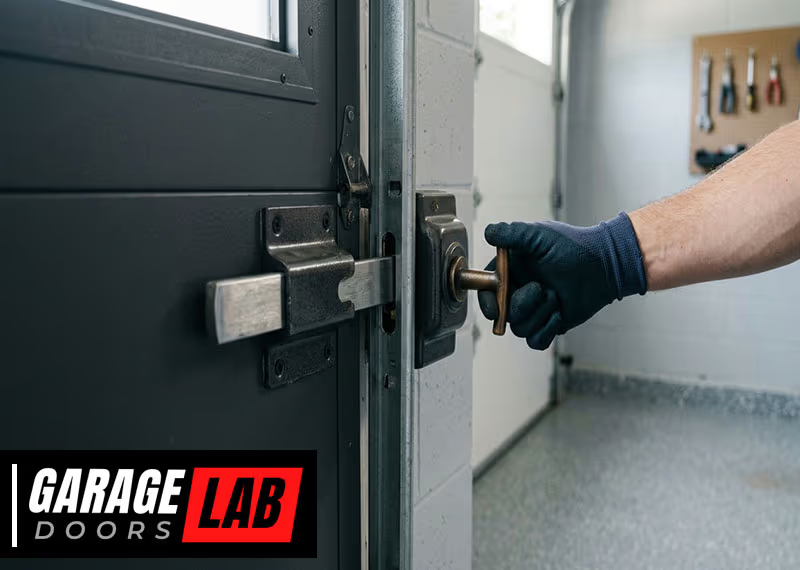
Manually locking your garage door can be a true lifesaver when the power goes out or if your automatic opener fails. Many homeowners rely on electric systems, but what happens when technology stops working? Knowing how to secure your garage door by hand keeps your home safe and gives you peace of mind.
This skill is especially valuable during storms, emergencies, or even simple maintenance. In this guide, you’ll find clear steps, practical advice, and common mistakes to avoid. Even if you’ve never done it before, you’ll finish with full confidence.
Why Manual Locking Matters
Your garage is an entry point to your home and often protects valuable items like cars, tools, and bikes. Automatic systems make life easy, but they have weaknesses. Power outages, malfunctioning remotes, or broken openers can leave your garage—and your home—unlocked.
Thieves know this too. Manual locking turns your garage door into a strong barrier, even when technology isn’t on your side.
Manual locks also help during travel. If you’re leaving for a long trip, using the manual lock is a smart way to add an extra layer of security. Many insurance companies even recommend it for better coverage.
Understanding Garage Door Types
Before learning how to lock your door manually, it’s important to know your garage door’s type. The locking method can change based on design.
| Garage Door Type | Main Locking Method | Common Problems |
|---|---|---|
| Sectional (most common) | Manual slide lock / Center latch | Cable or lock misalignment |
| One-piece tilt-up | Lock bar or side latch | Lock bar jams |
| Roll-up (commercial) | External padlock / Slide bar | Padlock rusts or jams |
| Side-hinged (barn style) | Hasp and padlock | Misaligned hasp |
Non-obvious insight: Many people think all garage doors lock the same way. In fact, even the type of opener and the age of your door can change the process.
Tip: Check your owner’s manual or look for a label on the inside of your door. It often tells you what kind of lock is installed.
Tools And Materials You Might Need
Manual locking doesn’t always require tools, but having the right items nearby can make the process smoother.
- Flashlight (if working in low light)
- Flathead screwdriver
- Padlock (for certain types)
- Penetrating oil (for stuck or rusty parts)
- Protective gloves
- Step stool (if your lock is high up)
For most standard sectional doors, you won’t need to buy anything special. But if your door is older or missing a lock, you might need a new slide latch or padlock.
Pro tip: Test the lock and moving parts every few months. This keeps everything working smoothly and prevents surprises during emergencies.
How To Manually Lock A Sectional Garage Door
Sectional garage doors are the most popular in the US. They use panels that bend as the door opens or closes. Most come with a slide lock or center latch.
Step 1: Disconnect The Automatic Opener
If your door has an electric opener, always disconnect it first. This is for safety and to prevent damage.
- Pull the emergency release cord (usually a red rope hanging from the opener rail).
- The door should now move freely by hand.
- Test it by gently lifting the door a few inches. It should feel light and balanced. If not, the springs may need service.
Common mistake: Forgetting to pull the emergency release. If you force the lock while the door is still connected to the opener, you can break the lock or damage the opener.
Step 2: Close The Door Fully
Make sure the garage door is all the way down and sitting level with the ground. If it’s not closed completely, the lock won’t line up.
- Check both sides to be sure there are no gaps.
- If the door is uneven, stop and correct the problem. Trying to lock an uneven door can bend the lock or even the door panel.
Step 3: Locate The Manual Lock
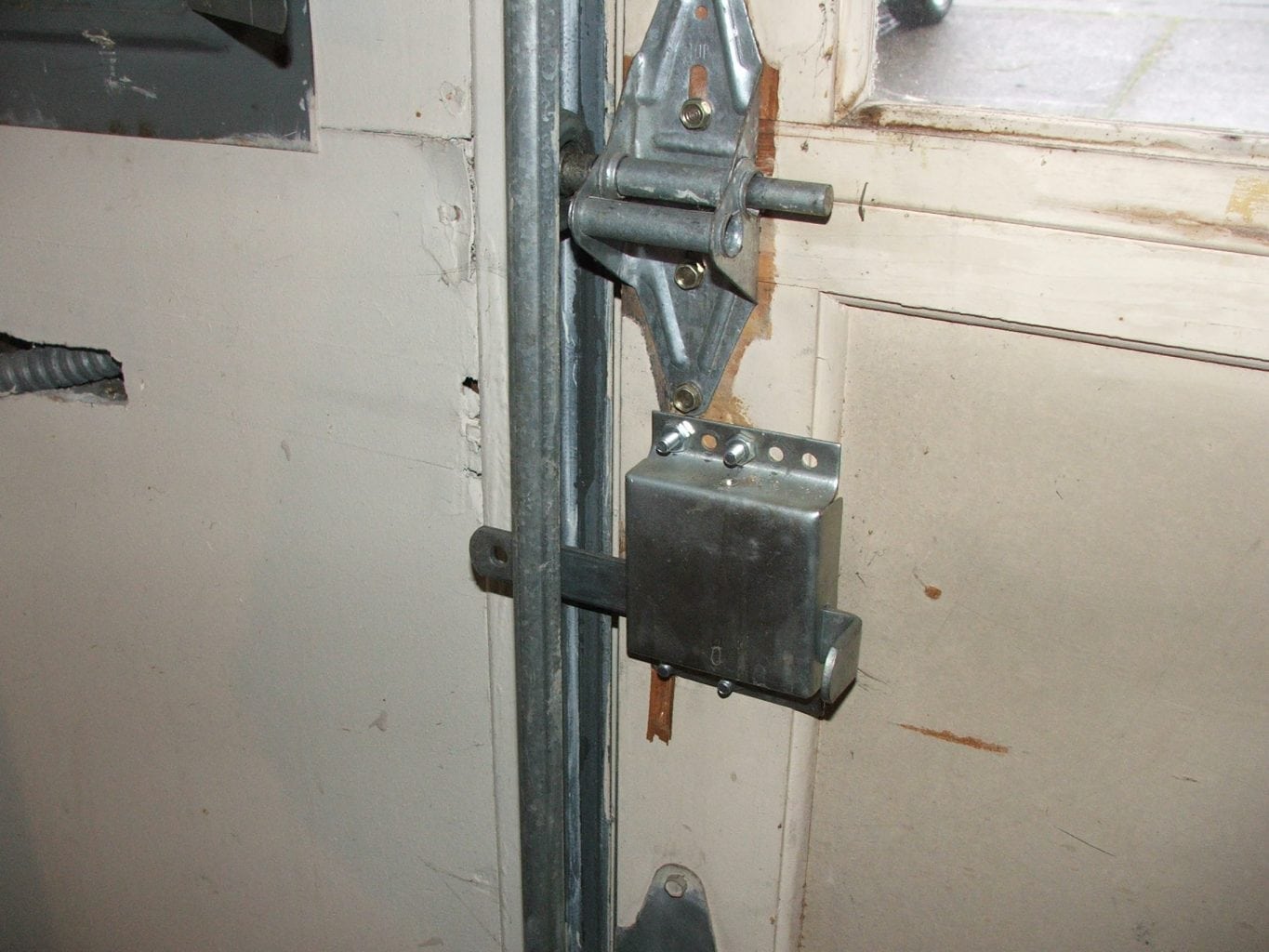
Most sectional doors have a slide lock on the inside, usually near the left or right edge, about waist height.
- The lock is a small metal lever or bar that slides horizontally into a hole in the track.
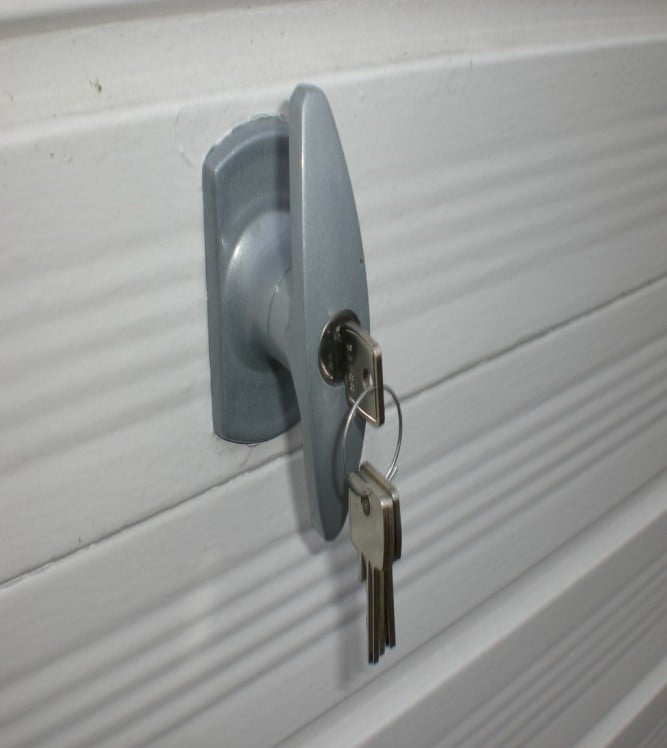
- Some doors have a center lock with a T-handle. This type operates a bar or rod that runs across the door’s width.
Step 4: Engage The Lock
- Grip the lock handle and slide it into the locked position. You should feel or hear a click as the lock bar enters the hole in the track.
- For center locks, turn the handle clockwise. You may need to use a key if the lock is keyed.
- Test by gently pulling on the door. It should not move more than a tiny amount.
Non-obvious insight: If the lock does not engage smoothly, check for dust or rust in the track. A quick spray of penetrating oil can help.
Step 5: Add A Padlock (optional)
For extra security, some slide locks have a hole for a padlock. Place a hardened padlock through the hole after engaging the slide lock.
- This step stops anyone from unlocking the door from outside with a tool.
- Use a weather-resistant lock if your garage is not climate-controlled.
Step 6: Test The Lock
Never skip this step. Gently try to lift the door. If it stays put, your manual lock is working.
- Double-check both sides if you have locks on left and right.
- Try operating the opener from outside (if still connected) to make sure it doesn’t force the door open.
How To Manually Lock A One-piece Tilt-up Door
Older homes sometimes have a one-piece tilt-up door. These swing out as a single piece and often use a different lock setup.
Step 1: Disconnect Any Opener
Just like with sectional doors, pull the emergency release cord.
- Never try to force the lock with the opener attached.
Step 2: Close The Door
Lower the door until it’s flush with the frame. Some tilt-up doors are heavier, so use care.
Step 3: Locate The Lock Bar Or Latch
Most tilt-up doors use a lock bar that slides into a slot or hole in the frame or the floor.
- The bar is usually at the bottom center or on one side.
- Some older doors may have a twist latch instead.
Step 4: Engage The Bar
Push or turn the bar until it locks into place. You may need to use a key or a handle.
- If the lock is stiff, apply a small amount of lubricant.
- Avoid forcing a rusty lock. This can break the bar or the frame.
Step 5: Secure With A Padlock (if Possible)
Some bar locks have a hole for a padlock. Insert a strong lock for extra security.
Step 6: Test And Inspect
Try opening the door from both inside and outside to make sure the bar holds firm.
Non-obvious insight: Many one-piece doors are easy to pry open if the lock is weak. Upgrading to a modern bar or adding a secondary lock greatly increases security.
How To Manually Lock A Roll-up Garage Door
Roll-up doors are common in commercial spaces but can appear in residential garages too.
Step 1: Disconnect The Power Opener
Always pull the emergency release if present.
Step 2: Lower The Door Fully
Roll the door down until it’s completely closed. Make sure it’s not tilted or off track.
Step 3: Use The Slide Bar Or External Padlock
Roll-up doors often have a slide bar on the inside or a hasp for a padlock on the outside.
- For slide bars, push the bar into the slot until it stops.
- For external hasps, place the hasp over the receiver and insert a padlock.
Step 4: Double-check The Lock
Try lifting the door from outside. A properly locked roll-up door should not budge.
Pro tip: For very large roll-up doors, use two locks (one on each side) for best results.
How To Manually Lock Side-hinged (barn Style) Doors
Side-hinged doors are less common but still used, especially in older homes or for specialty garages.
Step 1: Close Both Doors
Bring both doors together so they meet in the middle.
Step 2: Align The Hasps
Each door usually has a hasp—a metal loop that fits over a receiver.
Step 3: Insert The Padlock
Place a padlock through the hasp. Make sure it closes fully.
Step 4: Check For Gaps
Look for any space between the doors. Realign and lock again if needed.
Step 5: Test Strength
Gently push and pull on each door to be sure they don’t move.
Non-obvious insight: Side-hinged doors are often weak at the hinges. Adding a bolt or bar across the inside improves security.
Manual Locking When The Lock Is Missing Or Broken
If your garage door doesn’t have a working manual lock, you can still secure it with these methods:
- C-clamps: Place a C-clamp on each track just above the bottom roller. This blocks the door from moving up, even if someone tries to force it open.
- Drill a hole: For sectional doors, drill a small hole in the track and insert a strong bolt or padlock.
- Install a hasp and padlock: Attach a new hasp to the inside of the door and frame, then lock with a padlock.
- Security bar: Place a metal or wooden bar horizontally inside, wedging it between the frame and door.
These quick fixes are not as pretty but can be surprisingly strong.
Pro tip: Always remove temporary locks before reconnecting the automatic opener to avoid damaging the system.
Comparing Manual Lock Types
Here’s a quick comparison of the main manual lock styles for residential garage doors.
| Lock Type | Security Level | Installation Difficulty | Best For |
|---|---|---|---|
| Slide lock | Medium | Easy | Sectional doors |
| Center latch | Medium | Easy | Sectional / Tilt-up |
| Padlock + hasp | High | Medium | Side-hinged / Roll-up |
| Security bar | High | Medium | Older or custom doors |
| C-clamps/bolt | Medium | Easy | Temporary security |
Mistakes To Avoid
Even experienced homeowners can make errors when manually locking a garage door. Here are a few to watch out for:
- Forgetting to disconnect the opener: This is the most common mistake and can cause expensive repairs.
- Not closing the door fully: The lock won’t align, and the door can still be forced open.
- Using a weak or rusty padlock: These can be cut easily by thieves.
- Locking with objects in the track: This can damage the door or lock.
- Not testing the lock: Always pull on the door after locking to make sure it’s secure.
Non-obvious insight: If you use an automatic opener, lock out the wall button or hide the remote when the door is manually locked. Accidentally activating the opener can damage both the lock and the opener.
When To Call A Professional
Manual locking is usually simple, but some situations call for expert help:
- If your garage door feels very heavy or does not move smoothly by hand
- If the lock is broken, rusted, or missing
- If the door is off track or visibly damaged
- If you have a custom or rare garage door
A professional can install a new manual lock, fix alignment issues, or upgrade your security. They can also inspect the door’s springs and cables for safety.
Tip: Regular professional maintenance can extend the life of your garage door and lock system.
Upgrading Your Manual Lock For Better Security
Most standard locks stop casual entry, but determined thieves can break cheap hardware. Consider these upgrades:
- High-security padlocks: Choose models with hardened steel and anti-pick features.
- Interior security bars: Install a bar across the inside for maximum protection.
- Electronic deadbolts: Some new locks combine manual strength with digital control.
- Reinforced strike plates: Upgrade the plate where the lock bar meets the track or frame.
If you’re worried about break-ins, talk to a locksmith or garage door expert about the best options for your door type.

Maintenance Tips For Manual Garage Locks
Keeping your manual lock in good shape makes it reliable in emergencies. Here’s how:
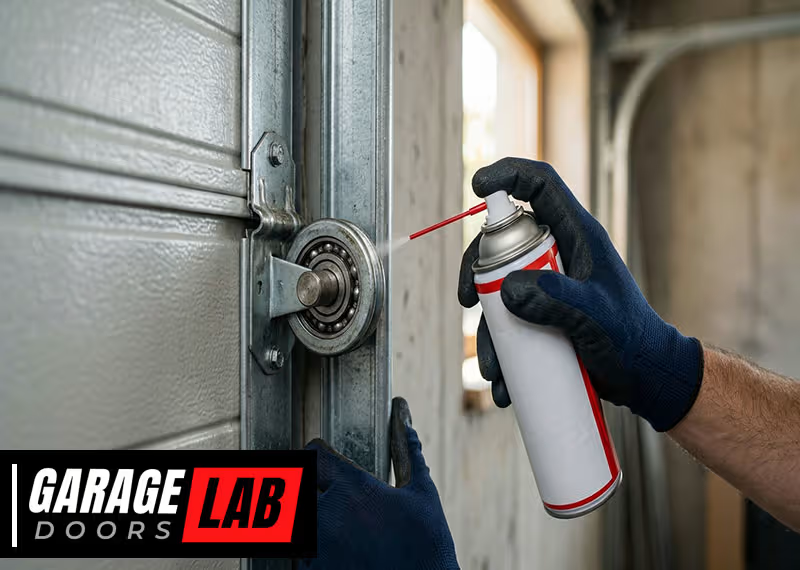
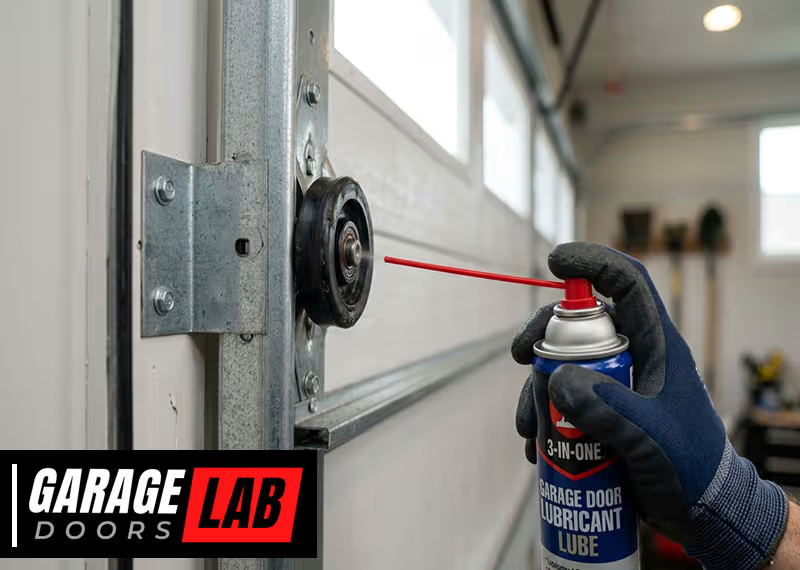
- Lubricate moving parts twice a year with silicone spray or light oil.
- Inspect for rust or damage every few months.
- Tighten screws and bolts to prevent loosening.
- Replace worn padlocks before they fail.
- Check alignment: Doors that shift can misalign locks.
Regular care takes just a few minutes and avoids headaches later.
Real-world Examples
Consider these two situations:
- Power outage during a storm: The Smith family lost power for two days. Their automatic opener was useless, but they knew how to pull the emergency release and lock the door with the slide bar and padlock. Their cars and tools stayed safe, even as neighbors without manual locks had break-ins.
- Travel security: Maria often travels for work. She always adds a manual padlock inside her garage door before leaving. Once, a thief tried to force the door but failed, thanks to the added lock.
These examples show why manual locking is a smart step, even if you rarely need it.
How To Reconnect Your Opener After Manual Locking
When you’re ready to use your automatic opener again, follow these steps:
- Unlock and open the door manually by sliding the lock open or removing the padlock.
- Re-engage the opener by pushing the emergency release lever toward the opener rail. You may hear a click.
- Test the system by pressing your remote or wall button.
- Watch the door closely for smooth movement. If it jerks or stops, check for leftover lock parts or misalignment.
Never force the opener if the door won’t move; check all locks and tracks first.
Safety Tips When Locking Manually
Safety should always come first, especially with heavy garage doors.
- Keep children and pets away while working on the door.
- Wear gloves to avoid pinched fingers or cuts.
- Use a step stool for hard-to-reach locks, not unstable objects.
- Never force stuck locks—apply lubricant and try again gently.
- Always test by lifting the door slightly after locking.
When Manual Locking Is Not Enough
In some neighborhoods, a basic manual lock might not stop determined intruders. Consider these extra steps:
- Install a motion-activated light above your garage door.
- Add a security camera to monitor activity.
- Reinforce door panels with steel brackets.
- Join a neighborhood watch or notify local police when traveling.
Security is about layers. A strong manual lock is a good base, but combining it with other measures makes your garage much safer.
Environmental Factors: Weather And Your Garage Lock
Cold, rain, and humidity can affect garage locks:
- Rust: Use weather-resistant locks and lubricate often.
- Freezing: In very cold areas, locks can freeze. Keep a de-icer spray handy.
- Heat: Extreme heat can warp doors, misaligning locks. Regular checks help.
Non-obvious insight: Garages near the ocean face extra rust risk. Use stainless steel hardware and inspect monthly.
Manual Locking And Home Insurance
Did you know some insurance policies require “reasonable steps” to secure all entry points, including the garage? Failing to lock your garage can sometimes void theft claims.
- Check your policy for garage door security requirements.
- Keep records of upgrades or repairs to your locks.
- Notify your agent if you add new security features.
This simple step can save you big money if something happens.
How Manual Locks Compare To Automatic Locks
Manual locks are simple, reliable, and don’t need power. Automatic locks are easy but can fail if the electricity goes out.
| Feature | Manual Lock | Automatic Lock |
|---|---|---|
| Power needed | No | Yes |
| Can fail in outage? | No | Yes |
| Maintenance needed | Low | Medium |
| Security (basic) | Good | Good |
| Security (advanced) | Upgrade needed | Smart features |
Tip: For the best of both worlds, use both a manual and an automatic lock.
When Renting: Manual Locking In Rented Homes
If you rent your home, always check with your landlord before installing new locks. Most leases require you to return the property in the same condition.
- Ask for permission for upgrades.
- Document any lock changes.
- Return all keys and locks when moving out.
Manual Locking For Attached Vs Detached Garages
Attached garages connect directly to your home, while detached ones stand alone. Security needs can differ:
- Attached: Manual lock adds a barrier between your home and outside.
- Detached: May need extra locks, lights, or cameras due to being less visible.
Non-obvious insight: Detached garages often get less attention, making them a target for thieves.
Where To Find More Help
If you’re unsure about your garage door’s lock, check the manufacturer’s website, your door’s manual, or contact a local locksmith. Helpful resources like the Family Handyman offer guides and illustrations for most door types.
Frequently Asked Questions
How Do I Know If My Garage Door Has A Manual Lock?
Most modern garage doors come with a manual lock pre-installed. Look for a slide bar or latch on the inside. If you don’t see one, check your owner’s manual or ask your installer.
Can I Add A Manual Lock To My Automatic Garage Door?
Yes, you can. Many homeowners add a slide lock or padlock for extra safety. Be sure to disconnect the opener before locking to avoid damage.
Is A Manual Lock Enough To Stop Burglars?
A good manual lock stops most casual thieves. For higher security, combine it with an interior bar, motion lights, or a camera.
What If My Lock Is Rusted Or Stuck?
Apply penetrating oil and let it soak for a few minutes. If it still won’t move, call a locksmith or replace the lock.
Do I Need To Lock My Garage Door When I’m Home?
It’s a good habit. Many break-ins happen during the day when people are home but not watching the garage. Locking it adds peace of mind.
Securing your garage door manually is a simple but powerful way to protect your home and valuables. By following these steps, you’ll stay safe—no matter what happens to your automatic systems. With a little practice and attention to detail, manual locking will become second nature.