
Now Reading: How Much Does It Cost To Install Garage Door Opener
- 01
How Much Does It Cost To Install Garage Door Opener

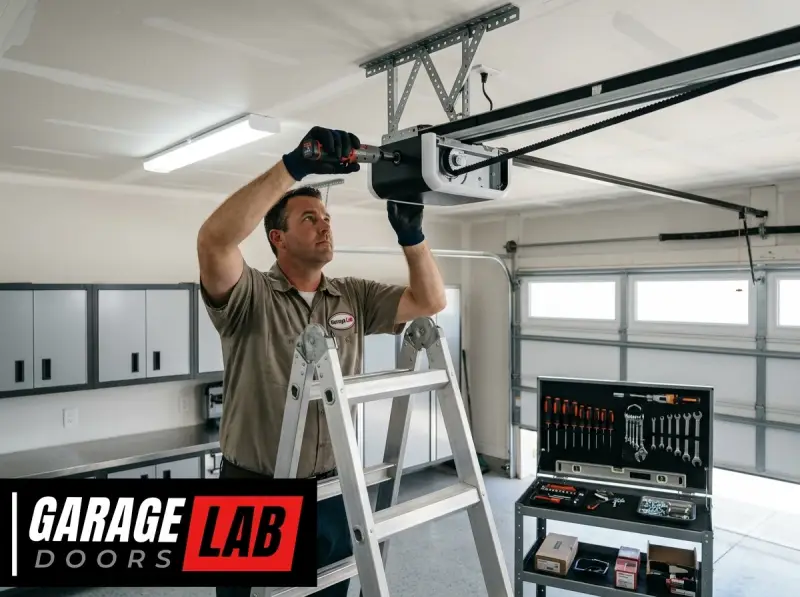
Installing a garage door opener is a significant upgrade that enhances convenience, security, and accessibility for any homeowner. While the allure of pushing a button to effortlessly open your garage door is strong, understanding the associated costs is crucial for budgeting and making an informed decision.
The price of installing a garage door opener isn’t a single, fixed number; it’s a spectrum influenced by various factors, from the type of opener you choose to the complexity of the installation itself.
This comprehensive guide will break down the various cost components involved in installing a garage door opener, helping you estimate the investment required. We’ll explore the pricing of different opener types, the impact of professional versus DIY installation, and additional factors that can affect the final bill.
By the end, you’ll have a clear picture of what to expect financially, enabling you to plan your garage door opener project with confidence.
Key Takeaways
- The average cost to install a garage door opener typically ranges from $300 to $800, including both the opener unit and professional installation.
- Opener unit prices vary significantly by type: Chain drives are the most affordable ($150-$300), belt drives are mid-range ($200-$400), and direct drive/smart openers are the most expensive ($300-$700+).
- Professional installation adds $150 to $350 to the total cost, depending on the complexity and local labor rates.
- DIY installation can save on labor costs but requires tools, time, and mechanical aptitude, with potential risks of error or damage.
- Additional costs may include reinforcement brackets ($20-$50), new wiring ($50-$150), safety sensor adjustments, or keypad/extra remotes ($30-$100 each).
- The type of garage door (weight, material, age) and the garage structure (ceiling height, framing) can influence installation difficulty and cost.
- Consider the horsepower (HP) of the opener, especially for heavier doors, as higher HP units may cost slightly more.
- Smart opener features like Wi-Fi connectivity, battery backup, and remote monitoring add to the unit’s cost but offer advanced convenience and security.

Credit: homeguide.com
Understanding The Components Of Garage Door Opener Installation Costs
The total cost of installing a garage door opener is a sum of several distinct elements. Primarily, you’re looking at the price of the opener unit itself and the cost of labor for its installation. However, several other factors can contribute to the overall expense, making it essential to consider each one.
The Garage Door Opener Unit Itself
This is often the largest single expense. Garage door openers are not one-size-fits-all, and the technology and features incorporated into the unit directly impact its price. The primary types of garage door openers, each with its own price bracket, are chain drive, belt drive, and screw drive.
More advanced options like direct drive and smart openers also exist.
- Chain Drive Openers: These are the most common and typically the most budget-friendly option. They operate using a metal chain that runs along a track, pulling or pushing the garage door. Their affordability makes them a popular choice, though they tend to be noisier than other types. Expect to pay between $150 and $300 for a chain drive opener unit.
- Belt Drive Openers: Similar in operation to chain drives, belt drive openers use a steel-reinforced rubber belt instead of a chain. This results in significantly quieter operation, making them ideal for attached garages or homes where noise is a concern. They are generally more expensive than chain drives, with prices ranging from $200 to $400 for the unit.
- Screw Drive Openers: These openers use a threaded steel rod to move the garage door. They offer a good balance of power and relatively quiet operation, though they can be less smooth than belt drives. Screw drive openers are often recommended for areas with extreme temperature fluctuations, as the consistent operation of the screw mechanism is less affected. Their cost typically falls between $250 and $450.
- Direct Drive Openers: In this system, the motor is inside the moving tube, making it very quiet and having fewer moving parts. This leads to a more streamlined and potentially more durable unit. Direct drive openers are usually on the higher end of the price spectrum, often ranging from $300 to $700+.
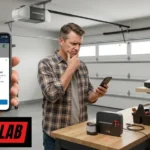
- Smart Openers: These advanced openers integrate with your home’s Wi-Fi network, allowing you to control your garage door remotely via a smartphone app. Features can include real-time alerts, battery backup, and integration with smart home systems. The cost for smart openers generally starts around $300 and can go upwards of $700, depending on the brand and specific features.
Professional Installation Labor Costs
While some homeowners with strong DIY skills might opt to install their garage door opener themselves, many prefer to hire a professional. Professional installation ensures the opener is fitted correctly, safely, and efficiently, backed by the installer’s expertise. The cost of professional installation varies based on several factors:
- Geographic Location: Labor rates differ significantly by region. Major metropolitan areas generally have higher labor costs than rural areas.
- Installer’s Experience and Reputation: Established companies with a strong track record might charge more than smaller, independent contractors.
- Complexity of the Installation: If your garage setup is unusual, requires extensive wiring, or needs structural modifications, the labor cost will increase.
- Time Required: While most installations take a few hours, unforeseen complications can extend the time, potentially increasing the final bill.
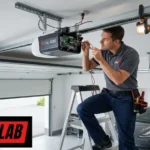
On average, you can expect professional installation to add $150 to $350 to the total cost. This typically includes the installer’s time, tools, and expertise to safely mount the opener, connect it to the door, set up the safety features, and program the remote controls.
Diy Installation: Savings Vs. Risks
Installing a garage door opener yourself can lead to significant savings on labor costs, potentially saving you $150 to $350. However, this path is not without its challenges and potential pitfalls.
- Required Tools: You’ll need a comprehensive set of tools, including a ladder, drill, various bits, wrenches, screwdrivers, a level, and potentially a stud finder and wire strippers. The cost of purchasing or renting these tools can add up.
- Time Commitment: Installation can take anywhere from 3 to 8 hours, depending on your experience level and the complexity of the job.
- Technical Skill: You need a good understanding of mechanical assembly and basic electrical wiring. Incorrect wiring can be a fire hazard or damage the opener.
- Safety Concerns: Garage doors are heavy and under tension. Improper handling during installation can lead to serious injury. Safety features like auto-reverse sensors must be installed and tested meticulously.
- Warranty Issues: Some manufacturers may void the warranty if the opener is not installed by a certified professional.
- Potential for Errors: Mistakes can lead to the opener not functioning correctly, damage to the opener or garage door, or safety hazards. In my experience, a common oversight is not properly reinforcing the header where the opener mounts, leading to sagging and performance issues.
If you decide to go the DIY route, ensure you have a clear, step-by-step manual and are comfortable with the technical aspects.
Credit: garageage.com
Factors Influencing The Total Cost
Beyond the opener unit and installation labor, several other elements can influence the final price you pay. These are often related to the specifics of your existing garage door and the structural requirements of the installation.
Garage Door Type And Condition
The type, weight, and condition of your existing garage door play a significant role in installation costs.
- Weight and Material: Heavier doors, such as those made of solid wood or insulated steel, require more powerful openers (higher horsepower). While the cost difference between opener horsepower may be minimal for the unit itself, a more powerful opener might be necessary, potentially pushing you into a higher price bracket.
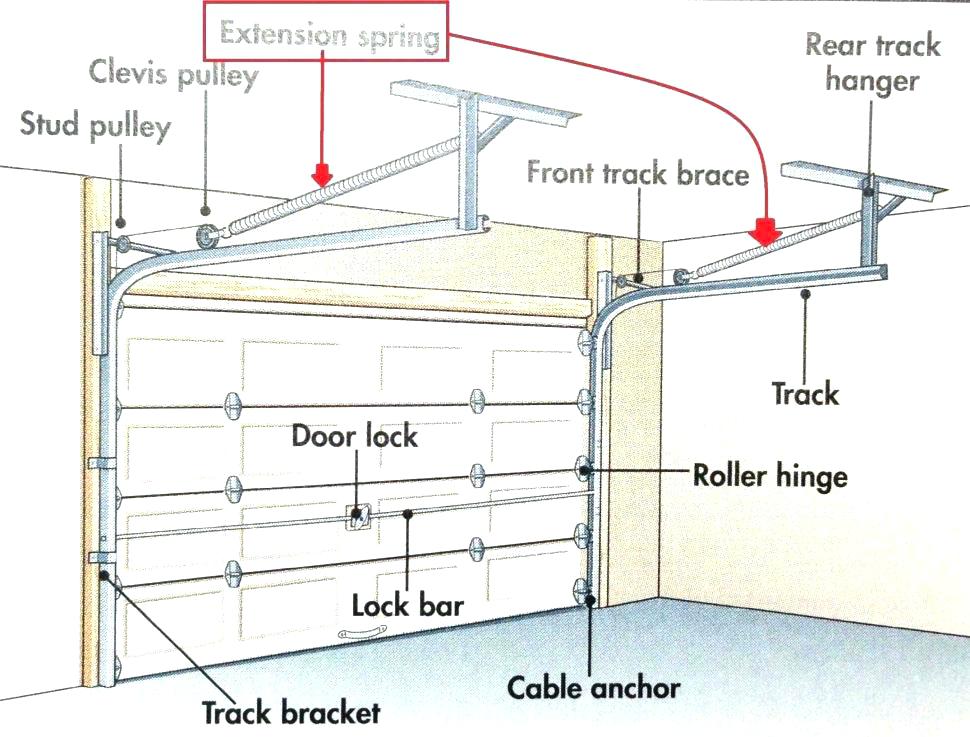
- Door Age and Condition: An older, worn-out garage door might have components that are not robust enough to handle the strain of an opener. The torsion springs, rollers, and tracks should be in good working order. If they are not, repairs or replacements might be needed before the opener can be installed, adding to the overall expense. For instance, if the torsion spring is weak, it will put extra strain on the new opener, potentially causing premature failure. A weak spring might need replacement, costing $150 to $300 for parts and labor.
- Door Balance: A properly balanced garage door should stay open halfway when manually lifted. If it’s unbalanced, it’s much harder on the opener. Balancing the door is a crucial step before opener installation, and if it’s off, it may require adjustment or spring replacement. You can learn more about garage door balance and maintenance in guides like How to Lube Garage Door Rollers for Smooth, Quiet Operation.
Garage Structure And Mounting Requirements
The physical structure of your garage can also affect installation costs.
- Ceiling Height and Obstructions: Openers are typically mounted to the garage ceiling. If you have a very high ceiling, longer mounting hardware might be needed. Obstructions like exposed pipes, ductwork, or low beams can complicate the mounting process, requiring custom brackets or rerouting, which increases labor time and cost.
- Header Reinforcement: The header beam above the garage door opening is where the opener’s mounting bracket is typically attached. If the header is not sufficiently strong or wide, it may need reinforcement with a steel angle iron or additional wood framing. This structural work adds material and labor costs, potentially ranging from $50 to $200 or more.
- Electrical Access: Garage door openers require a nearby electrical outlet. If there isn’t one within reach of the opener’s power cord, an electrician may need to be hired to install a new outlet and run wiring. This can add $100 to $300 to your bill, depending on the complexity of the wiring run.
Additional Accessories And Features
The base cost of an opener and installation can increase if you opt for additional accessories or features.
- Keyless Entry Keypads: These mount outside the garage door and allow entry using a PIN code. They typically cost between $30 and $100.
- Extra Remote Controls: Most openers come with one or two remotes. If you need more for additional vehicles or family members, each remote can cost between $30 and $60.
- Battery Backup: Essential for ensuring your garage door can still be operated during power outages, battery backups add to the opener’s cost, often $50 to $100 more for the unit.
- External Door Locks: For enhanced security, especially on older or less secure doors, an automatic garage door lock can be installed. These can range from $100 to $200.
- Smart Home Integration: If you want your opener to work seamlessly with systems like Alexa, Google Home, or Apple HomeKit, ensure you select a compatible smart opener. This feature is usually bundled into the higher-end opener prices.
Cost Breakdown: Averages And Ranges
To provide a clearer picture, let’s break down the typical costs associated with installing a garage door opener. These figures are averages and can fluctuate based on the factors previously discussed.
Average Cost By Opener Type
Here’s a table illustrating the estimated total cost for purchasing an opener unit and having it professionally installed, based on the type of opener.
| Opener Type | Unit Cost Range | Professional Installation Cost Range | Total Estimated Cost Range |
|---|---|---|---|
| Chain Drive | $150 – $300 | $150 – $300 | $300 – $600 |
| Belt Drive | $200 – $400 | $150 – $300 | $350 – $700 |
| Screw Drive | $250 – $450 | $150 – $300 | $400 – $750 |
| Direct Drive / Smart Opener | $300 – $700+ | $150 – $350 | $450 – $1050+ |
*Note: These figures are estimates and can vary significantly based on brand, specific features, and local market conditions.*
Diy Vs. Professional Installation Cost Comparison
The decision between DIY and professional installation presents a clear trade-off between cost savings and potential risks/hassles.
| Feature | DIY Installation | Professional Installation |
|---|---|---|
| **Labor Cost** | $0 (excluding tool rental/purchase) | $150 – $350 (average) |
| **Opener Unit Cost** | $150 – $700+ | $150 – $700+ |
| **Total Estimated Cost** | **$150 – $700+** (plus tools) | **$300 – $1050+** |
| **Time Investment** | 3-8 hours (potentially more if inexperienced) | 2-4 hours (scheduled appointment) |
| **Risk of Error/Damage** | Higher | Lower (covered by installer’s expertise/insurance) |
| **Warranty** | Potentially voided by manufacturer | Typically maintained or comes with installer warranty |
| **Tools Required** | Must own or rent | Provided by installer |
| **Expertise Needed** | High mechanical and electrical aptitude | Not required from homeowner |

Credit: homeguide.com
Real-world Examples And Considerations
To better illustrate the cost implications, let’s look at a couple of hypothetical scenarios.
Example 1: Standard Installation For A Mid-range Homeowner
- Homeowner: Sarah, who lives in a suburban neighborhood.
- Garage Door: A standard, single-car, insulated steel door, about 8×7 feet. It’s in good condition.
- Needs: Quiet operation due to an attached garage, Wi-Fi connectivity for remote monitoring.
- Choice: A belt drive smart opener (e.g., LiftMaster or Chamberlain Wi-Fi enabled model).
- Estimated Costs:
- Belt Drive Smart Opener Unit: $350
- Professional Installation: $250
- Optional: Additional remote: $40
- Total: $640
In this scenario, Sarah prioritizes quiet operation and modern smart features. She opts for professional installation to ensure it’s done correctly and to maintain any applicable warranties. The total cost falls within the mid-range of our estimates.
Example 2: Budget-conscious Diy Installation
- Homeowner: Mark, a homeowner comfortable with DIY projects.
- Garage Door: A standard, single-car, aluminum door, about 9×7 feet. It’s in good working order.
- Needs: Basic functionality, reliability, and cost savings.
- Choice: A chain drive opener (e.g., Chamberlain or Genie basic model).
- Estimated Costs:
- Chain Drive Opener Unit: $180
- Purchased Tools (if needed): $50 (e.g., a specific socket set or ladder)
- Total: $230
Mark chooses the most affordable opener type and decides to tackle the installation himself. He already owns most of the necessary tools, so his additional expense is minimal. He saves approximately $150-$300 on labor but assumes the risks associated with DIY installation.
When To Hire A Professional Vs. Diy
The decision to install a garage door opener yourself or hire a professional hinges on a few key considerations.
Reasons To Hire A Professional:
- Lack of Experience: If you’re not comfortable with mechanical tasks or electrical wiring, professional installation is the safest and most reliable route.
- Time Constraints: If you have a busy schedule, professional installation saves you the time and effort required for a DIY project.
- Complex Installations: Garages with unusual layouts, high ceilings, or structural issues often require professional expertise.
- Warranty Concerns: To ensure the manufacturer’s warranty remains valid, professional installation is often recommended.
- Safety Assurance: Professionals are trained to handle the heavy components of garage doors and openers safely, minimizing the risk of injury.
- Troubleshooting: If issues arise during installation, a professional has the knowledge to diagnose and fix them.
Reasons To Consider Diy Installation:
- Cost Savings: The primary motivation for DIY is to save money on labor costs.
- Mechanical Aptitude: If you enjoy hands-on projects and have a good understanding of how things work, you might find the installation straightforward.
- Availability of Tools: Having the necessary tools readily available makes the DIY process much smoother.
- Simple Installation: For standard garages with straightforward setups, a DIY installation can be manageable. You can find resources like How to Adjust Chain on Garage Door Opener for Smooth Operation to help with related tasks.
- Learning Experience: Some homeowners enjoy the challenge and satisfaction of completing a project themselves.
Potential Hidden Costs And What To Watch Out For
While the main costs are usually clear, some less obvious expenses can crop up. Being aware of these can help you avoid surprises.
Reinforcement And Structural Modifications
As mentioned, your garage’s header beam might need reinforcement. This is a common requirement, especially in older homes or with heavier garage doors. A professional installer will identify this need during the assessment. If the mounting surface is not solid wood or steel, you might need to add blocking or a stronger bracket.
Electrical Work
If your garage lacks a conveniently located electrical outlet, you’ll need to hire an electrician. The cost can vary based on the distance from your breaker box and the complexity of running the new wire. Always get a quote from an electrician beforehand.
Existing Opener Removal And Disposal
If you are replacing an old opener, factor in the cost or effort of removing it. Some professional installers include this service in their quote, while others may charge an additional fee, typically $50 to $100, for removal and proper disposal.
Miscalculations In Opener Size/power
Choosing an opener that is too weak for your garage door can lead to premature wear and tear or outright failure. This is particularly true for heavy wooden doors or double garage doors. Always ensure the opener’s horsepower (HP) is adequate, usually 1/2 HP or 3/4 HP for most residential doors.
While the cost difference between HP ratings might be small for the unit itself, it’s a crucial factor in long-term performance.
Safety Feature Upgrades
While standard safety features like photo-eye sensors are usually included, you might want to upgrade to newer, more sensitive models or add features like automatic locks for enhanced security. These upgrades will add to the overall cost.
Frequently Asked Questions
How Long Does It Typically Take To Install A Garage Door Opener?
A professional installer can usually complete the installation of a standard garage door opener in 2 to 4 hours. A DIY installation can take significantly longer, ranging from 3 to 8 hours or more, especially if you encounter unforeseen issues or are unfamiliar with the process.
Are Chain Drive Openers Really That Much Louder Than Belt Drive Openers?
Yes, chain drive openers are generally noticeably louder because the metal chain moving along the metal rail creates more noise and vibration. Belt drive openers use a rubber belt, which operates much more quietly and smoothly, making them a preferred choice for attached garages or homes where noise is a concern.
Can I Install A Garage Door Opener On Any Type Of Garage Door?
Most standard residential garage doors (single or double panel, sectional) can accommodate a garage door opener. However, very old, extremely heavy, or unusually designed doors might require special considerations, reinforced mounting, or a more powerful opener. It’s always best to have a professional assess your specific door type and condition before purchasing an opener.
What Is The Most Important Safety Feature Of A Garage Door Opener?
The most critical safety feature is the auto-reverse function. This system uses either safety sensors (photo-eyes) near the bottom of the door track or a force-sensing mechanism in the opener itself. If the door encounters an obstruction while closing, the auto-reverse system will detect it and immediately stop and reverse the door’s motion, preventing injury to people or pets and damage to property. It is vital that this feature is correctly installed and tested regularly.
How Much Does It Cost To Replace An Existing Garage Door Opener?
Replacing an existing garage door opener typically costs $300 to $800, similar to installing a new one. This includes the cost of the new opener unit and professional installation. The labor might be slightly