Now Reading: How to Fix a Squeaky Garage Door: Easy Steps for a Quiet Home
- 01
How to Fix a Squeaky Garage Door: Easy Steps for a Quiet Home

A squeaky garage door can turn a peaceful morning into an annoying ritual. That loud, grating sound every time you open or close the door is not just bothersome—it’s a sign that something isn’t working as smoothly as it should.
Ignoring it can make things worse, possibly leading to expensive repairs. The good news? With some simple tools and a bit of time, you can often fix a squeaky garage door yourself and restore quiet to your home.
This guide explains, in clear and practical steps, how to silence a squeaky garage door. You’ll learn why garage doors squeak, the tools and lubricants you’ll need, how to spot worn parts, and what to do if a quick fix isn’t enough.
Even if you’ve never fixed a garage door before, this article will walk you through everything you need to know.
Why Do Garage Doors Squeak?
Garage doors move up and down many times a week. Over time, metal parts rub against each other, causing friction. Dirt, rust, and lack of lubrication make things worse. These are the main reasons your garage door starts to squeak:
- Dry hinges: Hinges allow the door sections to bend as the door opens and closes. Without oil, metal-on-metal contact makes noise.
- Worn rollers: Rollers guide the door along the tracks. When they dry out or get damaged, they squeak and grind.
- Loose hardware: Nuts, bolts, and screws can loosen with vibrations, leading to rattling and squeaking.
- Track problems: Bent or dirty tracks cause the rollers to drag, making harsh sounds.
- Spring issues: Torsion or extension springs may squeak when rusty or dry.
- Weather conditions: Humidity and temperature changes can cause parts to expand, contract, or rust, adding to the noise.
A squeak is your garage door’s way of asking for attention. Early action can prevent bigger issues later.
Tools And Supplies You’ll Need
Before you start, gather the right tools and products. Using the correct supplies makes the job safer and more effective. Here’s what you’ll need:
- Socket set or wrench
- Screwdrivers (Phillips and flat-head)
- Garage door lubricant (not WD-40)
- Clean rags or towels
- Step ladder
- Protective gloves
- Safety glasses
- Replacement rollers or hinges (if needed)
- Vacuum or brush (for cleaning tracks)
- Penetrating oil (for rust)
- Mild detergent and water
Pro tip: Choose a silicone-based or lithium-based lubricant made for garage doors. Regular WD-40 is a cleaner, not a long-term lubricant, and can actually wash away grease.
Safety First: Preparing For The Job
Garage doors are heavy. The springs, especially, are under high tension and can be dangerous. Always put safety first:
- Disconnect the garage door opener. Unplug it or switch it off.
- Lift the door manually. Make sure it stays open on its own or use locking pliers to hold it in place.
- Wear gloves to protect your hands from sharp edges.
- Avoid touching the springs if you’re not trained. Torsion springs are powerful and can cause injury.
Never put your fingers in places where they could be pinched by moving parts.
Step-by-step: How To Fix A Squeaky Garage Door
Now let’s get hands-on. This section guides you through each important area to check and fix. Work methodically from one end of the door to the other.
1. Inspect Hinges And Pins
Open and close the door slowly. Watch and listen to where the squeak is coming from. Most often, it’s the hinges between door panels.
- Check for loose screws or bolts. Tighten with a wrench or screwdriver.
- Look for rust or wear. If a hinge is cracked, bent, or missing parts, it needs replacing.
- Wipe off any dirt or old grease with a dry rag.
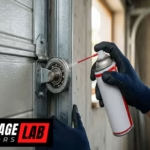
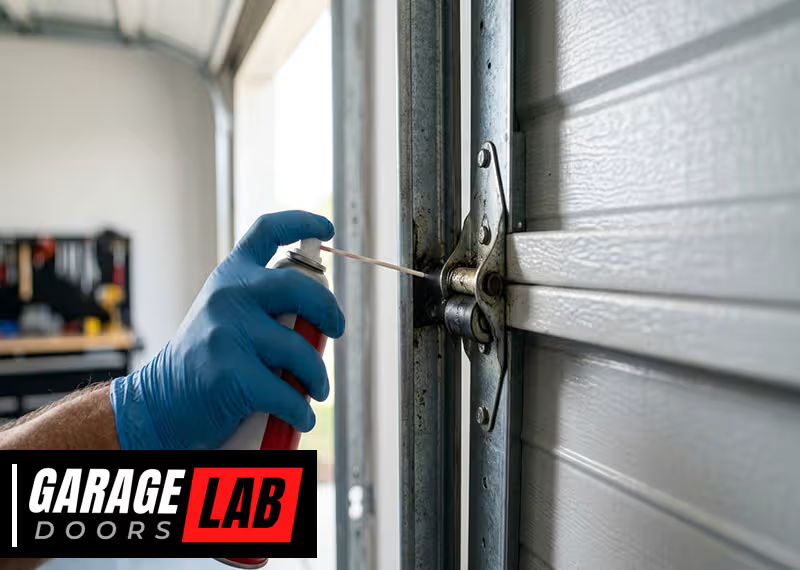
Apply a small amount of garage door lubricant to the moving part of each hinge. Open and close the door a few times to work the lubricant in.
Non-obvious insight: Some garage door hinges have nylon bushings. If these are worn out, lubricating won’t help—you’ll need to replace the hinge.
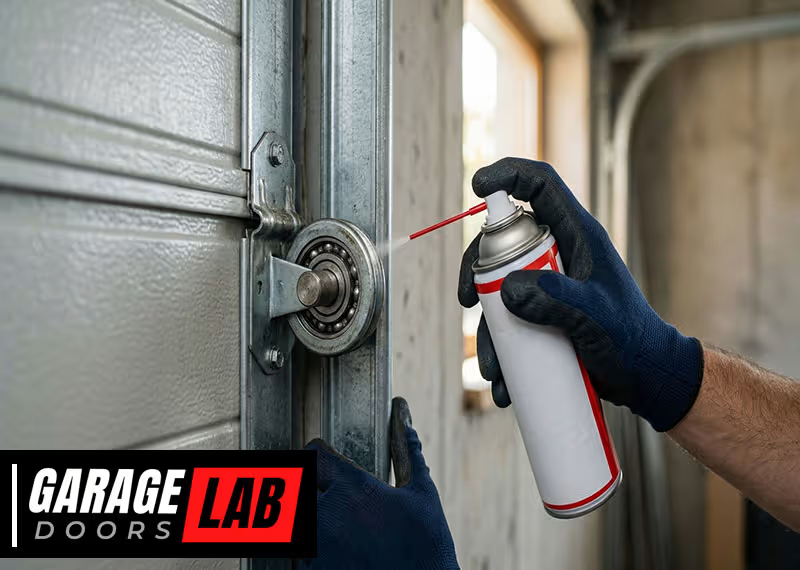
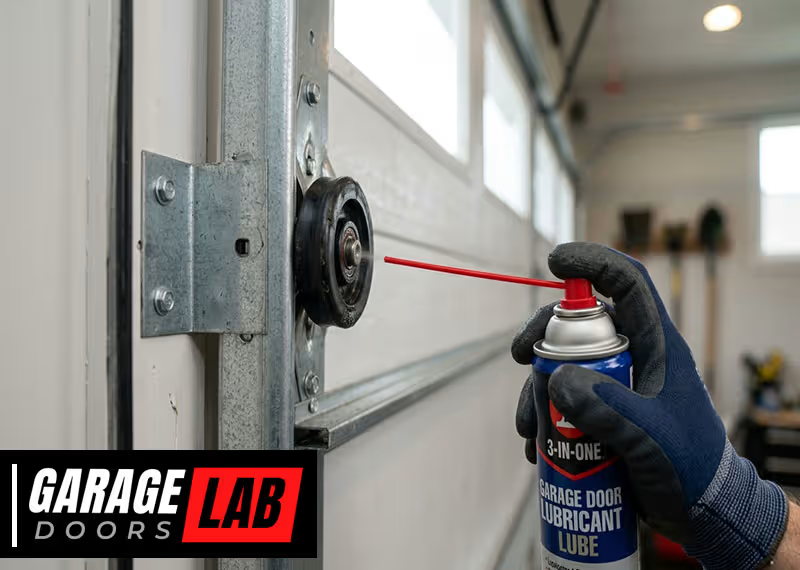
2. Rollers: Lubricate Or Replace
The rollers are wheels that run inside the metal tracks. They’re a common source of squeaks.
- Check if the rollers are metal or nylon. Metal ones can be lubricated; nylon rollers with sealed bearings do not need lube and may squeak if they’re worn out.
- Spin each roller by hand. If it feels rough, grinds, or wobbles, replace it.
- Spray lubricant into the roller bearings. Avoid getting oil on the wheel’s plastic part if it’s a nylon roller.
If rollers are very old or noisy after lubrication, it’s best to replace them with nylon rollers with sealed bearings. These are quieter and last longer.
Practical tip: Don’t use WD-40 or heavy grease on rollers. It attracts dust, making squeaks worse over time.
3. Tracks: Clean And Check Alignment
Dirty or bent tracks make rollers drag and squeak.
- Wipe down the tracks with a damp rag and mild detergent.
- Remove any debris, cobwebs, or built-up grease.
- Check if the tracks are straight and parallel. Use a level to see if they’re even.
- Look for dents or bends. Slight bends can sometimes be fixed by gently tapping with a rubber mallet.
Do not lubricate the tracks themselves. Tracks should be clean and dry so the rollers can move smoothly.
4. Springs: Silence And Safety
Most garage doors have torsion springs above the door or extension springs along the sides. Both can squeak if they’re rusty or dry.
- Stand clear of the springs and spray a light coat of garage door lubricant on the coils.
- Open and close the door to spread the lubricant.
Never try to adjust or replace springs yourself. If you see broken or very rusty springs, call a professional.
Non-obvious insight: Springs that squeak a lot may be nearing the end of their life. Squeaking can be an early warning sign of failure.
5. Tighten All Hardware
Garage doors vibrate during use, which can loosen nuts, bolts, and screws.
- Check all brackets, hinges, and supports.
- Use a wrench or socket set to snug every connection. Don’t overtighten—just make sure nothing is wobbly.
- Replace missing or damaged fasteners.
Loose hardware causes both squeaks and shaking, which can damage the door over time.
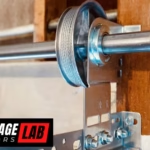
6. Pulleys And Cables
If your door uses extension springs, it also has pulleys and cables. These can squeak if dirty or dry.
- Check pulleys for smooth movement and visible wear.
- Apply a small amount of lubricant to the center of each pulley.
- Inspect cables for fraying. Don’t oil the cables—just the pulleys.
If you see any damage to cables, call a professional. Broken cables can cause the door to fall suddenly.
7. Garage Door Opener
Sometimes the noise comes from the garage door opener mechanism, not the door itself.
- Listen for squeaks when the opener is running.
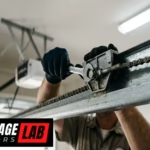
- Check the opener’s chain or screw drive.
- Lubricate the chain with garage door lubricant if it’s dry. Some openers have a screw or belt drive that needs special care—check your manual.
Pro tip: Do not lubricate a belt-drive opener with oil. Use only manufacturer-recommended products.
8. Weatherstripping And Seals
Worn or dry weatherstripping at the bottom or sides of the door can squeak as it rubs against the frame or floor.
- Inspect the rubber or vinyl seals for cracks or stiffness.
- Clean with mild soap and water.
- Apply a silicone-based spray to keep them flexible.
If the seal is damaged or hard, replace it to keep out drafts and noise.
9. Address Rust And Corrosion
Rust makes metal parts squeak and wear out faster.
- Use a wire brush to remove surface rust from hinges, rollers, or tracks.
- Wipe clean and apply a thin layer of lubricant.
- For stubborn rust, use a penetrating oil, let it soak, then scrub again.
If a part is badly rusted or pitted, replacement is safer than repair.
10. Test And Fine-tune
After lubricating and tightening, test the door several times.
- Open and close the door by hand and with the opener.
- Listen for any remaining squeaks and note their location.
- Repeat lubrication on noisy spots.
If the squeak is gone, you’ve succeeded. If not, retrace your steps—sometimes a second round of lubrication is needed.
Common Mistakes To Avoid
Fixing a squeaky garage door is usually simple, but these mistakes can make things worse or even dangerous:
- Using the wrong lubricant: Regular WD-40, 3-in-1 oil, or thick grease can attract dirt or damage nylon parts.
- Over-lubricating: Excess oil drips, attracts dust, and makes a mess.
- Ignoring worn parts: Lubrication helps, but broken rollers, hinges, or springs need replacement.
- Forgetting safety: Doors are heavy and springs are dangerous. Don’t skip safety steps.
- Skipping regular checks: Fixing the squeak once isn’t enough. Regular maintenance prevents future noise and damage.
How Often Should You Lubricate And Maintain?
Regular maintenance keeps your garage door quiet and extends its life. But how often should you do it?
| Part | Maintenance Frequency | What to Do |
|---|---|---|
| Hinges and rollers | Every 3-6 months | Lubricate and check for wear |
| Tracks | Every 6 months | Clean and check alignment |
| Springs | Every 6-12 months | Light lubrication |
| Opener chain/screw | Every 6-12 months | Lubricate as needed |
| Weatherstripping | Once a year | Clean and inspect |
Tip: Mark your calendar or set a phone reminder so you don’t forget these simple tasks.

When To Call A Professional
Most squeaks are easy to fix, but some problems need expert help. Call a garage door technician if you notice:
- Broken springs: These are dangerous and require special tools.
- Frayed or broken cables
- Door won’t stay open or falls quickly
- Severe rust or bent tracks
- No improvement after lubrication and tightening
Garage door professionals have the right tools and experience for complex repairs.
Comparing Lubricants For Garage Doors
Choosing the right lubricant makes a big difference. Here’s a comparison of common types:
| Type | Best For | Pros | Cons |
|---|---|---|---|
| Silicone spray | Hinges, rollers, weatherstripping | Doesn’t attract dust, lasts long | Can be pricier |
| White lithium grease | Metal parts, opener chains | Stays in place, good protection | Messier to apply |
| WD-40 | Removing rust, cleaning | Good for loosening parts | Not a long-term lubricant |
| 3-in-1 oil | Small pivots, hinges | Easy to find | Attracts dust, not for heavy use |
Best practice: Use a silicone or white lithium spray made for garage doors. Avoid household oils for lasting results.

Cost Of Fixing A Squeaky Garage Door
Doing it yourself is usually cheap—just the cost of lubricant and maybe a few replacement parts.
| Item | Estimated Cost (USD) | DIY or Pro |
|---|---|---|
| Garage door lubricant | $6 – $12 | DIY |
| Nylon rollers (set of 10) | $15 – $30 | DIY |
| Replacement hinge | $5 – $10 each | DIY |
| Professional tune-up | $80 – $150 | Pro |
| Spring replacement | $100 – $350 | Pro |
Insight: Regular DIY maintenance can save you hundreds of dollars in repairs over the life of your garage door.
Examples: Real-life Fixes
Example 1: Sarah’s garage door began squeaking loudly every morning. She checked the hinges and found they were dry and slightly loose. After tightening the screws and spraying silicone lubricant on each hinge and roller, the noise disappeared.
Example 2: Mike noticed a grinding sound coming from the right side of his garage door. On inspection, one roller was wobbly and rusty. He replaced the roller with a nylon one, lubricated the rest, and his door ran quietly again.
Non-obvious insight: Fixing a squeaky door often reveals other small problems, such as loose bolts or worn weatherstripping. Use maintenance time to do a full check.
Preventing Squeaks: Long-term Tips
A quiet garage door is not just about fixing squeaks when they appear. Preventive care keeps your door running smoothly for years.
- Schedule regular maintenance every six months.
- Choose quality replacement parts like nylon rollers with sealed bearings.
- Keep the area clean, including tracks and floor.
- Check door balance by lifting the door halfway—if it moves, the springs may need adjustment.
- Protect from weather by keeping seals in good condition.
Proactive care means fewer surprises and less hassle.

Frequently Asked Questions
Why Does My Garage Door Squeak Even After I Lubricate It?
If your door is still noisy after lubrication, the problem could be worn-out rollers or hinges, loose hardware, or a misaligned track. Lubrication helps, but it can’t fix broken or damaged parts. Check these areas and replace anything that looks worn.
Can I Use Wd-40 To Fix My Squeaky Garage Door?
WD-40 is a good cleaner and can help remove rust or loosen stuck parts. However, it’s not a long-lasting lubricant for garage doors. For best results, use a silicone-based or white lithium grease specifically made for garage doors.
Is It Dangerous To Fix Garage Door Springs Myself?
Yes, garage door springs are under high tension and can cause serious injury if handled incorrectly. Never try to replace or adjust springs yourself. Always call a professional for spring repairs.
How Often Should I Lubricate My Garage Door?
Lubricate all moving parts (hinges, rollers, springs) every 3 to 6 months. Regular maintenance keeps your door quiet and prevents bigger problems.
What’s The Best Way To Keep My Garage Door Quiet All Year?
Regularly check and tighten hardware, use the right lubricant, keep tracks clean, and replace worn parts as needed. A little care goes a long way. For more detailed advice, check the Family Handyman Garage Door Maintenance Guide.
A squeaky garage door is more than an annoyance—it’s a call for care. With the right tools and these steps, you can silence the noise and keep your garage running smoothly. Regular maintenance not only gives you peace and quiet but also extends the life of your garage door, saving you money and stress for years to come.