
Now Reading: How to Garage Door: Easy DIY Fixes Every Homeowner Should Know
- 01
How to Garage Door: Easy DIY Fixes Every Homeowner Should Know

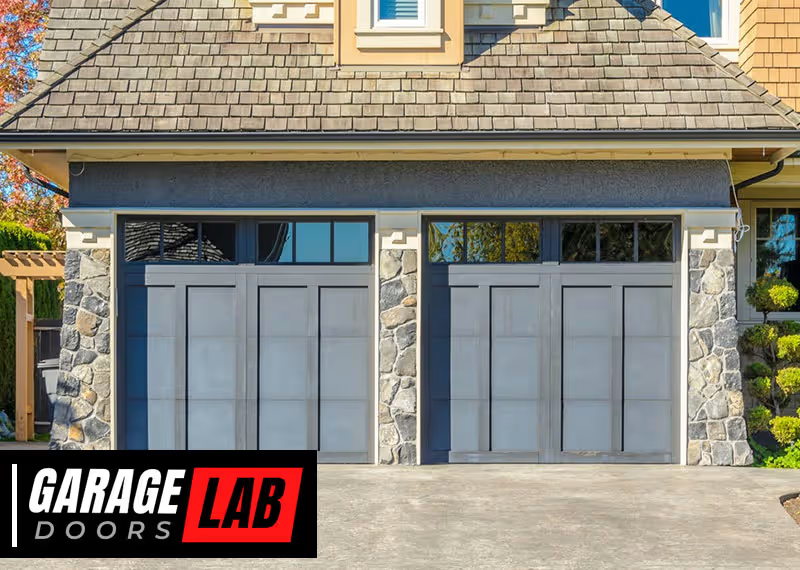
Garage doors are an essential part of many homes. They protect vehicles, tools, and belongings from weather and theft. But many people find garage doors confusing. They seem simple, but there’s a lot to know about choosing, installing, maintaining, and repairing them.
If you want to understand how to garage door—from buying the right type to fixing common problems—this guide is for you.
Whether your goal is a new door, a repair, or just learning how to keep your garage safe, this article will cover everything you need. You’ll find clear explanations, practical steps, and tips that even many homeowners miss. By the end, you’ll feel confident about your garage door decisions and actions.
Understanding Garage Door Types
Garage doors come in several styles and materials. Picking the right one is the first step toward a smooth experience.
Main Garage Door Styles
1. Sectional Doors
These are the most common in the US. They have horizontal panels that move up and overhead on tracks. They’re reliable and fit many garages.
2. Roll-up Doors
Usually seen in commercial garages, these are made of narrow steel slats. They roll into a coil above the door opening. They’re tough and save space but cost more.
3. Side-hinged Doors
These swing open like big barn doors. They’re easy to use and give a traditional look, but they need more outside space to open.
4. Tilt-up Canopy Doors
The whole door tilts up and out as one piece, forming a canopy outside the garage when open. They’re simple but can hit things outside.
5. Tilt-up Retractable Doors
Similar to the canopy style, but they slide fully into the garage ceiling. They need more space inside the garage.
Garage Door Materials
- Steel is strong, affordable, and low-maintenance. It can rust if scratched.
- Wood looks beautiful and classic but needs regular painting or staining. It’s heavier and more expensive.
- Aluminum resists rust and is lightweight but can dent more easily.
- Fiberglass handles weather well and won’t rust, but it can crack in cold climates.
- Vinyl is durable and low-maintenance, but the style choices are limited.
Table: Comparing Garage Door Materials
| Material | Durability | Maintenance | Cost | Insulation |
|---|---|---|---|---|
| Steel | High | Low | Medium | Good |
| Wood | Medium | High | High | Excellent |
| Aluminum | Medium | Low | Medium | Fair |
| Fiberglass | Medium | Low | Medium | Fair |
| Vinyl | High | Low | Medium | Good |
What Most People Miss
Many buyers focus on looks and price. But insulation is very important, especially if your garage is attached to your house. A well-insulated door keeps your home warmer in winter and cooler in summer. Also, always check the wind resistance rating if you live in a storm-prone area.
Choosing The Right Garage Door For Your Home
Selecting the best garage door is more than picking a color or material. Think about these key factors:
Size And Fit
Measure your garage opening accurately. Standard single doors are 8 or 9 feet wide and 7 or 8 feet high. Double doors are usually 16 feet wide. Measure width and height, but also check for headroom (space above the opening) and backroom (space inside the garage for the door to move).
Insulation Value
If you use your garage for work, storage, or as a laundry area, get a door with a high R-value (insulation rating). This saves energy and makes the garage more comfortable.
Safety And Security
Modern garage doors should have strong locks and sensors to prevent accidents. If you have children or pets, look for pinch-resistant panels and auto-reverse features.
Style And Curb Appeal
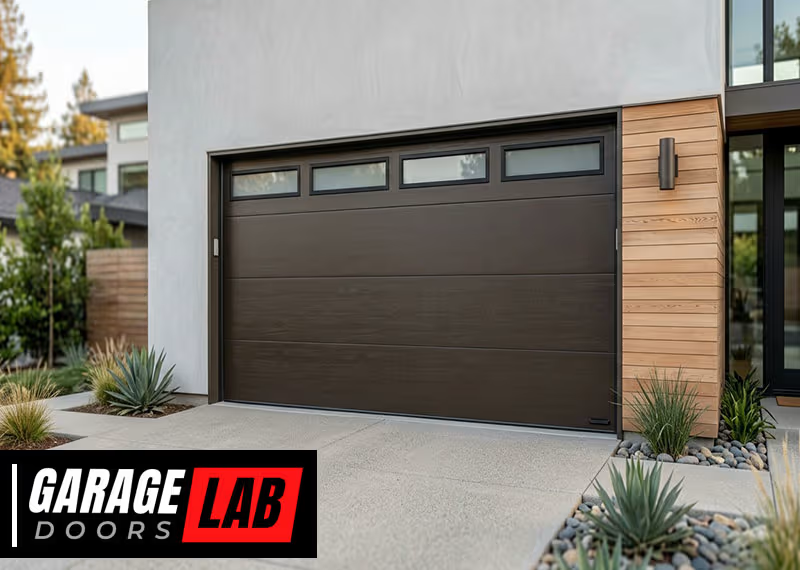
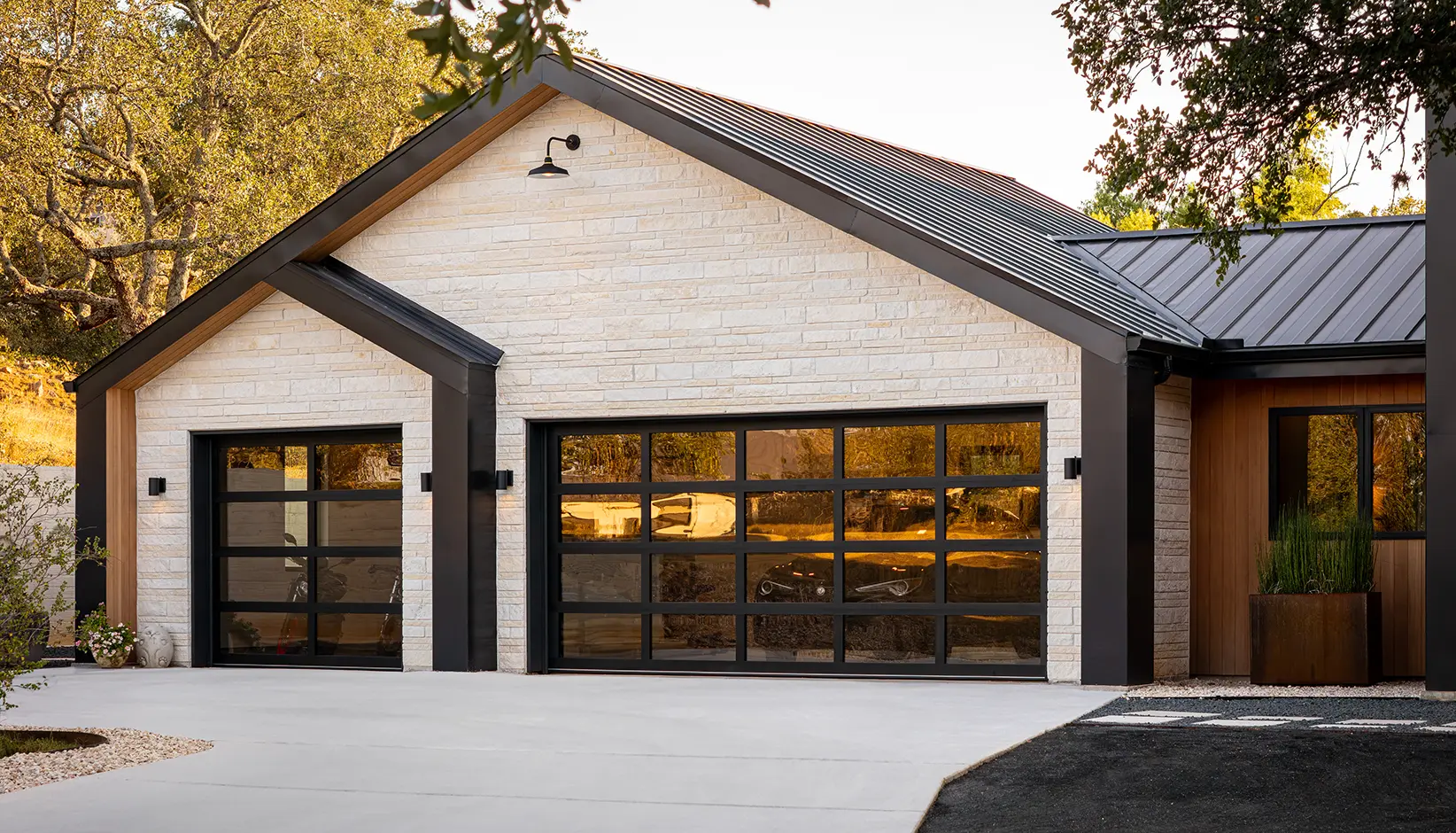
Your garage door is a big part of how your house looks from the street. Match the style and color with your home’s design. For example, carriage doors look great on classic homes, while sleek aluminum fits modern houses.
Cost
Garage doors range from $600 to $4,500 (or more) installed, depending on the size, material, insulation, and opener system.
Table: Sample Garage Door Costs
| Type | Material | Single Door (installed) | Double Door (installed) |
|---|---|---|---|
| Sectional | Steel (basic) | $800–$1,500 | $1,600–$2,800 |
| Carriage | Wood | $1,200–$2,500 | $2,400–$4,500 |
| Roll-up | Aluminum | $900–$2,000 | $1,800–$3,500 |
Expert Tip
Don’t just compare price tags. Ask about warranty and installation quality. A cheap door installed poorly will cost more in the long run.
Credit: www.clopaydoor.com
How To Install A Garage Door
Installing a garage door is a big job, but you can do it yourself if you’re handy and have basic tools. If you’re not comfortable, it’s best to hire a pro. Here’s a simplified guide:
Tools And Supplies Needed
- Tape measure
- Level
- Wrenches and sockets
- Power drill
- Screwdrivers
- Stepladder
- New garage door kit (with all hardware)
- Helper (for safety)
Steps To Install A Sectional Garage Door
1. Remove The Old Door
Unplug the opener. Take out springs carefully—these are under high tension and can be dangerous. Remove the old panels and hardware.
2. Install The Bottom Panel
Place the bottom panel in the opening. Use shims to keep it level. Secure the brackets as directed.
3. Add The Other Panels
Stack the next panel above the first. Secure with hinges. Repeat for all panels.
4. Attach Tracks And Rollers
Install the vertical tracks on each side. Insert the rollers into the track and panel hinges.
5. Assemble And Install The Spring System
This is the most dangerous step. If you’re unsure, get a pro’s help. Torsion springs are wound tightly and can cause serious injury.
6. Install The Opener (if Needed)
Mount the opener to the ceiling. Connect the arm to the door. Adjust the settings for open/close positions.
7. Test The Door
Open and close the door by hand first. Make sure it moves smoothly. Then test the opener.
Common Mistakes
- Not leveling the tracks—this makes the door jam.
- Using the wrong spring—can cause the door to slam or not stay open.
- Forgetting safety cables on extension springs—this can lead to accidents.
Real-world Insight
Many first-timers rush installation and skip reading the manual. Take your time, double-check steps, and don’t hesitate to call for help with the springs.
Maintaining Your Garage Door
A garage door is like a car—it needs care to keep working well. Regular maintenance prevents big repairs and keeps your door safe.
Monthly Inspection Checklist
- Visual check: Look for rust, cracks, or damage on panels, tracks, and hardware.
- Test balance: Disconnect the opener. Lift the door halfway. It should stay put. If not, springs may need adjusting.
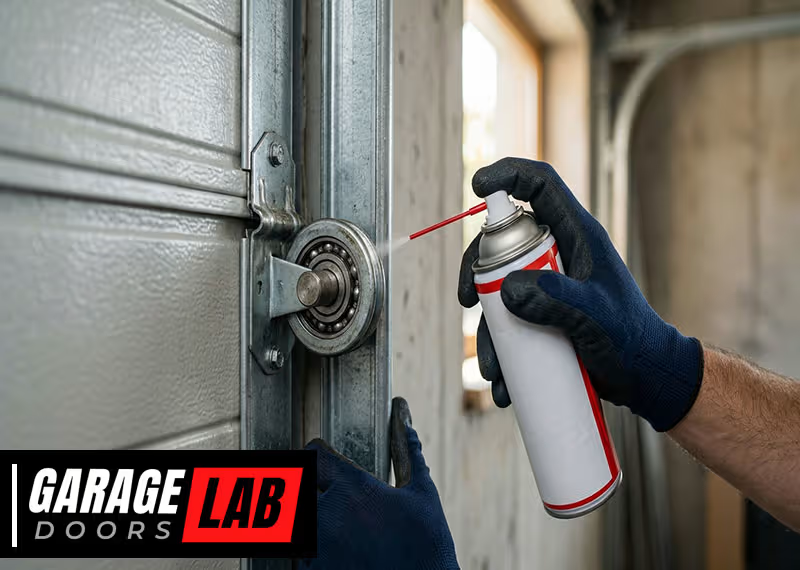
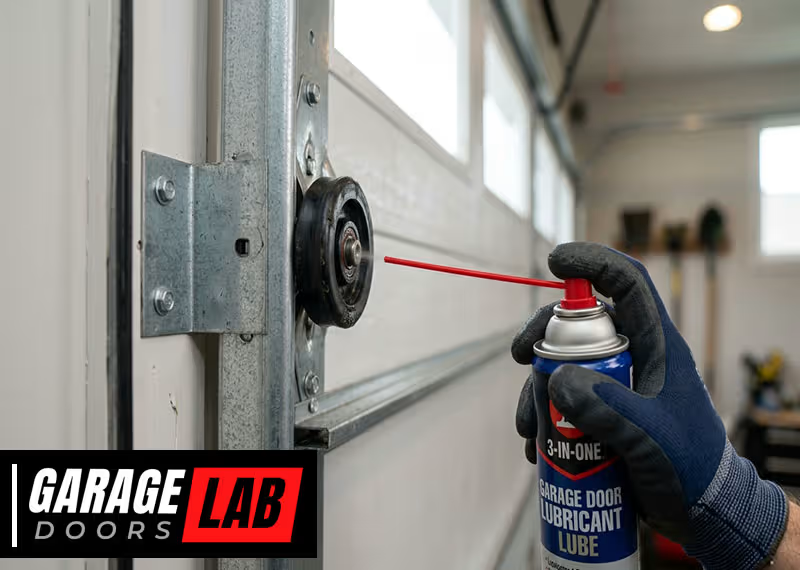
- Lubricate moving parts: Use garage door lubricant on rollers, hinges, springs, and tracks.
- Check weatherstripping: Replace if cracked or missing to keep out drafts and pests.
- Test auto-reverse: Place a block under the door and close it. The door should reverse when it touches the object.
Seasonal Tasks
- Tighten all bolts and screws.
- Clean tracks with a damp cloth.
- Paint or seal wood doors to protect from moisture.
- Clear leaves and debris from the door path.
Table: Garage Door Maintenance Schedule
| Task | Frequency | Notes |
|---|---|---|
| Lubricate hardware | Every 3 months | Use silicone-based lubricant |
| Check balance | Every 6 months | Door should stay halfway open |
| Inspect weatherstripping | Every 6 months | Replace if worn or cracked |
| Test auto-reverse | Monthly | For safety, especially with children |
| Clean tracks | As needed | Remove dust and debris |
Commonly Missed Maintenance
Most homeowners forget to check the photo-eye safety sensors. These little boxes near the floor should be clean and lined up. If blocked or dirty, your door might not close.
Common Garage Door Problems And How To Fix Them
Garage doors are used every day, so problems can happen. Here’s how to handle the most common issues.
1. Door Won’t Open Or Close
- Check the opener: Is it plugged in? Are the batteries in the remote fresh?
- Inspect the sensors: Clean and align the photo-eyes.
- Manual release: Pull the emergency cord to open the door by hand if needed.
2. Noisy Operation
- Lubricate: Squeaks often mean dry rollers or hinges. Use a good lubricant.
- Check for loose parts: Tighten all bolts.
- Replace metal rollers: Consider nylon rollers for quieter movement.
3. Door Is Off Balance
If the door is hard to lift or slams down, the springs may need adjusting. This is a job for a pro—springs can be dangerous.
4. Remote Control Doesn’t Work
- Replace batteries.
- Reprogram the remote: Check the manual for steps.
- Check for signal interference: LED lights or nearby electronics can block the signal.
5. Door Opens By Itself
- Check the opener codes: Older openers may share codes with neighbors. Modern systems use rolling codes for security.
- Inspect the wiring: Short circuits can send false signals.
6. Damaged Panels
Small dents can often be popped out from behind. For bigger damage, you may need to replace a panel or the whole door.
7. Broken Springs Or Cables
If you hear a loud bang and the door stops working, a spring may have snapped. Do not try to fix this yourself. Call a professional.
Non-obvious Fix
Sometimes, garage doors fail due to simple sensor misalignment or a power surge resetting the opener settings. Before calling a repair service, unplug the opener for 30 seconds and plug it back in to reset the system.
Garage Door Opener Systems
A garage door opener makes life easier. But not all openers are the same. Here’s what to know:
Types Of Openers
- Chain-drive: Uses a metal chain; affordable and strong but can be noisy.
- Belt-drive: Uses a rubber belt; very quiet, great for garages next to bedrooms.
- Screw-drive: A threaded rod moves the door; less maintenance, but can be noisy.
- Direct-drive: The motor moves with the door; very quiet and smooth.
Key Features To Consider
- Horsepower: 1/2 HP is enough for most single doors; 3/4 HP or higher for heavy or double doors.
- Smart features: Many openers connect to Wi-Fi for remote control via smartphone.
- Battery backup: Lets you open the door during a power outage.
- Security lights: Automatic lights help you see at night.
Table: Garage Door Opener Comparison
| Type | Noise Level | Maintenance | Cost | Best For |
|---|---|---|---|---|
| Chain-drive | High | Medium | Low | Detached garages |
| Belt-drive | Low | Low | Medium | Attached garages |
| Screw-drive | Medium | Low | Medium | All garages |
| Direct-drive | Very low | Very low | High | Luxury/quiet needs |
Professional Insight
Many people buy openers based only on price. But if your garage is under a bedroom or living area, spending more on a quiet belt-drive or direct-drive system is worth it.
Credit: www.clopaydoor.com
Garage Door Safety
Garage doors are heavy, often weighing 150–300 pounds. Unsafe doors can hurt people or damage property. Here’s how to keep things safe:
Safety Features
- Auto-reverse sensors: Required on all openers since 1993. If the door hits something, it should reverse.
- Manual release: Lets you open the door by hand during power failures.
- Pinch-resistant panels: Reduce the risk of finger injuries.
Best Practices
- Keep remote controls out of children’s reach.
- Never walk or drive under a moving door.
- Inspect cables and springs for wear.
- Teach family members how to use the emergency release.
What Many People Miss
Garage door springs have a limited life, usually 10,000 cycles (openings/closings). After this, they can break suddenly. Replacing old springs before they break can prevent accidents.
Upgrading And Modernizing Your Garage Door
A modern garage door adds value and convenience. Here’s how you can upgrade:
Insulation
If your door is not insulated, add insulation panels. This improves comfort and lowers energy bills.
Smart Technology
Install a smart opener. You can open or close your garage from your phone, get alerts, and even see if you forgot to close the door.
Improved Lighting
Add LED lights inside the garage or on the opener for better visibility.
Security Upgrades
Install a keypad entry system or motion-activated cameras for extra security.
Decorative Hardware
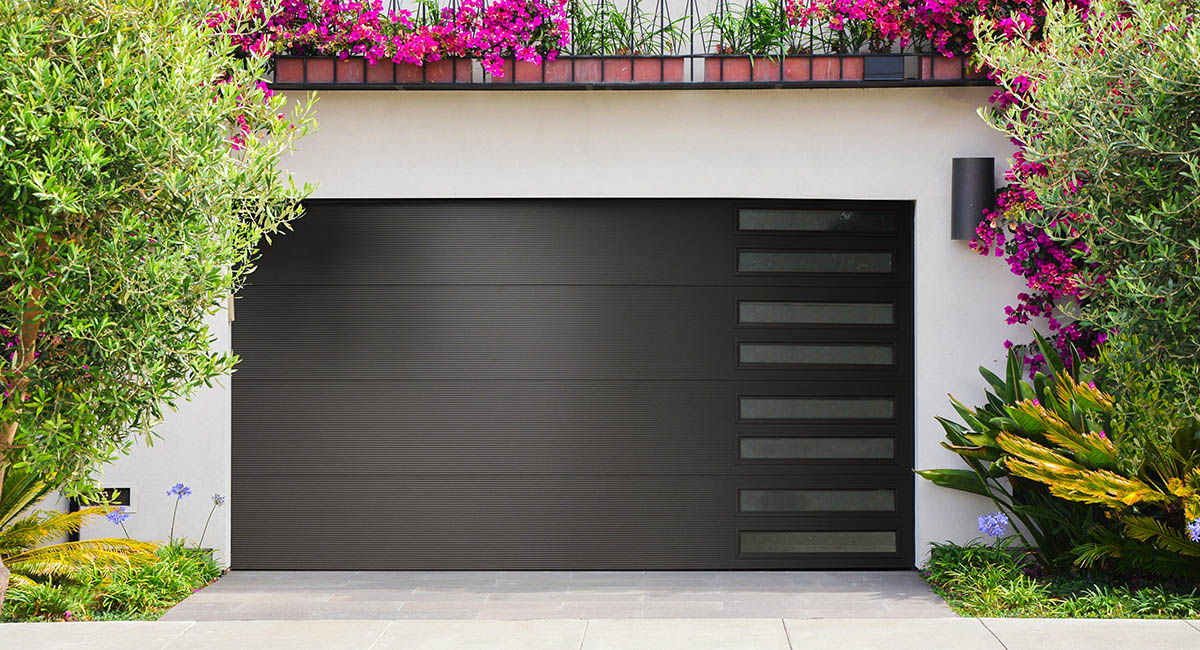
Add handles, hinges, or window inserts to improve curb appeal without replacing the whole door.
When To Hire A Professional
Some garage door work is safe for DIY, but call a pro if:
- The springs or cables break.
- The door comes off the tracks.
- You need a new opener installed and wiring is involved.
- The door is crooked or making strange noises after repairs.
A professional brings the right tools and knows how to handle heavy parts safely.
Frequently Asked Questions
What Is The Average Lifespan Of A Garage Door?
Most garage doors last 15–30 years, depending on material, climate, and maintenance. Steel and aluminum doors tend to last longer than wood if kept rust-free and clean.
How Often Should Garage Door Springs Be Replaced?
Springs last 7–12 years on average (about 10,000 cycles). Replace them if the door becomes hard to lift, slams shut, or if you hear a loud snap.
Can I Paint My Garage Door?
Yes, most garage doors (steel, wood, aluminum) can be painted. Use exterior-grade paint and follow the manufacturer’s instructions. Clean and sand the surface first for best results.
How Do I Make My Garage Door Quieter?
Lubricate all moving parts with garage door lubricant. Replace metal rollers with nylon rollers. Consider upgrading to a belt-drive or direct-drive opener for less noise.
What Should I Do If My Garage Door Won’t Close?
Check the safety sensors at the bottom of the door—they must be clean and lined up. Make sure nothing blocks the door’s path. If the opener blinks, there may be an error. Unplug and reset the opener if needed. If these steps don’t work, call a professional.
For more technical details and safety guidelines, check the official Wikipedia page on garage doors.
Final Thoughts
A garage door does more than open and close. It protects your home, adds style, and makes daily life easier. With the right knowledge, you can pick the best door, keep it working smoothly, and handle small issues before they turn into big problems.
Remember to maintain your door regularly, pay attention to safety, and don’t be afraid to call a professional for complex repairs. With these tips, your garage door will serve you well for years to come.