
Now Reading: How to Lubricate Garage Door Rollers for Smooth, Quiet Operation
- 01
How to Lubricate Garage Door Rollers for Smooth, Quiet Operation
How to Lubricate Garage Door Rollers for Smooth, Quiet Operation

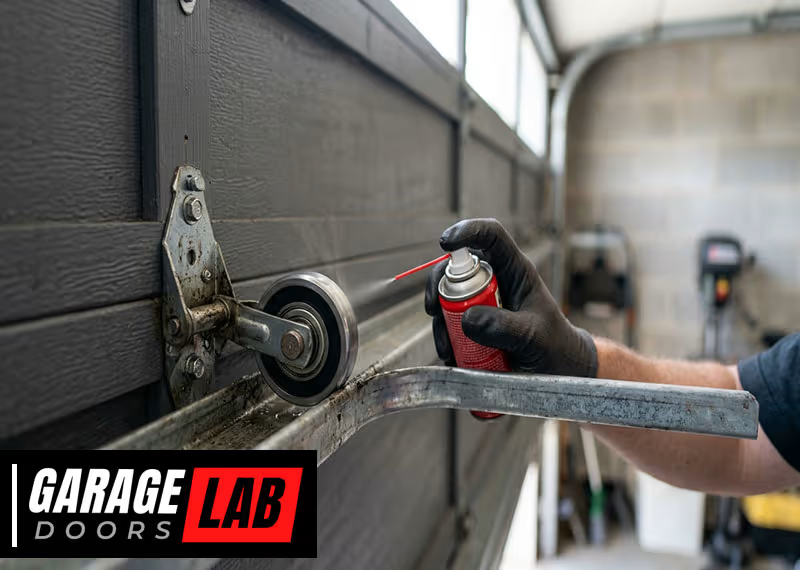
Keeping your garage door in good shape is more important than most people realize. A noisy, slow, or stuck garage door can be more than just annoying—it can be a safety risk and lead to expensive repairs. One of the most basic tasks for garage door health is lubricating the garage door rollers. This job is simple, but many homeowners skip it or do it wrong. If your garage door squeaks, vibrates, or gets stuck, this article will show you how to lubricate garage door rollers the right way. You’ll learn what tools you need, which lubricants work best, and how to perform each step safely. Even if you’ve never done garage maintenance before, you’ll finish with the confidence to keep your door running smoothly.
Why Lubricate Garage Door Rollers?
Many people underestimate the importance of roller lubrication. Rollers support the weight of your garage door and help it move up and down. When they’re not properly lubricated, rollers can dry out, stick, or wear down quickly. This causes several issues:
- Loud noises: Dry rollers make screeching or grinding sounds.
- Difficult operation: The door may move slowly or get stuck.
- Increased wear: Friction shortens the roller’s life and damages the track.
- Higher repair costs: Worn rollers can lead to broken springs or opener damage.
Lubrication reduces friction, prevents rust, and helps the garage door move quietly and smoothly. It’s a small job that has a big effect on your door’s lifespan.
Understanding Garage Door Rollers
Before you start, it helps to know what garage door rollers are and the types you might have. This will help you choose the right lubricant and know when it’s time to replace them.
Types Of Garage Door Rollers
Most rollers fall into one of these categories:
- Plastic rollers: Common on new doors, these are quiet but wear out quickly.
- Steel rollers without ball bearings: Durable but noisy and can rust.
- Steel rollers with ball bearings: Smoother and last longer, but need regular lubrication.
- Nylon rollers: Quiet, don’t rust, and often have ball bearings.
Here’s a quick comparison:
| Roller Type | Noise | Durability | Maintenance |
|---|---|---|---|
| Plastic | Low | Low (2-3 years) | Minimal |
| Steel (no bearings) | High | Medium (3-5 years) | Regular lubrication |
| Steel (with bearings) | Medium | High (7+ years) | Regular lubrication |
| Nylon | Very low | High (10+ years) | Minimal |
How Rollers Affect Garage Door Performance
Rollers connect the garage door to the tracks and allow it to move. If they don’t spin freely, your opener works harder, and the door may jam. Over time, bad rollers can damage other parts like tracks and springs. Proper lubrication is key to keeping the whole system healthy.
Tools And Materials You’ll Need
Lubricating garage door rollers doesn’t need fancy tools, but the right materials make a big difference. Here’s what you’ll need:
- Garage door lubricant: Choose a silicone-based or lithium-based spray. Avoid WD-40 (it’s a cleaner, not a lubricant).
- Clean rags or paper towels: For wiping away dirt and old grease.
- Step ladder: Needed if your door is tall or you can’t reach all rollers.
- Protective gloves: To keep your hands clean and safe.
- Safety glasses: Optional, but helpful for spraying above your head.
Here’s a quick look at which lubricants work best:
| Lubricant Type | Best For | Pros | Cons |
|---|---|---|---|
| Silicone spray | All roller types | Long-lasting, dust-resistant | More expensive |
| White lithium grease | Steel rollers | Thick, stays in place | Can attract dirt |
| WD-40 (original) | Not recommended | Cleans, removes rust | Not a true lubricant |
Non-obvious tip: Many beginners think WD-40 is the answer, but it actually removes lubrication and can make squeaks worse in the long run.
When And How Often To Lubricate
Timing is important. Lubricate your garage door rollers at least twice a year—spring and fall are best. If you live near the ocean or in a dusty area, check them every 3 months. Signs that you need to lubricate sooner include:
- The door is louder than usual.
- The door moves jerkily or gets stuck.
- You see rust or dust buildup on the rollers.
Don’t wait for a problem—regular lubrication prevents most issues.
Step-by-step Guide To Lubricating Garage Door Rollers
Follow these steps to do the job safely and thoroughly. Even if you’re a beginner, you’ll find the process straightforward.
1. Prepare The Area
Start with safety and cleanliness.
- Unplug the garage door opener. This prevents the door from moving while you work.
- Clear the area. Move cars, bikes, or tools away from the door.
- Gather your supplies so everything is within reach.
- Wear gloves and safety glasses. Lubricant can drip from above.
Extra tip: If your floor is painted or finished, place cardboard or an old towel underneath the door to catch drips.
2. Inspect The Rollers And Tracks
Before lubricating, check the rollers and tracks for damage.
- Look for cracks or chips in plastic or nylon rollers.
- Check for rust or flat spots on steel rollers.
- Spin each roller by hand. It should turn smoothly. If not, it may need replacing.
- Inspect the track. Wipe away dust or old grease with a dry rag.
If you see a roller that’s broken or won’t spin, don’t lubricate it—replace it instead.
3. Clean The Rollers And Tracks
Lubricant works best on clean parts.
- Use a dry rag to wipe each roller and the inside of the tracks.
- For stubborn dirt, use a small brush (like an old toothbrush).
- Never use water or harsh cleaners, as these can cause rust.
Non-obvious insight: Many people skip cleaning, but spraying lubricant on dirty rollers just makes sticky mud that attracts more dirt.
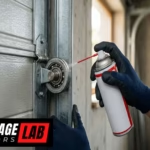
4. Apply Lubricant To The Rollers
Now you’re ready to lubricate.
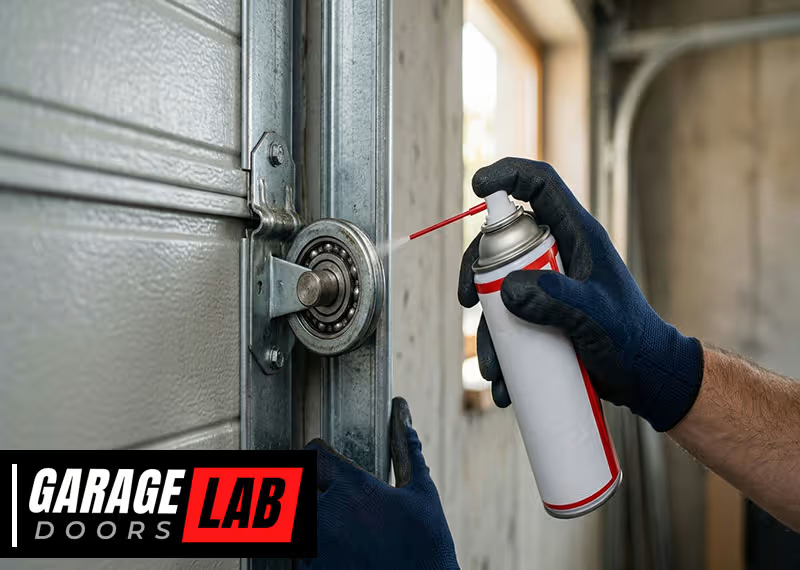
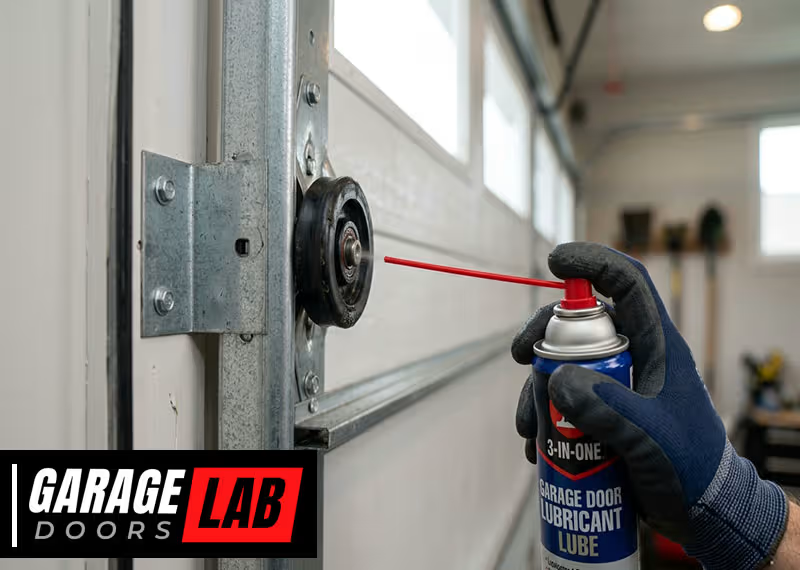
- Hold the lubricant can close to the roller—about 2 inches away.
- Spray the roller bearings (the moving part inside the roller, if visible).
- For steel rollers with bearings, spray directly into the seam where the roller meets the shaft.
- For nylon rollers, only lubricate the bearings—don’t spray the nylon wheel itself.
- Rotate the roller by hand to spread the lubricant evenly.
Repeat for all rollers on both sides of the door.
Tip: Most single garage doors have 8-10 rollers; double doors have 10-12.
5. Lubricate Other Moving Parts
While you have the lubricant out, it’s smart to hit these spots too:
- Hinges: Lubricate the pivot points.
- Springs: For extension or torsion springs, spray lightly along their length.
- Bearings and pulleys: These often get ignored but help the door move smoothly.
Important: Never spray lubricant on the tracks themselves. Rollers need a dry track surface for traction.
6. Test And Repeat
Once everything is lubricated:
- Plug the opener back in.
- Open and close the door 3-4 times. This spreads the lubricant and lets you check for noise or rough movement.
- Wipe away any excess lubricant with your rag.
If you still hear loud noises, check for a roller that might be damaged or missed.
Common Mistakes To Avoid
Lubricating garage door rollers is easy to get wrong if you’re not careful. Here are some common mistakes and how to avoid them:
- Using the wrong product: Household oil or WD-40 can do more harm than good. Always use silicone spray or white lithium grease.
- Over-lubricating: Too much lubricant attracts dust and dirt, turning into sticky gunk.
- Lubricating the wrong places: Never spray the tracks themselves—just the rollers, bearings, and hinges.
- Ignoring damaged rollers: Lubricant can’t fix a roller that’s cracked or seized. Replace broken rollers before lubricating.
- Skipping cleaning: Spraying lubricant on dirty rollers just traps more grime.
How To Replace Worn-out Rollers
Lubrication helps, but rollers eventually wear out. Here’s how to tell if you need to replace them and what’s involved.
Signs Your Rollers Need Replacement
- The roller is cracked, flat, or chipped.
- The roller doesn’t spin freely.
- There’s visible rust or missing ball bearings.
- The door is still noisy after lubrication.
Basic Roller Replacement Steps
If you’re comfortable with DIY:
- Unplug the opener and secure the door in the open position.
- Remove the hinge that holds the roller (usually one bolt).
- Slide out the old roller and insert the new one.
- Reattach the hinge and repeat for other damaged rollers.
Safety warning: If you’re not sure, call a professional—garage doors are heavy and can be dangerous if handled wrong.
Garage Door Roller Maintenance Schedule
Regular care prevents most problems. Here’s a simple schedule to follow:
| Task | Frequency | Notes |
|---|---|---|
| Lubricate rollers | Every 6 months | Spring and fall are best |
| Inspect rollers | Every 6 months | Check for damage |
| Clean tracks | Every 3-4 months | More often in dusty areas |
| Replace worn rollers | As needed | Don’t wait for total failure |
This routine takes less than an hour each time and can save you hundreds in repair costs.

Choosing The Right Garage Door Lubricant
With so many products on the market, it’s easy to get confused. Here’s what to look for:
- Silicone spray: Best for all climates, doesn’t attract dust, long-lasting.
- White lithium grease: Good for metal parts, but can build up over time.
- Avoid WD-40: It cleans but doesn’t provide lasting lubrication.
Look for a lubricant labeled “garage door” or “roller-specific”. These are designed for moving metal and plastic parts under pressure.
Pro tip: Store your lubricant in a dry place and check its expiration date—old lubricant can separate or lose effectiveness.
What To Do If Lubrication Doesn’t Fix The Problem
Sometimes, your garage door is still noisy or rough after lubricating the rollers. Here’s what to check next:
- Roller damage: Replace any roller that’s bent, cracked, or jammed.
- Track misalignment: If the door jumps or binds, your tracks may need adjustment.
- Spring problems: If the door is heavy or uneven, call a pro—spring repair is dangerous.
- Opener issues: A noisy opener may need its own maintenance or replacement.
Lubrication is the first and simplest fix, but it can’t solve every garage door problem.
How Lubrication Extends Door Life And Saves Money
Regular lubrication isn’t just about stopping squeaks. It has real financial benefits:
- Longer roller life: Lubricated rollers last 2-3 times longer.
- Lower energy use: A smooth door puts less strain on your opener, saving power.
- Fewer repairs: Prevents expensive damage to tracks, springs, and openers.
- Quieter operation: No more waking the household every time someone opens the door.
According to the International Door Association, routine maintenance can extend a garage door system’s life by 5-10 years.
Safety Tips For Lubricating Garage Door Rollers
Working with garage doors comes with risks. Protect yourself with these tips:
- Unplug the opener: Never work on a powered door.
- Don’t force stuck parts: If a roller won’t turn, replace it—don’t try to pry it loose.
- Use a sturdy ladder: Never stand on a bucket or unstable surface.
- Keep children and pets away while you work.
- Wear gloves: Some lubricants can irritate skin.
- Dispose of oily rags properly—they can be a fire hazard.
If you ever feel unsure, stop and call a professional.
Environmental Considerations
Many people forget that lubricants can affect the environment. Here’s how to minimize your impact:
- Choose low-VOC lubricants when possible. These release fewer chemicals into the air.
- Don’t over-apply. Excess lubricant can drip onto the driveway and get washed into the storm drain.
- Dispose of rags and empty cans at a hazardous waste facility.
If you want to learn more about safe lubricant disposal, the U.S. Environmental Protection Agency offers guidelines at EPA Household Hazardous Waste.
Troubleshooting: Common Garage Door Roller Problems
Sometimes, lubrication uncovers other problems. Here’s how to diagnose and address them:
- Persistent squeaking: Could be a worn-out roller or hinge, not just lack of lubricant.
- Rough movement: May mean the track is bent or dirty—clean and realign as needed.
- Rust: If you see rust, clean it off with a wire brush before lubricating, and check for pitting.
- Rollers popping out: This is a serious issue—stop using the door and call a professional.
Benefits Of Upgrading To High-quality Rollers
If your garage door is older, you may want to upgrade to nylon rollers with ball bearings. They’re quieter, last longer, and need less maintenance. While they cost a bit more up front, they pay for themselves over time in fewer repairs and less noise.
Data point: Nylon rollers with sealed bearings can last up to 10 years with minimal lubrication, compared to 2-5 years for standard steel or plastic rollers.

Frequently Asked Questions
How Often Should I Lubricate My Garage Door Rollers?
You should lubricate your garage door rollers every six months—spring and fall are ideal. If you live in a humid, coastal, or dusty area, check and lubricate them every three months.
Can I Use Wd-40 To Lubricate Garage Door Rollers?
No, WD-40 is not recommended for garage door rollers. It’s a cleaner and rust remover, not a true lubricant. Use a silicone-based spray or white lithium grease instead for best results.
Do Nylon Garage Door Rollers Need Lubrication?
Nylon rollers require less lubrication than steel, but if they have ball bearings, you should still lubricate the bearings (not the nylon wheel itself) every six months.
What Should I Do If My Garage Door Rollers Are Still Noisy After Lubricating?
If noise continues, check for damaged or worn-out rollers. Replace any roller that’s cracked, flattened, or doesn’t spin freely. Also, inspect the hinges and track alignment, as these can cause noise too.
Is It Safe To Lubricate Garage Door Rollers Myself?
Yes, it’s safe for most homeowners if you unplug the opener, use a sturdy ladder, and wear gloves. If you’re unsure or see serious damage, call a professional to avoid injury.
Keeping your garage door rollers lubricated is one of the simplest and most effective ways to protect your investment and enjoy quiet, smooth operation year after year. With the right tools and a little time every few months, you’ll avoid costly repairs and keep your garage door working like new.
Remember, preventive care always pays off in the long run.