
Now Reading: How to Manually Lock Garage Door: Step-by-Step Safety Guide
- 01
How to Manually Lock Garage Door: Step-by-Step Safety Guide

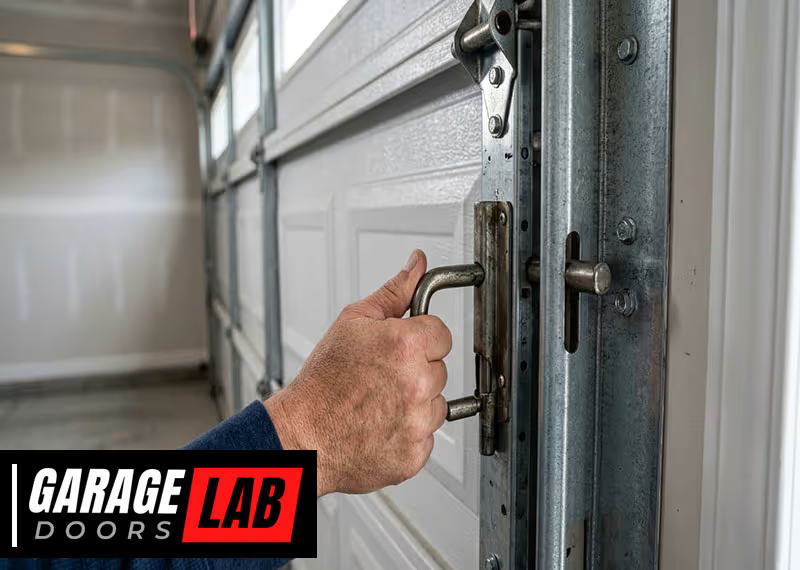
Securing your garage door is more important than many people realize. The garage is often the largest entry point to your home, and if left unlocked or poorly secured, it can become an easy target for intruders. While modern garage doors often feature automatic locking systems, manual locking methods remain vital—especially during power outages, mechanical failures, or for added security.
Learning how to manually lock your garage door empowers you to protect your property, vehicles, and loved ones with confidence. In this article, you’ll discover practical steps, essential tools, common mistakes to avoid, and deeper insights to ensure your garage door is locked safely and reliably.
Why Manual Locking Matters
Most homeowners rely on automatic garage door openers for convenience. However, these systems can fail due to power cuts, remote control issues, or technical breakdowns. Manual locking offers a backup solution that doesn’t depend on electricity or electronics. It also adds an extra layer of security, as determined intruders may bypass electronic locks but struggle with sturdy manual ones.
Consider this: According to the FBI, over 1.1 million burglaries occurred in the US in 2022, with many involving garages as entry points. A well-locked garage door can deter break-ins and protect your belongings. Manual locks are also useful when leaving home for long periods or when the garage is used to store valuable items.
Understanding Garage Door Types
Before you lock your garage door manually, you need to know what kind of door you have. The locking process depends on the type.
| Garage Door Type | Description | Common Lock Methods |
|---|---|---|
| Sectional (Roll-up) | Multiple panels that roll up on tracks | Slide bolts, padlocks |
| One-Piece (Tilt-up) | Single panel tilts upward to open | Side locks, hasps |
| Side-Hinged | Two doors swinging outward | Deadbolts, padlocks |
| Roller Shutter | Slats roll up into a drum | Keyed locks, slide bolts |
Knowing your door’s type helps you choose the best manual lock.

Essential Tools And Materials
Locking your garage manually requires some basic tools. Having the right equipment makes the process smoother and safer.
- Padlock: Choose a heavy-duty model, preferably weather-resistant.
- Slide bolt lock: Often called a “garage door lock bar.”
- Drill and bits: Needed for installing new locks.
- Screwdriver: For attaching lock hardware.
- Metal hasp: Offers strong locking points.
- Measuring tape: Ensures accurate placement.
- Marker or pencil: For marking drill points.
- Safety goggles and gloves: Protect your eyes and hands.
- Wrench or pliers: Sometimes needed for tightening bolts.
A common mistake is using weak or indoor-only padlocks. Always select locks rated for outdoor use and high security.
Step-by-step Guide To Manually Locking A Garage Door
Let’s dive into the exact steps, tailored for different garage door types. Each step is described clearly, so even beginners can follow along.
1. Locking A Sectional (roll-up) Garage Door
- Disengage the automatic opener: Pull the emergency release cord—usually a red handle. This disconnects the motor, allowing manual operation.
- Close the door fully: Make sure it’s all the way down, with no gaps. Gaps can make the lock less effective.
- Install slide bolt lock: Position the lock bar on the inside, near the bottom or middle of the door.
- Use a measuring tape to center it.
- Mark drill holes.
- Drill and secure with screws.
- Engage the lock: Slide the bolt into the track or metal bracket on the door frame.
- Add a padlock: Place the padlock through the lock bar hole for extra security.
2. Locking A One-piece (tilt-up) Garage Door
- Confirm door is closed: Push or pull until fully shut.
- Install a metal hasp: Attach one side to the door and the other to the frame.
- Drill holes, attach with screws.
- Secure with a padlock: Insert padlock through the hasp, lock it tight.
- Check alignment: Ensure the hasp and padlock fit snugly, without movement.
3. Locking Side-hinged Garage Doors
- Close both doors: Make sure they meet in the center.
- Install deadbolt or slide bolt: Attach to the inside edge where doors meet.
- Add padlock: Use a padlock if the bolt has a locking eye.
- Test the lock: Try opening from inside and outside to confirm security.
4. Locking A Roller Shutter Garage Door
- Shut the door completely: Lower until it meets the ground.
- Locate built-in lock: Many roller shutters have a keyed lock on the bottom or side.
- Insert the key and turn: Engage the lock mechanism.
- Install additional slide bolts: For extra security, add slide bolts to the inside edges.
A non-obvious tip: Always check for loose screws or worn metal parts. Weak hardware can make even the best lock useless.
Common Mistakes When Manually Locking Garage Doors
Many homeowners make simple errors that reduce their garage’s security. Avoid these mistakes:
- Using small or weak padlocks: Cheap locks are easy to cut or break.
- Misaligning lock hardware: If the bolt or hasp doesn’t line up, the lock won’t function properly.
- Failing to check for gaps: Gaps make it easier to pry open the door.
- Ignoring maintenance: Rust or wear on lock parts can cause failure.
- Forgetting to disengage the automatic opener: If you don’t pull the emergency release, the door can be forced open by the motor.
Check your locks monthly for signs of damage or weakness.
Comparing Manual Lock Types
Choosing the right manual lock is key to security. Here’s a comparison of the most common manual locks:
| Lock Type | Security Level | Ease of Installation | Cost Range |
|---|---|---|---|
| Padlock | Medium to High | Easy | $10–$40 |
| Slide Bolt | High | Medium | $20–$60 |
| Hasp & Padlock | High | Medium | $15–$50 |
| Deadbolt | Very High | Hard | $30–$100 |
| Keyed Lock | High | Medium | $25–$70 |
Choose based on your door type, budget, and desired security level.
Enhancing Garage Door Security
Locking your garage door manually is only part of the story. Boost security with these strategies:
- Install security cameras: Visible cameras deter thieves.
- Add outdoor lighting: Motion-sensor lights make it harder for intruders to hide.
- Reinforce door panels: Use metal bars or extra bolts on weak spots.
- Upgrade lock hardware: Choose brands with proven security ratings.
- Check windows: If your garage has windows, secure them with locks or bars.
More advanced tip: If you leave home for weeks, consider removing the garage door opener remote from your car and hiding it inside your house.
Troubleshooting Manual Locks
Sometimes, locks don’t work as expected. Here’s how to fix common problems:
- Lock won’t engage: Clean out dirt and debris from the bolt and bracket.
- Padlock won’t close: Check alignment, lubricate if needed.
- Slide bolt sticks: Use silicone spray or graphite lubricant.
- Rusty hardware: Replace with stainless steel or galvanized parts.
- Lock won’t fit: Re-measure and adjust installation.
A beginner’s mistake is forcing a lock that’s stuck. This can damage the mechanism. Always lubricate and align before forcing.
Safety Considerations
Manual locking can improve security, but it’s important to stay safe:
- Wear safety goggles and gloves when drilling or handling metal.
- Check for electrical wires before drilling into walls or frames.
- Keep lock keys in a safe place—not outside or in visible locations.
- Test the emergency release monthly to ensure it works.
If you’re unsure about installation, ask a professional or watch trusted video tutorials.
Real-life Examples And Statistics
Many people underestimate garage security until a break-in happens. Here are some real-world cases:
- In 2021, a homeowner in Texas prevented a burglary by manually locking their sectional garage door after a power outage. Thieves failed to force open the slide bolt, saving thousands in losses.
- According to Consumer Reports, homes with visible manual locks on garage doors are 40% less likely to be targeted than those with only automatic openers.
Manual locks also protect against storms. During hurricanes, strong locks keep doors from blowing open and causing property damage.
When To Use Manual Locking
Manual locks are essential in certain situations:
- During power outages: Automatic openers won’t work, but manual locks keep the door secure.
- After mechanical failure: When the motor or remote breaks, manual locks are your backup.
- Before travel: For extended trips, manual locks offer extra security.
- High-crime areas: If your neighborhood has break-ins, manual locks act as deterrents.
A non-obvious insight: Some insurance companies offer discounts for homes with visible manual locks on garage doors.
Upgrading Your Garage Door Locks
If your current locks are old or weak, consider upgrading:
- Choose higher security models: Look for locks with anti-cut and anti-drill features.
- Install double locks: Use two different lock types for added safety.
- Use smart padlocks: Some padlocks now have Bluetooth and tamper alerts.
Always read reviews before buying new locks. For technical ratings and safety standards, visit the official Consumer Reports site.
Manual Locking Vs. Automatic Locking
Some homeowners wonder if manual locking is worth it when automatic systems exist. Here’s a practical comparison:
| Locking Method | Pros | Cons |
|---|---|---|
| Manual Locking |
|
|
| Automatic Locking |
|
|
For best results, use both methods together. Manual locks are a reliable backup.
Practical Tips For Beginners
If you’re new to manual garage door locking, keep these tips in mind:
- Practice locking and unlocking: Familiarity prevents mistakes during emergencies.
- Label your keys: Use colored tags to identify garage keys quickly.
- Inspect monthly: Look for rust, wear, or loose parts.
- Create a locking routine: Always lock the garage before bed or leaving home.
- Share instructions: Teach family members how to use manual locks.
A non-obvious tip: Consider storing a spare lock or key in a safe, hidden spot—not under the mat or in a mailbox.
Maintaining Your Manual Locks
Regular maintenance keeps locks working for years:
- Clean locks monthly: Use mild soap and water, dry fully.
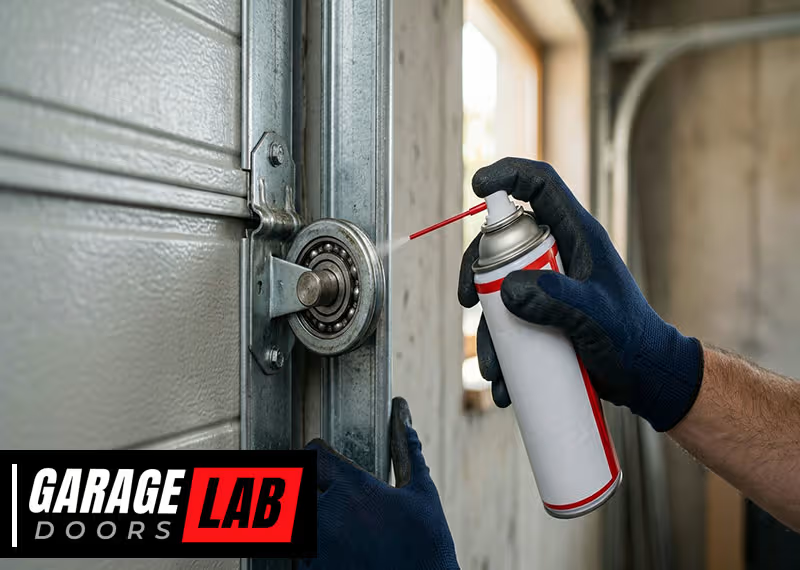
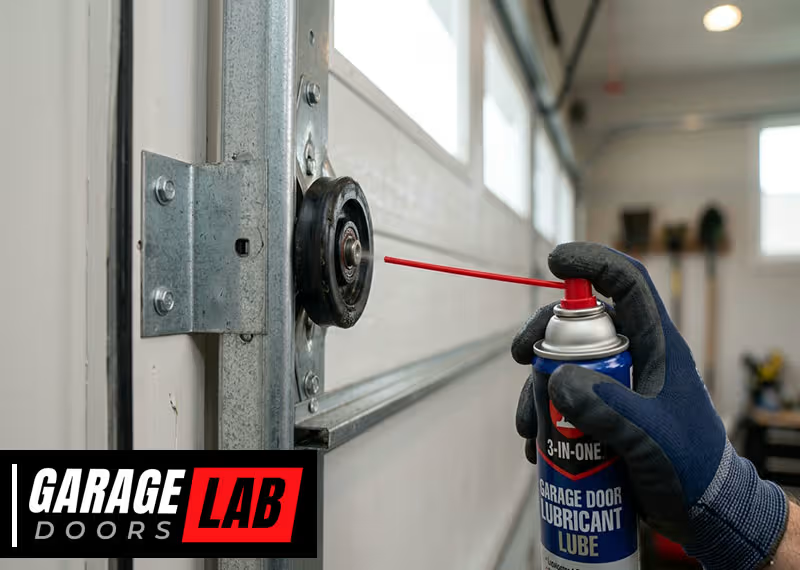
- Lubricate moving parts: Silicone spray or graphite keeps bolts smooth.
- Check for rust: Replace rusty parts quickly.
- Inspect screws: Tighten any loose hardware.
- Test emergency release: Pull the cord to ensure it works.
Poor maintenance is a leading cause of lock failure. Schedule reminders to check your locks.
Protecting Against Advanced Break-in Methods
Thieves sometimes use advanced tools or tactics:
- Lock picking: Choose locks with anti-pick features.
- Bolt cutters: Use thick, hardened steel padlocks.
- Door prying: Reinforce the door edges with metal brackets.
- Garage door fishing: Install shields to block access to the emergency release cord.
Many beginners overlook the emergency release cord. A shield or cover stops thieves from reaching it through the door.
Diy Vs. Professional Installation
Should you install manual locks yourself or hire a pro? Here’s what to consider:
- DIY: Saves money, offers flexibility, builds skills. Watch tutorials for guidance.
- Professional: Ensures correct installation, avoids mistakes, offers warranties.
A non-obvious insight: Some lock brands require professional installation for the warranty to be valid. Check terms before buying.
The Cost Of Manual Locking
Manual locks are affordable compared to smart security systems. Here’s a breakdown:
- Padlocks: $10–$40 each
- Slide bolts: $20–$60
- Hasps: $15–$50
- Deadbolts: $30–$100
- Installation tools: $30–$100 (if needed)
Total cost depends on door size and number of locks. Even top-quality manual locks are cheaper than automatic systems.
Environmental Effects On Locks
Weather affects lock performance:
- Rain and humidity: Cause rust. Use stainless or weather-resistant models.
- Extreme heat: Can warp metal or plastic parts.
- Cold temperatures: Cause locks to freeze or stick.
If you live in harsh climates, lubricate and check locks more often.
Teaching Family Members And Tenants
Security is a team effort. Make sure everyone knows how to lock and unlock the garage door:
- Write simple instructions: Stick them inside the garage.
- Show each person: Demonstrate locking and unlocking.
- Practice together: Simulate an emergency (like a power outage).
Many beginners forget to train others. A locked garage is useless if family or tenants don’t know how to use it.
Frequently Asked Questions
How Do I Lock My Garage Door Manually If The Power Goes Out?
Pull the emergency release cord on your garage door opener. This disconnects the automatic system, letting you operate the door by hand. Close the door fully, then use a slide bolt, padlock, or deadbolt to secure it.
Can I Add A Manual Lock To Any Garage Door?
Most garage doors can be fitted with manual locks. Check your door type first—sectional, tilt-up, side-hinged, or roller shutter. Choose a lock that fits your door’s design. If unsure, ask a professional for advice.
How Often Should I Maintain My Manual Garage Door Locks?
Inspect locks monthly. Clean and lubricate moving parts, check for rust, tighten screws, and test the emergency release. Well-maintained locks last longer and offer better security.
What’s The Best Lock For A Sectional Garage Door?
A slide bolt lock combined with a heavy-duty padlock is ideal for sectional doors. It provides strong security and is easy to install. Make sure the lock fits the track and is made from weather-resistant materials.
Are Manual Locks Better Than Automatic Locks?
Manual locks offer reliable security during power outages and are harder for thieves to hack. Automatic locks are more convenient but can fail or be vulnerable to electronic attacks. For best protection, use both methods together.
Securing your garage door manually is a smart, practical step for every homeowner. With the right tools, knowledge, and regular maintenance, you can protect your property from break-ins, weather, and unexpected failures. Make manual locking part of your daily routine, and teach your family to use it confidently.
Remember, a well-locked garage door is your first defense against unwanted intruders.