Now Reading: How to Paint Garage Doors for a Stunning Home Makeover
- 01
How to Paint Garage Doors for a Stunning Home Makeover

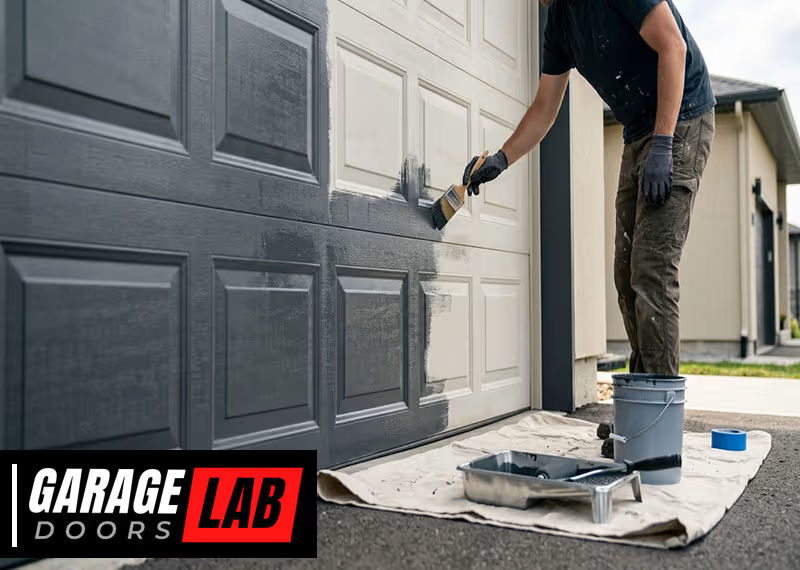
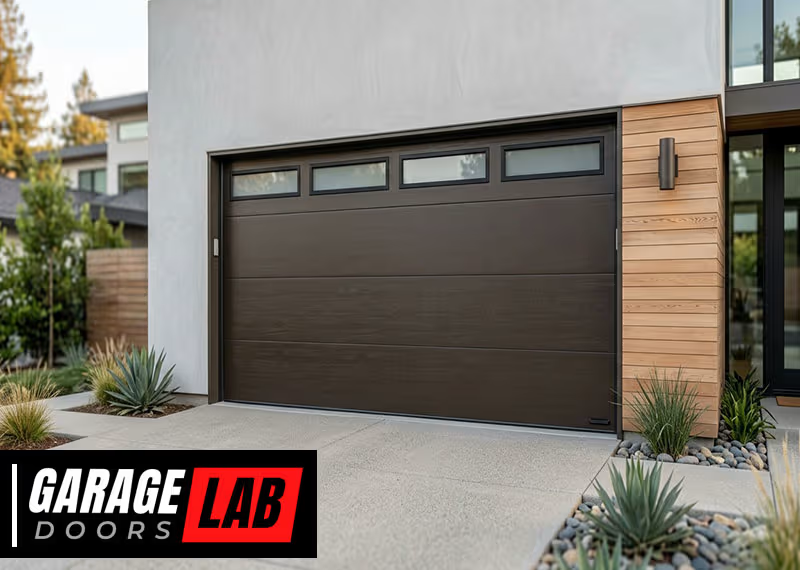
Painting your garage door can completely change how your home looks. Many people forget that the garage door covers a large part of a house’s front. A faded, rusty, or dirty garage door can make even a nice house look older.
On the other hand, a freshly painted garage door gives your home a clean, updated, and cared-for look. The great news? Painting your garage door is a project you can do yourself, often in a single weekend, without spending a lot of money.
But there’s more to it than just brushing on some paint. If you want your work to last and look professional, you need the right approach. This guide will show you how to paint garage doors step by step, from picking the best paint to avoiding common mistakes.
You’ll get real advice, small tips that make a big difference, and learn what most beginners miss. Whether your door is metal, wood, or even fiberglass, you’ll find everything you need here.
Why Paint Your Garage Door?
Many homeowners ask if painting a garage door is worth the effort. The answer is usually yes. Here’s why:
- Curb Appeal: The garage door is often one of the first things people notice. A new color or clean look can make your house look newer and more valuable.
- Protection: Paint helps protect the door from sun, rain, wind, and dirt. Metal doors can rust, and wooden doors can rot if not cared for.
- Cost-Effective Upgrade: Compared to replacing the door, painting is much cheaper but gives almost the same visual effect.
- Personalization: You can choose a color that matches your house or expresses your style.
Painting your garage door is one of the easiest ways to make your home stand out in your neighborhood.
What You’ll Need: Tools And Materials
Before you start, gather your tools and materials. Having everything ready saves you time and frustration.
Essential Supplies
- Exterior paint (specific for garage doors)
- Primer (if needed for your door type or color change)
- Paintbrushes (2–3 inch angled brush for corners and details)
- Paint rollers (4–9 inch, with short nap for smooth surfaces)
- Sandpaper (medium and fine grit)
- Drop cloths or old sheets
- Painter’s tape
- Screwdriver (to remove hardware if needed)
- Cleaning supplies (bucket, mild soap, sponge or rag)
- Stir sticks
- Ladder (for tall doors)
- Mask/respirator (if sanding or using oil-based paints)
- Gloves
Optional But Helpful
- Paint sprayer (for very smooth finish or large doors)
- Scraper (for peeling paint)
- Rust converter or filler (for metal doors with rust)
Having these supplies ready will make the work smoother and safer.
Choosing The Right Paint And Primer
Not all paints are the same. Picking the right one for your garage door material is key to getting long-lasting results.
Paint Types
| Door Material | Recommended Paint | Finish |
|---|---|---|
| Metal (Steel/Aluminum) | 100% Acrylic Exterior Latex | Satin or Semi-gloss |
| Wood | Exterior Latex or Oil-based | Satin or Semi-gloss |
| Fiberglass/Vinyl | 100% Acrylic Exterior Latex | Satin or Semi-gloss |
Tip: Satin or semi-gloss finishes look best on garage doors. They’re easier to clean and resist weather better than flat paint.
Do You Need Primer?
- Metal doors: Use a primer if the door is unpainted, rusty, or if you’re changing from a dark to a light color.
- Wood doors: Primer is a must for bare wood or if you have stains.
- Fiberglass/Vinyl: Many modern paints stick well without primer, but check your paint instructions.
Non-obvious insight: Skipping primer may look fine at first, but paint might peel or fade quickly, especially if your door gets strong sun.
How Much Paint Will You Need?
Most single-car garage doors need about 1–2 quarts of paint. Double doors may need up to 1 gallon. Always check the coverage on your paint can and buy a bit extra for touch-ups.
Prepping Your Garage Door: The Step Most People Rush
Preparation is the secret to a great-looking, long-lasting paint job. Many people want to start painting right away, but skipping prep is the #1 reason paint jobs fail.
Step 1: Clean The Door
- Mix mild soap with water and scrub the door with a sponge or rag.
- Remove all dust, dirt, grease, and cobwebs.
- Rinse with clean water and let dry completely.
Extra tip: Pay attention to the bottom edge, where mud and salt often build up.
Step 2: Remove Old Paint And Rust
- For peeling paint, use a scraper or wire brush to remove loose pieces.
- Sand rough spots until smooth.
- For rust on metal doors, sand the area and use a rust converter if needed.
Step 3: Sand The Surface
- Lightly sand the whole door with medium-grit sandpaper (120–150 grit).
- For wood, sand in the direction of the grain.
- Wipe off dust with a damp cloth.
Step 4: Protect Surroundings
- Lay down drop cloths under the door.
- Use painter’s tape to mask off trim, handles, windows, and weatherstripping.
Step 5: Remove Or Cover Hardware
- If possible, unscrew handles, locks, or decorative pieces.
- If you can’t remove them, tape them carefully.
Step 6: Repair Damaged Areas
- Fill dents, cracks, or holes with the right filler (wood filler for wood, metal filler for steel).
- Let dry, sand smooth, and wipe clean.
Non-obvious insight: Even small holes can let in moisture and ruin your paint job from the inside out. Fill them before painting.
Weather And Timing: When To Paint For Best Results
Painting at the wrong time can ruin your work, even if you do every other step right.
- Temperature: Paint when it’s between 50°F and 85°F (10°C–30°C).
- Humidity: Ideal is below 80%. High humidity makes paint dry slowly and can cause streaks.
- Sunlight: Don’t paint in direct sun. The paint can dry too fast, causing cracks or bubbles.
- Rain: Never paint if rain is likely within 24 hours.
Pro tip: Early morning or late afternoon is usually best. The door should be cool to the touch.
Step-by-step: How To Paint Garage Doors
Now you’re ready for the main event. Follow these steps for a pro-quality finish.
Step 1: Open The Garage Door
You’ll want to paint the edges, too. Open the door a little bit so you can reach all areas. Make sure it’s stable before you start.
Step 2: Apply Primer (if Needed)
- Stir the primer well.
- Use a brush for corners and edges, then a roller for flat panels.
- Let the primer dry fully (usually 2–4 hours).
Step 3: Paint Panels And Grooves First
- Start with the inside edges and grooves using a brush. These are often missed but important for a finished look.
- Don’t overload your brush—less paint means fewer drips.
Step 4: Paint The Flat Surfaces
- Use a roller for the large, flat areas.
- Roll in the direction of the panels (up and down for vertical panels, side to side for horizontal).
- Work in small sections so the paint stays wet and smooth.
Step 5: Watch For Drips
- Check for drips, especially on edges and corners.
- Smooth them out with your brush before they dry.
Step 6: Let Dry And Add A Second Coat
- Most doors need two coats for even color and protection.
- Let the first coat dry as the paint can instructs (usually 4–6 hours).
- Lightly sand between coats if you want a very smooth finish, then wipe clean.
Step 7: Paint The Edges And Sides
- Don’t forget the edges of the door and the sides that are visible when the door is open.
Step 8: Remove Tape And Clean Up
- Remove painter’s tape before the paint is fully dry for cleaner lines.
- Reattach hardware when the paint is dry to the touch.
Step 9: Let Paint Cure
- Avoid washing or touching the door for at least 7 days. The paint needs time to fully harden.
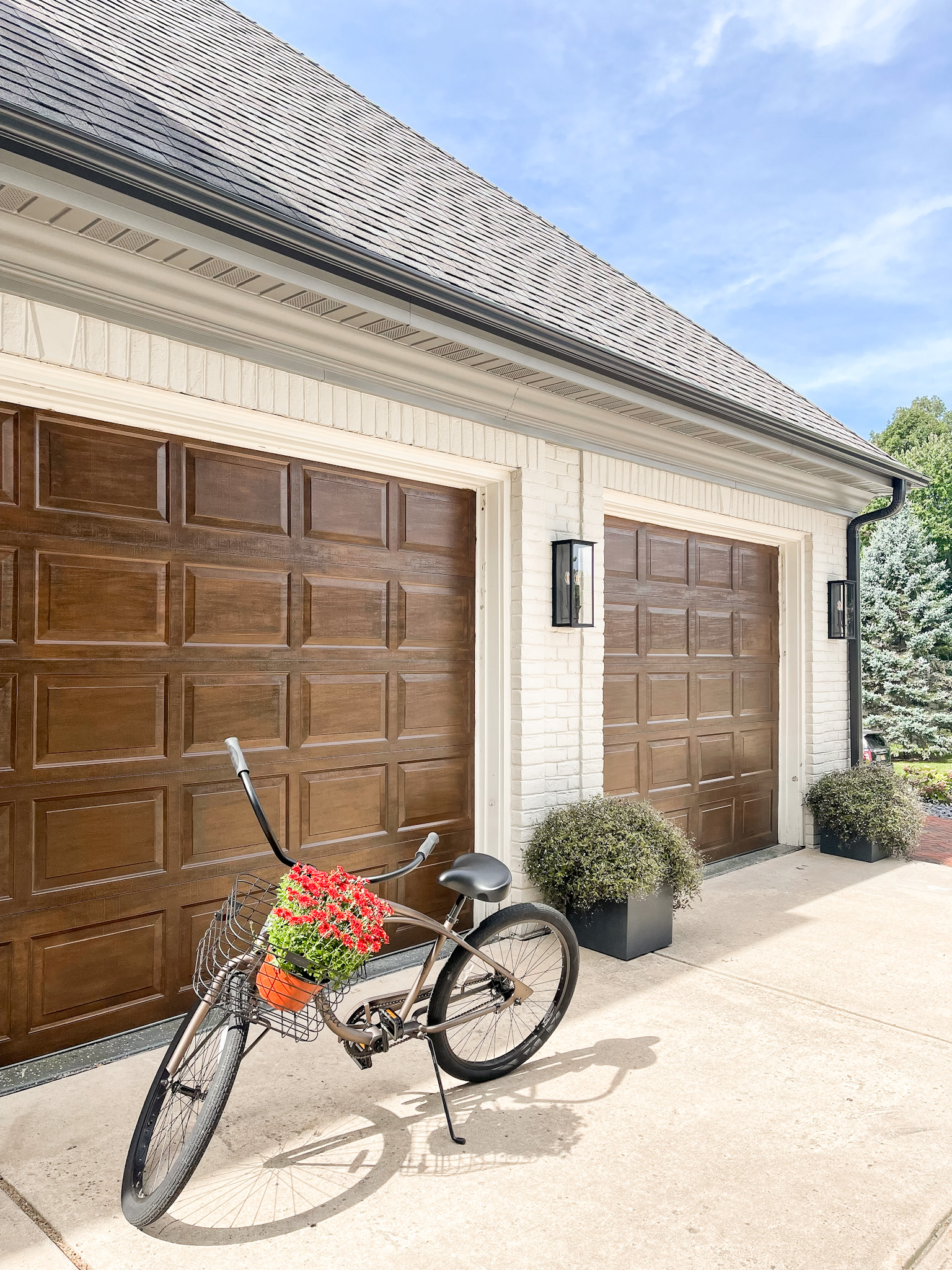
Techniques For Different Garage Door Materials
Not all garage doors are the same. Here’s how to get the best results with each type.
Metal Garage Doors
- Sand lightly to give the paint something to stick to.
- Use a rust-inhibiting primer if you see any rust.
- Always use exterior-grade paint.
Wooden Garage Doors
- Fill all cracks, holes, and gaps with wood filler.
- Sand smooth and prime bare wood.
- Watch for bleeding stains—use a stain-blocking primer if needed.
Fiberglass Or Vinyl Garage Doors
- Clean very well; these materials can be hard for paint to stick to.
- Use paint labeled for plastic or vinyl.
- Skip oil-based paints; they may not stick well.
Non-obvious insight: Fiberglass and vinyl can expand and contract with weather. Flexible, high-quality latex paint resists cracking and peeling.
Choosing The Right Color: More Than Just Looks
Picking a color for your garage door is about more than taste. It can change how your whole house feels.
Popular Color Choices
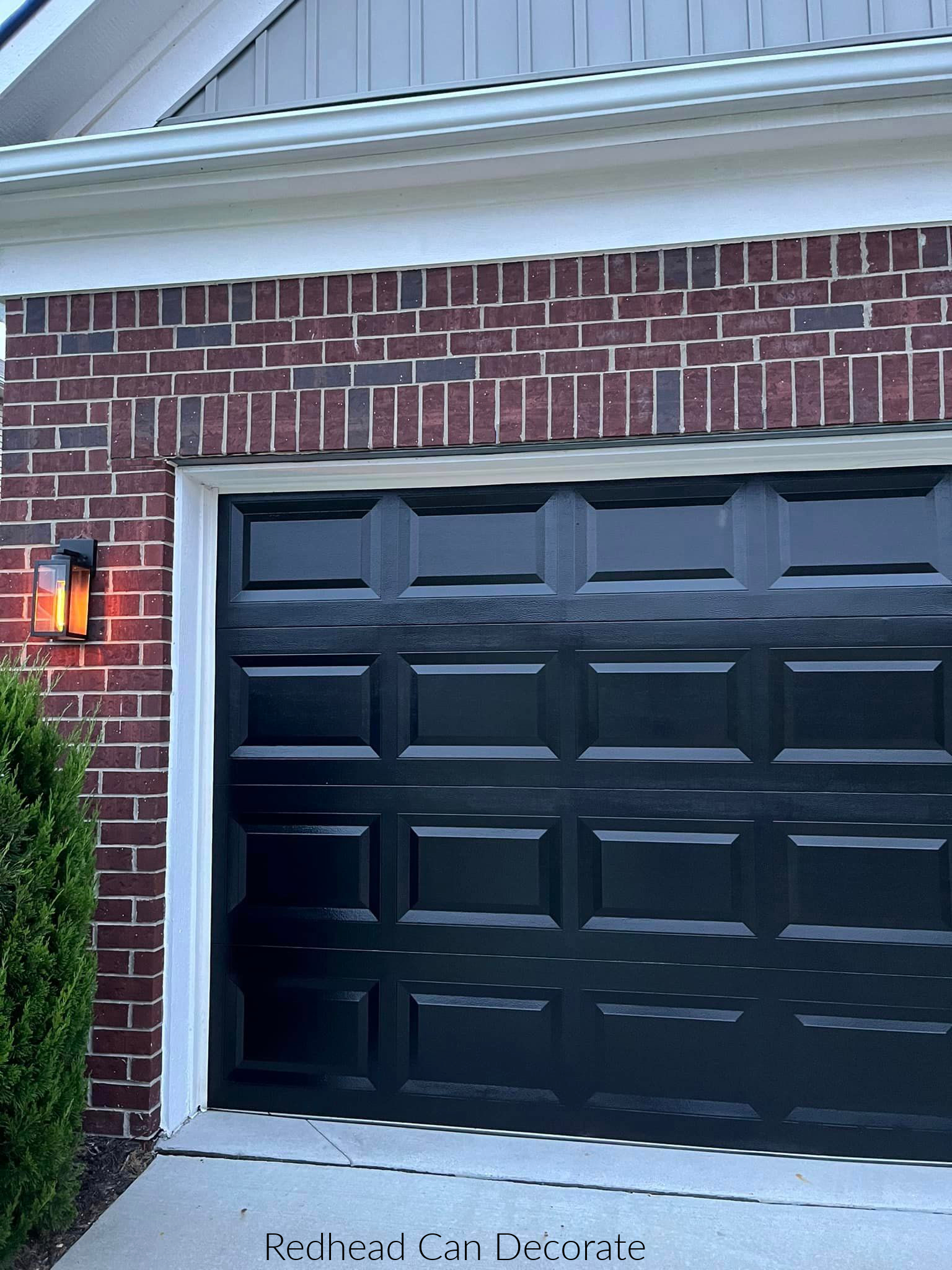
- White or off-white: Clean, classic, matches most homes.
- Gray or taupe: Neutral, modern, hides dirt well.
- Bold colors (blue, green, black, red): Makes your door a feature.
- Match the trim: Ties the look of your house together.
Things To Think About
- HOA rules: Some neighborhoods limit color choices.
- Sun exposure: Dark colors absorb more heat and may fade faster.
- Resale value: Neutral colors appeal to more buyers if you plan to sell.
Pro tip: Test a small area first. Paint can look very different in sunlight than on a paint chip.
/SPR-how-to-paint-a-garage-door-5199372-hero-2_1167-2309a3b04de74cb2a2847167a96d67fd.jpg)
Spray Vs. Brush: Which Method Is Best?
You have a choice: brush/roller or spray.
| Method | Pros | Cons |
|---|---|---|
| Brush/Roller | Better control, fewer drips, less masking needed | Takes longer, may leave brush marks |
| Sprayer | Very smooth finish, fast on large areas | More masking, uses more paint, cleanup is harder |
For most people, brush and roller is easiest and safest. Use a sprayer only if you have experience or are painting several doors at once.
Mistakes To Avoid When Painting Garage Doors
Even careful DIYers make mistakes. Here’s how to avoid the most common ones.
- Skipping prep work: Dirt or old paint can make new paint peel quickly.
- Painting in the wrong weather: Too hot, cold, or humid? Wait for a better day.
- Using the wrong paint: Interior paint or low-quality brands won’t last outside.
- Missing edges and grooves: These show when the door opens.
- Rushing between coats: Let each layer dry to avoid sticky paint or marks.
- Not removing or masking hardware: Paint on handles or windows looks messy.
- Overloading brush or roller: Leads to drips and uneven finish.
- Forgetting to sand: Even a quick sanding makes a big difference in how paint sticks.
- Ignoring small repairs: Cracks or rust get worse under paint.
Bonus insight: Many people forget to check the bottom weatherstripping. If it’s cracked or damaged, replace it before painting. This keeps out water and gives your door a cleaner line.
Maintenance Tips After Painting
Your job isn’t done when the paint dries. A few simple habits can keep your door looking new for years.
- Wash the door every 6 months with mild soap and water to remove dirt and salt.
- Touch up chips and scratches right away to prevent rust or rot.
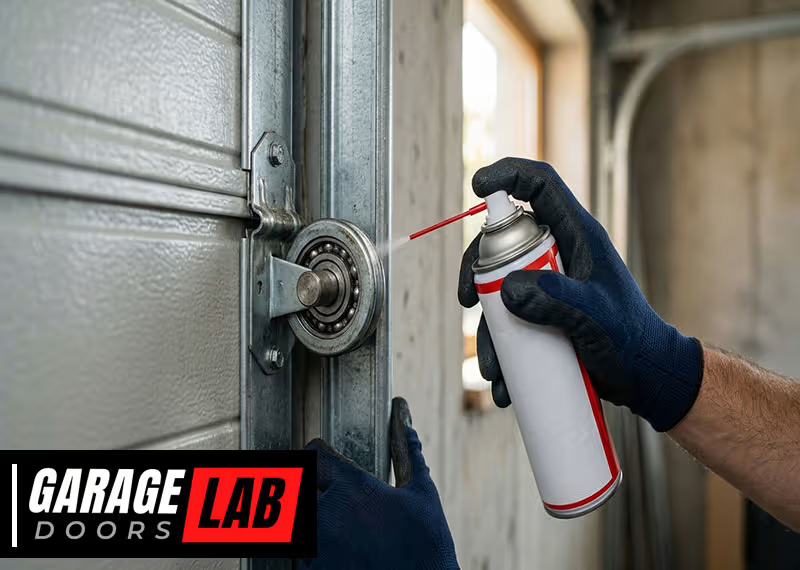
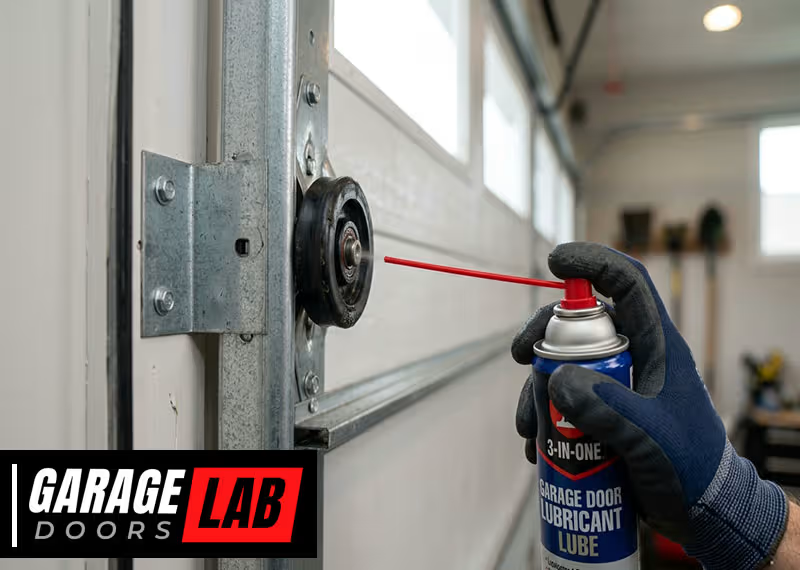
- Lubricate hinges and rollers to keep the door working smoothly, but avoid getting oil on the painted surface.
- Check for peeling or fading each year, especially on the sunny side of your house.
Non-obvious insight: Use a car wax on metal or fiberglass doors. This adds an extra layer of protection and makes future cleaning easier.
When To Hire A Pro
Most garage doors can be painted by a homeowner, but sometimes it’s better to call in experts.
- Very large or tall doors that need ladders or special tools
- Extensive rust or damage that needs repair before painting
- If you want a specialty finish (like faux wood grain or custom designs)
- Little time or physical limitations
Professional painters have access to industrial coatings and can finish the work quickly and safely.
Real-world Example: A Homeowner’s Experience
Let’s take James, a homeowner in Ohio. His steel garage door was faded and had rust at the bottom edge from winter salt. He spent an afternoon cleaning, sanding, and priming. The next day, he used two coats of exterior latex paint in a slate gray color.
In total, the project cost him under $80, and his neighbors thought he’d replaced the door! Two years later, the finish still looks great because he washes it every spring and touches up small scratches.
James’s story shows you don’t need fancy equipment—just the right steps and a bit of patience.
Cost Comparison: Painting Vs. Replacing Garage Doors
Is it really worth painting, or should you just get a new door? Here’s a rough cost comparison.
| Option | Average Cost (Single Door) | Time Needed | Lifespan Added |
|---|---|---|---|
| DIY Painting | $60 – $150 | 4–8 hours | 3–5 years |
| Professional Painting | $200 – $500 | 2–4 hours | 5–7 years |
| New Garage Door | $800 – $2,500+ | 1 day (install) | 15–25 years |
Painting is much cheaper and gives great results if your door is still in good shape.
Safety Tips For Painting Garage Doors
Safety should always come first, even for a “simple” job.
- Wear a mask when sanding or using oil-based paints to avoid dust or fumes.
- Use gloves to protect your hands from chemicals and sharp edges.
- Be careful with ladders. Always place them on level ground.
- Keep children and pets away from the work area.
- Store paint and solvents out of reach when not in use.
If you feel dizzy or short of breath, stop immediately and get fresh air.
For more on paint safety, visit the EPA’s renovation safety guide.
Frequently Asked Questions
How Long Does It Take To Paint A Garage Door?
Most DIY projects take 1–2 days. Cleaning and prep work take about half a day, and painting (with drying time between coats) takes the rest.
Can You Paint Garage Doors In Winter?
It’s best to wait for warmer weather. Most paints need temperatures above 50°F (10°C) to dry and cure properly. If you paint in the cold, the finish may not last.
What Kind Of Paint Should You Use For A Metal Garage Door?
Use a 100% acrylic exterior latex paint for metal doors. It resists rust, fading, and weather better than oil-based or interior paints.
Do You Need To Sand A Garage Door Before Painting?
Yes, you should always sand the surface lightly. This helps new paint stick and removes any gloss, old paint, or surface dirt.
How Long Will The New Paint Last?
A well-done paint job on a garage door usually lasts 3–7 years, depending on weather, sun exposure, and how well you maintain it.
A freshly painted garage door is a small project with a big impact. With the right tools, good prep, and a little patience, you can give your home a facelift that lasts for years. You don’t need special skills—just follow these steps, avoid shortcuts, and enjoy the results.
Your neighbors might even ask for your secret!