
Repainting a metal garage door can make your home look fresh and well-kept. Many homeowners forget about their garage door, but it’s a large part of your home’s exterior. Over time, metal doors can fade, rust, or lose their shine from sun, rain, and daily use.
A new coat of paint does more than just add color—it protects the metal, prevents rust, and can even boost your property value. If you want your garage door to last and look great, repainting is a smart and cost-effective project.
Some people worry that painting a metal garage door is hard or only for professionals. But with the right approach, tools, and clear steps, you can do it yourself. You just need patience, good preparation, and attention to detail. This guide will walk you through everything: from preparation and choosing the right paint, to applying the final coat and cleaning up. You’ll also learn common mistakes to avoid, pro tips for a smoother finish, and what to expect at every stage. Let’s get started on making your garage door look brand new.
Why Repaint A Metal Garage Door?
Repainting your metal garage door is not just about looks. There are deeper reasons to do it, and understanding them will help you get the best result.
Protection From Rust and Weather: Metal is strong, but it can rust when exposed to moisture and air. Old or chipped paint lets water reach the metal. A fresh layer of paint creates a barrier, protecting the door from rain, snow, and sun damage.
Improved Curb Appeal: Your garage door is a big part of your home’s exterior. A faded or chipped door makes the whole house look older. Fresh paint can make your house more attractive and inviting, which is important if you plan to sell or just want to take pride in your home.
Longer Door Life: Regular repainting can extend the life of your door. By preventing rust and damage, you avoid costly repairs or replacements later.
Customization: Repainting is a chance to match your garage door with your home’s style. You can choose a bold color, a classic look, or something that blends in.
Increased Property Value: A well-maintained garage door can increase your home’s value. Potential buyers notice the care you’ve given, and a good-looking garage door gives a great first impression.
What You Need: Tools And Materials
Having the right tools and materials will make the job easier and help you get a pro-quality finish. Here’s what you’ll need:
Basic Tools:
- Wire brush or sanding block
- Scraper
- Bucket
- Sponge or soft cloths
- Paint roller (short nap for metal)
- Paintbrush (for corners and details)
- Painter’s tape
- Drop cloths or plastic sheeting
- Ladder (if your door is tall)
- Stir sticks
- Safety gloves and goggles
- Dust mask or respirator
Materials:
- Mild detergent or degreaser
- Rust converter (if needed)
- Metal primer (rust-inhibiting)
- Exterior paint (for metal surfaces, oil-based or 100% acrylic latex)
- Mineral spirits (if using oil-based paint)
- Sandpaper (medium and fine grit)
- Patch filler (for dents or holes, if needed)
Pro Tip: Always check the paint label to ensure it’s made for metal and outdoor use. Using the wrong paint is a common mistake.
Choosing The Right Paint And Primer
Not all paints are good for metal garage doors. The wrong choice can lead to peeling, bubbling, or rust. Here’s what matters most:
Paint Type:
- 100% Acrylic Latex: This is the most popular choice for DIYers. It sticks well, dries fast, and resists fading. It’s also easier to clean up with water.
- Oil-Based Enamel: Offers extra durability and a very smooth finish. It’s better for harsh climates but takes longer to dry and needs mineral spirits for cleanup.
Primer:
- Always use a primer made for metal. A rust-inhibiting primer is best, even if your door looks rust-free. It helps the paint stick and stops new rust from forming.
- If your door has old rust spots, use a rust converter before priming. This changes rust into a paintable surface.
Finish:
- Semi-gloss or Satin: These are best for garage doors. They look good and are easy to clean. Gloss shows more flaws but gives a shiny look.
Colors:
- Lighter colors reflect heat and last longer in sun. Dark colors absorb heat, which can lead to faster fading.
- Match the color to your house trim or front door for a coordinated look.
Paint Quantity:
A single garage door (about 9 feet by 7 feet) usually needs 1 quart to 1 gallon of paint, depending on the number of coats and paint type.
Non-Obvious Insight: Some paints contain built-in primer, but for metal garage doors, a separate primer layer gives much better rust protection and durability.
Preparing The Garage Door
Preparation is the most important part of painting. Skipping steps here can ruin your results. Take your time and do it right.
1. Clean The Door Thoroughly
Dirt, oil, and old paint can stop new paint from sticking. Use a mix of mild detergent and warm water to wash the door. Scrub with a sponge or soft brush, paying special attention to corners and edges where grime builds up.
Rinse with clean water and let it dry completely.
Pro Tip: A pressure washer on a gentle setting can help, but avoid blasting water into the seams.
2. Remove Rust And Old Paint
- Use a wire brush or sanding block to scrub away loose paint and rust. Focus on rusty spots and peeling areas.
- For stubborn rust, apply a rust converter. Follow the label instructions.
- Smooth the entire surface with fine-grit sandpaper. This helps the primer stick.
- Wipe off all dust with a clean, damp cloth.
3. Repair Dents And Holes
If you see small dents or holes, fill them with a patch filler made for metal. Let it dry fully, then sand smooth.
4. Protect Surroundings
Lay drop cloths under the door to catch drips. Use painter’s tape to cover handles, trim, and areas you don’t want to paint. Tape around windows if your garage door has them.
5. Let The Door Dry
Moisture can ruin paint jobs. Make sure the door is fully dry before moving on to priming.
Priming The Metal Garage Door
Priming is a step you should never skip with metal. It provides a base for the paint and keeps rust from returning.
How to Apply Primer:
- Stir the primer well before use.
- Use a brush for corners and edges. A roller works best for flat areas.
- Apply primer in thin, even layers. Avoid drips.
- Cover the entire surface, including seams and inside edges.
- Let the primer dry as directed on the can (usually 1-4 hours).
If your door is in rough shape, consider a second coat of primer for extra protection.
Non-Obvious Insight: Priming on a cool, dry day helps the primer cure evenly. Hot, humid days can cause the primer to dry too fast, trapping moisture.
Painting The Garage Door: Step-by-step
Painting is where you see the transformation. Take your time and use careful strokes for a smooth, even finish.
1. Stir And Prepare Paint
Open your paint and stir thoroughly. If using more than one can, mix them together in a large bucket to ensure color consistency.
2. Start With Details And Edges
Use a brush to paint corners, edges, and around hardware. These areas are easier to do first and help prevent roller marks later.
3. Roll Or Brush Large Areas
- Use a short-nap roller for flat panels.
- Apply paint in thin, even layers. Don’t overload the roller or brush.
- Work from top to bottom to catch drips as you go.
- Overlap each stroke slightly for even coverage.
4. Watch For Drips And Runs
As you paint, check for drips and smooth them out right away. Metal doors show runs easily, so keep your brush or roller light.
5. Let The First Coat Dry
Follow the paint can instructions for drying time. Usually, you’ll wait 4–6 hours before recoating.
6. Apply A Second Coat
Most doors need two coats for good coverage and durability. Repeat the process for a professional look.
7. Remove Tape Before Paint Dries Completely
Pull off painter’s tape while the paint is still slightly tacky. This gives cleaner lines and avoids peeling.
Pro Tip: Don’t paint in direct sun or on windy days. Paint dries too quickly, which can cause bubbles or uneven finish.
Timing, Drying, And Weather Tips
Getting the timing right makes a big difference in your results.
- Best Weather: Dry, mild days (50–80°F) with low humidity are best. Avoid painting before rain or during high humidity.
- Drying Time: Paint dries on the surface in a few hours, but full curing can take several days. Don’t wash or touch up the door until it’s fully cured.
- Garage Use: Keep the door closed while painting and drying. If you need to open it, wait at least 12 hours after the final coat.
Non-Obvious Insight: Metal expands and contracts with temperature. Painting during stable weather reduces the chance of cracks or peeling later.
Cleaning Up
Good cleanup keeps your tools working longer and prevents paint from drying in unwanted places.
- Wash brushes and rollers with water for latex paint, or mineral spirits for oil-based.
- Collect drop cloths and dispose of any paint chips or waste properly.
- Store leftover paint in a cool, dry place for future touch-ups.
Dispose of any solvents and old paint according to your local hazardous waste rules.
Aftercare And Maintenance
A newly painted garage door will last longer with a bit of care.
- Wash the door with mild soap and water every few months to prevent dirt buildup.
- Inspect for chips or scratches each season. Touch up small spots quickly to stop rust.
- Avoid using harsh chemicals or power washers, which can damage the paint.
Data Point: According to home improvement studies, a well-painted and maintained metal garage door can last 8–12 years before needing a full repaint.
Common Mistakes And How To Avoid Them
Learning from others’ mistakes can save you time and effort.
- Skipping Primer: This leads to peeling paint and fast rusting.
- Painting Over Dirt or Old Paint: The new paint won’t stick well and will flake off.
- Using the Wrong Paint: Interior or wood paint can crack and peel quickly on metal.
- Painting in Bad Weather: Too hot, cold, or humid and the paint may not dry right.
- Not Sanding Enough: Smooth surfaces help paint grip better. Don’t rush this step.
- Ignoring Rust: Rust will spread under paint. Remove it or treat it first.
- Applying Thick Coats: Thick paint drips and takes longer to dry. Use thin, even coats.
- Not Protecting Surroundings: Paint splatters on your driveway or trim are hard to remove.
- Not Waiting Between Coats: Rushing leads to smudging and uneven color.
- Forgetting Safety Gear: Paint fumes and dust can be harmful. Always wear a mask and gloves.
Pro Tips For A Long-lasting Finish
- Use a high-quality brush and roller for a smoother finish.
- Mix extra paint for future touch-ups and label the can with the date and color.
- Don’t paint door seals or rubber trim—they need to stay flexible.
- If your garage faces the sun, consider a UV-resistant paint for extra protection.
- Wait at least 3 days before washing or touching up the new paint.
- If possible, paint in the morning or late afternoon to avoid peak sun.
Comparing Paint Types For Metal Garage Doors
Choosing between paint types can be confusing. Here’s a simple comparison:
| Paint Type | Durability | Drying Time | Cleanup | Best For |
|---|---|---|---|---|
| 100% Acrylic Latex | Very Good | 4-6 hours | Soap & Water | DIY, easy maintenance |
| Oil-Based Enamel | Excellent | 8-12 hours | Mineral Spirits | Harsh weather, heavy use |
| Spray Paint (for metal) | Good | 1-2 hours | Varies | Small repairs or details |

Step-by-step Timeline For Repainting
It helps to know how long each stage takes, so you can plan your project.
| Step | Estimated Time |
|---|---|
| Cleaning | 30–60 minutes |
| Rust & Paint Removal | 1–2 hours |
| Repairs | 30 minutes–1 hour |
| Priming | 1–2 hours (plus drying) |
| Painting (per coat) | 1–2 hours (plus drying) |
| Cleanup | 30 minutes |
In total, expect the project to take 1–2 days, depending on weather and drying times.
Safety And Environmental Considerations
Painting can be safe if you take basic precautions.
- Ventilation: Paint fumes can be strong. Keep the garage door open and work in fresh air.
- Protective Gear: Wear gloves, goggles, and a dust mask or respirator.
- Disposal: Don’t pour leftover paint or chemicals down the drain. Follow local guidelines for hazardous waste.
- Lead Paint Warning: If your garage door is very old (pre-1978), the old paint might contain lead. Test before sanding or scraping. For more on lead safety, see this EPA guide.

Cost Of Repainting A Metal Garage Door
You can save a lot by doing this project yourself. Let’s break down the typical costs:
- Paint and Primer: $40–$80
- Brushes, Rollers, Tape: $20–$40
- Drop Cloths and Cleaning Supplies: $10–$20
- Miscellaneous (rust converter, filler): $10–$20
Total DIY Cost: $80–$160
If you hire a professional, costs range from $200–$500 depending on the door size and prep needed.
Non-Obvious Insight: Buying extra paint for touch-ups now will save you money and color-matching hassle later.
Signs It’s Time To Repaint
How do you know your garage door needs repainting? Look for these signs:
- Fading or chalky color
- Peeling or bubbling paint
- Visible rust spots
- Dents or scratches exposing bare metal
- Water stains or streaks
If you see any of these, repainting soon will prevent further damage.
Frequently Asked Questions
How Often Should I Repaint My Metal Garage Door?
Most metal garage doors need repainting every 8–12 years, but this depends on climate, sun exposure, and quality of the last paint job. Inspect your door each year for early signs of wear.
Can I Paint A Garage Door Without Removing It?
Yes, you can repaint the door while it’s still on its hinges. Just make sure to keep it closed during painting and drying, and protect the surrounding area with drop cloths and tape.
What If My Garage Door Has A Lot Of Rust?
Remove as much loose rust as possible with a wire brush. Treat remaining spots with a rust converter, then use a rust-inhibiting primer. Severely rusted doors may need professional help or replacement.
Is Spray Painting Better Than Brushing Or Rolling?
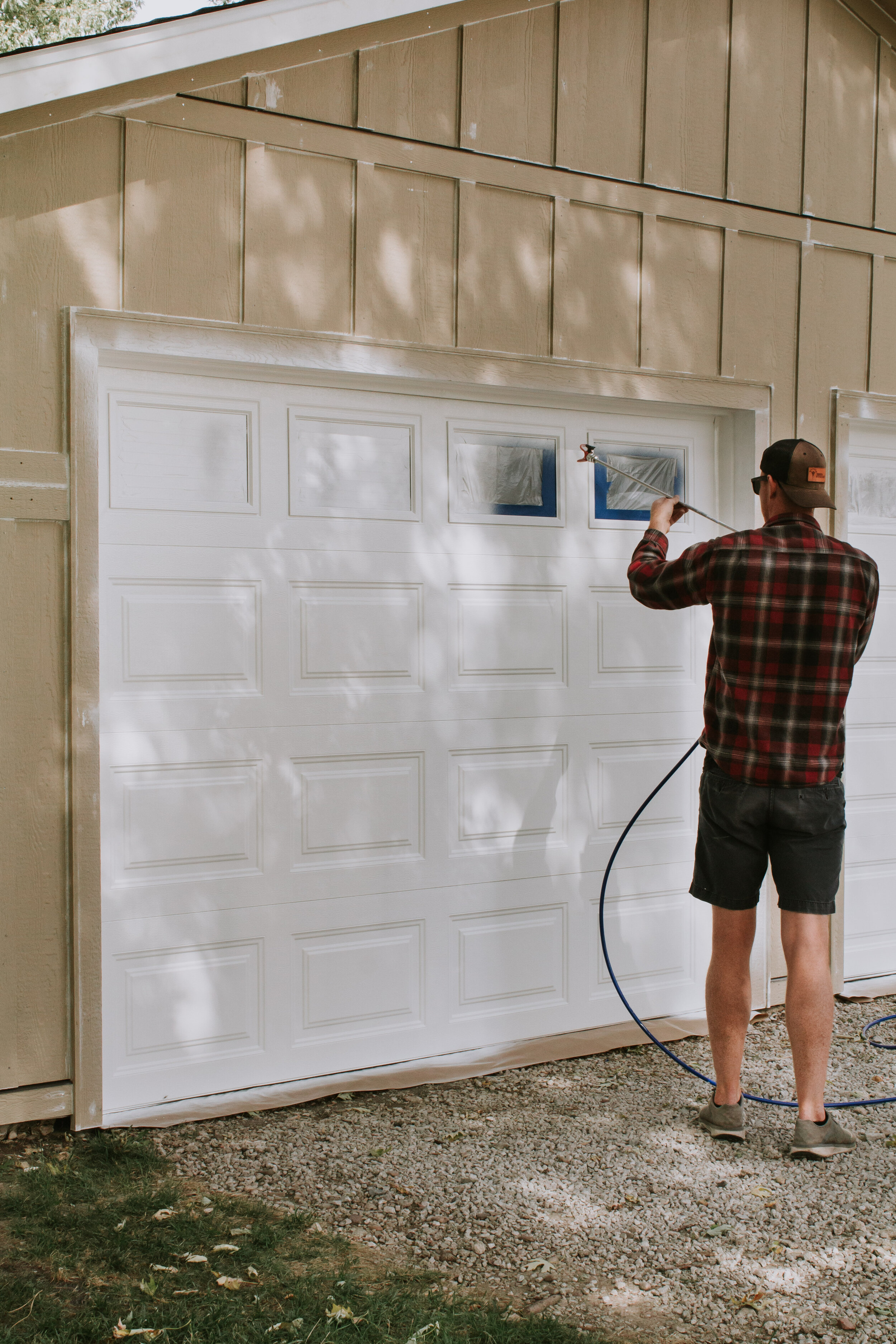
Spray painting can give a very smooth finish but requires more prep and can be messier. For most DIYers, a roller and brush are easier and give excellent results. Spray paint is best for small repairs or intricate designs.
Does The Type Of Metal Matter For Painting?
Most garage doors are made of steel or aluminum. Both need similar prep and painting steps, but aluminum may need a special etching primer. Always check what your door is made of and follow paint manufacturer advice.
A well-painted garage door can truly transform your home’s appearance and protect your investment for years. With the right preparation, tools, and tips, you can enjoy a fresh, professional finish and the satisfaction of a job well done. If you’d like more guidance, check resources like the This Old House guide for additional expert advice. Happy painting!