
When your garage door suddenly stops working after you pull the red cord, it can be confusing and even stressful. This small, simple-looking cord is actually a key part of your garage door system. If you ever lose power, get locked inside, or need to open the door by hand, the red cord is your lifeline. But what happens next? Many homeowners find themselves stuck, unsure how to get their garage door back to normal operation. If that’s you, don’t worry—you’re not alone.
In this guide, you’ll learn exactly how to reset your garage door after pulling the red cord. The process might look intimidating at first, but with clear steps, safety tips, and some extra insights, you’ll soon have your door working like new. You’ll also get answers to common questions, advice for different garage door types, and practical troubleshooting information. Let’s get started and make sure your garage door is safe, secure, and fully functional.
Why Does The Garage Door Have A Red Cord?
Every automatic garage door has an emergency release cord—usually red—for a very important reason. This cord disconnects the door from the opener, letting you open or close the door manually. Imagine there’s a power outage, or the motor breaks down. With the red cord, you’re never trapped inside or outside your garage.
But after you use it, the opener and the door are no longer connected. That’s why the garage door won’t open automatically until you reset the system. Resetting is about making the trolley and carriage re-engage, so the opener can control the door again.
How The Garage Door Opener System Works
To understand why you need to reset after pulling the red cord, it helps to know a bit about how garage door openers function. Here’s a simple overview:
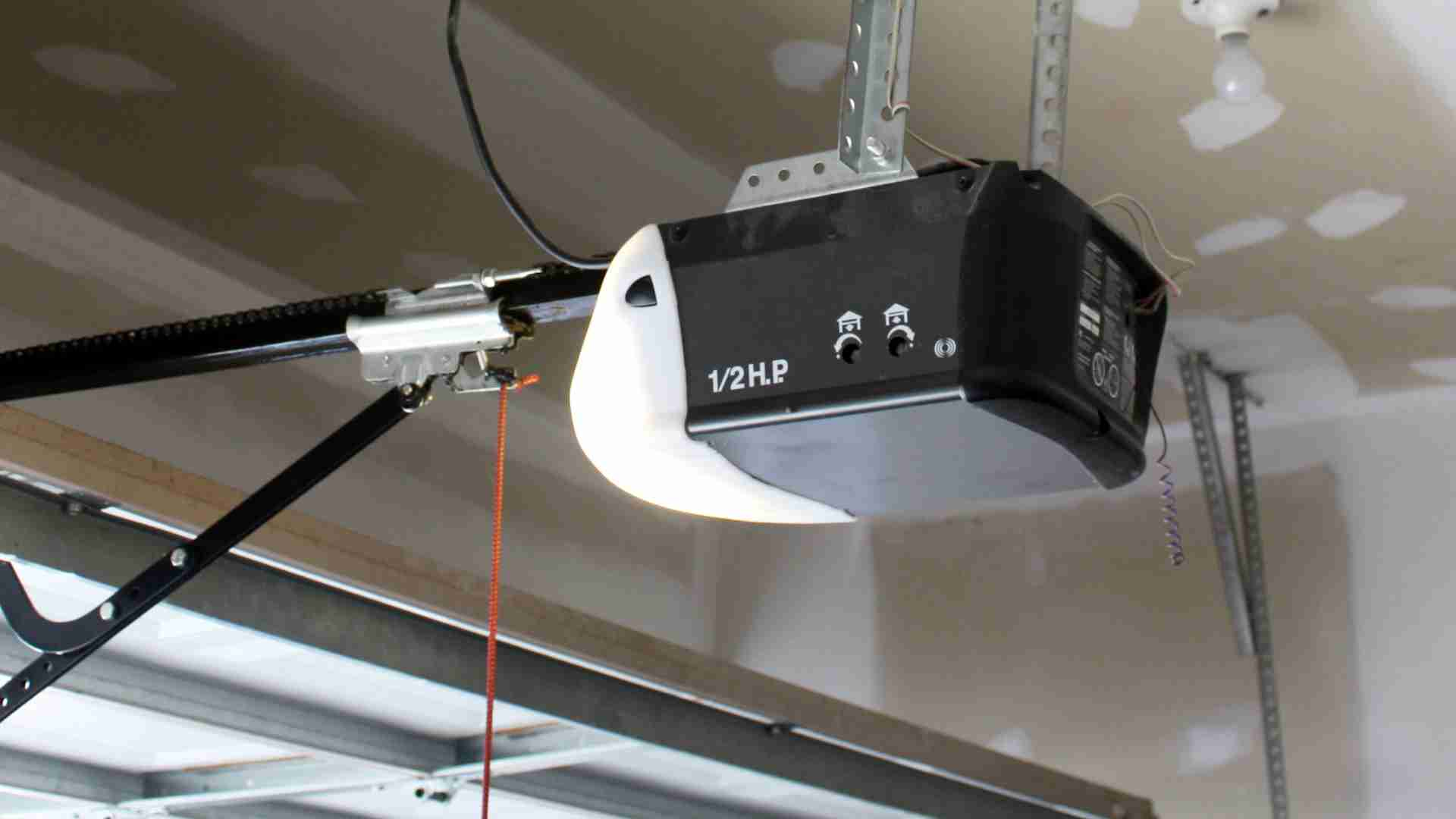
- The opener motor moves a metal rail, where a trolley connects to the door.
- The trolley locks into the carriage, which moves back and forth, pulling the door up or pushing it down.
- When you pull the red cord, the trolley disconnects. The opener runs, but the door stays still.
- To use the opener again, you must reconnect the trolley to the carriage.
This mechanical system is strong but sometimes tricky. A small mistake can keep your door stuck in manual mode.
Safety First: Precautions Before You Begin
Working with your garage door is usually safe, but not always risk-free. These doors are heavy—often over 150 pounds. Missteps can cause injury or damage. Here are safety tips before you reset:
- Clear the Area: Make sure children, pets, and any obstacles are away from the door.
- Check the Door’s Position: The door should be fully closed or fully open before resetting. Resetting with the door half-open can cause it to slam shut or move unexpectedly.
- Wear Gloves: Metal parts and springs can be sharp or dirty.
- Don’t Force Anything: If the door doesn’t move smoothly, stop and inspect for problems.
- Read the Manual: If you have it, check your garage door opener’s manual for model-specific advice.
- Call a Professional: If you see broken springs, loose cables, or hear loud noises, stop. These are jobs for trained technicians.
What Happens When You Pull The Red Cord?
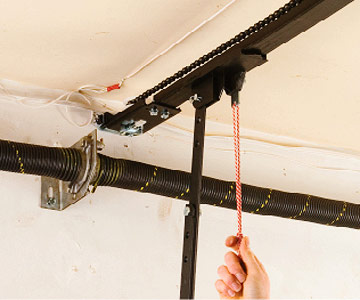
When you pull the red emergency release cord, it immediately disconnects the trolley from the opener’s carriage. Here’s what you’ll notice:
- The opener motor will still run if you press the remote or wall button, but the door won’t move.
- The door can be lifted or lowered by hand.
- The trolley moves freely along the rail, but won’t “catch” until you reset.
This is by design. It allows you to open or close the garage door manually—useful during power outages or emergencies.
Step-by-step: How To Reset Garage Door After Pulling Red Cord
Now, let’s walk through the complete process to reset your garage door and reconnect it to the opener.
1. Make Sure The Door Is In The Right Position
Before you start, check if your garage door is:
- Fully closed: This is the safest position to reset. If possible, lower the door all the way.
- Fully open: If you can’t close it, open it all the way up.
- Partially open: Avoid resetting in this position. The door could drop or move suddenly.
If the door is heavy or hard to move, don’t force it. There may be a problem with the springs or cables.
2. Locate The Red Cord
The red cord usually hangs down from the opener’s rail, about 6–8 feet from the ground. It’s attached to a small lever.
- If the cord is missing or broken, do not try to fix it with household string. Call a professional for repair.
3. Reconnect The Trolley
You have two main options to reset and reconnect the trolley:
Method A: Manual Reconnection
- Move the Door: With the opener unplugged or powered off, carefully move the garage door by hand until the trolley is directly under the carriage.
- Listen for a Click: As you move the door, you might hear a “click” when the trolley and carriage lock together.
- Test the Door: Try moving the door again manually—if it won’t move, it’s re-engaged.
Method B: Automatic Reconnection Using The Opener
- Plug In or Power On: Restore power to the opener.
- Press the Remote or Wall Button: Activate the opener as if you’re opening or closing the door.
- Allow the Opener to Run: The carriage will move along the rail, and as it passes the trolley, it will “catch” and automatically reconnect with a click or snap.
- Let the Opener Complete a Full Cycle: Allow the door to open fully, then close fully. This helps the opener “learn” the door’s position.
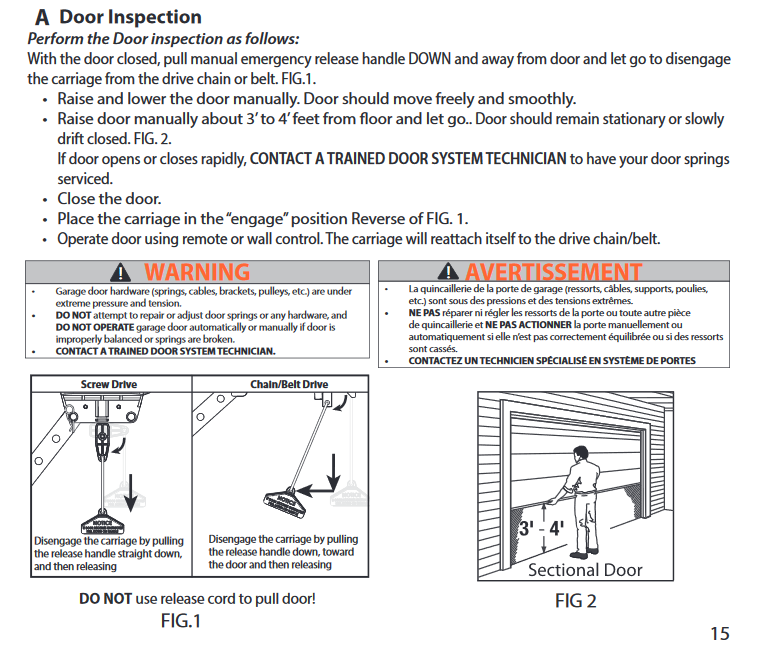
Tip: On some openers, you may need to pull the red cord slightly down and toward the door before reconnecting. Check your manual for model-specific instructions.
4. Test The Door
After reconnecting, always test the door’s operation:
- Use the remote or wall button to open and close the door.
- Watch closely for smooth, even movement.
- Listen for unusual noises.
If the door jerks, stops, or makes strange sounds, stop and check for obstructions, or call a technician.
5. Reset The Opener (if Needed)
Some modern garage door openers have “smart” systems that may need a reset after manual operation:
- Locate the reset button (usually on the opener unit).
- Hold the button for 10 seconds or until you see a blinking light.
- Test the door again.
Consult your opener’s manual for exact steps. This step is only necessary for smart or Wi-Fi enabled openers.
Common Problems After Pulling The Red Cord
Not every reset goes perfectly. Here are common issues and how to handle them:
The Door Won’t Reconnect
- The trolley may be out of alignment. Try moving the door manually until it lines up with the carriage.
- Check if the cord lever is stuck in the “disengaged” position. Wiggle the cord gently to reset it.
The Door Moves Crookedly Or Gets Stuck
- Inspect the tracks for obstructions.
- Check for bent rails or rollers.
- If the problem continues, you may have a broken spring or cable. Do not try to fix these yourself—call a professional.
The Opener Runs, But The Door Doesn’t Move
- The trolley is probably not fully re-engaged. Repeat the reconnection steps above.
The Red Cord Is Broken Or Frayed
- Do not use a damaged cord. Replace it with an official part from your opener’s manufacturer.
Manual Vs. Automatic Reset: Which Is Better?
Both methods work, but one may be safer or easier depending on your door type and situation.
| Method | Best For | Pros | Cons |
|---|---|---|---|
| Manual Reset | Heavy or older doors Power outages | Full control No power needed | Requires strength Risk of misalignment |
| Automatic Reset | Modern openers Doors with sensors | Easy Hands-free | Needs power May not work if trolley is damaged |
Insight: For most people, the automatic reset is faster and safer, but if your opener is old or the power is out, manual may be your only option.
Types Of Garage Door Openers And Reset Differences
Not all garage doors are built the same. The reset steps can vary based on your opener type:
Chain-drive Openers
- Most common in older homes.
- The reset process is usually straightforward, as described above.
Belt-drive Openers
- Quieter operation, popular in newer homes.
- The trolley and carriage may be more enclosed—be gentle when moving parts.
Screw-drive Openers
- Use a threaded rod instead of a chain.
- Resetting may require more force; check the manual for specific steps.
Direct-drive And Jackshaft Openers
- The motor moves directly or mounts on the wall.
- Some models do not use a traditional red cord. If yours does not, do not attempt a reset—call a professional.
Here’s a quick comparison:
| Opener Type | Red Cord Location | Reset Difficulty | Common Issues |
|---|---|---|---|
| Chain-Drive | Middle of rail | Easy | Noisy operation |
| Belt-Drive | Middle of rail | Easy | Belt slippage |
| Screw-Drive | Near opener unit | Medium | Thread wear |
| Direct-Drive/Jackshaft | May not have | Hard | Complex mechanisms |
Pro Tip: Always know your opener’s make and model. This helps when searching for manuals or ordering parts.
How To Avoid Common Mistakes
Resetting a garage door isn’t hard, but simple errors can create bigger problems. Here are mistakes to watch for:
- Resetting with Door Half-Open: This can cause the door to slam shut or move off track.
- Ignoring Strange Noises: Grinding, squeaking, or banging sounds mean something is wrong.
- Using Makeshift Parts: Only use manufacturer-approved cords and parts.
- Forcing the Door: If it doesn’t move easily, stop and inspect.
- Skipping Regular Maintenance: Lubricate tracks, check springs, and clean sensors every few months.
Advanced: Resetting Smart Or Wi-fi Enabled Garage Door Openers
Newer openers may have Wi-Fi, smartphone controls, or “learn” buttons. After pulling the red cord, you might need to recalibrate or reprogram the opener:
- Check the App: Some systems require you to reset or resync through their mobile app.
- Reprogram Remotes: Hold the “learn” button on the opener until the light blinks, then press your remote.
- Update Door Position: Some smart openers need to “learn” where fully open and closed positions are. Run a full open/close cycle.
Always consult the manual or manufacturer’s website for model-specific instructions.
When To Call A Professional
Most resets are DIY-friendly, but call a pro if:
- The door is extremely heavy or hard to move.
- You see broken springs, cables, or hardware.
- The door is off its track.
- The opener makes loud grinding or banging noises.
- You feel unsafe or unsure at any step.
Garage door springs are under high tension and can be dangerous. Don’t take risks if you have doubts.
Maintenance Tips After Resetting
A reset is a good time to check your system’s overall health. Here’s what to do:
- Lubricate Moving Parts: Use garage door lubricant on rollers, tracks, and hinges.
- Check the Balance: Disconnect the opener and lift the door halfway. It should stay in place. If not, springs may need adjustment.
- Clean the Tracks: Remove dirt and debris for smooth operation.
- Test Safety Features: Place a small object (like a roll of paper towels) under the door and close it. The door should reverse if it touches the object.
- Inspect the Red Cord: Make sure it’s not frayed or tangled.
Regular upkeep can prevent future problems and costly repairs.
Real-world Example: Resetting After A Power Outage
Imagine there’s a storm, and your neighborhood loses power. You pull the red cord to open the garage door by hand so you can get your car out. When the power returns, you notice the remote doesn’t work.
Here’s what you’d do:
- Make sure the door is closed.
- Press the opener button. The carriage moves, “catches” the trolley, and the door works again.
- If the opener doesn’t reconnect, move the door manually until you hear the click.
This simple routine gets your life back on track quickly and safely.
Key Insights Homeowners Often Miss
1. The red cord is not a repair tool. Many people think pulling the cord will “fix” a stuck door. In reality, it only switches the door to manual mode. If you have ongoing problems, the issue is deeper—possibly with the springs, cables, or opener motor.
2. Resetting doesn’t solve every problem. If your door keeps coming off track or won’t reconnect, don’t repeat the reset steps endlessly. Persistent trouble usually means a mechanical fault that needs professional help.
Extra Tips For A Long-lasting Garage Door System
- Label Your Opener: Write your opener’s model and customer support number on the unit for quick reference.
- Practice the Reset: Try the reset process once a year so you’re prepared in an emergency.
- Keep the Cord Accessible: Don’t tie the cord up high or let it dangle where it’s in the way.
- Teach Family Members: Show everyone in your home how to use the red cord and reset the door.
Trusted Resources For Further Reading
For more details on garage door safety and maintenance, see the official HomeAdvisor Garage Door Safety Guide. This resource covers advanced topics and professional repair information.
Frequently Asked Questions
Why Won’t My Garage Door Open Automatically After I Pulled The Red Cord?
After pulling the red cord, the opener and door are disconnected. The opener runs, but the trolley is not attached to the carriage. You must reset and reconnect them before the door will work automatically.
Is It Safe To Reset The Garage Door Myself?
Yes, as long as the door is fully closed, undamaged, and you follow safety steps. If you see broken springs, cables, or the door feels extremely heavy, stop and call a professional.
How Do I Know If The Trolley Is Reconnected?
When the trolley and carriage are engaged, you’ll usually hear a “click.” The door will no longer move by hand, and the opener will lift or lower the door as normal.
Can I Use Any String To Replace The Red Cord?
No. Only use the manufacturer’s approved emergency release cord. Household string may break or cause injury. If the cord is damaged, order the proper replacement.
What If My Garage Door Opener Has A Battery Backup Or Wi-fi?
Battery backup and Wi-Fi features don’t change the reset process. However, you may need to recalibrate or resync your opener with remotes or smart apps after a manual reset. Consult your manual for details.
Resetting your garage door after pulling the red cord is a valuable skill every homeowner should know. With clear steps, a focus on safety, and attention to detail, you can keep your garage door system running smoothly for years to come.