
Now Reading: How to Shut Garage Door Manually: Quick and Easy Steps
- 01
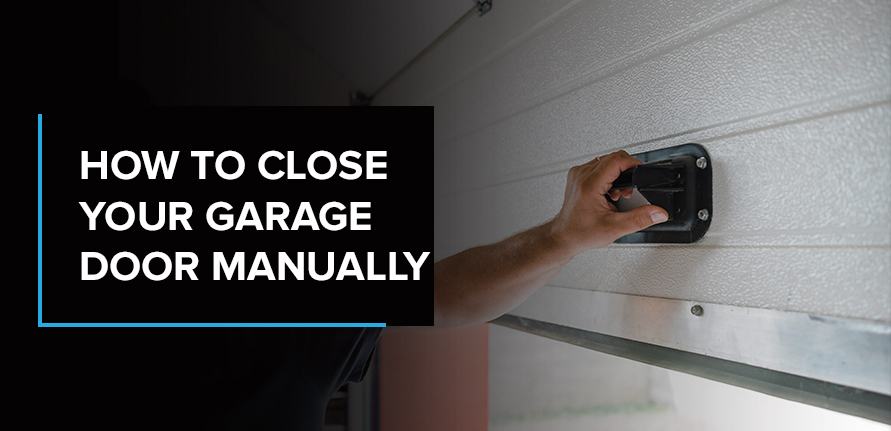
How to Shut Garage Door Manually: Quick and Easy Steps

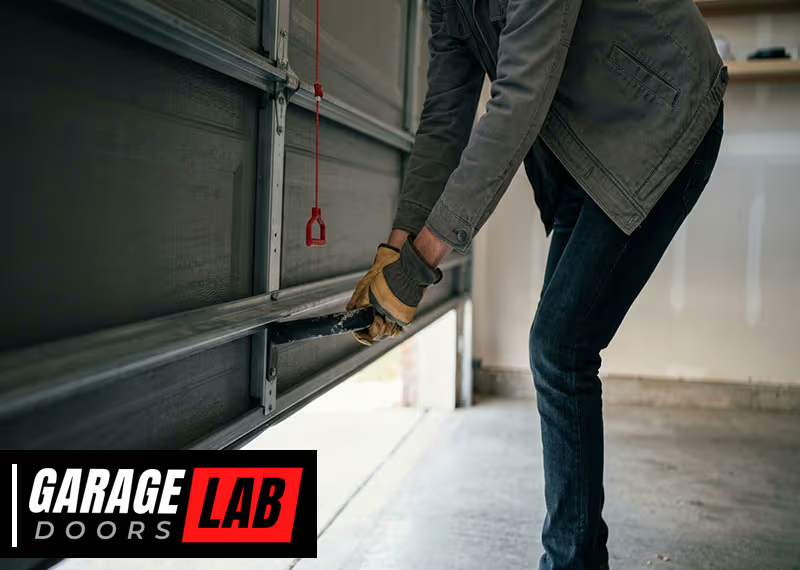
If your garage door opener stops working or the power goes out, you might feel stuck. But you don’t have to wait for a repair technician or feel trapped by technology. You can shut your garage door manually—safely and with confidence—if you know the right steps. Whether you’re preparing for a storm, leaving for work, or just want to secure your home, understanding how to disconnect and close your garage door by hand is a simple but powerful skill. Many homeowners overlook small details that can make this process easier, safer, and less stressful. Let’s break down everything you need to know, from basic door types and mechanisms to step-by-step instructions, safety tips, and troubleshooting advice.
Why You Might Need To Shut A Garage Door Manually
Garage doors usually rely on electric openers. These devices are convenient but not perfect. Here are common situations when you’ll need to operate your garage door by hand:
- Power outage: Storms or grid failures can cut electricity.
- Opener malfunction: Motors, remotes, or sensors sometimes fail.
- Broken spring or cable: The opener may work, but the door won’t move.
- Routine maintenance: You need to test or service the door.
- Emergency exit: Sometimes, the garage is your safest escape route.
Handling a garage door manually can keep you safe, prevent property damage, and help you avoid expensive service calls.
Understanding Your Garage Door System
Before shutting your garage door manually, know what kind of door and opener you have. This helps you locate the manual release and avoid mistakes.
Types Of Garage Doors
Most US homes have one of these main types:
- Sectional doors: Made of panels that roll up on tracks; very common.
- One-piece (tilt-up) doors: Swing out and up in one large piece.
- Roll-up doors: Often found in commercial settings, roll into a coil.
Each style has a different weight, movement, and release mechanism. Sectional and one-piece doors are most common in homes.
The Garage Door Opener
The opener is the motorized device above your door. It pulls the door open and pushes it closed. Key parts:
- Trolley: The arm that connects the door to the opener rail.
- Emergency release cord: A red cord or handle that disconnects the door from the opener.
- Tracks and springs: Guide and balance the door’s movement.
Knowing these terms helps you follow the manual release process.
Safety Features And Locks
Modern doors have:
- Automatic reversal sensors: Stop the door if something is underneath.
- Manual locks: Some doors have a slide or latch you can use when power fails.
It’s important to know if your door has these features. Disabling the opener does not always disable the lock, and vice versa.
Preparing To Shut The Garage Door Manually
Preparation is more than finding the emergency cord. Take these steps before you start:
- Clear the area: Remove cars, bikes, tools, or clutter near the door’s path.
- Check for children or pets: Make sure no one is near the tracks or door.
- Inspect the door: Look for broken springs, frayed cables, or bent tracks. Don’t force the door if you see damage.
- Wear gloves: Metal parts can be sharp or greasy.
- Keep a flashlight handy: If the power is out, you’ll need light.
A little preparation goes a long way in preventing accidents.
How To Shut A Garage Door Manually: Step-by-step Guide
Let’s walk through the safest and most common process for manually shutting a garage door. These steps work for most sectional and tilt-up residential doors.
1. Make Sure The Door Is Not Locked
Some garage doors have interior slide bolts or padlocks. If the door is locked, forcing it can damage the opener or the door itself. Unlock all manual locks first.
2. Unplug Or Turn Off The Opener
If possible, disconnect the opener from the power outlet. This prevents it from accidentally activating while you’re working. If you can’t reach the plug, make sure no one tries to open the door remotely.
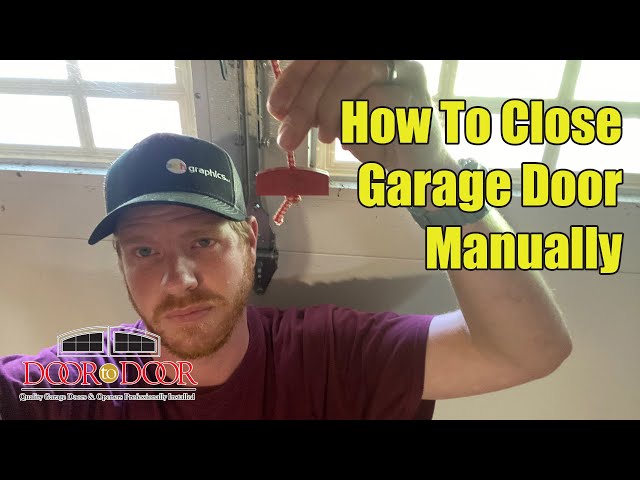
3. Locate The Emergency Release Cord
Look for a red cord or handle hanging from the opener rail. This is usually about 6 feet off the ground. It’s often labeled “emergency release.”
4. Pull The Release Cord
Grip the handle firmly and pull down. This disconnects the trolley from the opener carriage. You may hear a click as the mechanism disengages.
Important: If the door is open or partially open, hold it securely before pulling the cord. Some doors are heavy and can slam shut quickly if not supported.
5. Test The Door Movement
Once disconnected, gently lift or lower the door by hand. It should move smoothly. If it’s very heavy or stuck, stop and inspect for broken springs or tracks.
6. Lower The Door Slowly
Use both hands to guide the door down. Keep your body clear of the path. Lower the door evenly to avoid jamming the tracks. If the door is too heavy, ask for help.
7. Secure The Door
Once closed, use the manual lock or a sturdy object to keep the door shut. Some doors have a slide bolt you can engage from the inside.
8. Reconnect The Opener (when Ready)
When power returns or repairs are complete, you can reconnect the opener. Most openers allow you to pull the emergency cord again (or push the door firmly until it clicks back into place).
Quick Checklist
- Unlocked all manual locks?
- Opener unplugged?
- Emergency cord located?
- Door supported and clear?
- Lowered door slowly with two hands?
- Door secured?
Double-checking these items can prevent injury and costly mistakes.
Special Considerations For Different Door Types
Not all garage doors are created equal. Here’s how the process varies with different models.
Sectional Overhead Doors
Most US homes have these. They’re balanced with torsion or extension springs. When released, they should move smoothly. If a sectional door is extremely heavy, the springs may be broken—a dangerous situation.
One-piece Tilt-up Doors
These swing outward before rising up. Make sure there’s nothing parked close to the door. The emergency release is similar, but the door’s weight is distributed differently. Always support the door as you lower it.
Roll-up Doors
Common in commercial garages or storage units. The emergency release might be a pin or latch, not a cord. These doors are heavier and may require two people.
Smart Garage Doors
Some new models have electronic locks or advanced security features. Check your manual for instructions. If you can’t find the emergency release, look for a small manual key slot near the opener.
Common Problems And How To Solve Them
Operating a garage door manually is usually simple, but problems can happen. Here’s how to spot and solve common issues.
Door Is Too Heavy To Move
This often means a broken spring or cable. Do not force the door. Springs hold most of the weight—without them, the door can weigh 150–400 pounds. Forcing it can cause injury. Call a professional.
Door Is Stuck Or Jammed
Check for:
- Debris in the tracks
- Bent rails
- Off-track rollers
Clean the tracks and look for damage. If the door is off its tracks, do not operate it further.
Emergency Cord Won’t Release
Sometimes the mechanism is stuck due to lack of use. Try pulling gently but firmly. Lubricate the release lever if needed. Do not use tools to pry it open.
Door Won’t Stay Closed
If the door rolls back up after you lower it, the springs are pulling too hard. Secure the door with a manual lock or block it with a solid object until you can adjust the springs.
Door Won’t Reconnect
If the opener won’t re-engage, make sure the trolley is lined up with the carriage. Some openers require you to push the door until it clicks; others need you to pull the emergency cord in the opposite direction.

Safety Tips For Manual Operation
Many injuries happen because people rush or skip safety steps. Here are essential safety tips:
- Never place hands near moving parts: Always hold the door at the edges, away from the tracks and springs.
- Don’t let children operate the door: Only adults should use the manual release.
- Support the door’s weight: If you feel strain, stop and ask for help.
- Check for balance: A well-balanced door should stay halfway open if you let go. If it falls or shoots up, call a pro.
- Test the door monthly: Practice using the emergency release so you’re ready in a real emergency.
Thousands of people are injured by garage doors each year, mostly due to improper manual operation. Take your time, and don’t take risks.
What To Do After Shutting The Door Manually
Closing your garage door by hand is only part of the job. Here’s what to do next:
- Secure the door: Lock it with the manual slide or an external padlock.
- Inform family or roommates: Let them know the opener is disconnected.
- Check for gaps: Make sure the door is fully closed to keep out weather, pests, and intruders.
- Restore opener power: Only after you’re ready to reconnect.
- Test the opener: Once reconnected, test both manual and automatic operation.
This prevents accidental damage when the opener is powered on again.
Comparing Manual And Automatic Garage Door Operation
Understanding the differences helps you appreciate why manual operation is important.
| Feature | Automatic | Manual |
|---|---|---|
| Power Required | Yes | No |
| Effort Needed | Minimal (just press a button) | Physical (may be heavy) |
| Speed | Fast and consistent | Depends on user |
| Safety Features | Sensors, auto-reverse | Manual control |
| When Used | Normal operation | During outages or malfunctions |
Manual operation is your backup when technology fails.
Real-world Example: Power Outage Scenario
Let’s say a thunderstorm knocks out power in your neighborhood. You need to leave for work, but your garage door won’t open. Here’s what you do:
- Unplug the opener for safety.
- Clear the area.
- Pull the emergency release cord.
- Manually lift and hold the door.
- Drive your car out.
- Return and lower the door by hand.
- Lock the door with a manual slide or padlock.
If you don’t know how to operate the door by hand, you could be late, damage your car, or leave your home unsecure.
How Often Do Garage Door Openers Fail?
Garage door openers last 10–15 years on average. However, 25% of US homeowners experience at least one opener failure per year due to power outages, mechanical problems, or sensor issues. Knowing how to shut your garage door manually can save you time and stress.
Maintenance Tips To Make Manual Operation Easier
A well-maintained garage door is much easier and safer to operate by hand. Here’s how to keep your system in top shape:
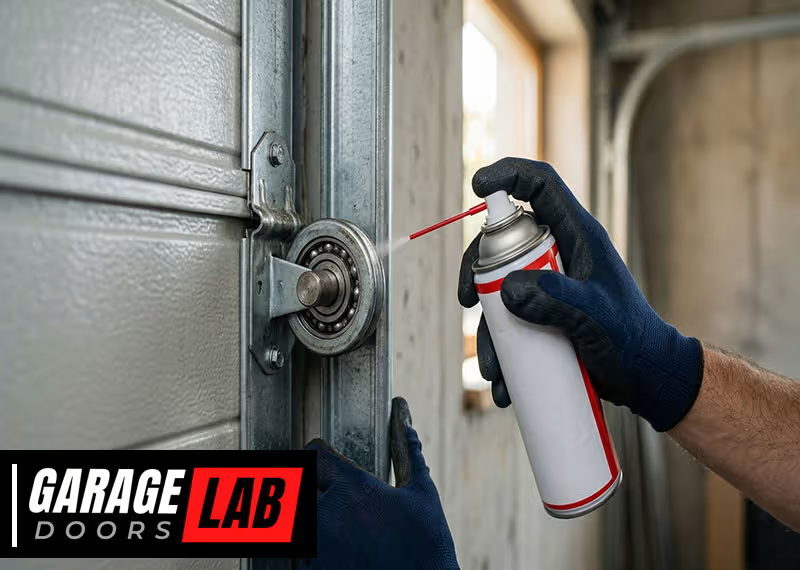
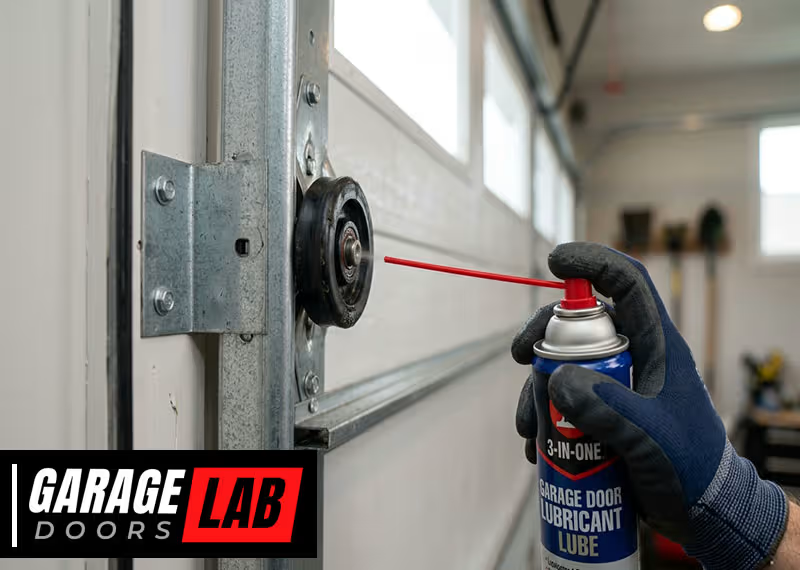
- Lubricate moving parts: Use silicone-based spray on rollers, hinges, and tracks every six months.
- Test the emergency release: Pull the cord monthly to ensure it isn’t stuck.
- Inspect springs and cables: Look for signs of wear or rust.
- Keep tracks clean: Sweep away dirt and debris regularly.
- Check balance: Lift the door halfway; it should stay in place.
Regular maintenance helps you avoid surprises in an emergency.
Common Mistakes Homeowners Make
Even handy people make errors with garage doors. Avoid these common mistakes:
- Forcing a stuck door: Can bend tracks or snap cables.
- Ignoring broken springs: Makes doors dangerously heavy.
- Not unlocking manual bolts: Damages both door and opener.
- Letting go of the door mid-way: Can cause it to crash down.
- Failing to communicate: Family members may try to use the opener, causing accidents.
Taking a few extra minutes can prevent serious injury and expensive repairs.
Tools And Accessories That Help
You don’t need fancy tools, but a few items can make manual operation easier:
- Work gloves: Protect your hands.
- Flashlight or headlamp: See clearly during power outages.
- Step stool: Helps reach high release cords safely.
- Garage door lock kit: Adds security when opener is off.
If your emergency release cord is missing or broken, replacement kits are available at most hardware stores for $10–$20.
Security Concerns When Operating Manually
Manual operation can make your garage less secure if not handled properly. Here’s how to protect your home:
- Always lock the door after closing: Slide bolts or padlocks are best.
- Cover windows: Prevents thieves from seeing inside.
- Re-engage the opener promptly: Don’t leave the door disconnected longer than necessary.
- Install a shield on the release cord: Prevents burglars from fishing the cord through the top of the door.
These simple steps can deter most intruders.
Cost Of Professional Garage Door Repair Vs Diy
Sometimes, shutting the garage door manually isn’t enough—you may need repairs. Here’s a quick look at typical costs:
| Service | DIY Cost | Professional Cost |
|---|---|---|
| Emergency release cord replacement | $10 – $20 | $60 – $120 |
| Spring replacement | $50 – $100 (risky) | $150 – $350 |
| Opener repair | $30 – $80 (parts only) | $100 – $300 |
DIY is fine for small fixes, but call a pro for spring or cable problems—these are dangerous jobs.
When To Call A Professional
Not every problem is a DIY project. Call a garage door professional if:
- The door is too heavy to move.
- Springs or cables are broken.
- The door is off its tracks.
- The emergency release won’t work.
- The door is uneven or won’t stay closed.
Professionals have the right tools and training to handle high-tension parts safely. Don’t risk injury to save a few dollars.
Garage Door Manual Operation: Key Facts
Let’s summarize the most important points:
- Every garage door has a manual release. Know where yours is before you need it.
- Springs do most of the heavy lifting. If the door is hard to move, something is wrong.
- Never force a stuck door. This can cause more damage.
- Lock your door when operating manually. Don’t leave it unsecured.
- Practice the process. The best time to learn is before an emergency.
These facts can save you time, money, and stress.
Additional Resources
For more details on garage door safety and repairs, check the Family Handyman guide. It offers diagrams and advanced tips for every skill level.
Frequently Asked Questions
How Do I Find The Emergency Release Cord?
Look for a red cord or handle hanging from the opener’s trolley rail, usually about head height. It’s often labeled “emergency release.” If you can’t see it, check your garage door opener’s manual or manufacturer’s website.
Is It Safe To Shut A Garage Door Manually By Myself?
It’s generally safe if the springs are intact and you follow the right steps. If the door is very heavy, jammed, or you notice broken parts, ask for help or call a professional. Never let children operate the door by hand.
What Should I Do If My Garage Door Is Stuck Open During A Power Outage?
First, unplug the opener for safety. Try to release the emergency cord and lower the door by hand. If the door won’t move, check for broken springs or obstructions. If you’re unsure, call a professional to avoid injury.
Can I Reconnect The Garage Door Opener After Manual Operation?
Yes. After the power returns or repairs are done, re-engage the opener by moving the door until the trolley clicks back onto the rail or by pulling the emergency cord in the opposite direction (depending on your model). Always test automatic operation afterward.
Why Is My Garage Door Too Heavy To Lift Manually?
A broken spring is the most common reason. Springs balance the door’s weight, so without them, the door can weigh several hundred pounds. Don’t force it—this is a job for a garage door technician.
Taking time to learn how to shut your garage door manually can save you from frustration, costly repairs, and security risks. It’s a basic skill every homeowner should know. With the right preparation and safety steps, you’ll be ready for whatever comes your way.