
A garage door that runs smoothly and quietly makes life easier. But over time, even the best garage doors can develop problems. One of the most common issues is a loose garage door chain. When the chain is too slack, your garage door opener can become noisy, shaky, or even stop working properly. Many homeowners ignore this until the garage door starts jerking or making a loud rattling sound. The good news is that tightening a garage door chain is a straightforward task that most people can do themselves with the right guidance.
In this guide, you will learn everything needed about tightening your garage door chain. We’ll cover how to spot a loose chain, why tension matters, tools you’ll need, every step of the tightening process, safety tips, troubleshooting, and how to prevent future problems.
You’ll also discover some practical tips that even experienced DIYers often miss.
Why Garage Door Chain Tension Matters
A garage door opener uses a chain to pull the door up and down. This chain is similar to a bicycle chain and is connected to a motor unit. Proper chain tension is critical for several reasons:
- Smooth Operation: If the chain is too loose, it can jump off the sprocket or cause the door to jerk.
- Noise Reduction: Loose chains often rattle, clang, or make banging noises during use.
- Longer Equipment Life: A slack chain puts extra strain on your opener’s gears and motor, increasing wear and tear.
- Safety: A chain that jumps off or breaks can cause the door to fall unexpectedly, which is dangerous for people, pets, and vehicles.
A study by the International Door Association found that over 60% of noisy garage doors are caused by improper chain tension or lubrication.
How To Identify A Loose Garage Door Chain
You don’t need special equipment to spot a loose chain. Here are clear signs that your garage door chain needs tightening:
- Visible Sag: With the door closed, look at the chain along the rail. It should not hang down more than about 1/2 inch at the midpoint.
- Noisy Operation: Listen for clanking, rattling, or banging sounds when the door moves.
- Jerky Movement: The door may shudder or move unevenly if the chain is not tight.
- Chain Hitting the Rail: If you see or hear the chain slapping against the rail, it’s too loose.
- Delayed Door Response: The door may pause or hesitate before opening or closing.
If you notice any of these problems, it’s time to check and adjust the chain tension.
Tools And Materials Needed
Tightening a garage door chain is a simple job, but you’ll need the right tools. Here’s what you should gather before starting:
- Wrench set (usually 7/16″ or 1/2″ sizes)
- Socket set (optional, for faster adjustments)
- Screwdriver
- Ladder (tall enough to reach the opener rail)
- Gloves (to protect your hands)
- Safety glasses
- Lubricant (for chains and moving parts)
- Work light or flashlight (if your garage is dim)
Most garage door openers use a similar chain system, but always check your opener’s manual for any special requirements.
Safety Precautions Before You Start
Safety should always come first. Garage doors are heavy and the opener uses electricity. Taking a few minutes to work safely can prevent injuries.
- Disconnect power: Unplug the opener from the ceiling outlet. If there’s no plug, turn off the breaker.
- Do not remove safety covers: Only adjust the tension nut or bolt; do not open the opener housing.
- Secure the door: Make sure the door is closed fully before you start working.
- Keep hands clear: Never put your fingers near the chain sprocket or moving parts.
Surprisingly, many people forget to unplug the opener, which can lead to accidental activation during the job. Always double check!

Step-by-step: How To Tighten A Garage Door Chain
Follow these steps for a safe and effective adjustment. Take your time—rushing can lead to mistakes.
1. Prepare The Area
Clear any vehicles or items from under the garage door. Set up your ladder under the opener rail, not directly under the motor unit.
2. Locate The Adjustment Mechanism
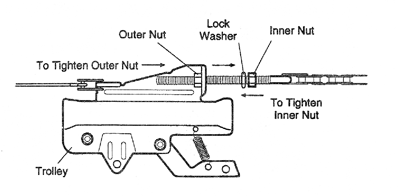
Most garage door openers have a tension adjustment bolt or nut located along the chain rail, near the motor unit or the door end. This is usually a long threaded bolt with nuts on either side of a metal bracket.
Common Types Of Adjustment Mechanisms
| Type | Location | Adjustment Tool |
|---|---|---|
| Double Nut System | Near opener motor | Wrench |
| Spring Tensioner | Mid-rail | Wrench |
| Turnbuckle | Along chain rail | Hand, then wrench |
3. Inspect The Current Chain Tension
With the door closed, look at the chain. Press lightly on the bottom of the chain at the midpoint of the rail. If it sags more than 1/2 inch, it’s too loose.
Pro tip: Some manuals recommend a sag of about 1/4 inch for optimal performance. Too tight can be as bad as too loose.
4. Loosen The Lock Nut
Find the lock nut that holds the adjustment nut in place. Use your wrench to loosen this nut by turning it counterclockwise. Don’t remove it completely—just loosen it enough to allow the adjustment nut to turn.
5. Tighten The Chain
Turn the adjustment nut clockwise to tighten the chain. Work in small increments—about a half turn at a time. After each adjustment, check the chain sag by pressing at the midpoint.
- Correct tension: The chain should sag about 1/4 inch to 1/2 inch at the midpoint.
- Avoid over-tightening: A chain that is too tight can strain the motor and other parts, causing premature wear or failure.
6. Secure The Lock Nut
Once the chain has the correct tension, hold the adjustment nut in place and tighten the lock nut back up against the bracket. This keeps the adjustment from loosening over time.
7. Reconnect Power And Test
Plug the opener back in or turn the breaker back on. Stand clear of the door and press the opener button. Watch and listen as the door operates:
- The chain should move smoothly, without jerking or rattling.
- There should be no loud clanging or grinding noises.
- The door should open and close at normal speed.
If anything seems off, unplug the opener and recheck your work.
8. Apply Lubricant
Spray a small amount of garage door chain lubricant on the chain and sprockets. Avoid using thick grease or oil, which can attract dust and cause buildup. Wipe off any excess with a clean rag.
9. Inspect And Clean Up
Double-check that all tools are removed from the work area. Store your tools properly and dispose of any packaging or debris. A clean garage is safer and helps you spot future issues faster.
Troubleshooting Common Problems
Sometimes, tightening the chain doesn’t solve all the issues. Here are some common problems and how to fix them.
The Chain Still Sags After Adjustment
- Check for worn parts: If the chain won’t stay tight, the sprocket, tensioner, or chain itself may be worn and need replacement.
- Compare with new parts: If your opener is more than 10 years old, parts can stretch or fail.
The Door Still Makes Noise
- Check for loose hardware: Inspect all bolts and brackets along the opener rail and door.
- Lubricate moving parts: Rollers, hinges, and springs all need occasional lubrication.
The Chain Is Too Tight
- Loosen slightly: Over-tightened chains can cause excessive wear or even break. Make small adjustments and test again.
The Door Moves Unevenly
- Balance the door: Unbalanced doors put extra stress on the chain and opener. Disconnect the opener and lift the door by hand. If it’s hard to move, call a professional for spring adjustment.
How Often Should You Tighten The Garage Door Chain?
Most chains only need adjustment every 1-2 years. But if you use your garage door more than four times a day, check every 6 months. Chains naturally stretch over time, especially in extreme temperatures.
Here’s a quick reference:
| Usage Level | Check Chain Tension |
|---|---|
| Light (1-2 uses/day) | Every 1-2 years |
| Moderate (3-5 uses/day) | Every 6-12 months |
| Heavy (6+ uses/day) | Every 3-6 months |
Tip: Mark your calendar with a reminder so you don’t forget.
Preventing Future Chain Problems
Taking care of your garage door chain can extend its life and keep your door quiet and smooth. Here’s how:
- Regular Lubrication: Use a light chain lubricant every 6 months.
- Inspect for Wear: Look for rust, broken links, or bent brackets.
- Tighten Hardware: Check all nuts and bolts on the opener and door hardware.
- Keep the Rail Clean: Dirt and debris can cause extra friction.
- Balance the Door: A properly balanced door puts less strain on the chain and opener.
Many homeowners overlook the impact of seasonal temperature changes. In cold weather, metal contracts and the chain may feel tighter; in hot weather, it expands and may feel looser. Check tension after big swings in temperature.
Should You Call A Professional?
For most people, tightening a garage door chain is an easy DIY job. But there are times when you should call a qualified technician:
- If the chain adjustment does not solve the problem
- If the chain is extremely worn or broken
- If the door is off its tracks or won’t open/close
- If you notice frayed wires, cracked brackets, or strange smells from the opener
Attempting to repair major problems yourself can void your warranty or lead to injury. According to the U.S. Consumer Product Safety Commission, over 20,000 injuries each year are linked to garage doors. If you feel unsure, don’t risk it—get help.
Key Mistakes To Avoid
Even experienced DIYers make errors when tightening a garage door chain. Here are common mistakes and how to avoid them:
- Forgetting to unplug the opener: Always disconnect power before starting.
- Over-tightening the chain: Too much tension can damage the opener.
- Neglecting lubrication: A dry chain wears out faster and makes more noise.
- Not checking for worn parts: Sometimes, sagging means a part needs replacement, not adjustment.
- Ignoring door balance: An unbalanced door puts extra load on the chain.
Insight: Many people only look at the chain, but worn sprockets or a bent rail can also cause chain problems. Always inspect the whole system.
Chain Drive Vs. Belt Drive Openers: What’s The Difference?
If you’re considering upgrading your opener, it helps to know the differences between chain drive and belt drive systems.
| Feature | Chain Drive | Belt Drive |
|---|---|---|
| Noise Level | Louder | Quieter |
| Durability | Very durable | High, but belts can wear |
| Cost | Lower | Higher |
| Maintenance | Needs periodic tightening | Less frequent adjustment |
Chain drives are popular for their low cost and strength, but they do require regular tension checks. Belt drives are smoother and quieter, but the belts can wear out in extreme temperatures.
Real-life Example: A Noisy Garage Door Fixed
Let’s look at a real-world example. Mike, a homeowner in Ohio, noticed his garage door was getting louder each month. It rattled and shook every time it opened. He checked the chain and saw it sagged more than an inch at the midpoint.
Following the steps above, Mike tightened the chain, applied lubricant, and retested the door. The noise disappeared instantly, and the door ran smoothly.
He also noticed a small crack in one of the rail brackets and replaced it, which he wouldn’t have caught without inspecting the whole system. This simple maintenance saved him from a future breakdown and expensive repair.

When A Loose Chain Is A Symptom, Not The Cause
Sometimes, a loose chain is not the main issue but a sign of other problems:
- Worn sprocket: If the teeth are worn down, the chain can slip.
- Bent or misaligned rail: Can cause uneven tension.
- Weak or broken springs: Puts extra load on the opener.
If you fix the chain but the problem returns quickly, inspect these areas or have a technician check your system.
Maintenance Schedule For Garage Door Chains
Creating a routine helps prevent unexpected problems. Here’s a sample maintenance schedule:
- Monthly: Visual inspection of the chain, rail, and hardware.
- Every 6 months: Check and adjust chain tension. Lubricate chain, rollers, and hinges.
- Yearly: Full safety check. Inspect for worn parts. Test door balance.
Regular maintenance takes less time than you think—usually under 30 minutes every few months.
Quick Checklist: Tightening A Garage Door Chain
Here’s a handy summary of the steps:
- Unplug the opener
- Set up your ladder safely
- Locate the chain adjustment mechanism
- Check current chain sag
- Loosen the lock nut
- Tighten the adjustment nut gradually
- Test chain tension (1/4 to 1/2 inch sag)
- Tighten the lock nut
- Reconnect power and test the door
- Lubricate the chain
Print or save this list for your next garage door tune-up.
Smart Garage Door Openers: Do They Need Chain Adjustment?
Modern smart garage door openers often use the same chain drive systems as older models. That means they still need regular tension checks and maintenance. Some premium models have auto-tensioning systems, but most require manual adjustment.
For more details on garage door safety and opener technology, you can visit the Wikipedia Garage Door Opener page.
Frequently Asked Questions
How Tight Should A Garage Door Chain Be?
A garage door chain should have a slight sag at the midpoint—about 1/4 to 1/2 inch. Too tight can damage the opener, while too loose causes noise and poor operation.
What Happens If I Over-tighten The Chain?
If you over-tighten, the opener motor and gears will be under extra stress, leading to premature wear or possible failure. Always adjust in small increments and test often.
Can I Use Wd-40 To Lubricate The Chain?
It’s best to use a garage door chain lubricant or a light machine oil. WD-40 is a cleaner and water displacer, not a long-term lubricant, and can dry out the chain over time.
How Often Should I Check My Garage Door Chain Tension?
For most homes, check the chain every 6-12 months. If you use your garage door heavily (more than 5 times a day), check every 3-6 months.
Should I Replace The Chain If It Keeps Getting Loose?
If the chain keeps loosening after adjustments, it may be stretched or worn out. Consider replacing the chain or consult a professional to check for worn parts.
Taking care of your garage door chain doesn’t require special skills, just attention to detail and safety. A few minutes of maintenance can keep your garage door running quietly and reliably for years. And if you ever feel unsure, remember that professional help is just a call away.