
A garage door that won’t close is more than just a simple annoyance. It can affect your home’s security, your daily schedule, and even your family’s safety. Many homeowners face this problem at least once. You press the remote or wall button, but the door doesn’t move.
Sometimes it starts to close, then reverses. Other times, it won’t budge at all, or it stops halfway and leaves your garage open to the world.
It’s natural to feel frustrated or worried when your garage door refuses to close. Is it a small fix? Or will you need a professional? The reality is, garage doors are complex systems with many moving parts. But most problems have simple explanations, and often, you can solve them yourself with the right knowledge.
This guide will walk you through every possible reason your garage door isn’t closing, from basic checks to advanced troubleshooting. You’ll learn how to spot the cause, fix common issues, and know when it’s time to call an expert. Whether you’re a DIY beginner or a seasoned homeowner, you’ll find practical steps and important safety tips in this article.
Understanding How A Garage Door Works
Before you start troubleshooting, it helps to understand the basic parts of a garage door system. Modern garage doors use a combination of mechanical, electrical, and electronic components. Knowing these basics makes it easier to find what’s wrong.
- Opener: The electric motor that lifts and lowers the door.
- Remote/Wall Button: Sends the signal to the opener.
- Tracks and Rollers: Guide the door as it moves.
- Springs: Balance the door’s weight and assist movement.
- Sensors: Detect obstacles and prevent closing on people or things.
- Limit Switches: Tell the motor when to stop.
- Wiring: Connects all the parts together.
Garage doors are heavy—often over 150 pounds. That’s why safety systems are built in. If the door senses a problem, it won’t close. This is usually a good thing, but it also means small issues can stop the door from working.
Common Causes When A Garage Door Won’t Close
Most garage door closing problems fall into a few main categories. Let’s look at each in detail.
1. Safety Sensors Are Blocked Or Misaligned
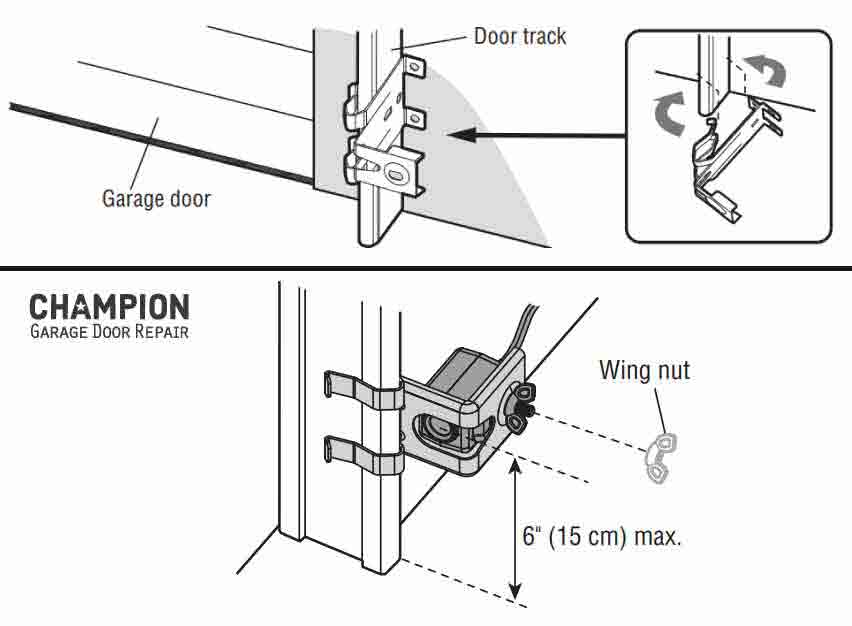
All automatic garage doors made after 1993 in the US must have photoelectric safety sensors. These are small boxes located near the floor on each side of the door, about 4-6 inches above the ground. They shoot an invisible beam across the opening. If anything breaks this beam, the door will stop or reverse.
How to check:
- Look for blinking or steady lights on the sensors. Usually, one sensor has a green light (receiving), the other yellow or orange (sending).
- Clean the lenses gently with a soft cloth. Dirt, cobwebs, or leaves can block the beam.
- Make sure nothing is in the way, like a broom handle, toy, or trash can.
- Check sensor alignment. Both lights should be steady, not blinking. If not, gently adjust until they are.
Pro tip: Sunlight can sometimes confuse sensors. If your garage faces west, bright afternoon sun might cause problems. Try shading the sensors temporarily to see if this helps.
2. Obstructions In The Door’s Path
Garage doors have a reversing mechanism. If they hit something while closing, they will stop or go back up. Even a small object or buildup of dirt can trigger this.
What to do:
- Inspect the floor under the door for rocks, ice, or debris.
- Check the door’s tracks for anything stuck inside.
- Look at the rubber seal at the bottom of the door. It should be flexible and not torn or jammed.
3. Problems With The Remote Control Or Wall Button
Sometimes the issue is not with the door but with the device that sends the signal.
Steps to diagnose:
- Try both the remote and the wall button. If one works, the problem is with the other.
- Replace the remote’s battery.
- Stand closer to the door when using the remote.
- Check for visible damage or worn buttons.
Non-obvious insight: Garage door remotes can be affected by interference from nearby electronics, new LED light bulbs, or even a neighbor’s remote using the same frequency.
4. Door Is Locked Or Disconnected
Manual locks or the emergency release can prevent the door from moving.
- Make sure the manual lock (usually a metal bar inside the door) is not engaged.
- Check if the emergency release cord (red handle hanging from the opener rail) has been pulled. If so, the opener is disconnected from the door. Reconnect it according to your opener’s instructions.
5. Track, Roller, Or Hinge Issues
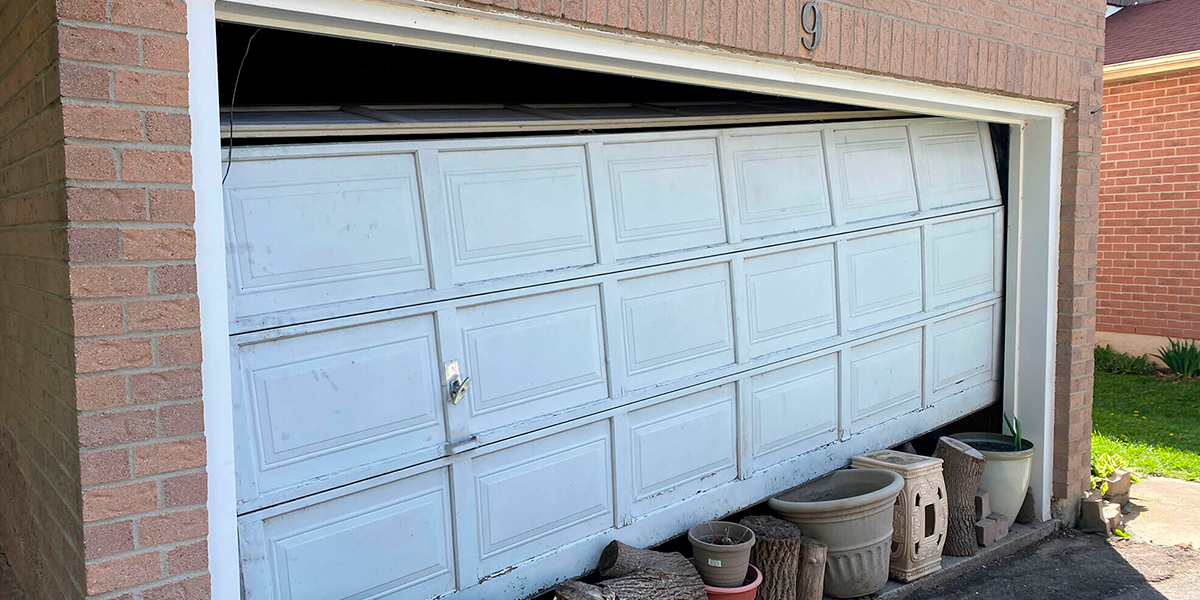
Garage doors slide up and down on metal tracks, using rollers and hinges. If these are bent, broken, or blocked, the door may not close.
What to look for:
- Tracks should be straight and firmly attached to the wall.
- Rollers should spin freely and not be off the track.
- Hinges should be tight and not cracked.
Practical tip: If you notice grinding noises or jerky movement, lubricate the rollers and hinges with garage door lubricant (not WD-40).
6. Broken Or Weak Springs
Springs do most of the lifting. If a spring is broken, the opener might not have enough power to close the door.
Warning: Garage door springs are dangerous. Never try to repair or replace them yourself.
Signs of a broken spring:
- You hear a loud bang from the garage.
- The door is heavy and hard to move manually.
- Gaps or separation in the spring coil.
If you suspect a broken spring, call a professional.
7. Limit Switches Need Adjustment
Garage door openers have limit switches that control how far the door travels up or down. If set wrong, the door may stop short or reverse before touching the ground.
How to adjust:
- Find the limit adjustment screws on the opener motor.
- Use a screwdriver to turn the “down” adjustment a small amount at a time.
- Test after each adjustment.
Non-obvious insight: Drastic temperature changes can cause the door material to expand or contract, requiring limit adjustment.
8. Motor Or Circuit Board Failure
Less common, but sometimes the opener’s motor or control board fails.
Symptoms:
- The opener hums but the door doesn’t move.
- No lights or sound from the opener at all.
- The door opens but won’t close, even with sensors clear.
What to try:
- Unplug the opener for 30 seconds, then plug it back in (like rebooting a computer).
- Check the circuit breaker or fuse for the garage.
If this doesn’t help, you may need a technician.
9. Garage Door Is Out Of Balance
If the door is hard to lift manually or falls quickly, it’s out of balance. An unbalanced door puts extra strain on the opener and safety features may prevent closing.
How to test:
- Pull the emergency release cord.
- Lift the door halfway by hand. It should stay in place.
- If it falls or shoots up, balance is off.
This needs professional repair.
10. Weather Stripping Or Ground Level Problems
Sometimes, the door won’t close fully because the weather stripping at the bottom is too thick, or the floor is uneven.
Check for:
- Gaps under the closed door.
- New or hard weather stripping.
- Cracks or slopes in the garage floor.
Easy fix: Try closing the door with the wall button held down (this overrides sensors on some openers). If it closes, the sensor is likely the problem.

Troubleshooting Steps: Fixing A Garage Door That Won’t Close
Now let’s walk through a step-by-step process to find and fix the problem.
- Observe the Door’s Behavior
- Does it move at all? Stop and reverse? Make noise?
- Are there flashing lights on the opener?
- Check the Sensors
- Clean and align them as explained earlier.
- Both sensor lights should be solid.
- Look for Obstructions
- Remove all objects from the door’s path and tracks.
- Test the Controls
- Try both the wall button and remote.
- Replace remote batteries.
- Inspect the Door Mechanism
- Look for damage to tracks, rollers, hinges, or springs.
- Listen for strange noises.
- Try Manual Operation
- Pull the emergency release.
- Lift the door by hand. If it’s very heavy or won’t move, call a pro.
- Adjust the Limit Switches
- Make small changes and test until the door closes fully.
- Reset the Opener
- Unplug and replug the unit.
- Check the breaker.
- Consider Weather or Sunlight
- Shade sensors if needed.
- Check for water, ice, or floor issues.
- Call a Professional
- If the above steps don’t work, or for anything involving springs, cables, or the motor.
When To Diy And When To Call A Professional
Some garage door problems are safe and easy for a homeowner to fix. Others are dangerous or require special tools.
Safe for DIY:
- Cleaning and aligning sensors
- Replacing remote batteries
- Clearing obstructions
- Adjusting limit switches (with care)
Professional only:
- Replacing or adjusting springs and cables
- Motor or circuit board repair
- Track realignment if heavily bent
- Door is off the tracks
Important note: A garage door spring under tension can cause serious injury or death. Never try to adjust or replace springs yourself.
Examples Of Real-life Garage Door Closing Problems
Sometimes, seeing real examples helps you understand what you’re facing.
Example 1: Sensor Blocked by a Toy
A homeowner pressed the remote and the door started to close, then reversed. The opener flashed a light. On inspection, a child’s ball was blocking the sensor beam. Removing the toy solved the problem.
Example 2: Misaligned Track
A homeowner noticed the door jerked and stopped halfway down. The right track was bent after being hit by a car bumper. A professional realigned and secured the track.
Example 3: Remote Signal Interference
A new LED bulb was installed in the garage ceiling. The remote stopped working reliably. After switching to a different bulb, the problem disappeared.
Example 4: Broken Spring
The door would not move at all and felt extremely heavy when trying to lift by hand. A technician found a snapped torsion spring and replaced it safely.
Comparing Common Garage Door Opener Problems
Here’s a quick comparison of symptoms and likely causes:
| Symptom | Likely Cause | DIY Fix? |
|---|---|---|
| Door reverses before touching ground | Sensor blocked/misaligned, limit switch needs adjustment | Yes |
| Door won’t move at all | Broken spring, locked door, no power | No (except power/lock) |
| Remote doesn’t work, wall button does | Remote battery, interference | Yes |
| Jerky movement, grinding noise | Roller/track/hardware issues | Maybe (basic lube/checks) |
Safety Features: What Stops A Garage Door From Closing?
Modern garage doors have several built-in safety features. These are designed to protect people, pets, and property.
- Photoelectric sensors: Prevents closing if anything crosses the beam.
- Auto-reverse: Makes the door go back up if it hits an object.
- Manual release: Lets you open/close the door by hand in emergencies.
- Force settings: Stops the opener if it senses too much resistance.
These features are required by law in the US and many other countries. If any safety feature fails, your garage door may refuse to close.
Preventing Garage Door Closing Problems
Regular maintenance can prevent most garage door problems. Here’s what you should do:
- Clean and inspect sensors every month.
- Lubricate moving parts (rollers, hinges, tracks) twice a year with garage door lubricant.
- Check and tighten hardware on the door and tracks.
- Test the auto-reverse by placing a 2×4 board under the door and closing it. The door should reverse.
- Replace weather stripping if worn or damaged.
- Inspect springs and cables visually for rust or wear (do not touch).
- Keep the area around the door clear of objects and debris.
Cost Of Repair: Diy Vs Professional
Understanding the cost can help you decide whether to fix it yourself or hire help. Here’s a typical price range for common repairs:
| Repair Type | DIY Cost | Professional Cost |
|---|---|---|
| Sensor cleaning/realignment | $0-$10 | $75-$150 |
| Remote battery replacement | $5-$10 | $50-$75 |
| Spring replacement | Not recommended | $150-$350 |
| Track realignment | $0-$20 | $125-$250 |
| Opener motor replacement | $100-$200 | $300-$600 |
Non-obvious insight: Many manufacturers offer free technical support over the phone or online chat. Try contacting them before hiring a pro.
How Weather Affects Garage Door Closing
Weather plays a bigger role than most homeowners think. Here’s how:
- Cold temperatures can cause metal parts to contract, affecting alignment and movement.
- Ice buildup on the floor or tracks can block the door.
- Heat can soften weather stripping or warp plastic parts.
- Humidity can cause wood doors to swell, making them stick.
Tip: Install a small floor drain or use a dehumidifier in wet climates to prevent water problems.
How To Reset A Garage Door Opener
Sometimes, electronics just need a reset. Here’s how:
- Unplug the opener from the outlet.
- Wait 30 seconds.
- Plug it back in.
- Try the wall button and remote.
Some openers have a “Learn” or “Reset” button. Check your manual for instructions.
What If The Door Won’t Close All The Way?
If your door closes most of the way, then stops or reverses, focus on:
- Sensor alignment/cleanliness
- Floor or weather stripping problems
- Limit switch adjustment
Try holding down the wall button to override sensors (for testing only). If the door closes, the issue is with the sensors.
How To Test Your Garage Door’s Safety Reversal System
- Place a 2×4 board flat on the ground where the door would touch.
- Close the door with the remote or wall button.
- The door should touch the board, then reverse immediately.
If it doesn’t, call a professional. This is a critical safety feature.
Garage Door Brands And Their Unique Issues
Some brands have unique quirks:
- LiftMaster/Chamberlain: Sensors are very sensitive to alignment.
- Genie: Older models may have wiring issues.
- Craftsman: Limit switch adjustments can be tricky.
- Wayne Dalton: Some models use a special spring system requiring professional service.
Always check your owner’s manual for brand-specific advice. For more technical details, you can visit the Wikipedia page on garage door openers.
Summary Of What To Check If Your Garage Door Won’t Close
- Start with the safety sensors
- Look for any obstructions
- Try both remote and wall button
- Inspect tracks, rollers, and springs
- Adjust limit switches if needed
- Reset the opener
- Watch for weather effects
- Call a professional for anything dangerous
Frequently Asked Questions
Why Does My Garage Door Close Partway And Then Open Again?
This is often caused by safety sensors being blocked or out of alignment. Clean and adjust them first. It could also be a problem with the limit switches or an object in the door’s path.
Can Sunlight Affect My Garage Door Sensors?
Yes, strong sunlight can interfere with photoelectric sensors. If your garage faces west or gets direct sun, sensors may not work properly. Try shading the sensors or adjusting their angle slightly.
Is It Safe To Fix A Garage Door Spring Myself?
No. Garage door springs are under extreme tension and can cause serious injury or death. Always call a professional for spring repair or replacement.
My Remote Works, But The Wall Button Doesn’t. What’s Wrong?
If the remote works but the wall button doesn’t, check the wiring to the wall button and make sure it is securely attached. Sometimes, the wall button itself may need replacing.
How Often Should I Maintain My Garage Door To Prevent Closing Problems?
You should perform basic maintenance (cleaning sensors, lubricating moving parts, checking hardware) at least twice a year. Test the safety reversal system every 3-4 months for best results.
Keeping your garage door working smoothly isn’t just about convenience—it’s about safety and peace of mind. With a little regular care and quick troubleshooting, you can solve most closing problems yourself and know when to call for help.