Now Reading: How To Program Garage Door Opener Mazda Cx 5 2019
- 01
How To Program Garage Door Opener Mazda Cx 5 2019

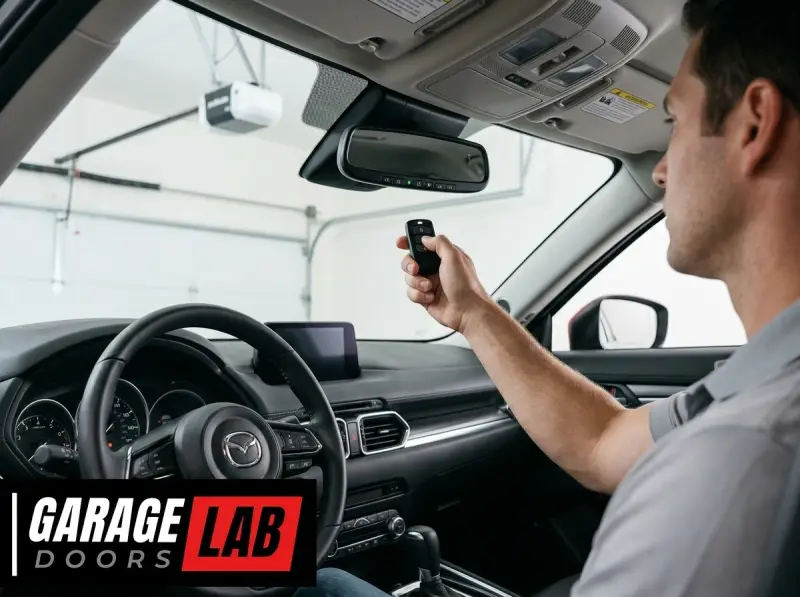
The convenience of a garage door opener is undeniable, transforming the daily routine of homeowners. For drivers of a 2019 Mazda CX-5, integrating this essential technology with their vehicle offers an added layer of ease and security. Many modern vehicles come equipped with built-in homelink systems or similar programmable buttons designed to control garage doors and other radio-frequency devices. Learning how to program your garage door opener to your 2019 Mazda CX-5 is a straightforward process that can significantly enhance your daily commute and home access.
This guide will walk you through the essential steps, common troubleshooting tips, and best practices for programming your garage door opener to your specific vehicle. Whether you’re a new owner or simply looking to reconfigure your existing setup, understanding the nuances of this technology ensures a seamless experience.
We’ll cover everything from identifying the correct buttons in your Mazda to successfully syncing them with your garage door opener’s motor unit.
Key Takeaways
- Locate Buttons: Identify the programmable buttons within your 2019 Mazda CX-5, typically found on the rearview mirror or overhead console.
- Prepare Opener: Ensure your garage door opener’s motor unit is functioning and accessible, and have a ladder ready.
- Clear Existing Codes: It’s often recommended to clear any pre-existing codes on your garage door opener’s receiver to avoid interference.
- Programming Modes: Understand the two primary programming modes: direct-to-door and rolling code.
- Syncing Process: Follow the specific sequence of button presses on both your vehicle and your garage door opener to establish the connection.
- Troubleshooting: Be prepared to troubleshoot common issues like signal interference or incompatible frequencies.

Credit: www.samlemanmazda.com
Understanding Your Mazda Cx-5’s Programmable Buttons
The 2019 Mazda CX-5, like many contemporary vehicles, often comes equipped with an integrated universal garage door opener system, commonly referred to as HomeLink. This system typically consists of three to four programmable buttons, strategically placed for easy access. The most common locations are:
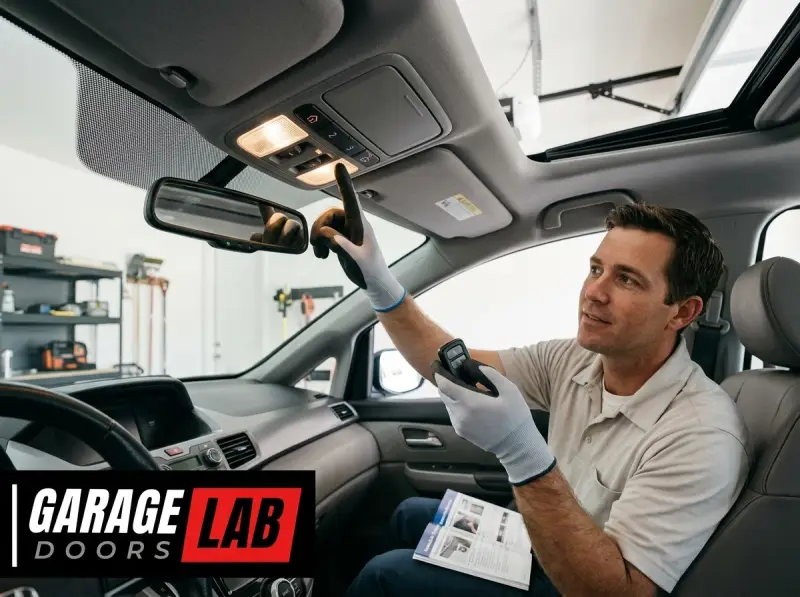
- Rearview Mirror: The buttons are often integrated into the bottom edge of the rearview mirror assembly.
- Overhead Console: In some trims or configurations, these buttons might be located on the overhead console near the dome lights or sunroof controls.
These buttons are essentially small radio transmitters that can be trained to mimic the signals of your existing garage door remote. The technology is designed to be compatible with a vast majority of garage door opener brands and models manufactured after 1993, though older units may require a separate external receiver.
Identifying The Buttons
Before you begin the programming process, it’s crucial to accurately identify these buttons. Look for small, rectangular or square buttons, often with subtle icons that might resemble a house or a gate. They are usually distinct from the other buttons in the vehicle, such as those for interior lights or the sunroof.
In the 2019 Mazda CX-5, the HomeLink buttons are most commonly found on the rearview mirror. You’ll typically see three buttons arranged horizontally or in a small cluster. Take a moment to familiarize yourself with their exact location and feel. If you’re unsure, consult your vehicle’s owner’s manual, which will provide a detailed diagram and explanation of the interior controls.
How Homelink Works
The HomeLink system operates by learning the specific radio frequency and code transmitted by your existing garage door remote. When you press and hold a HomeLink button and then press your garage door remote towards it, the HomeLink system attempts to capture the signal. Once captured, the HomeLink button can then be programmed to transmit that same signal, effectively acting as a replacement for your handheld remote.
This system is designed for convenience, reducing the need to carry multiple remotes. However, it’s important to note that some modern garage door openers use rolling codes for enhanced security. This means the code changes with each use, and the programming process for these systems is slightly different, often requiring direct interaction with the garage door opener’s motor unit. We will cover both scenarios in this guide.
Preparing For The Programming Process
Successful programming hinges on proper preparation. Before you begin the step-by-step process, ensure you have everything in place to make the experience as smooth as possible. This involves gathering necessary items, understanding potential compatibility issues, and preparing your garage door opener.
Gather Your Tools And Information
- Original Garage Door Remote: This is essential for transmitting the signal to your Mazda’s HomeLink system. Ensure it has a fresh battery.
- Ladder: You will need a stable ladder to safely reach the motor unit of your garage door opener, which is typically mounted on the ceiling of your garage.
- Vehicle Owner’s Manual: While this guide provides comprehensive steps, your Mazda CX-5’s manual can offer specific details about its HomeLink system.
- Garage Door Opener Manual: If you have the manual for your garage door opener, it can be invaluable, especially for understanding the “Learn” button and its functions, particularly for rolling code systems.
- Pen and Paper (Optional): You might want to jot down the original remote’s button assignment if you plan to re-program existing buttons.
Understanding Compatibility And Limitations
Most garage door openers manufactured after 1993 are compatible with HomeLink systems. However, there are exceptions, particularly with very old systems or those using highly specialized frequencies. The HomeLink website provides a compatibility checker that can help you determine if your specific garage door opener model is supported. It’s a good idea to check this beforehand if you have an older system.
Key compatibility points to consider:
- Frequency: HomeLink systems operate on common frequencies like 315 MHz or 390 MHz. If your opener uses a different frequency, it won’t be compatible.
- Code Type: As mentioned, rolling codes require an extra step involving the opener’s motor unit.
- Gate Operators and Security Systems: HomeLink can also be programmed to operate automatic gates, home security systems, and other radio-controlled devices.
Preparing Your Garage Door Opener
For rolling code systems, you will need to access the “Learn” button on your garage door opener’s motor unit. This button is typically located on the back or side of the unit, often near the antenna wire. It’s usually a colored button (red, green, orange, purple, or yellow) and may be accompanied by an LED indicator light.
Before you start programming:
- Ensure the opener is powered on: The motor unit needs to be connected to a power source.
- Clear existing codes (Recommended): To avoid potential conflicts or accidental programming of old signals, it’s often best to clear any previously learned codes from your garage door opener’s receiver. The method for doing this varies by manufacturer. Typically, it involves pressing and holding the “Learn” button for a specified duration (often 30 seconds) until an indicator light turns off. Refer to your opener’s manual for precise instructions. If you’re unsure, consult our guide on how to reset your garage door opener.

Credit: www.mazdausa.com
Programming Your Garage Door Opener: Step-by-step Guide
The programming process can be divided into two main scenarios: programming a fixed code opener and programming a rolling code opener. Most modern systems, especially those manufactured after 2000, use rolling codes.
Scenario 1: Programming A Fixed Code Opener
This is the simpler of the two methods, as it doesn’t require direct access to the garage door opener’s motor unit.
- Park Your Mazda CX-5: Park your vehicle in a location where you can comfortably access the interior and see the garage door opener motor unit (if needed for confirmation). Ensure the vehicle is turned on to the Accessory (ACC) or ON position.
- Clear Existing HomeLink Codes (Recommended): To ensure a clean slate, it’s wise to clear any previously programmed HomeLink buttons. Press and hold the two outer HomeLink buttons (e.g., 1 and 3) simultaneously. The indicator light will likely flash rapidly after about 10 seconds, indicating that all codes have been erased. Release the buttons.
- Select a HomeLink Button: Choose one of the three HomeLink buttons you wish to program for your garage door.
- Position the Remotes: Hold your original garage door remote about 1-3 inches away from the HomeLink buttons.
- Press and Hold: Press and hold the chosen HomeLink button on your Mazda CX-5 and the button on your original garage door remote simultaneously.
- Observe the Indicator Light: Continue holding both buttons. The HomeLink indicator light (usually near the buttons) will first flash slowly, then rapidly. The rapid flashing indicates that the HomeLink system has successfully learned the code from your remote.
- Release Buttons: Once the light flashes rapidly, release both the HomeLink button and the remote button.
- Test the Button: Press the programmed HomeLink button. If your garage door operates, you have successfully programmed a fixed code opener. If it doesn’t, or if the light flashes rapidly for a few seconds and then turns solid, it likely means your opener uses a rolling code system, and you’ll need to proceed to the next scenario.
Scenario 2: Programming A Rolling Code Opener
This process requires an additional step involving the “Learn” button on your garage door opener’s motor unit.
- Follow Steps 1-5 from Scenario 1: Park your vehicle, turn the ignition to ACC or ON, clear existing HomeLink codes, select a HomeLink button, and position the remotes.
- Initiate Learning on HomeLink: Press and hold the chosen HomeLink button on your Mazda CX-5 and the button on your original garage door remote simultaneously. Hold them until the HomeLink indicator light flashes rapidly, indicating it has learned the remote’s signal. Release both buttons.
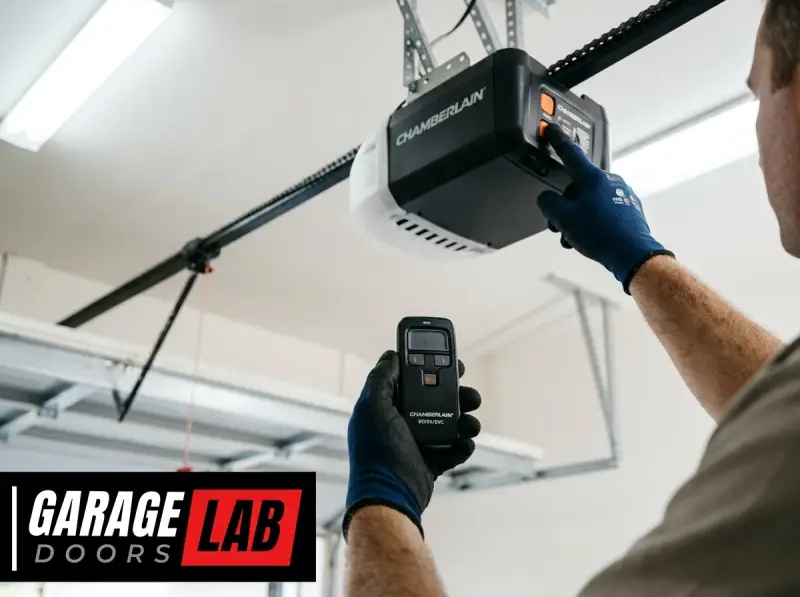
- Locate the “Learn” Button on the Opener: Get on the ladder and locate the “Learn” button on your garage door opener motor unit.
- Press the “Learn” Button: Press and immediately release the “Learn” button on the motor unit. A red or green LED indicator light next to the button should illuminate, indicating that the opener is in learning mode. You typically have about 30 seconds to complete the next step before the opener exits learning mode.
- Return to Your Vehicle: Quickly go back to your Mazda CX-5.
- Press and Hold the HomeLink Button: Press and hold the same HomeLink button you programmed in step 2.
- Observe Opener and Indicator Light: After a few seconds of holding the HomeLink button, your garage door opener motor unit may make a clicking sound, and the garage door might move slightly or the opener’s lights might flash. The HomeLink indicator light on your Mazda will also likely flash rapidly and then turn solid. This confirms that the HomeLink system has successfully paired with the rolling code receiver.
- Release the HomeLink Button: Once the opener signals a successful connection (lights flash or motor clicks), release the HomeLink button.
- Test the Button: Press the programmed HomeLink button again. Your garage door should now operate.
Example of Rolling Code Programming: If you have a LiftMaster garage door opener, the “Learn” button is typically yellow. After pressing and releasing the yellow button, you have 30 seconds to return to your car and press and hold the desired HomeLink button until the opener’s lights flash or the door moves.

Credit: www.hendrickhonda.com
Troubleshooting Common Issues
Even with careful adherence to the steps, you might encounter issues. Here are some common problems and their solutions:
Opener Does Not Respond
- Check Battery: Ensure the battery in your original garage door remote is fresh. A weak battery can transmit a weak signal that HomeLink might not pick up.
- Reposition Remotes: Try moving the remote closer to or further from the HomeLink buttons (within the 1-3 inch range). Experiment with slightly different angles.
- Clear and Retry: Erase all HomeLink codes and repeat the programming process from the beginning.
- Check Opener Manual: Consult your garage door opener’s manual for specific programming instructions or troubleshooting advice. Some openers have unique requirements.
- Interference: Other radio frequency devices can sometimes interfere. Try programming when fewer wireless devices are active in the vicinity.
Homelink Light Flashes Rapidly, Then Stays Solid (fixed Code Scenario)
This often indicates that the HomeLink system received a signal but could not establish a permanent link, or it might be attempting to program a rolling code without the necessary second step.
- Try Rolling Code Procedure: If you initially attempted the fixed code method, try the rolling code procedure, even if you don’t think you have a rolling code opener. It’s the most common type for modern systems.
- Verify Opener Compatibility: Double-check the HomeLink compatibility list online for your specific garage door opener model.
Garage Door Opener Motor Unit Does Not Respond To “learn” Button Press
- Check Power: Ensure the garage door opener is plugged in and powered on.
- Locate Correct Button: Make sure you are pressing the correct “Learn” button. Some openers have separate buttons for programming remotes and other functions.
- Reset Opener: Try resetting the entire garage door opener system according to its manual. This might involve unplugging it for a minute. You may need to reset your garage door remote as well.
Rolling Code Programming Fails After Pressing “learn” Button
- Timing is Critical: The 30-second window between pressing the opener’s “Learn” button and returning to the car is crucial. Ensure you are quick and efficient.
- Signal Strength: Ensure you are holding the HomeLink button firmly and continuously during the second phase.
- Multiple Presses: Some rolling code systems require you to press the HomeLink button multiple times (e.g., press and release, press and release again) after the opener’s “Learn” button is activated. Consult your opener’s manual.
- External Receiver: If your garage door opener is very old or has had an external receiver added, the “Learn” button might be on that external unit, not the motor unit.
Programming Multiple Garage Doors Or Devices
If you have multiple garage doors or other devices (like a gate opener), you can program each of the three HomeLink buttons to a different device. Simply repeat the appropriate programming steps (fixed or rolling code) for each button, using the corresponding remote for each device.
Pro Tip: When programming multiple devices, it’s helpful to keep a small log in your car or at home noting which HomeLink button controls which door or device. This avoids confusion later.
Advanced Tips And Maintenance
Once your garage door opener is programmed, a few extra steps can ensure long-term functionality and security.
Security Considerations With Homelink
While HomeLink offers convenience, it’s essential to be aware of security implications, especially with older fixed-code systems.
- Fixed Codes: If your garage door opener uses a fixed code, the signal is the same every time. This means if someone has a code-grabbing device, they could potentially replicate your remote’s signal. This is why clearing old codes and using rolling codes is highly recommended.
- Rolling Codes: These systems are significantly more secure. Each time you press the button, a new code is generated and sent to the opener. The opener remembers the last code it received and expects the next one in the sequence. This makes them much harder to “capture.”
- Lost Remotes/Vehicle: If you sell your vehicle or lose your original garage door remote, it’s crucial to clear the codes from both the HomeLink system in your car and the garage door opener’s receiver. This prevents unauthorized access. For your Mazda, you can clear HomeLink codes by pressing and holding the two outer buttons until the light flashes rapidly. For the opener, consult its manual for the reset procedure. For instructions on resetting a LiftMaster or other common brands, refer to our specific guides.
Maintaining Your Homelink System
- Regularly Clear Codes: If you frequently sell vehicles or change garage door openers, make it a habit to clear the HomeLink codes.
- Update When Necessary: If you purchase a new garage door opener that is not compatible with your existing HomeLink system, you may need to purchase a HomeLink Universal Receiver for your garage door opener. This device is installed near the motor unit and allows older openers to communicate with newer HomeLink systems.
- Test Periodically: It’s a good practice to test your programmed HomeLink buttons every few months to ensure they are still functioning correctly.
Example: Programming A Genie Garage Door Opener
Let’s say you have a 2019 Mazda CX-5 and a Genie garage door opener with a rolling code system (common for Genie models manufactured after 1995).
- Park your Mazda and turn the ignition to ACC.
- Clear HomeLink codes by pressing and holding the outer two HomeLink buttons until the indicator light flashes rapidly.
- Select a HomeLink button (e.g., the left one).
- Hold your Genie remote 1-3 inches from the HomeLink buttons.
- Press and hold both the HomeLink button and the Genie remote button simultaneously until the HomeLink light flashes rapidly. Release both.
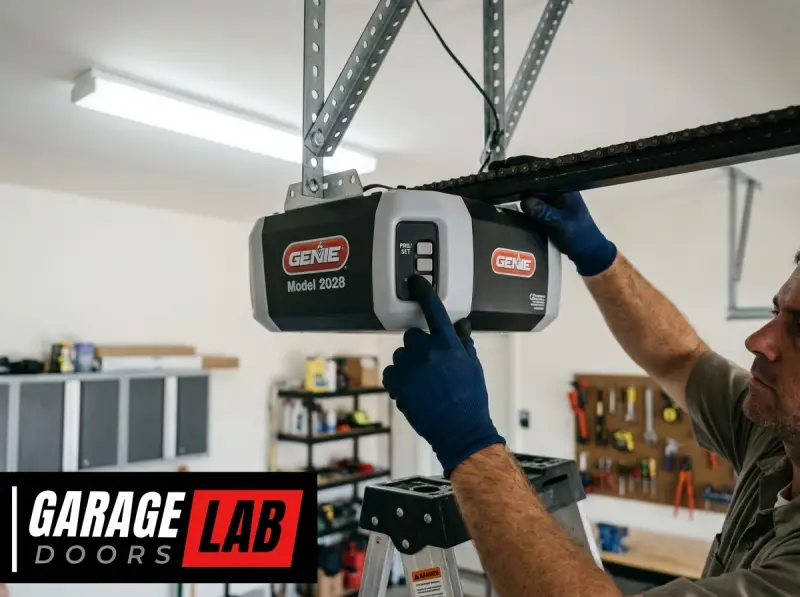
- Go to your garage. Locate the “Learn Code” button on your Genie garage door opener motor unit (often square and red or purple).
- Press and release the Genie “Learn Code” button. The LED indicator next to it should light up.
- Quickly return to your Mazda.
- Press and hold the same HomeLink button you programmed earlier.
- Hold until the garage door opener lights flash or the door moves. This indicates successful pairing. Release the HomeLink button.
- Test the HomeLink button. Your garage door should now open and close. If this doesn’t work, consult your Genie opener’s manual, as some models might have slightly different sequences. You might also find our guide on reprogramming a Genie garage door keypad helpful if you are also looking to program accessories.
Frequently Asked Questions
How Do I Know If My 2019 Mazda Cx-5 Has Homelink?
Most 2019 Mazda CX-5 models come equipped with HomeLink, typically integrated into the rearview mirror or overhead console. Look for 3-4 small buttons with potential icons resembling a house or gate. Your vehicle’s owner’s manual will confirm its presence and location.
What If My Garage Door Opener Is Older Than 1993?
If your garage door opener was manufactured before 1993, it likely uses a fixed code system with a frequency that may not be compatible with HomeLink. In such cases, you would typically need to purchase and install an external HomeLink Universal Receiver kit. This kit includes a receiver that attaches to your garage door opener motor and can be programmed to learn the older remote’s signal, which then HomeLink can learn.
Can I Program Homelink To My Gate Opener As Well?
Yes, the HomeLink system is designed to be universal and can often be programmed to operate automatic gate openers, security system receivers, and other radio-controlled devices, provided they operate on compatible frequencies and use either fixed or rolling codes. The programming process is similar to that of a garage door opener.
My Homelink Button Is Programmed, But The Garage Door Only Opens When I’m Very Close. What’s Wrong?
This usually indicates a weak signal transmission or reception issue.
- Check Remote Battery: The original remote’s battery might be weak.
- Antenna Issue: Ensure the antenna wire on your garage door opener motor unit is hanging down freely and not obstructed or damaged.
- Interference: Strong radio frequency interference in your area could be weakening the signal.
- HomeLink Programming: Try clearing the HomeLink codes and re-programming, paying close attention to the timing and button presses, especially for rolling code systems.
How Do I Reset All Programmed Homelink Buttons In My Mazda Cx-5?
To reset all programmed HomeLink buttons in your 2019 Mazda CX-5, press and hold the two outer buttons (typically button 1 and button 3) simultaneously for about 10-20 seconds. The indicator light above the buttons will flash rapidly, confirming that all previously learned codes have been erased.
You can then begin programming the buttons again. This is a crucial step if you are selling the vehicle or experiencing persistent issues.
Programming your garage door opener to your 2019 Mazda CX-5 is a valuable upgrade that enhances convenience and security. By following these